

Free written scope consultation - allowances, timeline, and change-order rules on paper before a single trade is scheduled
Chain Link Fence in La Habra, CA: What It Costs and What It Takes
A chain link fence in La Habra typically runs $3,500 – $9,000 installed, depending on linear footage, height, gauge, and whether concrete footings go into hard or sandy ground. Most residential yards here finish in two to four days once materials land. A standard 4-foot or 5-foot galvanized fence around an average La Habra backyard lands in that range with line posts set in Quikrete or Sakrete concrete. Call (833) 522-5059 for a free estimate with numbers written down before anything gets dug.
How a Chain Link Fence Gets Built, Start to Finish
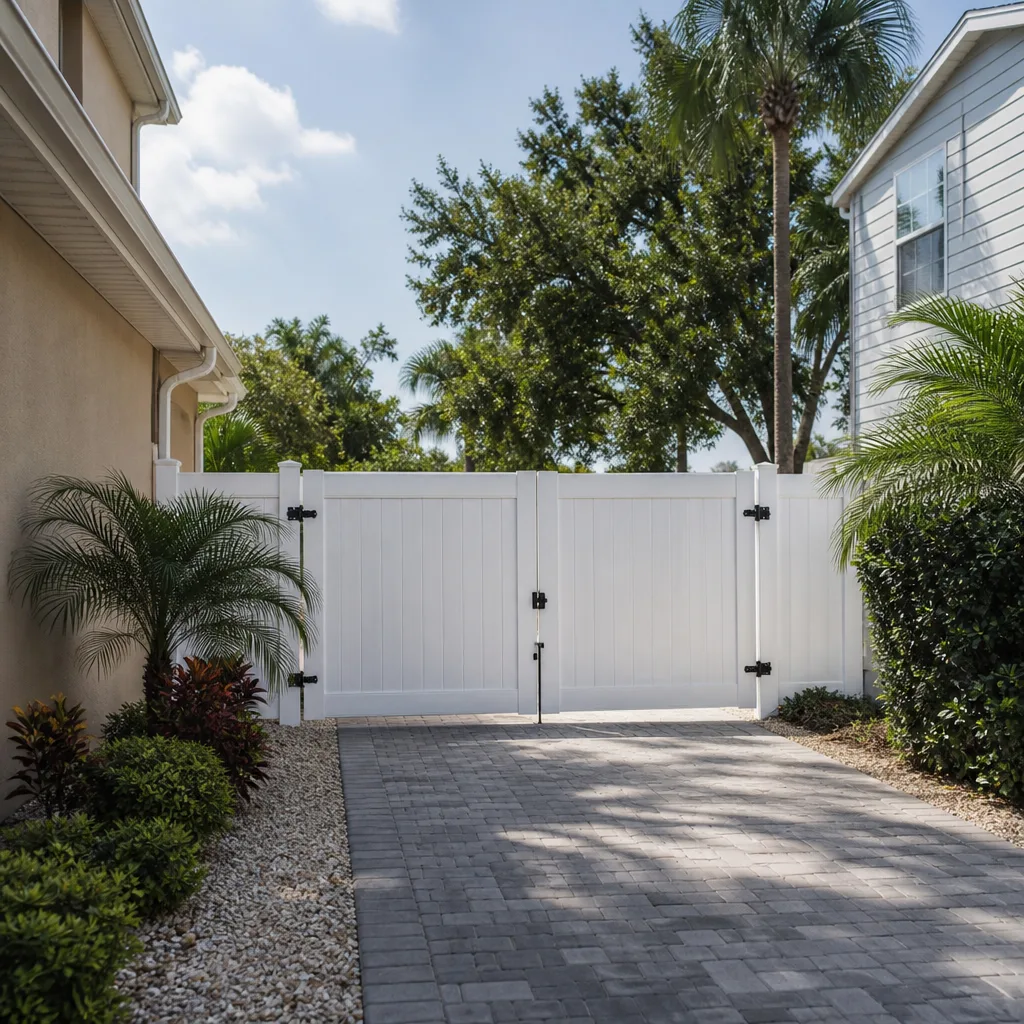
Fencing looks simple until someone hits a buried irrigation line or a footing refuses to set in rocky hillside soil. Here’s the real sequence we run through on a La Habra job, and what you decide at each stage.
Day 1: Walk the line and call 811
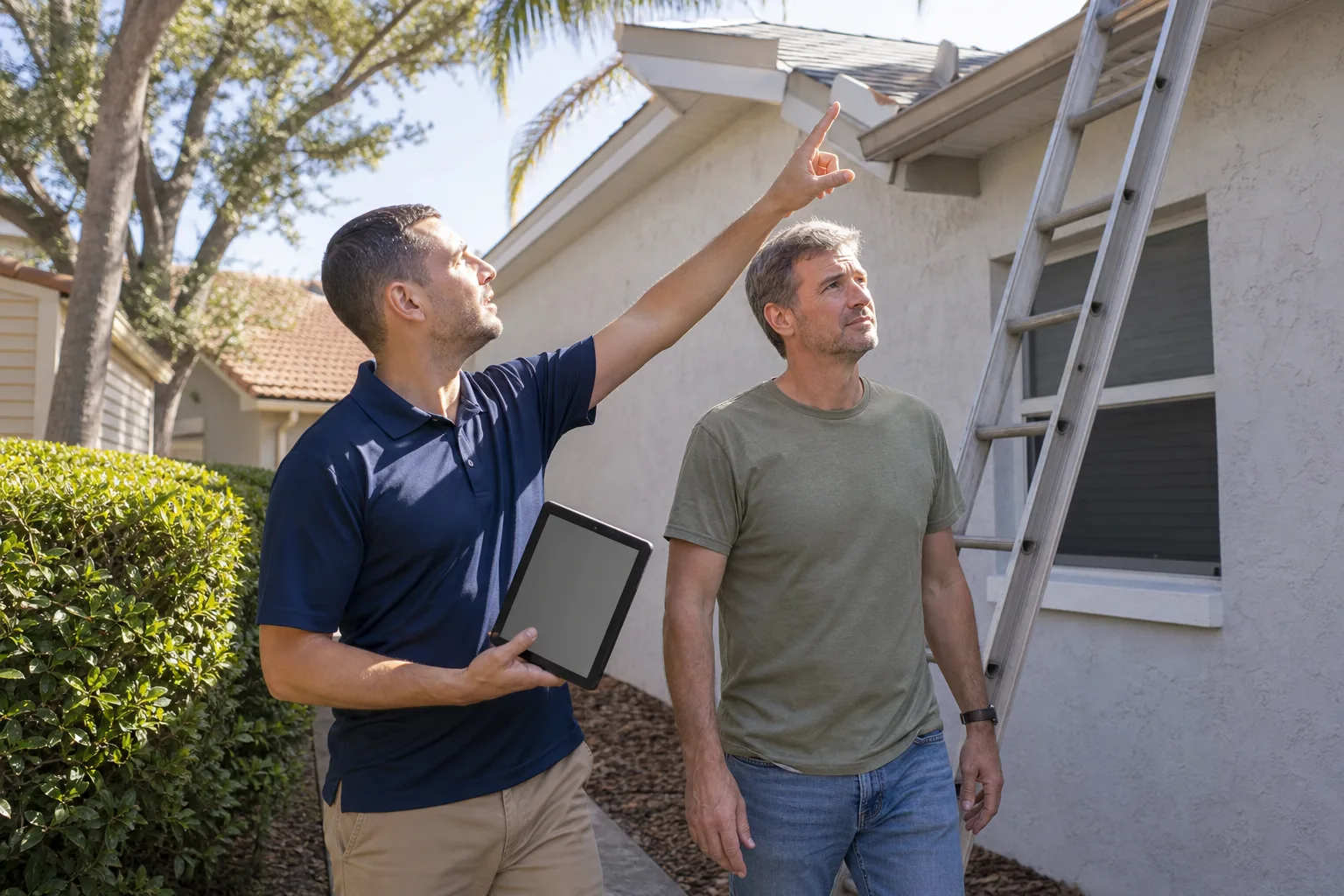
Before a shovel moves, we walk the property line with you and confirm corners, gate placement, and height. We also call 811 for utility marking. On older La Habra lots with decades of unrecorded additions, it’s common to find the real property line offset from what a homeowner assumed. If there’s uncertainty, a surveyor settles it before we dig, and that’s a decision that happens on day one, not day three.
Day 1 – 2: Layout and post holes
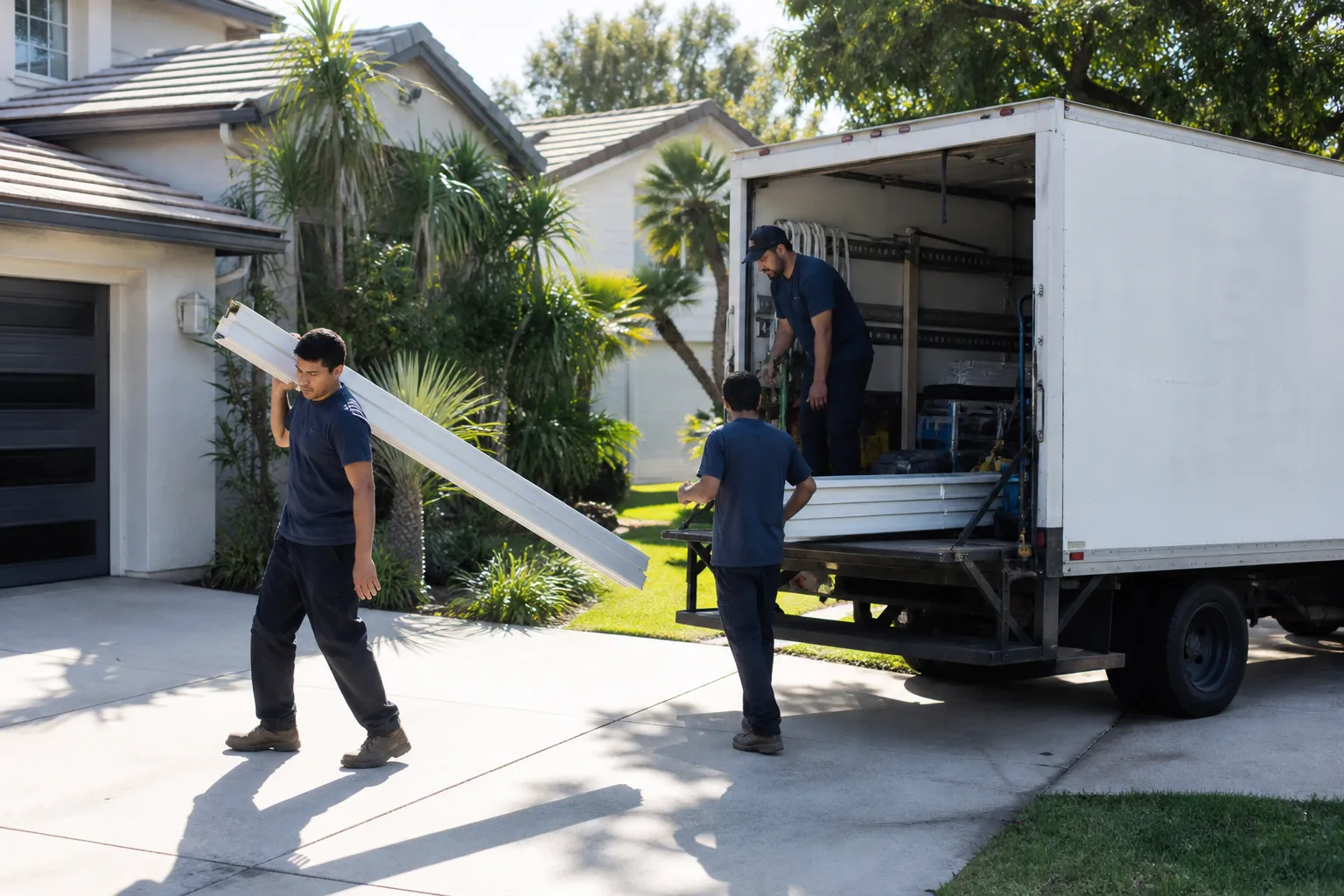
We set string lines, mark terminal posts at corners, gates, and any grade changes, then auger the holes. Terminal posts and corner posts go deeper and take more concrete than line posts because they carry the tension. On La Habra’s foothill-adjacent lots, we sometimes hit hardpan or embedded rock, which slows the auger and may require a different footing approach. Expect the layout and hole digging to fill most of the first day for a typical 100- to 150-foot run.
Day 2: Set posts and pour footings
Posts go in, each plumbed and braced. We pour concrete around each footing. If you’ve chosen a Quikrete or Sakrete fast-setting mix, posts can often accept tension within hours rather than overnight, which keeps the schedule tight. This is the point where the decision you made about post height and gauge gets locked in. There’s no changing it later without pulling posts.
Day 3: Rails, tension wire, and mesh
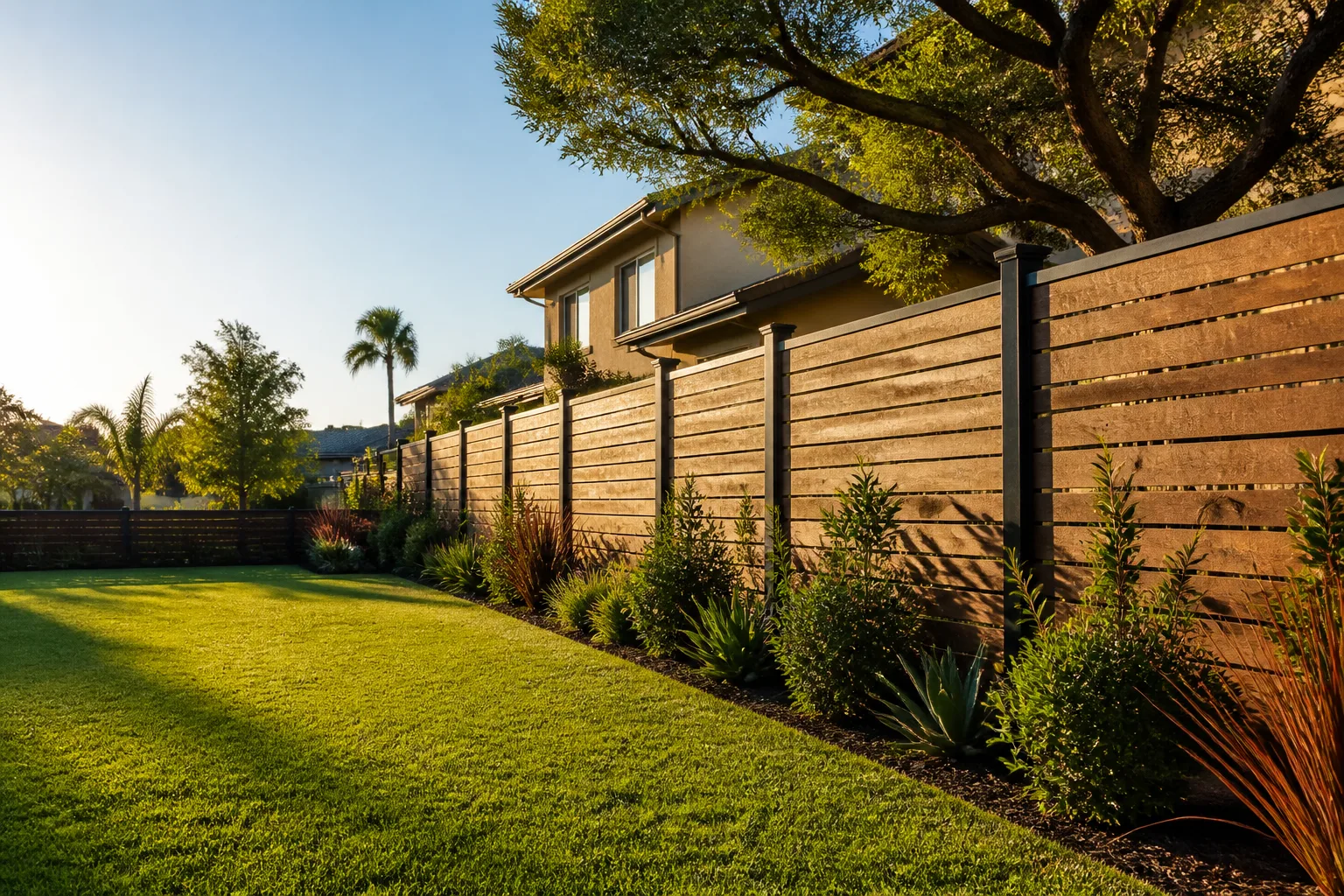
Top rail and bottom tension wire go up, then the chain link fabric gets stretched and tied off. Tensioning is the step that separates a fence that stays tight for years from one that sags and sags fast. Mesh goes against the tension wire, cut and secured with ties at every post and rail. Gates get hung in this stage with their hardware. You’ll see a finished fence line by the end of day three on most jobs.
Day 4: Final walkthrough and cleanup
We walk the finished fence with you, check gate swing and latch, and clean up leftover concrete, packaging, and cut wire. Any trim at the base, top rail caps, and gate adjustments happen here. This is where you sign off, and it’s also where our 730-Day Done Right Promise starts running.
Styles & brands we work with
- Kitchen remodeling
- Bathroom remodeling
- Home additions & ADU
- Roofing
- Windows & doors
- Driveway & pavers
- Fence
The Chain Link Fence Choices That Actually Affect the Outcome
Chain link isn’t one product. The decisions below are what separate a fence that lasts fifteen years from one that looks tired in three.
- Height (4, 5, or 6 feet): 4 feet is common for front-facing and side yard lines in La Habra. 6 feet reads as a privacy-height line and costs more per foot since it needs taller posts, more fabric, and often deeper footings for wind load.
- Gauge of wire: 11.5 gauge is the standard residential weight. 9 gauge is heavier, stiffer, and harder to cut through, but adds roughly 15 – 25% to the fabric cost and is usually only worth it on high-traffic lots or where security matters.
- Galvanized vs. vinyl-coated: Plain galvanized holds up well in La Habra’s dry inland air and runs cheaper. Vinyl-coated mesh (green or black) costs more but blends into landscaping, resists chipping, and is the right call when a fence is visible from the street or a patio.
- Post setting: Posts set in concrete footings are stronger and outlast direct-buried posts by years. On rocky or sloped lots, expect more concrete per post, and expect the Sakrete or Quikrete bag count to climb.
- Gates and hardware: A single walk gate runs hundreds of dollars more than simple fencing due to the post size, hinge, and latch needed. Double drive gates are a bigger jump. Tell us gate details early – moving a gate after layout is expensive.
- Top rail and tension wire: Both are standard on residential runs. A tension wire along the bottom stops mesh from lifting and keeps smaller dogs from pushing under.
What a Chain Link Fence Costs in La Habra, CA
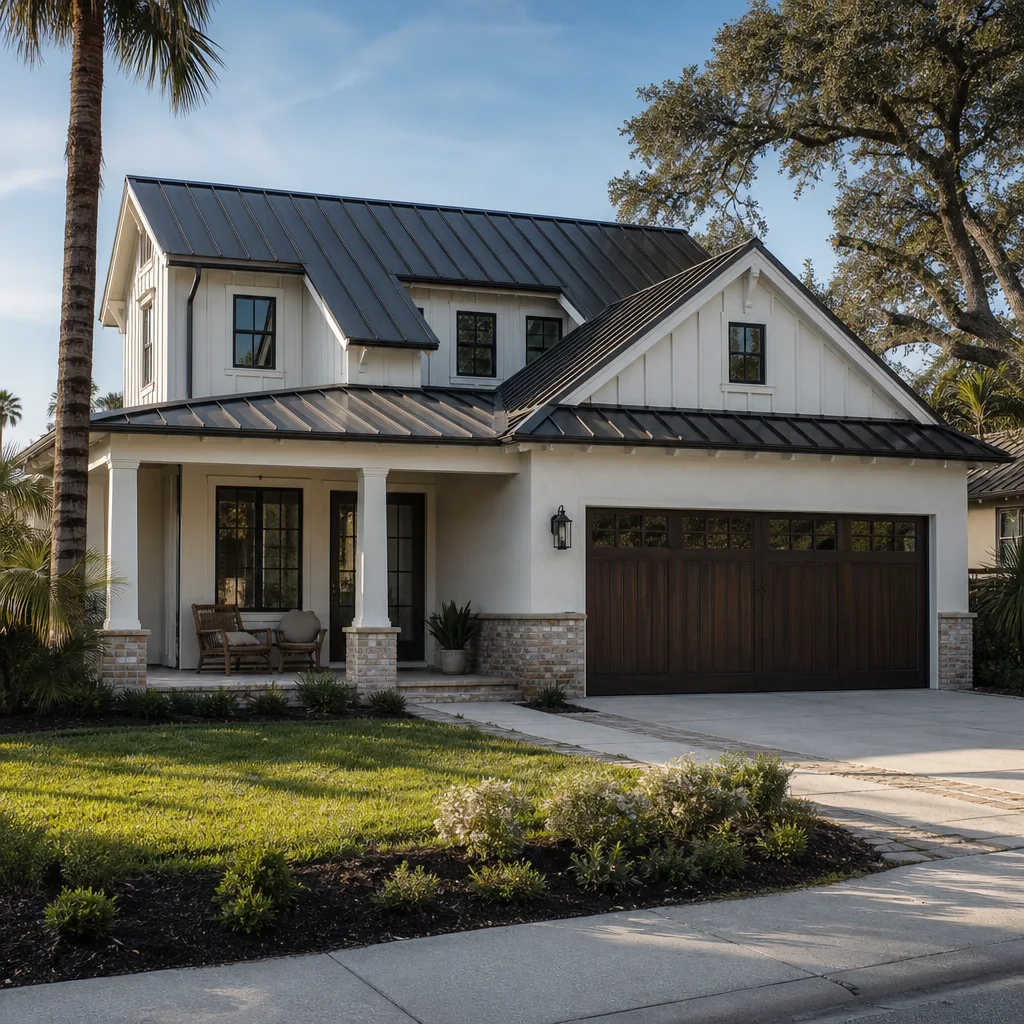
Our installed-price range for a residential chain link fence in La Habra is $3,500 – $9,000. That covers most backyard and side-yard runs on a typical lot. A short, straightforward 60-foot run on flat ground sits near the bottom; a full perimeter with two gates on a sloped lot lands near the top.
Four variables push the number up or down:
- Linear footage: The single biggest driver. Longer runs cost more per foot in total but usually less per foot as access and mobilization get spread out.
- Lot grade and soil: Flat ground is easy. Sloped or rocky foothill-adjacent lots cost more because each post has to be individually set and some holes take far longer to dig.
- Height and gauge: Moving from 4 feet at 11.5 gauge to 6 feet at 9 gauge is the largest single materials jump on this job.
- Gates and corners: Each gate needs enlarged posts and hardware. Each corner needs a braced terminal post, which takes more concrete.
- Removal of an old fence: Tearing out an existing fence adds cost, though sometimes the concrete footings can be reused if they’re sound and positioned right.
Our written estimate lists posts, gauge, height, footage, gate count, and removal separately so you see exactly what you’re paying for. We don’t do surprise change orders. Upfront pricing, no surprises.
See the difference
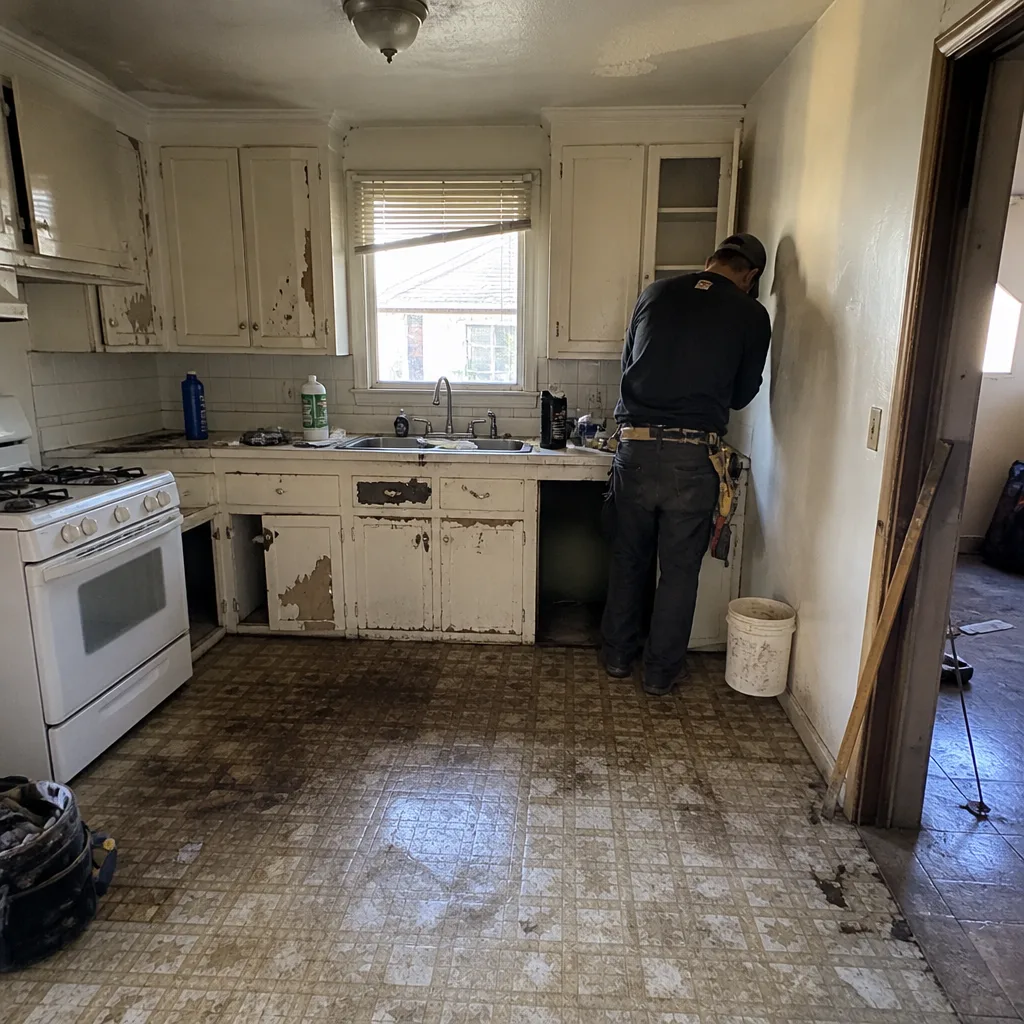 Before
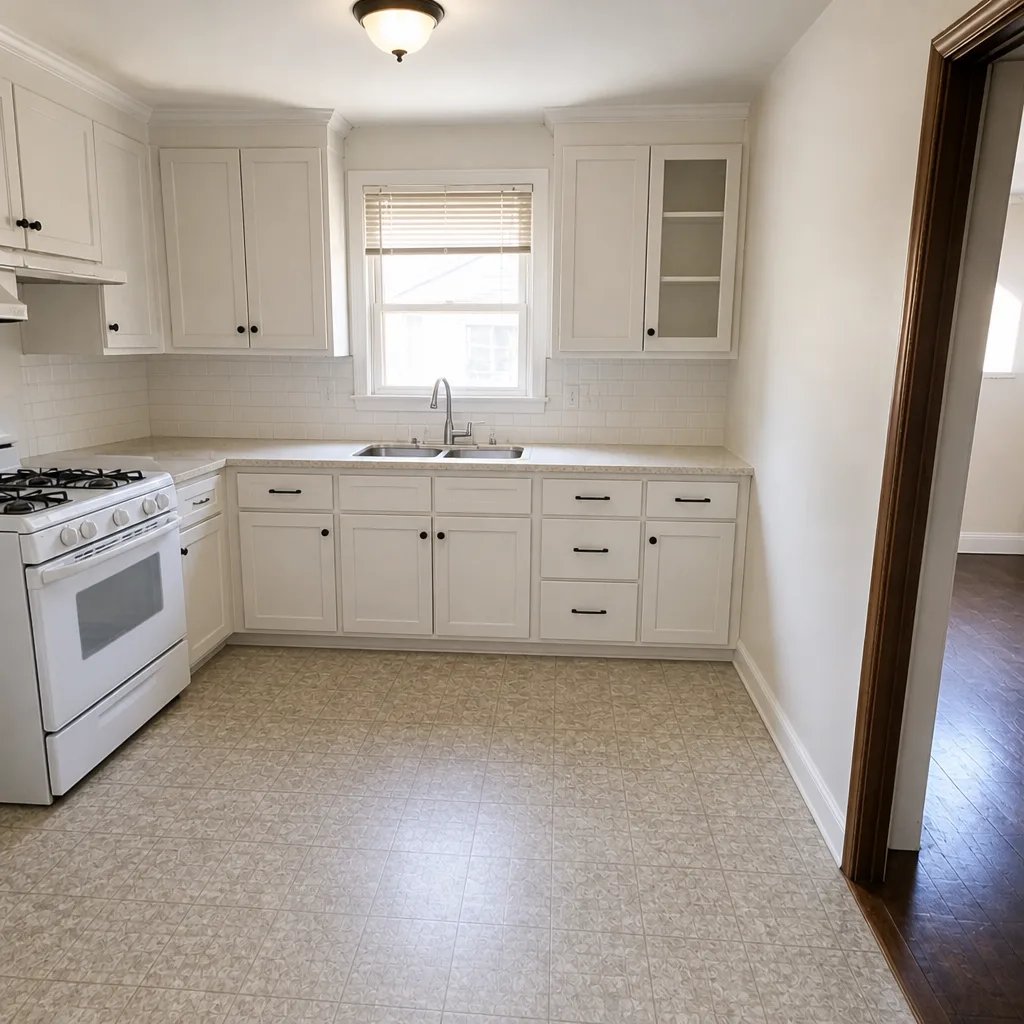 After
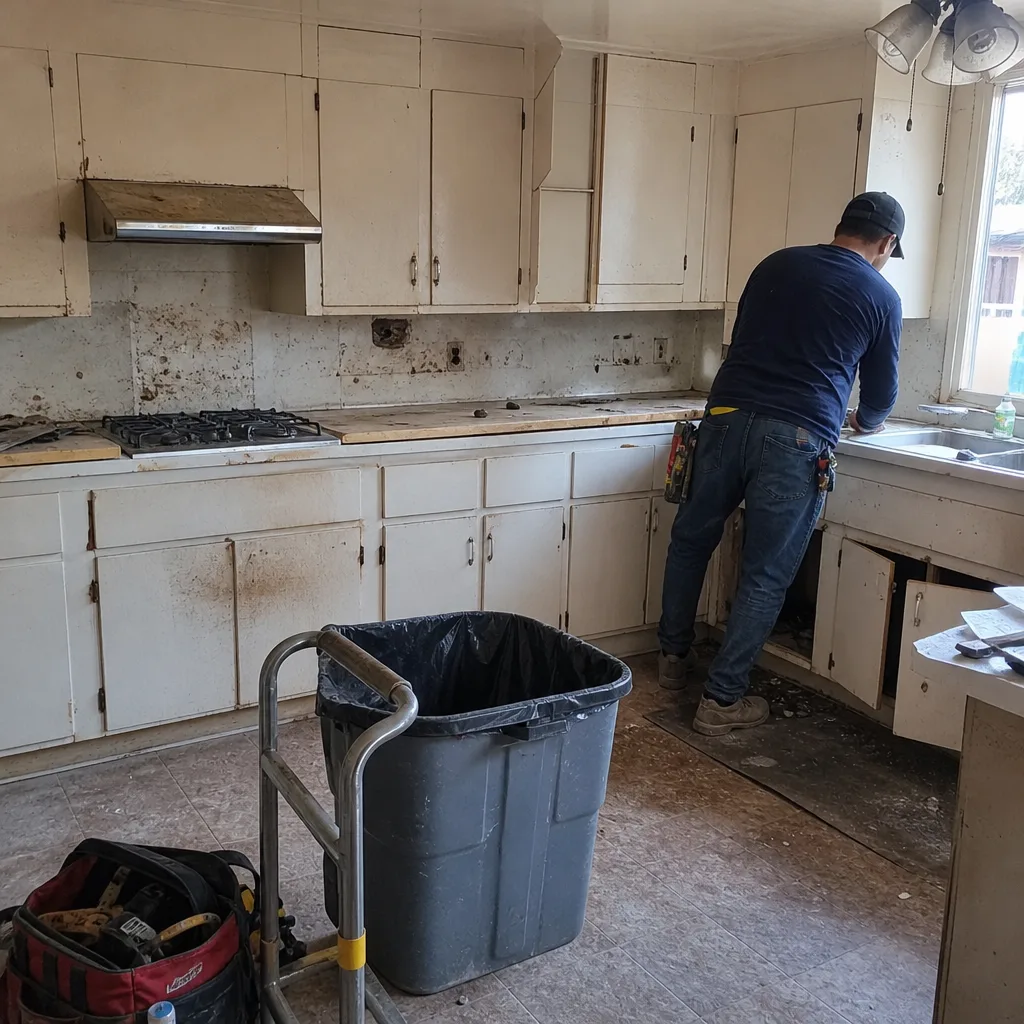 Before
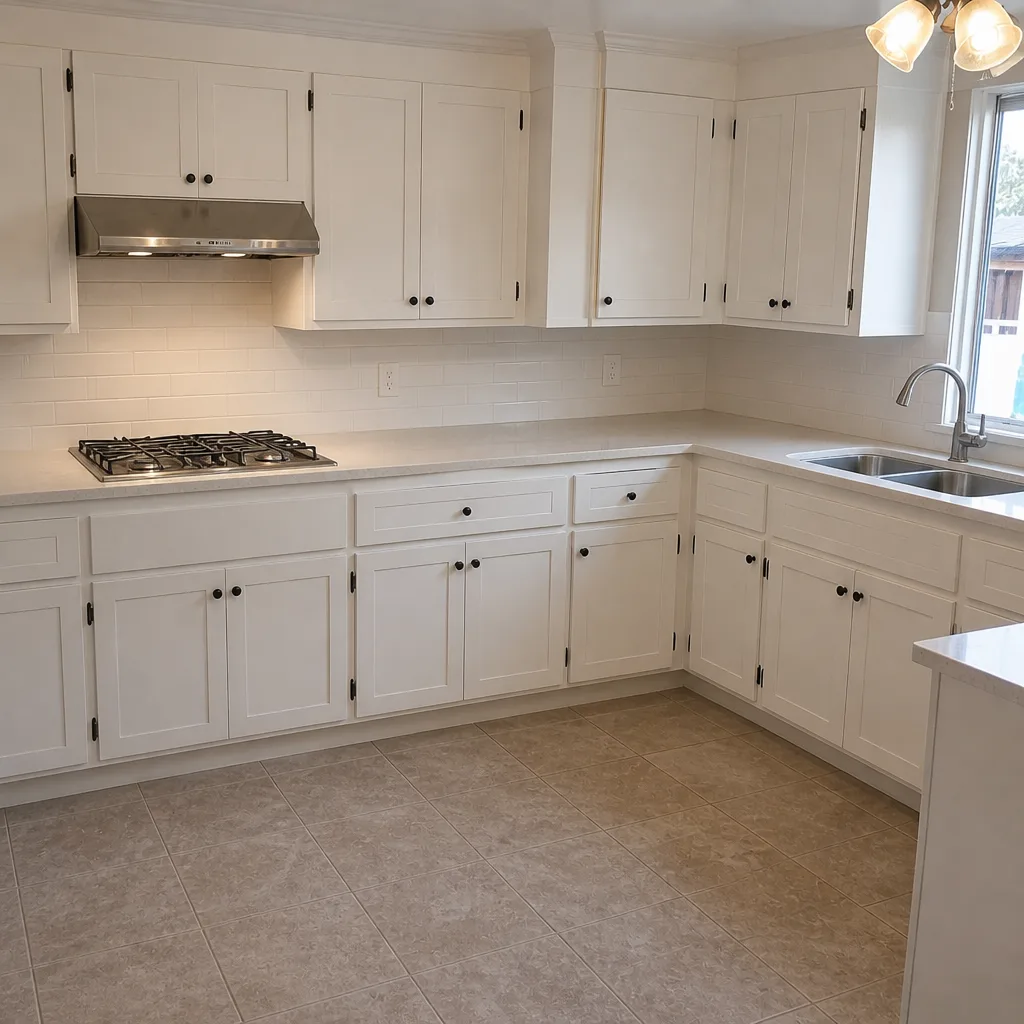 After
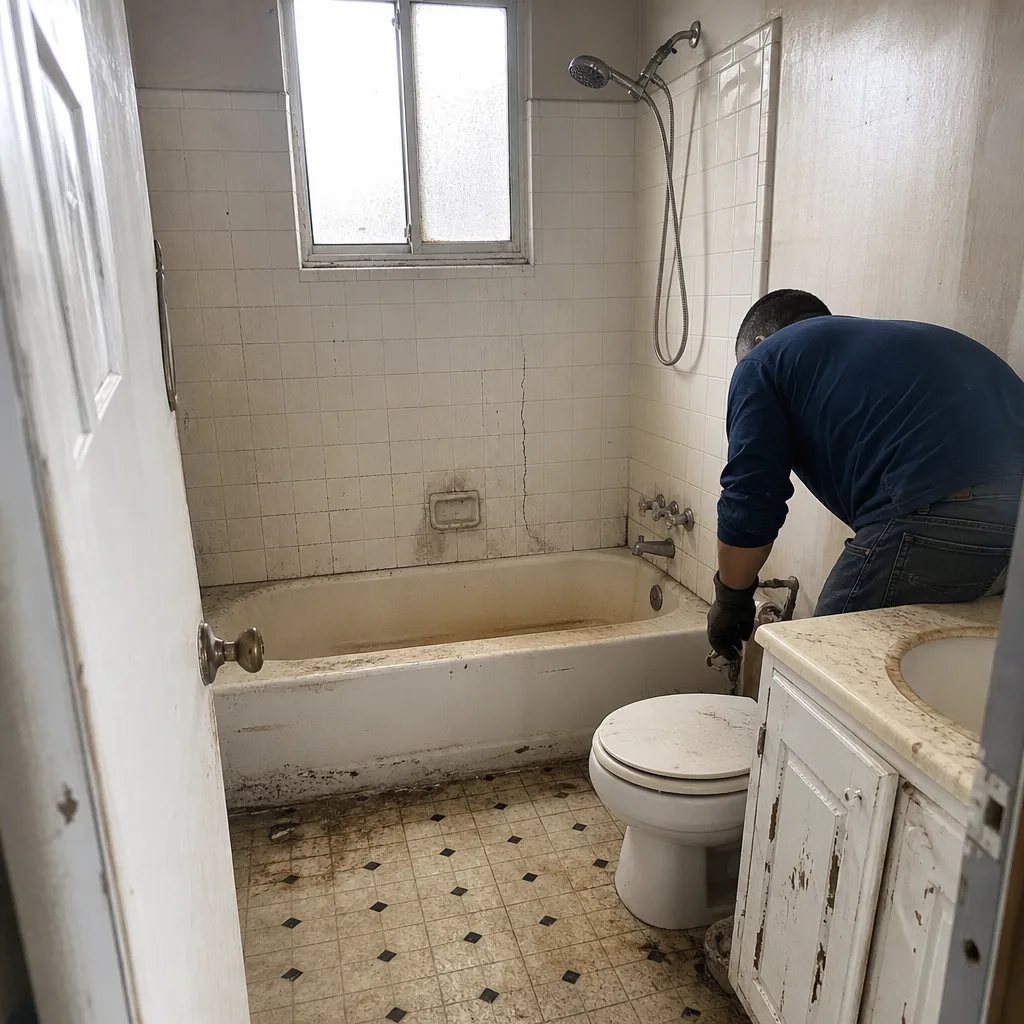 Before
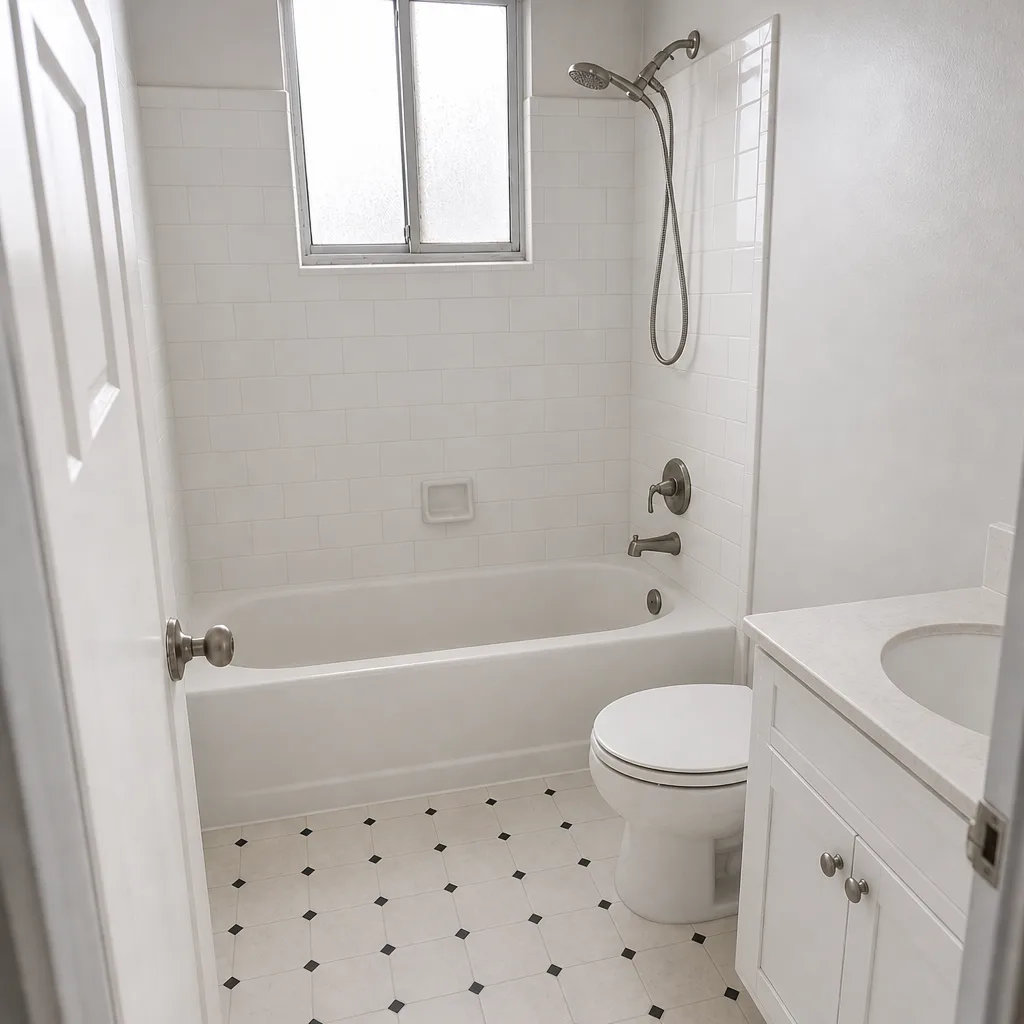 After
What La Habra Homes Specifically Do to This Job
La Habra’s housing stock is mostly 1940s – 1970s single-family stucco homes on small, fully built-out lots, and that shaped shape the fence work we do here more than anything else. When lots are already subdivided tight against the property line, there’s rarely room to overrun into a neighbor’s yard during install, so post spacing, auger access, and gate swing need to be worked out before we dig. Near the Puente Hills foothills, slopes and rocky soil slow footing work and occasionally require a retaining-wall conversation before a fence line makes sense.
For the fence itself, the practical La Habra issue is removal. Old wood fencing on these lots is often decades old, half-rotten, and sometimes attached to retaining walls or landscaping that has to be preserved. We handle removal as its own line item so nothing gets buried in the numbers. Homeowners here also commonly pair fence work with Door Installation in La Habra when they’re tightening up the property edges at the same time, or with ADU Site Prep & Utilities in La Habra when a new backyard fence line is going in ahead of a garage conversion or ADU build. When you’re ready to think about the whole yard perimeter and not just chain link, we cover that as part of Fence Installation in La Habra. If you’re mapping the wider project, our Fence Installation service page shows how fencing fits alongside grading, drainage, and utility work. We serve the full range of La Habra addresses across ZIP codes 90631, 90632, and 90633.
Serving La Habra, CA – Our Local Coverage Area
We serve La Habra and nearby communities. Use the map below to see the area we cover. If you’re nearby, we can almost certainly help.
Frequently Asked Questions About Chain Link Fence in La Habra

Most residential chain link fences in La Habra take two to four days from layout to final walkthrough, assuming a straightforward lot and materials on hand. Sloped or rocky lots, gate-heavy designs, and removal of an old fence push it toward the four-day end. Call (833) 522-5059 for a timeline estimate on your specific lot.
It depends on height and where it sits. Fences at or below certain heights on residential property often don’t require a permit, but fences above that threshold, or ones near a slope or property line issue, can trigger review. We assess this at the walkthrough and tell you honestly whether a permit applies before we start. Rates and rules here are governed by Orange County and La Habra’s own municipal code. Call (833) 522-5059 and we’ll walk you through it.
It shouldn’t, and on our jobs it doesn’t. Our written estimate locks in the footage, gauge, height, and gate count before the first post hole is dug. The one honest exception: if we hit buried utilities, unexpected rock, or a property line dispute that changes the layout, we stop and talk to you before touching the plan. That’s in writing. Upfront pricing, no surprises.
The installed range for a residential chain link fence in La Habra is $3,500 – $9,000. A short flat backyard run near the bottom; a full perimeter with gates on a sloped lot near the top. Call (833) 522-5059 for a written estimate on your property; estimates are free.
Every chain link fence we install is covered by our 730-Day Done Right Promise. If a post shifts, a gate sags, or a run comes up short of the spec we wrote, we make it right within that window. That covers workmanship; materials carry the manufacturer’s own warranty in addition. Call (833) 522-5059 to get your estimate on file.
Get a Free Chain Link Fence Estimate in La Habra
Call (833) 522-5059 and a live person picks up, day or night, and gets you on the schedule for a free on-site estimate. We walk the property line, measure real footage, note slope and access, and hand you a written quote that shows post count, gauge, height, gate hardware, and removal as separate line items. No pressure, no vague numbers. If you’re covering La Habra and ready to price a chain link fence, this is the easiest call you’ll make.
Written by the team at Groundwork Construction Co.