Last updated November 18, 2026


Free written scope consultation - allowances, timeline, and change-order rules on paper before a single trade is scheduled
The Complete Fence Installation Guide for Buena Park Homeowners
More Buena Park fence projects get stopped by a property line dispute than by a failed inspection – and a $200 survey before you dig saves a $4,000 tear-down after. That’s the uncomfortable truth about fencing in a city where lots were platted decades ago, many boundaries were never clearly monumented, and a surprising number of back yards still run fence-to-fence with a neighbor who believes the line sits two feet further than it does. This guide covers the whole project: Buena Park height limits and permit triggers, how to legally establish your property line, how wood, vinyl, and block actually hold up in coastal Orange County air and clay soil, what the HOA approval process really involves, and how California Civil Code 841 governs shared fence costs. By the end you’ll know what to do before the first post hole is dug in Buena Park.
Quick Answer
In Buena Park, most residential fences up to 6 feet tall in a rear or side yard don’t require a building permit, but any fence over 6 feet, any front-yard fence above the height limit for your zone, and any fence in a required setback or sight-distance area does. Before installing, confirm your property line with a licensed surveyor, get written HOA approval if you’re in an association, and understand that California Civil Code 841 makes adjoining homeowners jointly responsible for a boundary fence’s reasonable cost. A survey and a permit check cost a few hundred dollars; skipping them can cost thousands.
Styles & brands we work with
- Kitchen remodeling
- Bathroom remodeling
- Home additions & ADU
- Roofing
- Windows & doors
- Driveway & pavers
- Fence
Table of Contents
- Buena Park fence height limits and setback rules by zone
- What triggers a fence permit in Buena Park – and what’s exempt
- How to legally establish your property line before you dig
- What to do when a neighbor disputes the boundary
- Material performance in Buena Park’s coastal climate and clay soil
- HOA fence approval: process, turnaround, and the cost of skipping it
- California Civil Code 841 and splitting shared fence costs
- What a proper fence installation actually involves
Buena Park Fence Height Limits and Setback Rules by Zone
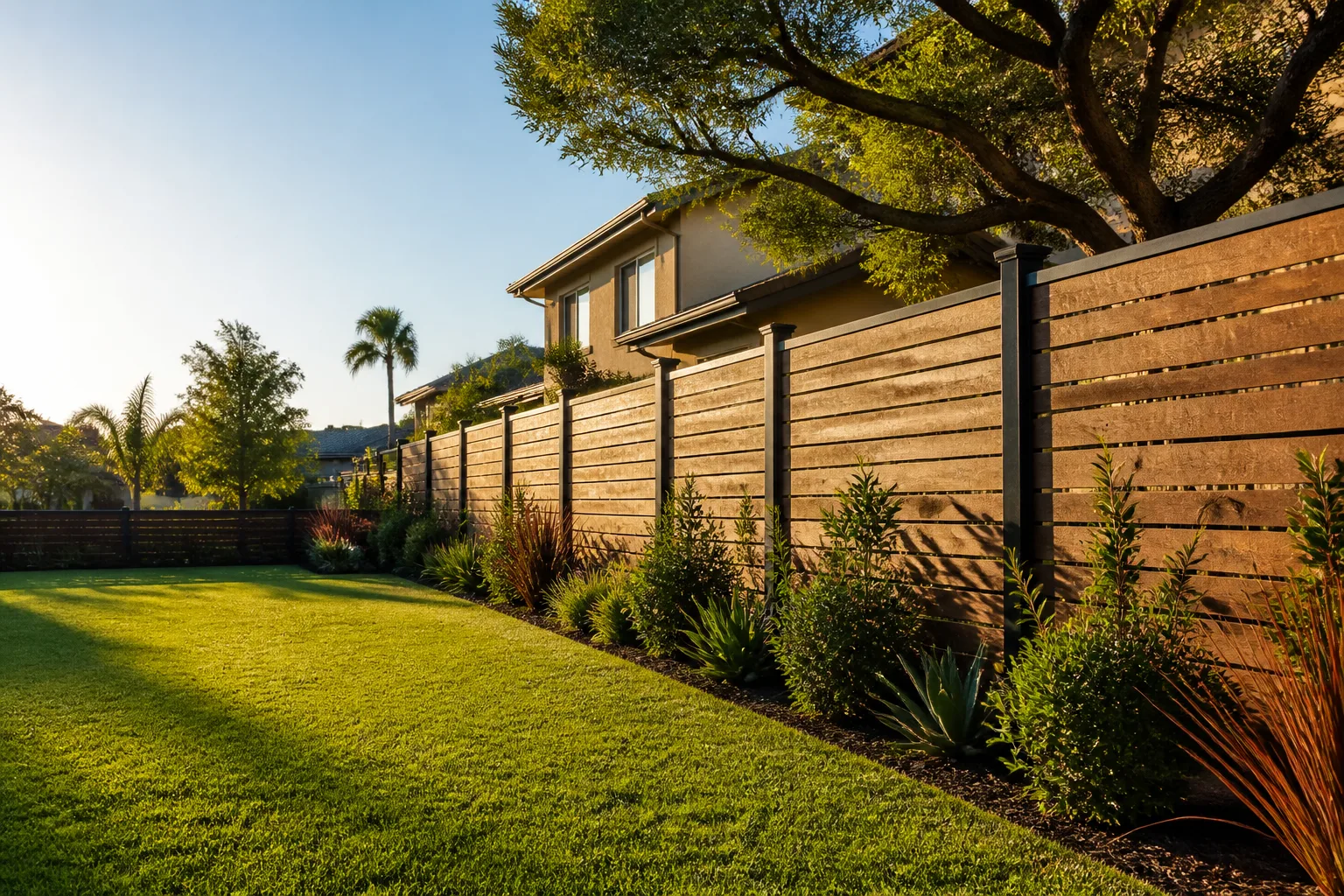
Height rules in Buena Park follow the standard California residential pattern, applied through the city’s zoning ordinance: fences in rear and side yards are generally capped at 6 feet, while front-yard fences are held to a lower limit – typically 3 to 4 feet – unless they’re set back behind the front building line or kept partially open (wrought iron, picket, or similar see-through designs). Corner lots carry extra restrictions because of sight-distance triangles at intersections, where nothing tall can block a driver’s view.
Setbacks matter as much as height. In most Buena Park single-family zones, a fence can sit on or near the property line in the rear yard, but front-yard fences often have to sit behind a required setback line, and in some cases a solid fence in front of the house needs a conditional use permit or design review. The rules can differ block to block depending on whether you’re in a traditional single-family tract, a Planned Unit Development, or near a commercial corridor along Beach Boulevard or La Palma Avenue.
Here’s the practical breakdown of how Buena Park commonly treats fence height by location:
- Rear yard: up to 6 feet, generally no permit, no setback from the rear property line in most single-family zones.
- Interior side yard: up to 6 feet, generally allowed along the property line.
- Street-side side yard (corner lots): often limited to 3-4 feet or required to be see-through to preserve sight lines.
- Front yard: typically 3-4 feet maximum, with some zones requiring a setback behind the front building line for anything taller.
- Sight-distance triangle at corners: height limited near intersections regardless of yard.
Because the exact numbers depend on your specific parcel’s zoning designation, the safest move is to pull your property’s zoning from the city before you order materials. A fence built 6 inches too tall in a front yard is a correction order waiting to happen, and correcting it means tearing out finished work.
What Triggers a Fence Permit in Buena Park – and What’s Exempt
Most standard residential fences in Buena Park don’t require a building permit. A 6-foot wood or vinyl privacy fence in a rear or side yard, built on your own property and within the height limit, is usually exempt. What trips people up is the exceptions – the projects that look routine but aren’t exempt at all.
A Buena Park fence typically requires a permit, plan review, or at minimum a zoning clearance when it involves any of the following:
- Height over 6 feet. Anything taller than the residential cap needs approval, and very tall fences (8 feet and up) can trigger structural review for wind and seismic loading.
- Front-yard fences above the limit. A solid front-yard fence over the allowed height usually needs a variance or design review.
- Fences in a required setback or sight-distance area. Corner-lot sight triangles and front setbacks are enforced.
- Retaining walls combined with fencing. A wall that holds back soil over a certain height is a separate structure with its own permit threshold, and a fence on top of it needs engineering.
- Block or masonry walls. Structural masonry fences often require permits and inspection regardless of height.
- Fences near pools. Pool safety barriers have their own code requirements that override standard fence rules.
If you’re hiring a contractor, permit responsibility should be spelled out in writing before work starts. The local pro we connect Buena Park homeowners with pulls the permits that apply to the job and builds to the approved plan. If a bidder waves off permits with “you don’t need one for a fence,” ask them to put that in writing with the code citation. It’s a small test that separates the pros from the guessers.
How to Legally Establish Your Property Line Before You Dig
This is the step almost everyone skips, and it’s the one that saves the most money. A fence built even a foot onto a neighbor’s property is a trespass, and in the worst case the neighbor can demand you remove it – at your cost – even years after it’s installed. In Buena Park, where many lots date to mid-century tract development and original monuments have been buried, moved, or lost, old fence lines are not reliable property lines.
Here’s the sequence that protects you:
- Pull your parcel records. Start with the Orange County Assessor’s parcel map and the recorded deed for your property. These give you the legal description but not a physical location.
- Hire a licensed land surveyor. A boundary survey locates your corners on the ground and produces a plat you can hand to a contractor and a neighbor. In Buena Park this typically runs a few hundred to around a thousand dollars depending on lot complexity.
- Mark and photograph the corners. Once the surveyor sets or recovers monuments, photograph them and stake the intended fence line before construction.
- Talk to your neighbor before the stakes go in. A five-minute conversation with a copy of the survey prevents most disputes. Bring the plat, not an argument.
- Build slightly inside your line. Setting the fence a few inches inside your own boundary avoids encroachment issues and leaves room for maintenance.
The math is simple. A survey costs a fraction of what a contested fence costs, and it converts a shouting match into a document. If your neighbor insists the line is somewhere else, the survey is the neutral third party that settles it without either of you needing to be right.
What to Do When a Neighbor Disputes the Boundary
Disputes happen, and they don’t have to become lawsuits. The key is knowing the order of escalation and staying documented at every step. If a neighbor claims your new fence sits on their land, the first move is to share the survey – calmly, in person, with the plat in hand. Most disputes end there because the survey is authoritative and the neighbor was working from memory, not records.
If the conversation stalls, the next step is a written notice. Send a short, dated letter (or email) describing the boundary as surveyed, attaching the plat, and proposing a specific resolution – a joint walk of the line with both surveys, a licensed surveyor’s re-confirmation, or a small adjustment. Keep copies of everything. A paper trail that shows you acted in good faith matters if the issue ever reaches mediation or small claims court.
When a neighbor’s fence already encroaches on your property, you have options short of removal: a written encroachment agreement that acknowledges the fence and protects both parties if the property is sold, or, if the encroachment is significant, a boundary line adjustment through the city. In our experience, the disputes that get expensive are the ones where neither side put anything in writing until the relationship had already soured. Document early, stay civil, and let the survey do the arguing.
Material Performance in Buena Park’s Coastal Climate and Clay Soil
Buena Park sits a few miles inland from the coast, which means it gets a moderate marine influence – morning marine layer, higher humidity than inland Riverside County, and salt air on the breeze – without the constant fog of Huntington Beach. That climate profile changes how each fencing material ages, and it’s the single biggest factor most material comparisons ignore.
Wood
Wood is the traditional Buena Park choice and still the most common fence material in the city’s older neighborhoods. The problem is rot. Even with pressure treatment, wood fence posts in Buena Park soil see moisture from irrigation, marine humidity, and winter rain, and untreated or under-treated posts can begin to fail at the base in 10 to 15 years. Cedar and higher-grade pressure-treated lumber hold up better; economy pine from a big-box store often doesn’t. A quality wood fence with proper post footings and post caps typically lasts 15 to 20 years, less if the posts weren’t set correctly.
Vinyl
Vinyl fencing handles Buena Park’s humidity better than wood because it doesn’t rot, but UV is its enemy. The inland marine-layer climate still delivers strong summer sun, and low-grade vinyl chalks, yellows, and becomes brittle over time. Premium vinyl from a manufacturer like Barrette holds color and flexibility far better than bargain panels. Expect 20 to 30 years from quality vinyl with UV stabilizers, and considerably less from the cheapest product on the shelf. Vinyl also needs to be installed with the manufacturer’s post spacing – over-spanning in high-wind exposure leads to sagging panels.
Block and Masonry
Buena Park’s clay soil is the headline issue for block walls. Expansive clay swells and shrinks with seasonal moisture, and a block wall built on a shallow footing in that soil will crack. A properly engineered block wall needs a reinforced footing sized for the soil and drainage behind the wall to manage water. Done right, block lasts decades and is the most durable option in the city – done cheaply, it’s the fastest way to a cracked, leaning wall. If you want the permanence of block, the engineering matters more than the block itself.
Ornamental Metal
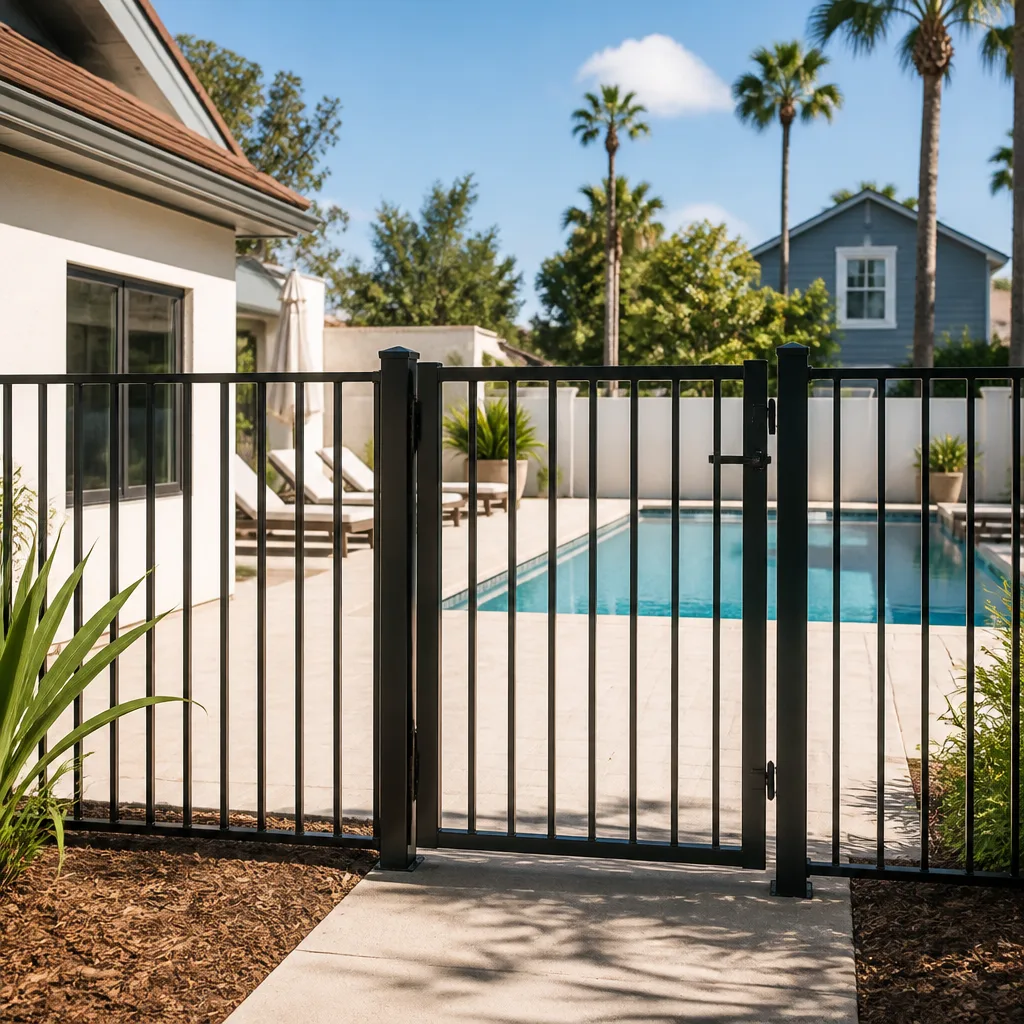
Wrought iron and aluminum fences from a manufacturer like Master Halco resist rot and UV entirely and are common along Buena Park front yards where a see-through fence keeps sight lines open. The trade-off is rust at welds and coatings in salt air, so powder-coated aluminum is the longer-lived choice near the coast.
HOA Fence Approval: Process, Turnaround, and the Cost of Skipping It
Buena Park has a meaningful number of planned communities and HOA-governed tracts, and an HOA can override the city’s rules entirely – a fence that’s perfectly legal under Buena Park zoning can still be rejected by your association. Common HOA restrictions include approved materials and colors (often a specific wood tone or a uniform vinyl color), matching the neighbor’s fence style on shared lines, maximum heights below the city cap, and prohibition of certain styles visible from the street.
The approval process usually looks like this:
- Read the CC&Rs and architectural guidelines. They spell out approved materials, colors, heights, and whether a survey or site plan is required.
- Submit an architectural request. Most HOAs require a form, a site plan showing the fence location, material samples or manufacturer spec sheets, and sometimes a photo of the intended style.
- Wait for the architectural committee review. Turnaround varies widely – some Buena Park associations meet monthly and decide in a few weeks; others take 30 to 60 days. Plan for it before you order materials.
- Get written approval before you build. A verbal “sure, go ahead” from a board member is not approval. Get it in writing and keep it.
- Keep proof of approval after installation. If you sell, the next owner’s disclosure package needs it, and a missing approval can complicate a closing.
Installing without HOA approval is a real risk. The association can require you to remove or restain the fence at your cost, and in some cases assess fines. The fix is straightforward: submit the paperwork early, use an approved material, and let the approval run its course while you finalize the design.
California Civil Code 841 and Splitting Shared Fence Costs
California Civil Code 841 governs fences on property boundaries. The core rule: adjoining landowners are mutually responsible for the reasonable cost of a boundary fence that benefits both properties – construction, maintenance, and repair. If one owner builds a boundary fence that the neighbor also benefits from, the neighbor can be asked to share the reasonable cost. If the fence falls into disrepair, both owners can be responsible for fixing it.
The law doesn’t set a specific dollar split; “reasonable” is the standard, and in practice most Buena Park neighbors split shared fence costs 50/50. The practical steps to document an agreement:
- Get two or three written bids and share them with the neighbor so the cost is transparent, not a number you made up.
- Agree in writing before work starts. A short signed note that states the fence location, material, total cost, and each party’s share is enough to prevent most disputes.
- Photograph the existing fence and the line before demolition, especially if the old fence is in poor condition and the neighbor disputes that it needs replacing.
- Keep receipts and proof of payment. If the neighbor later refuses to pay their share, documented costs are what a small claims court will look at.
How to approach the conversation matters as much as the law. Neighbors respond better to “here are three bids, here’s the survey, here’s what I’d propose we split” than to a demand. Civil Code 841 gives you the legal footing, but a calm, documented conversation is what actually gets the fence built. If a neighbor flatly refuses to share, you can still build on your own side of the line and pay for it yourself – and you keep the right to seek contribution later.
What a Proper Fence Installation Actually Involves
Once the legal and approval work is done, the construction itself should follow a clear sequence. A pro who skips steps or rushes the footings is where most fence failures start, especially in Buena Park’s clay soil. Here’s the process a quality installation follows:
- Locate underground utilities. Call 811 before digging – free, required, and it prevents hitting gas, water, or electrical lines.
- Stake the surveyed line. Set string lines along the surveyor’s marks, not the old fence line.
- Dig post holes to depth and bell them at the base. Posts need to sit below the frost-free depth for stability, and a bell-shaped footing resists uplift in expansive clay.
- Set posts in concrete and check plumb and spacing. Post spacing follows the manufacturer’s spec – over-spanned posts sag and lean.
- Install rails, pickets, or panels, then cap posts. Post caps shed water and extend post life in Buena Park’s humid marine air.
- Finish the gate and hardware, then clean up. A gate that drags or won’t latch is a sign the posts weren’t set right.
On a typical Buena Park lot, a standard privacy fence takes one to three days depending on length, material, and site access. If you’re planning a larger outdoor project alongside the fence – a new driveway, a patio, or an ADU – sequencing matters. Fences often go in after hardscape and before landscaping, and coordinating the trades under one contractor saves the hassle of re-doing finished work. If you’re adding a structure, our Home Additions & ADU in Buena Park team can coordinate the fence and hardscape around the build.
Common Mistakes to Avoid
- Building on the old fence line without a survey. Original fence lines drift over decades, and in Buena Park’s older tracts an old line can be a foot or more off the legal boundary. Survey first, always.
- Assuming a 6-foot fence never needs approval. In front yards and sight-distance areas, 6 feet is over the limit. Check your zone before you order panels.
- Skipping HOA approval because the city allows it. Your association can require removal at your cost even when the fence is legal under Buena Park zoning.
- Setting posts too shallow or without proper footings. Expansive Buena Park clay moves with the seasons, and shallow posts lean within a few years.
- Choosing material by price alone. Cheap vinyl chalks and cracks in UV; economy wood rots at the base. Buy the grade that suits the climate.
- Not putting a shared-cost agreement in writing. Civil Code 841 gives you rights, but undocumented costs are hard to recover.
- Forgetting utility locating. Digging into a gas or irrigation line turns a weekend project into an emergency. Call 811 first.
See the difference
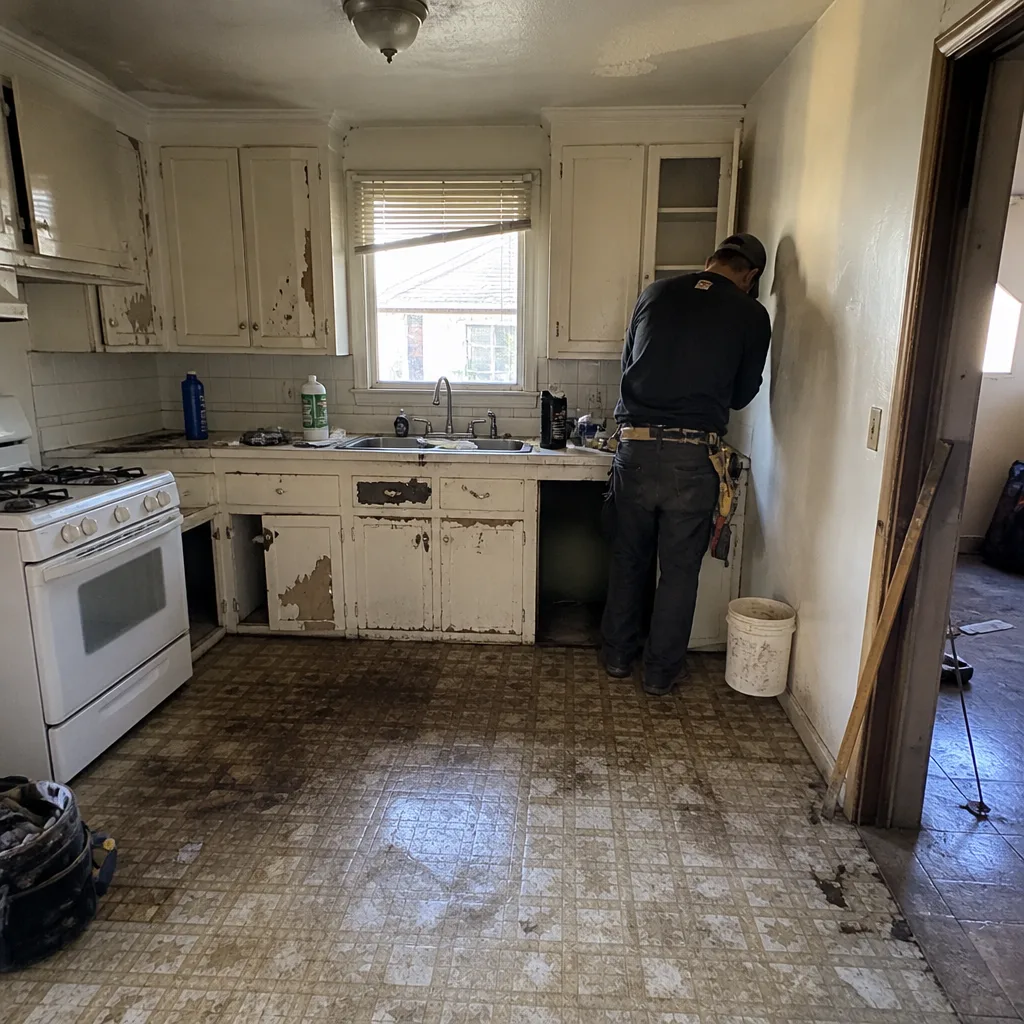 Before
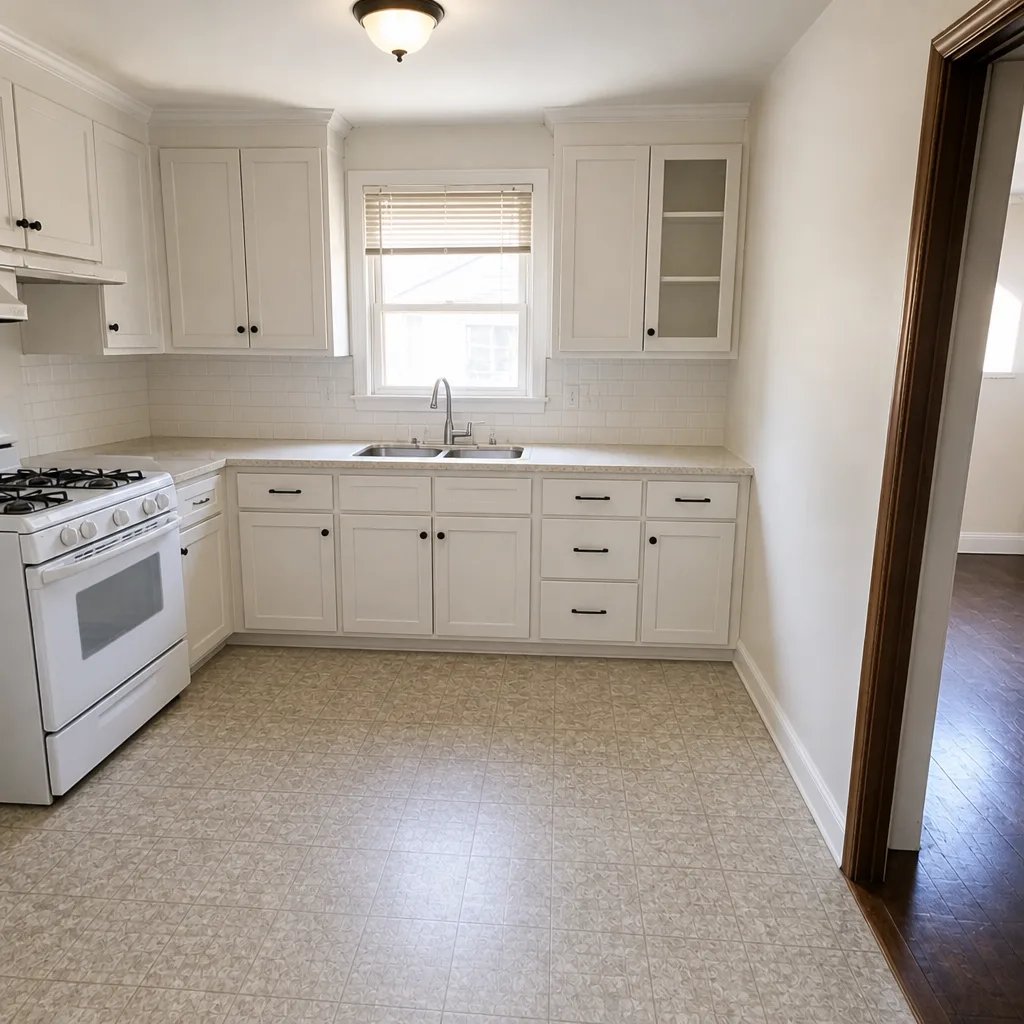 After
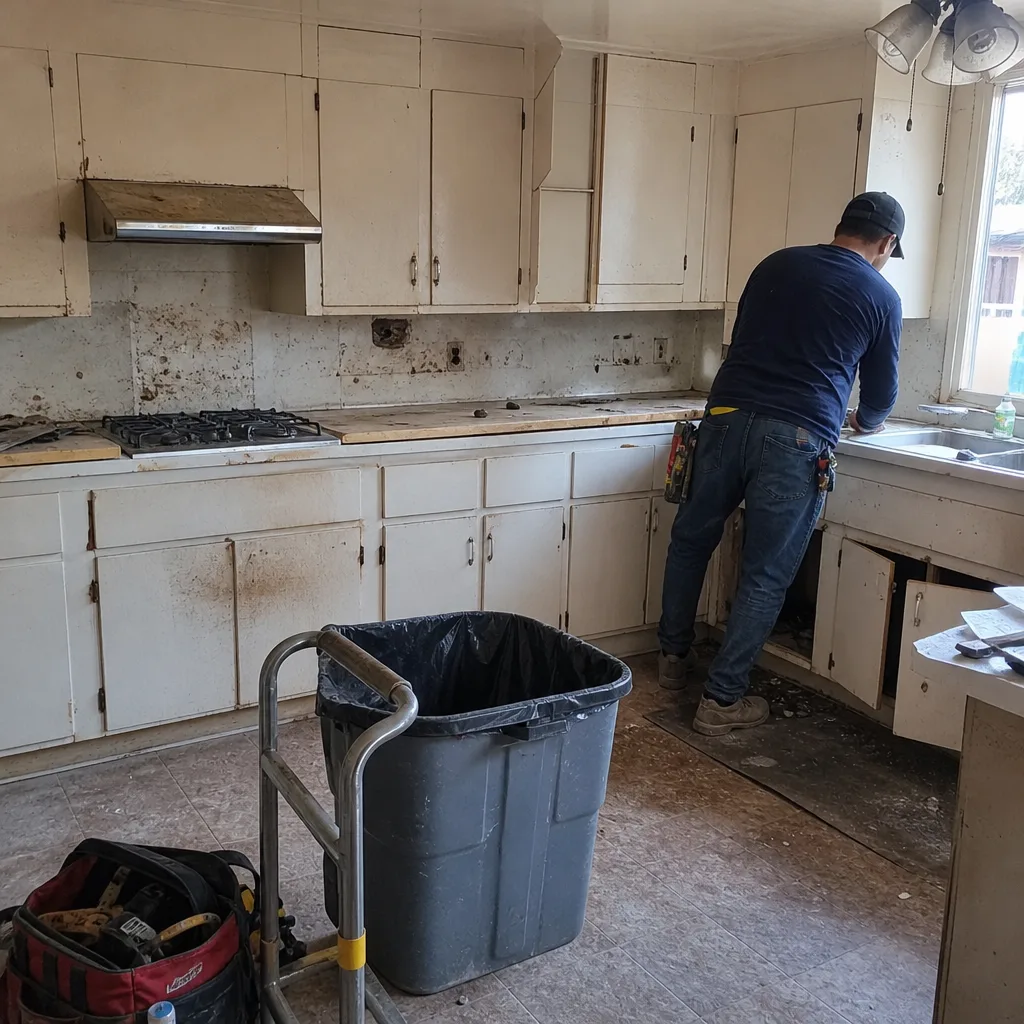 Before
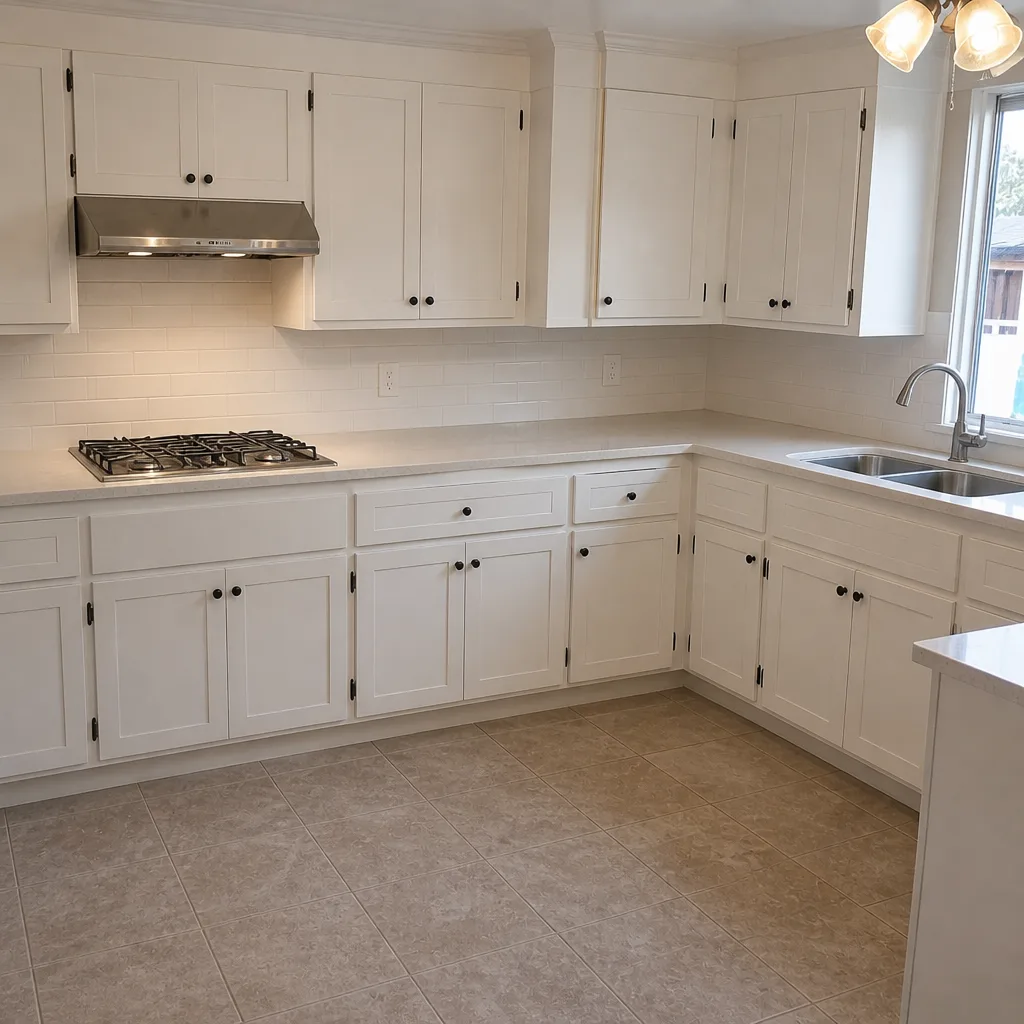 After
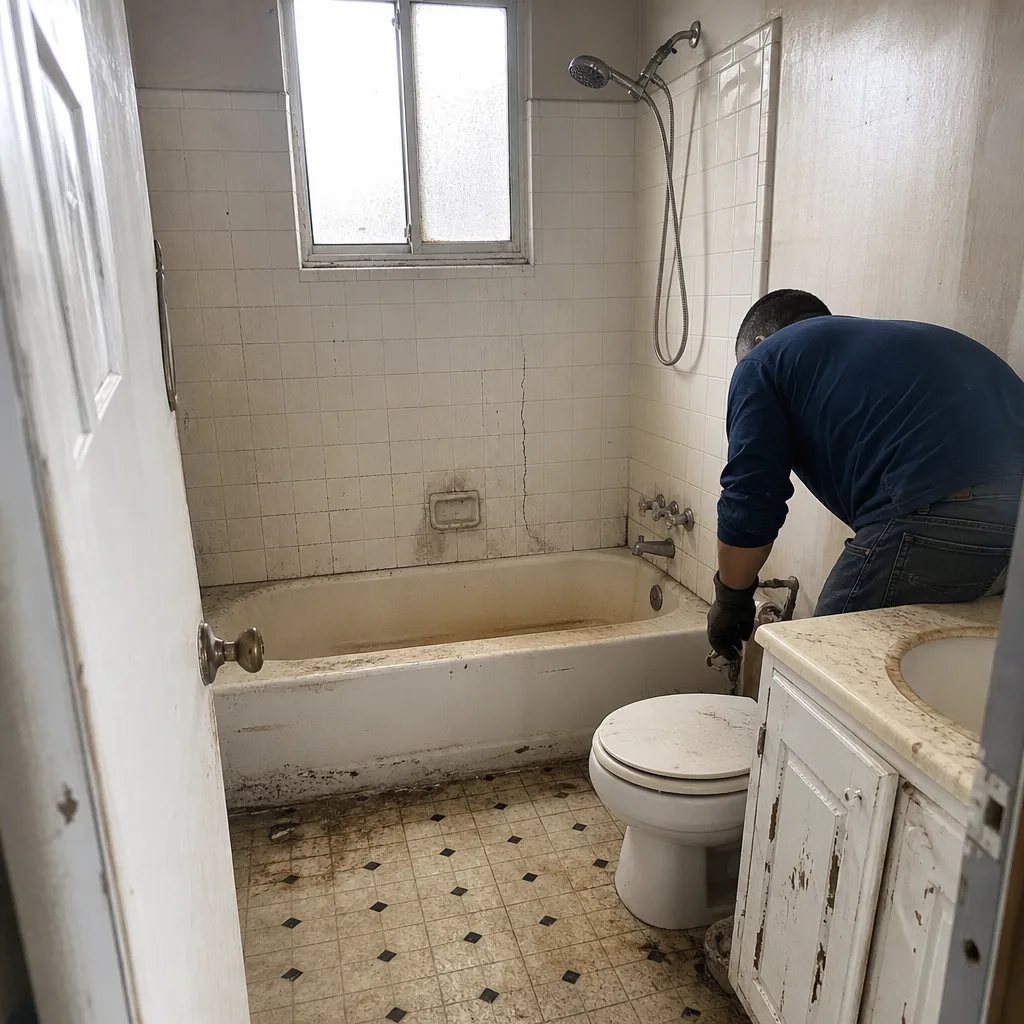 Before
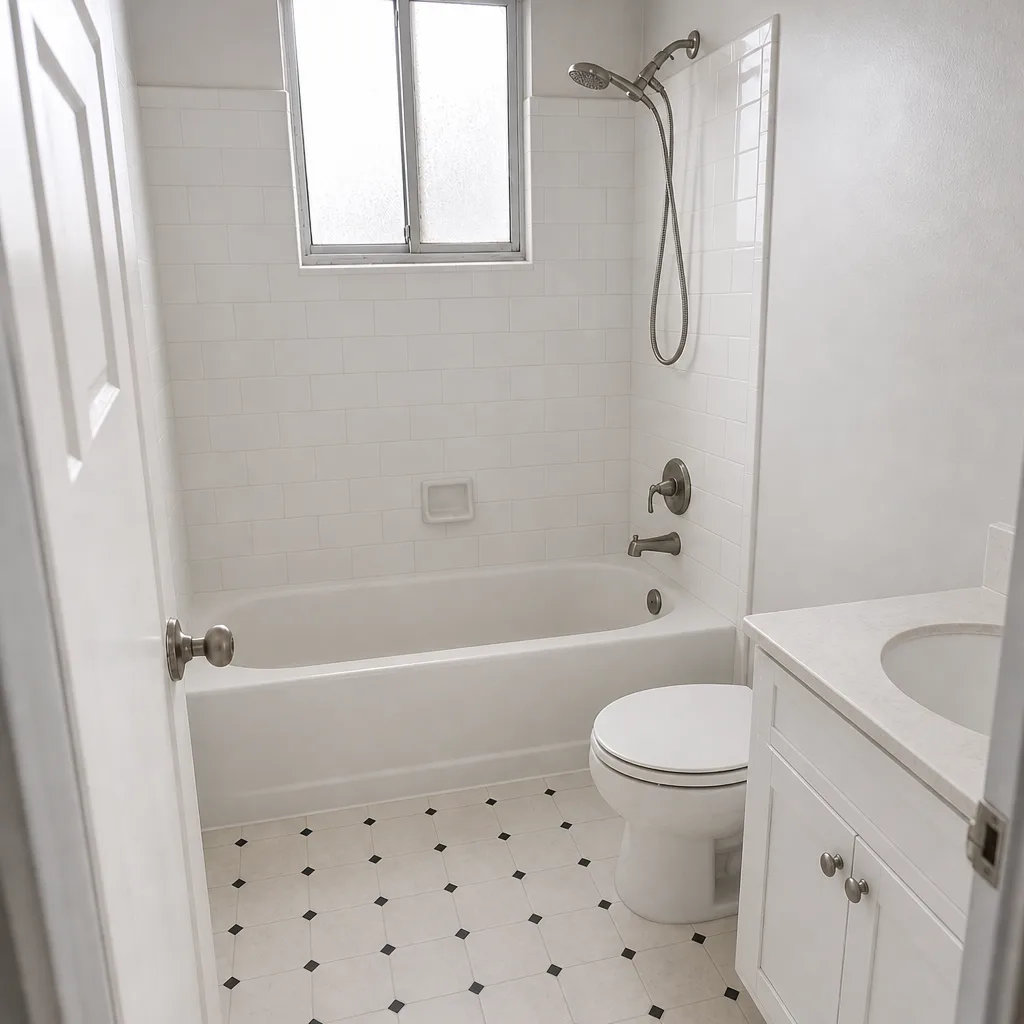 After
When to Call a Professional
Some fence jobs are genuinely DIY – a short picket run in a back corner, a repair to one panel. But plenty aren’t. Call a pro when the fence is over 6 feet, when it’s block or masonry, when it sits on a slope or in clay soil that needs engineered footings, when permits or an HOA approval are involved, when a boundary is in question, or when the fence is a shared boundary with a neighbor and you need documented, defensible work. A proper installation also protects you at resale: most buyers and inspectors want to see that the fence was built to code and with proper footings. The local pro we connect Buena Park homeowners with is licensed and insured as California requires, pulls the applicable permits, and builds to an approved plan. Groundwork Construction Co. of Buena Park offers free estimates in Buena Park – call (833) 522-5059 to schedule yours.
Frequently Asked Questions
Usually not, if it’s a standard 6-foot-or-under fence in a rear or side yard and not in a required setback. You do typically need a permit, zoning clearance, or design review for fences over 6 feet, front-yard fences above the height limit, block walls, retaining-wall combinations, and fences in sight-distance areas. Call (833) 522-5059 to get a free estimate and a fix on the permit path for your project.
Expect roughly $2,500 to $6,500 for a typical Buena Park residential privacy fence, with wood starting lower and block or premium vinyl running higher. The biggest cost variables are material, length, footing depth in clay soil, and whether permits or HOA approval are needed. Call (833) 522-5059 for an exact quote – estimates are free.
Under California Civil Code 841, adjoining homeowners are jointly responsible for the reasonable cost of a boundary fence, typically split 50/50. Share written bids with the neighbor and document the agreement before work starts. Call (833) 522-5059 if you want a documented, defensible proposal you can bring to your neighbor.
A standard privacy fence on a typical Buena Park lot is usually done in one to three days once materials are on site. Plan extra time for HOA approval, which can take 30 to 60 days, and for permits if your fence needs one. Call (833) 522-5059 to schedule a free estimate and a realistic timeline.
It shouldn’t. With upfront pricing, the number in your written estimate is the number you pay – no change-order surprises after the posts are in. Make sure the bid spells out footing depth, material grade, gate hardware, and cleanup so nothing gets added later. Call (833) 522-5059 for an upfront, itemized quote.
Premium vinyl from a manufacturer like Barrette is the longest-lived low-maintenance choice in Buena Park’s humid marine air, while cedar or high-grade pressure-treated wood is the traditional option and block is the most durable when engineered for clay soil. Ornamental aluminum from Master Halco works where a see-through front fence is preferred. Call (833) 522-5059 to compare materials on your lot.
The Bottom Line
The hardest part of a Buena Park fence isn’t the fence – it’s the paperwork, the property line, and the neighbor. Get the survey, check your zone and HOA rules, understand Civil Code 841 before you talk to your neighbor, and match the material to the climate and soil. Do that groundwork first and the construction is the easy part. Groundwork Construction Co. of Buena Park handles the full scope – survey coordination, permitting, HOA paperwork, and installation backed by our 730-Day Done Right Promise, with upfront pricing and no surprises. Our technicians have up to 12 years of experience. Start with a free estimate by calling (833) 522-5059.
If you’re also planning upgrades around the fence, see our Driveway & Pavers in Buena Park service and our Fence Installation in Buena Park page for the full scope, or visit Groundwork Construction Co. of Buena Park home to see every service line.
Written by the team at Groundwork Construction Co. of Buena Park.