Free written scope consultation - allowances, timeline, and change-order rules on paper before a single trade is scheduled
Styles & brands we work with
- Kitchen remodeling
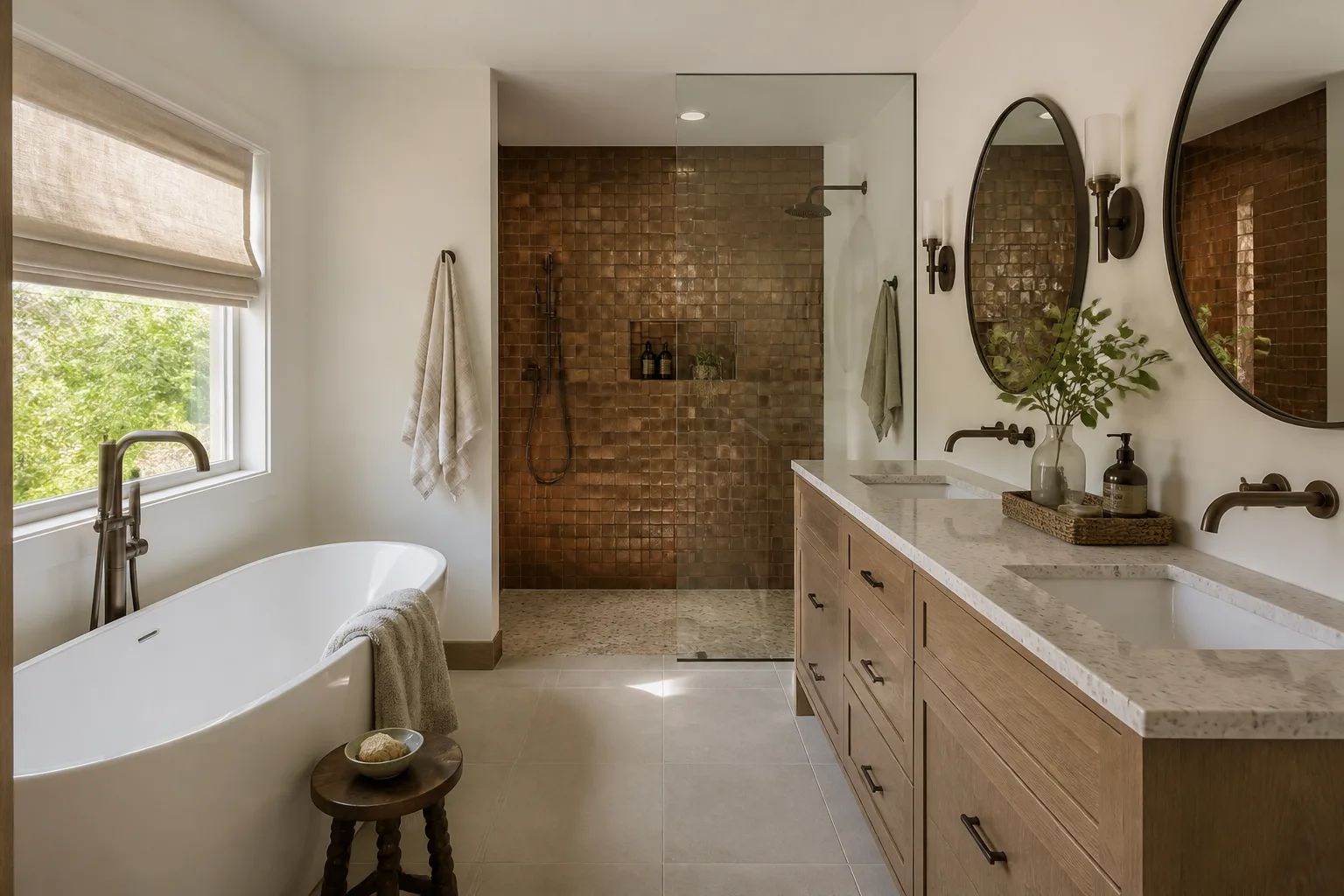
- Bathroom remodeling
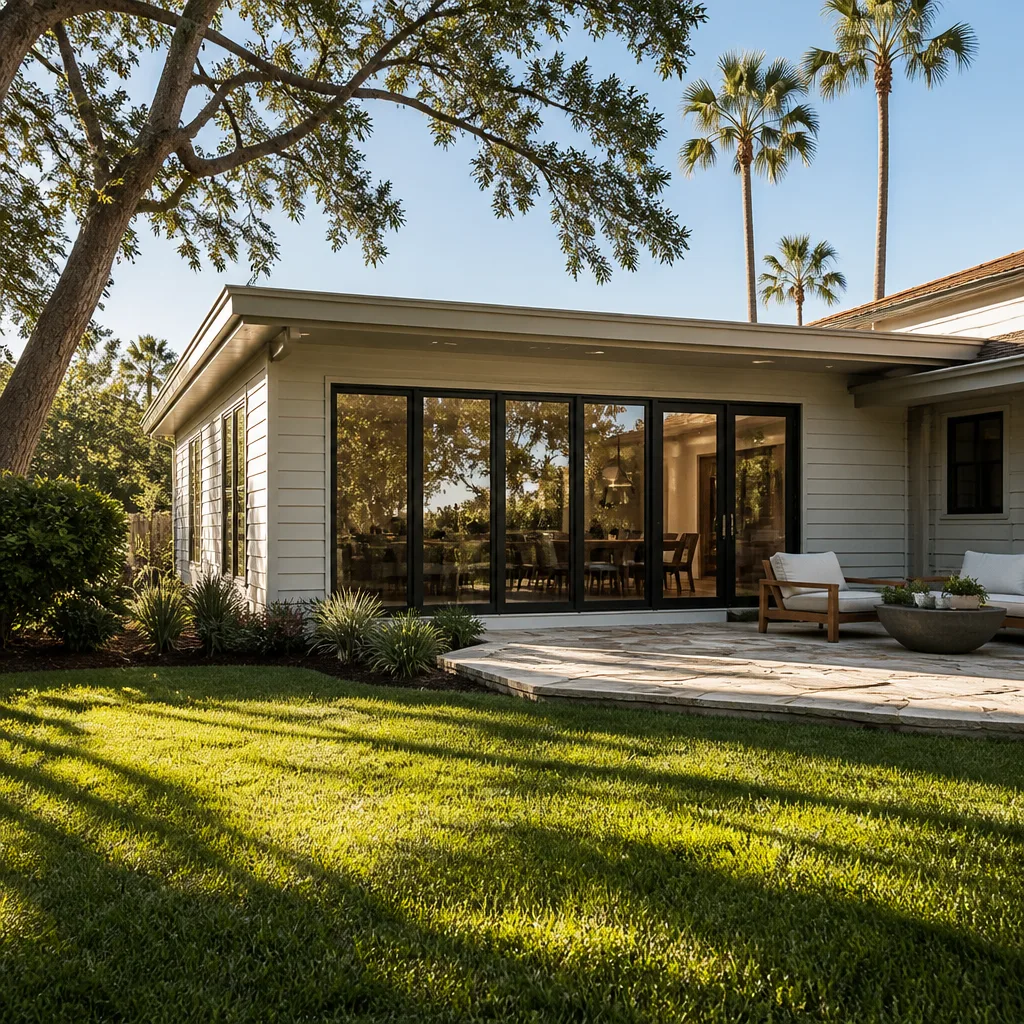
- Home additions & ADU
- Roofing
- Windows & doors
- Driveway & pavers
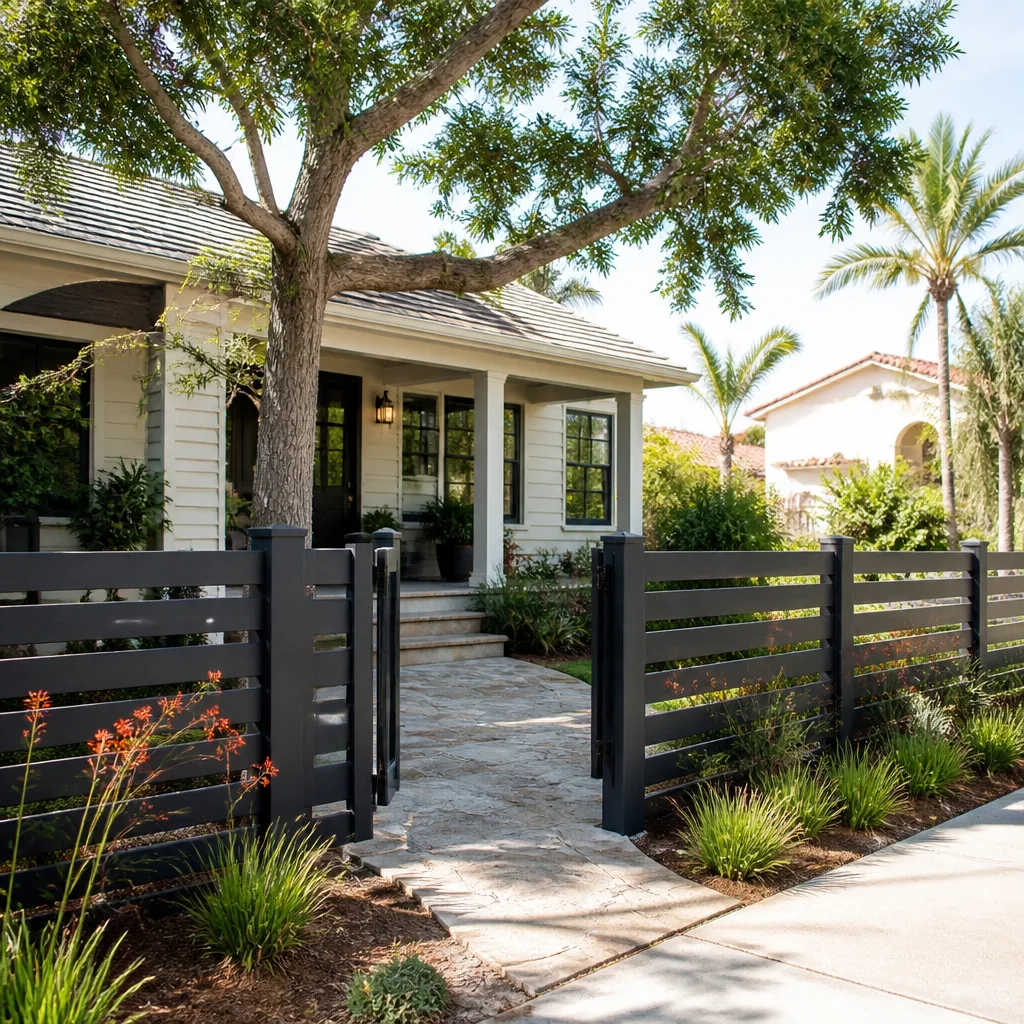
- Fence
See the difference
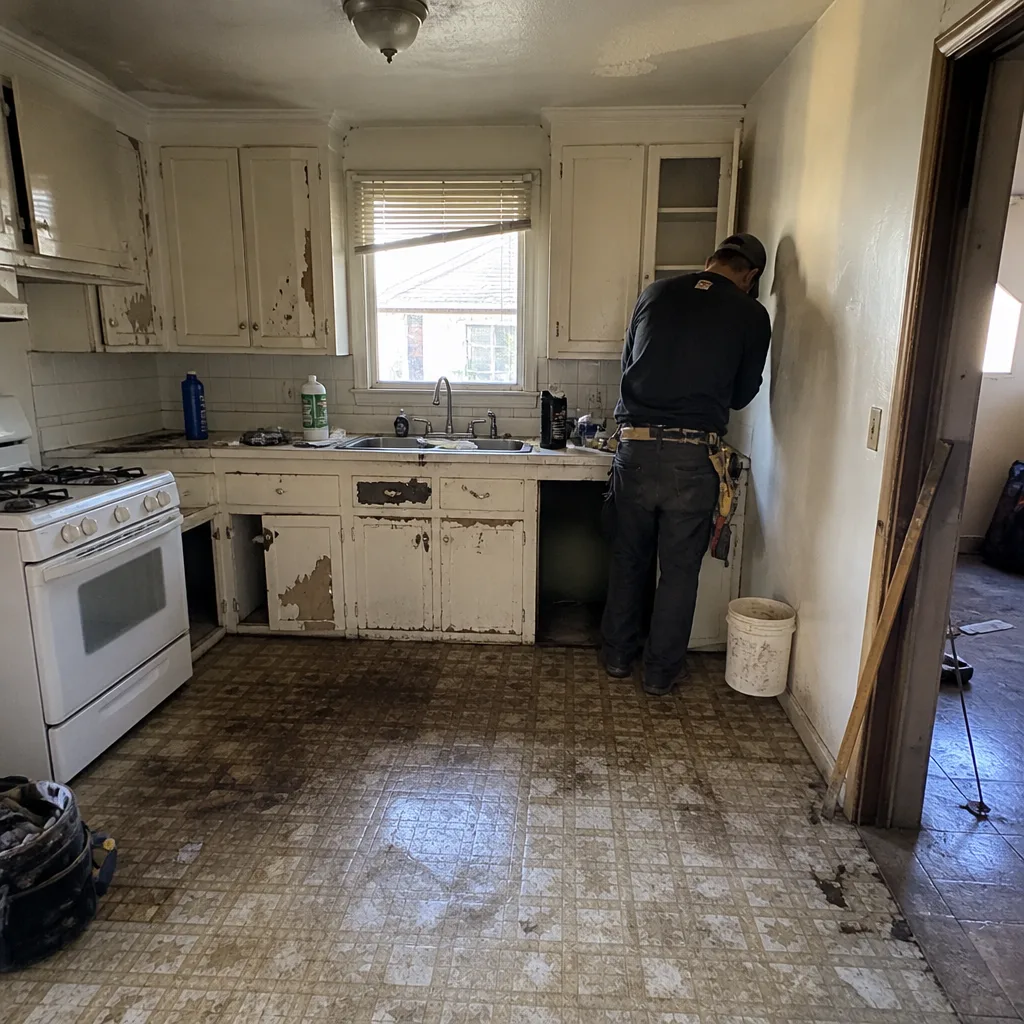 Before
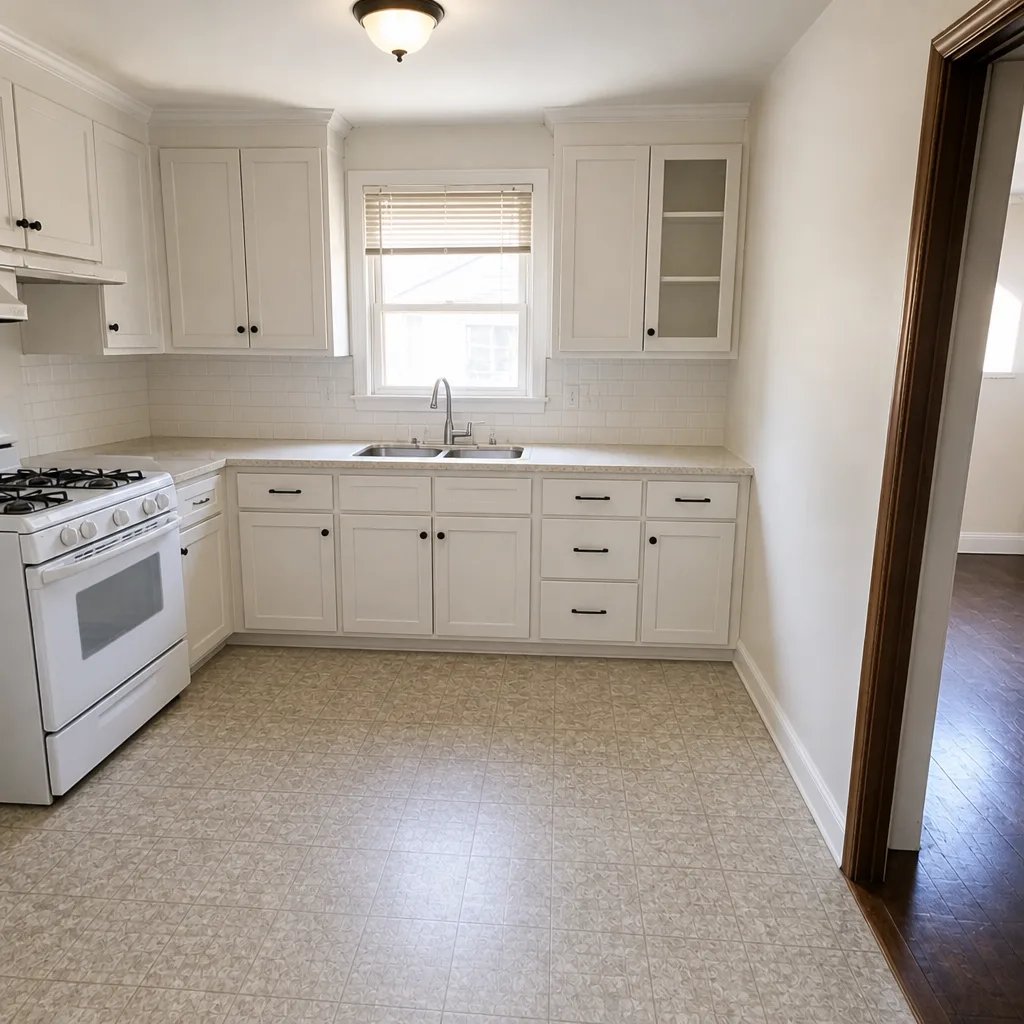 After
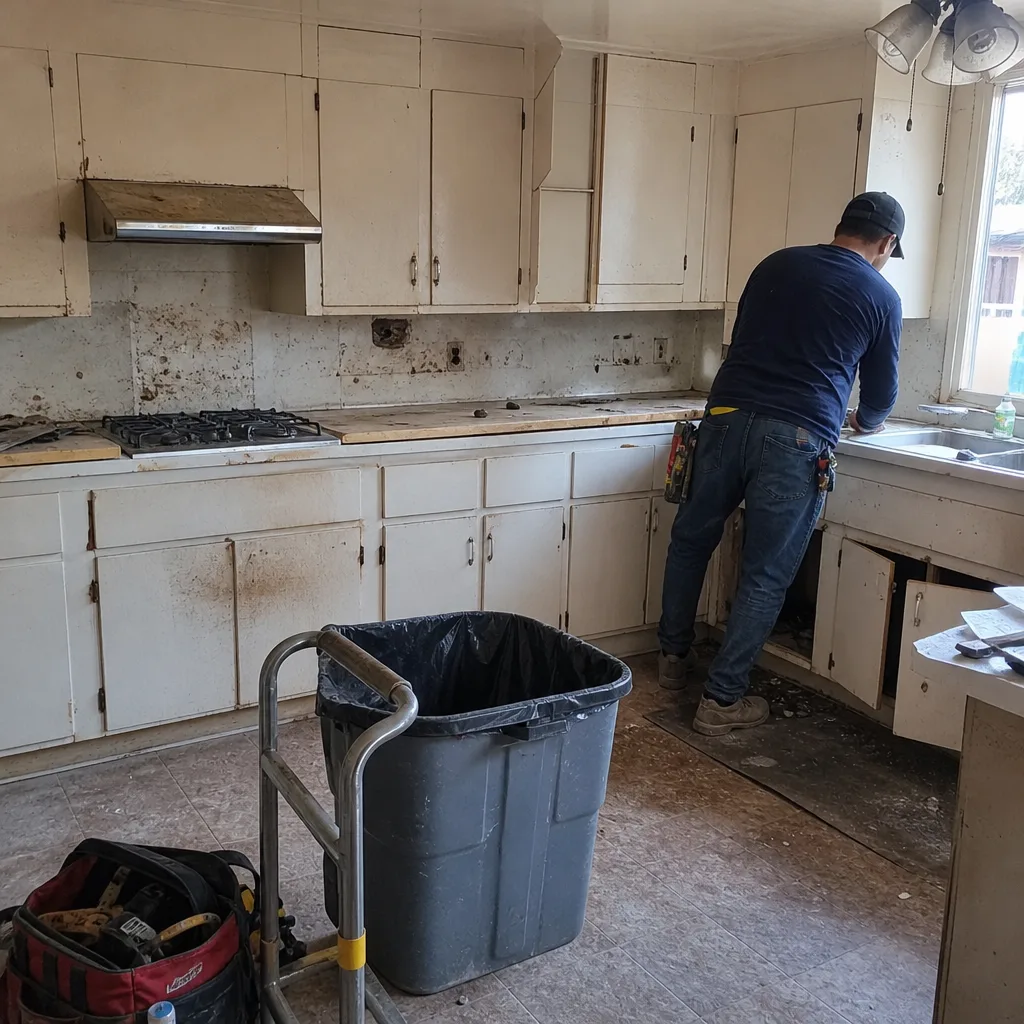 Before
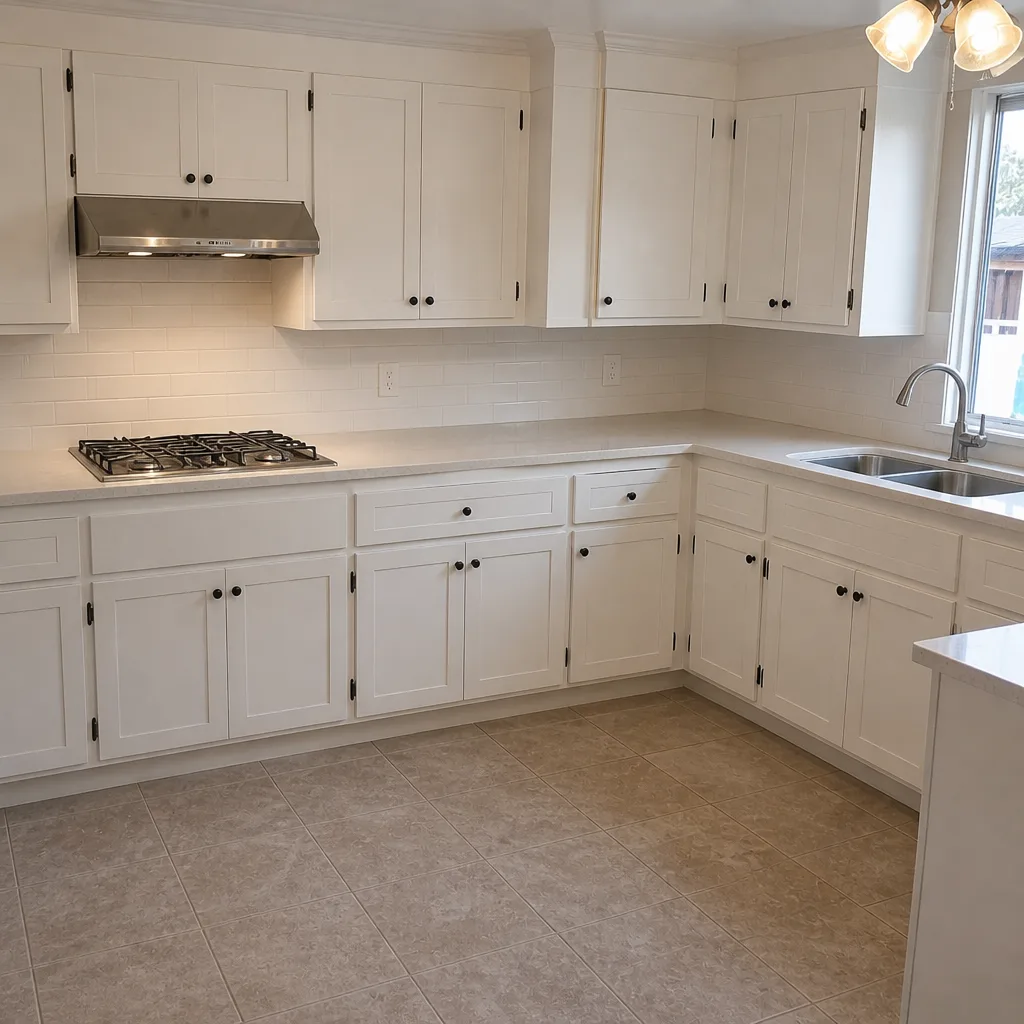 After
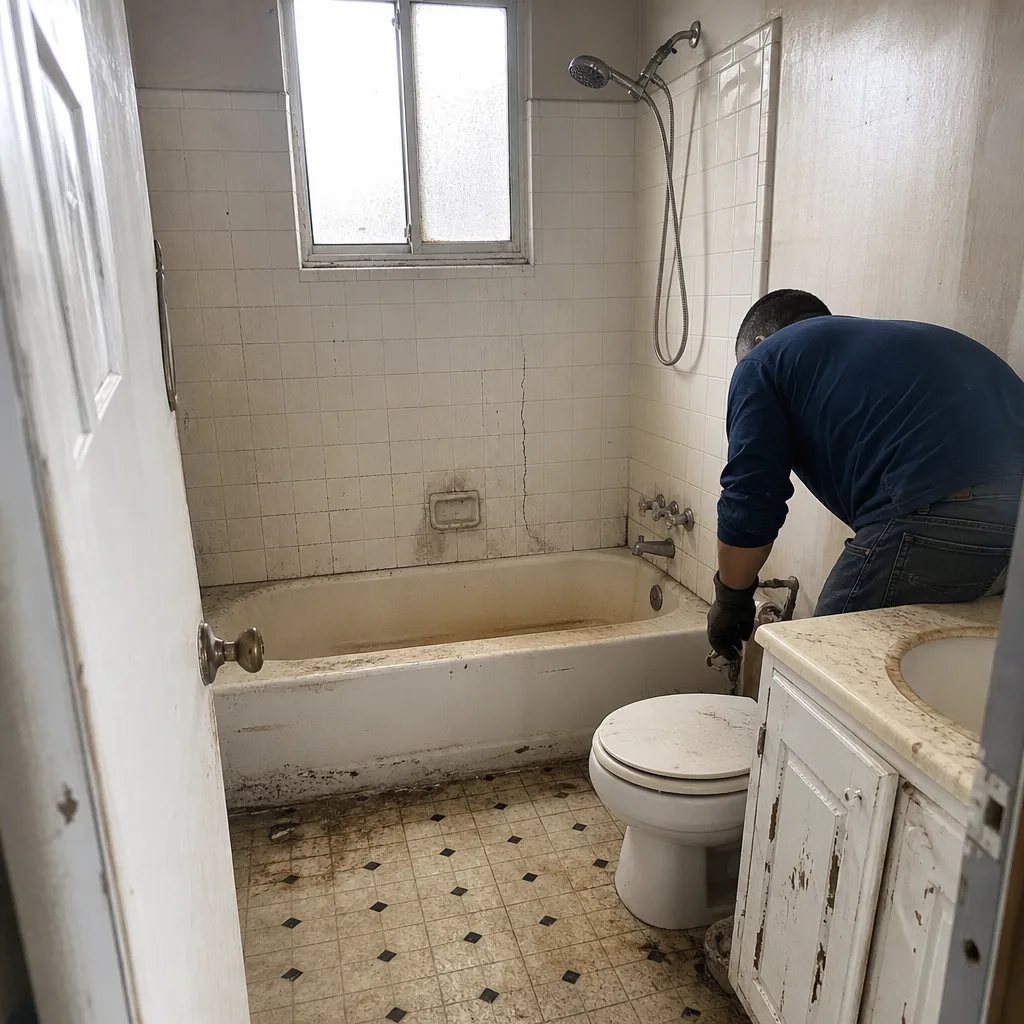 Before
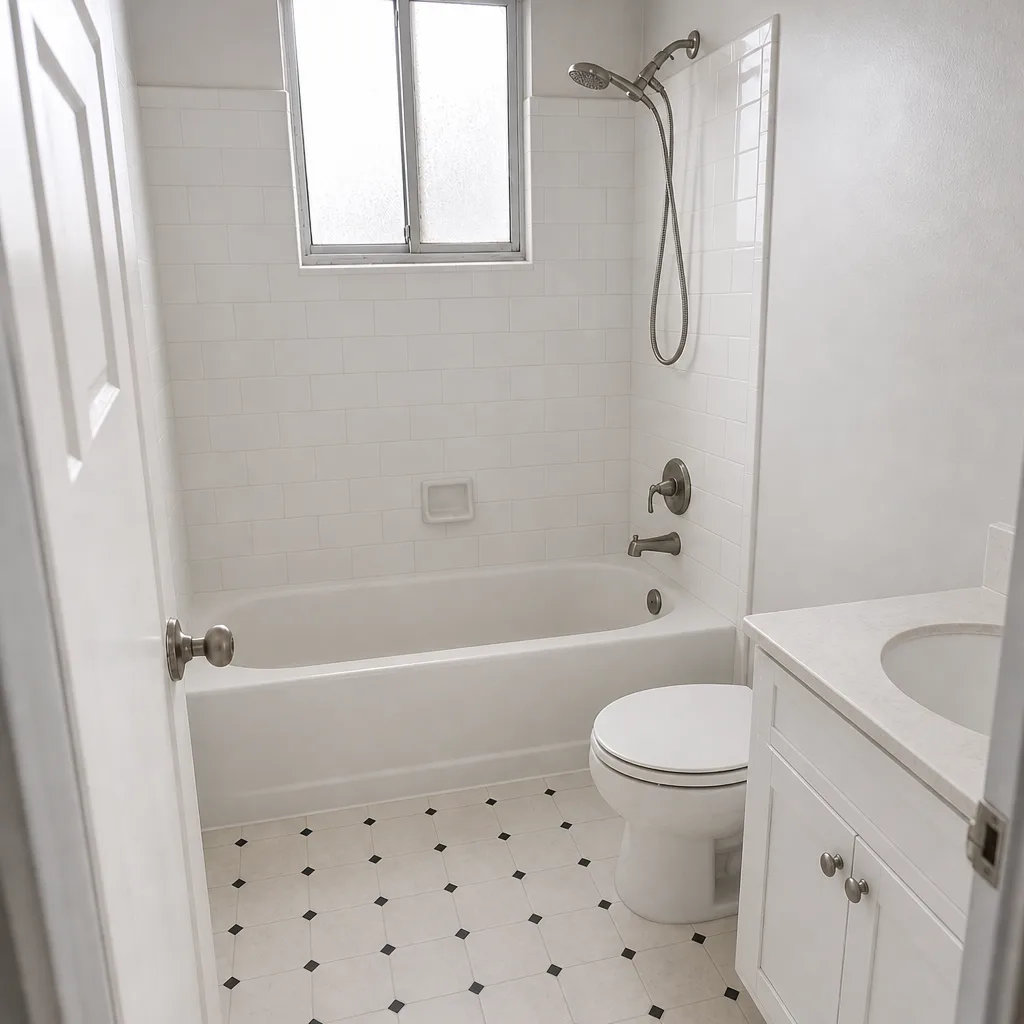 After
Signs You Need a New Roof in Buena Park, CA: What Actually Matters Here
The most reliable signs you need a new roof in Buena Park are failing ridge caps, granule loss you can see in attic light, cracked or lifted flashing at valleys, and shingle surfaces that look chalky and micro-cracked up close even when the roof looks fine from the driveway. Age alone never tells you. A 15-year-old Buena Park roof can be finished while a 22-year-old one is still solid, and the dry Southern California climate means the usual warning signs (ceiling stains, dripping) often show up months after the damage has already started. If something looks off after a wind event, call (833) 522-5059 and a live person picks up any hour.
Here’s why that distinction matters so much in this city. Most of Buena Park’s housing stock is 1950s and 1960s single-story stucco-on-wood-frame tract homes with low-pitch roofs and shallow attic space. That combination hides trouble. UV exposure bakes the shingles from above while the mild coastal climate keeps the underside dry enough that interior leaks are delayed. You don’t get the Midwest pattern of an obvious stain spreading across the ceiling within a season. You get silent granule loss, thin spots, and a deck that quietly softens until a Santa Ana wind event finishes the job.
The Test That Actually Tells You Something: Attic Flashlight Inspection
Skip the binoculars from the curb. On a low-attic 1950s ranch, the most useful inspection happens inside with a bright flashlight, and it’s something you can safely do yourself.
Go up in the late morning when daylight is strong. Point the light up at the underside of the roof deck and look for three things: streaks of daylight through the sheathing, dark water staining on the wood, and any soft or spongy spots you can press. On these older Buena Park homes the deck is often original board sheathing, not plywood, and board sheathing telegraphs moisture differently. Dark lines along the board gaps mean water is tracking where it shouldn’t. Light coming through at a valley or near the ridge is a flashing failure, not a shingle failure, and it’s a repair, not a replacement.
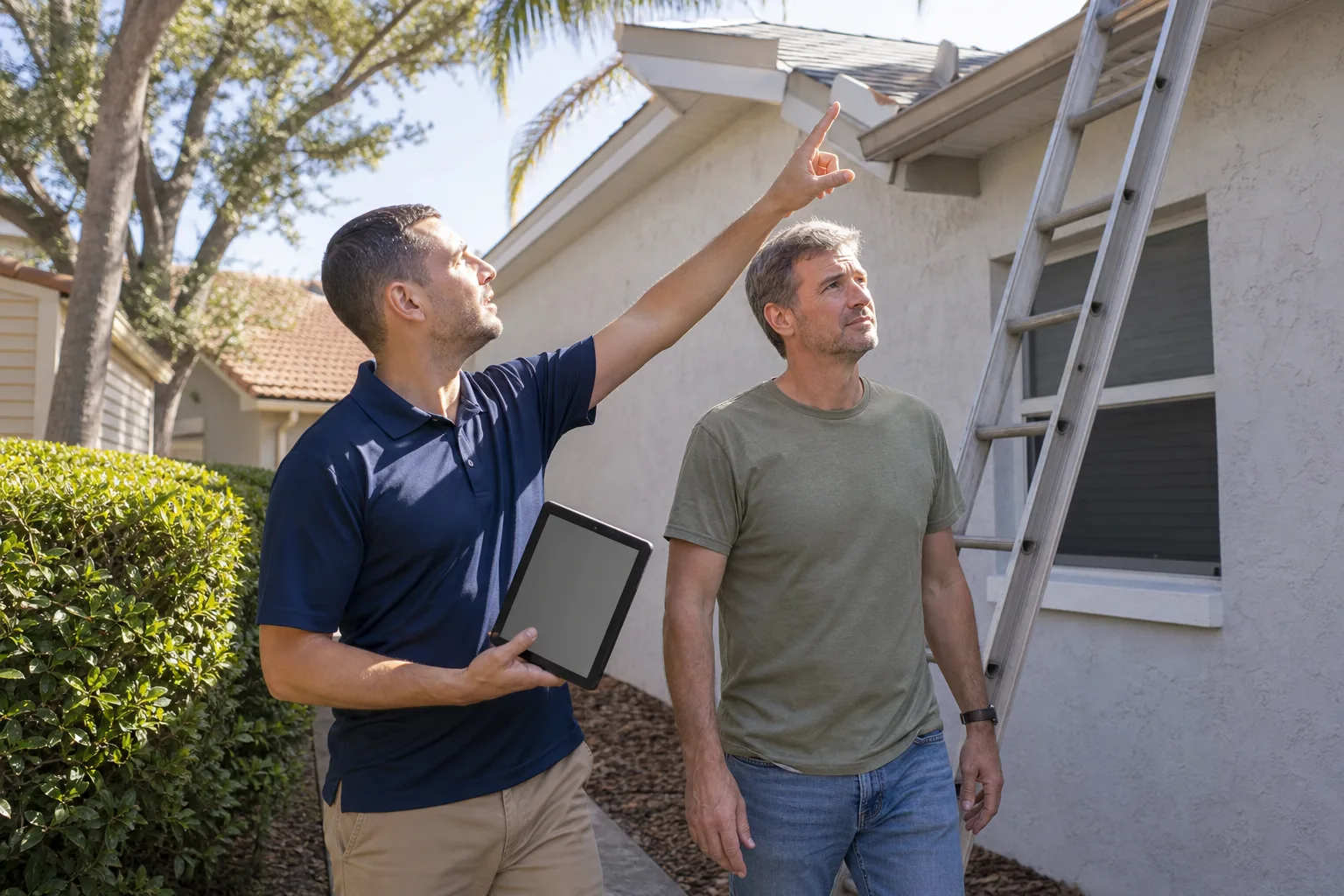
What the flashlight can’t show you is the top surface. Granule loss and micro-cracking from UV and thermal cycling happen on top. That’s why the attic test pairs with a close-up look at the shingles, ideally from the roof edge or from a ladder you’re comfortable on. If you’re not comfortable up there, that’s what we’re for. Don’t walk a roof yourself. A fall from a 1950s single-story is still a serious injury, and the slope and brittle shingles on these homes make it more dangerous than it looks.
Ridge Caps Fail First on Buena Park Tract Homes
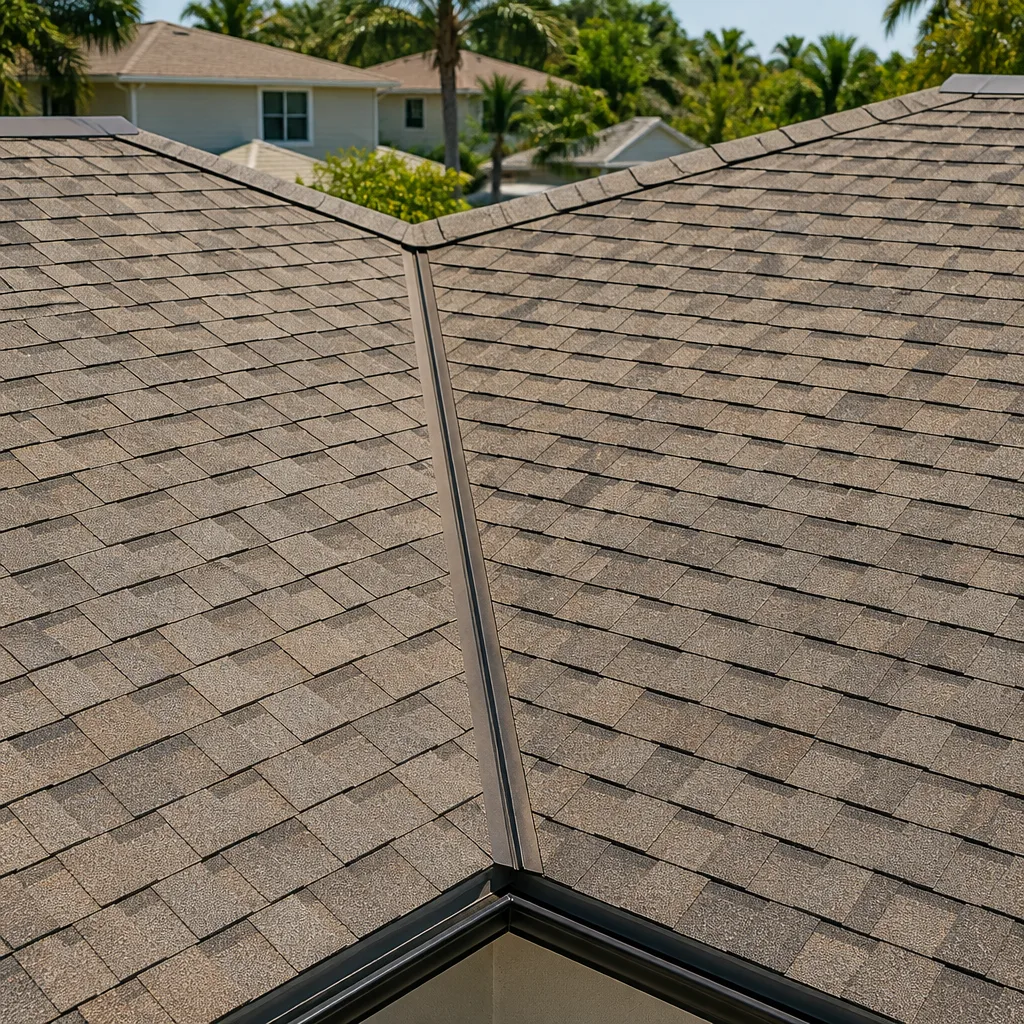
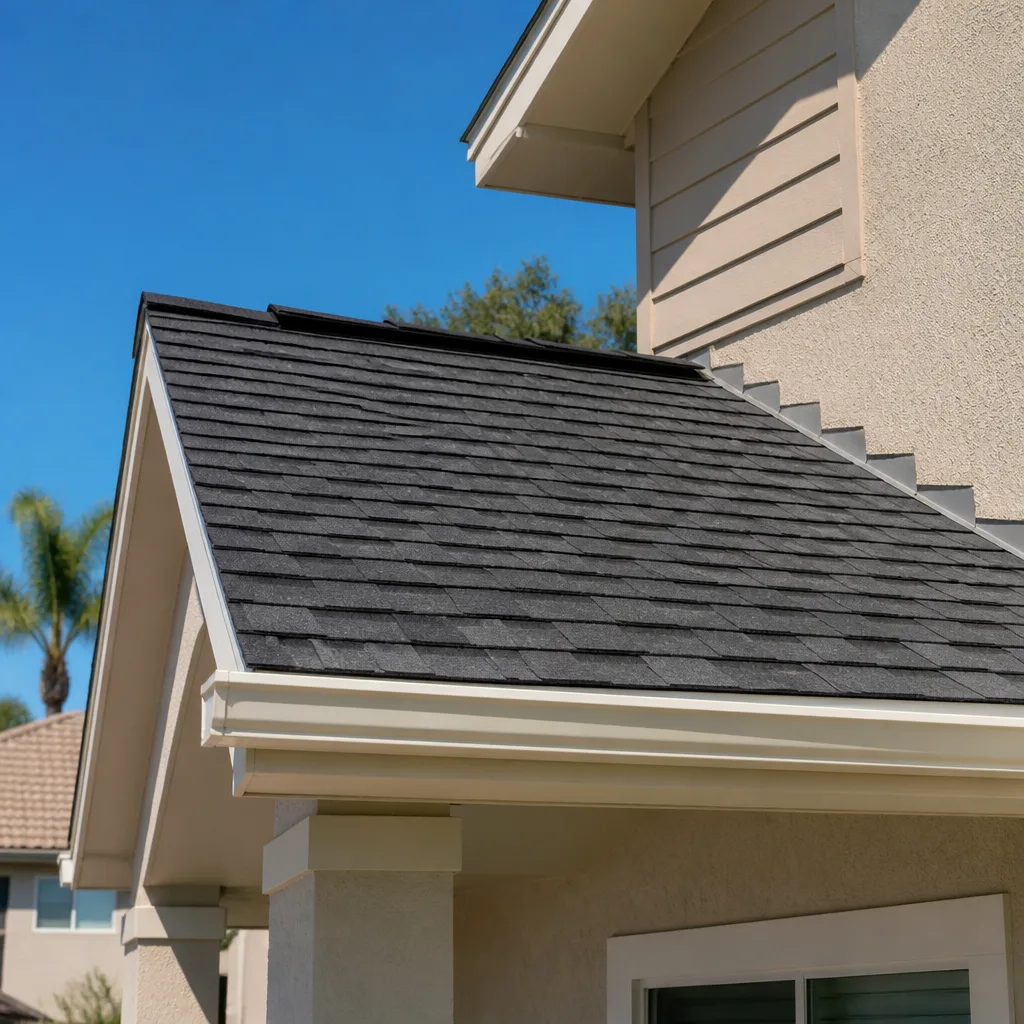
On the original hip-and-ridge geometry common across Buena Park’s post-war tract homes, the ridge caps are usually the first thing to go, not the field shingles. Original mortar caps crack and separate as the roof expands and contracts through hot days and cool nights. Exposed nail heads pop. The ridge line opens. That crack is the first visible sign the weather seal is broken, and it lets wind-driven rain straight into the decking at the highest point on the roof.
Walk outside and look at your ridge line against the sky. Lifted, cracked, or missing caps and a chalky, uneven ridge tell you more about roof health than the shingles halfway down the slope. We see this constantly on Buena Park homes where the field shingles still read as “fine” while the ridge has been open for two or three seasons.
Why “How Old Is My Roof?” Is the Wrong Question
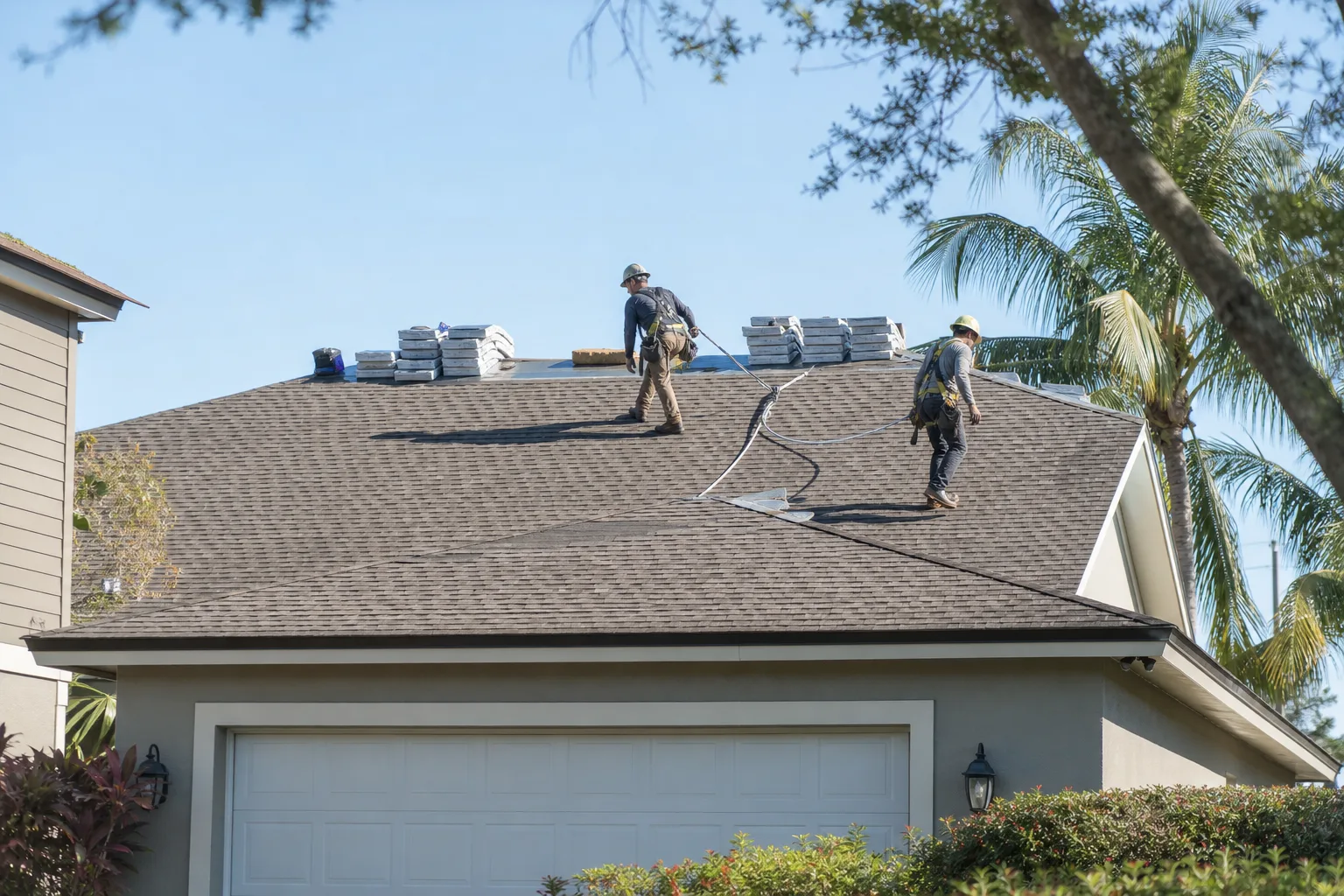
Calendar math fails in this climate. Two Buena Park roofs the same age can be in completely different condition depending on sun exposure, tree cover, attic ventilation, and whether someone patched after a wind event. Condition is the trigger, not age. Here’s the practical difference:
- A healthy 15-year-old Buena Park roof: shingles still have visible granules in the valleys, ridge caps are tight, attic deck shows no daylight or staining, and the surface feels firm underfoot at the edge.
- A failing 15-year-old Buena Park roof: bald patches in the valleys where water runs, cracked or lifted ridge caps, granule piles at the gutter downspouts, chalky shingles that shed grit when you rub an edge, and soft spots near the deck.
- A healthy 22-year-old roof: possible, especially on a shaded slope with good ventilation, provided the ridge and flashing held up.
- A failing 12-year-old roof: also possible on a south-facing slope with poor attic ventilation after multiple Santa Ana wind summers.
That’s the myth to drop: age doesn’t decide replacement. Inspection does. A roof that fails the attic and ridge check needs work regardless of the year on the permit.
Second-Story Pop-Ups: The Valley That Fails Silently
When a Buena Park homeowner adds a pop-up second story, the new roof meets the old one at a valley, and that valley is frequently the first failure point. It fails silently. Water gets behind the siding at the transition and travels down inside the wall cavity rather than showing up on your ceiling. You won’t see a stain. You’ll see peeling paint, a soft spot in the stucco, or a musty smell in an upstairs closet long after the flashing gave out.
This connects to a real constraint in Buena Park. On these small post-war lots, additions and second-story projects routinely bump into tight side-yard setbacks, and older slab-on-grade and shallow footings need verification before anything goes up. That same tight, mature fabric is why valley flashing at the old-to-new transition deserves a close look every year, especially after a windy fall.
If you’re weighing a bigger structural project like a second-story pop-up or an Roofing tie-in as part of an addition, our home team walks the whole scope so the roof, framing, and finish line up. An addition in the $45,000-$130,000 range, or a full ADU at $90,000-$220,000, is a place where budget-checking the roof section up front saves surprises later.
Fix It or Replace It? Buena Park Pricing Reality
Repair wins when the failure is localized: a cracked ridge cap, a valley flashing, a small patch. Full replacement wins when the ridge line is open across the span, granule loss covers the field, or the attic deck shows daylight and soft spots in multiple places. Use the line items below to sanity-check any bid you get.
| Scope | Typical Buena Park Range |
|---|---|
| Roof repair (isolated issue) | $400-$1,800 |
| Tile roof repair | $600-$2,500 |
| Standard roof replacement | $8,000-$20,000 |
| Metal roof installation | $15,000-$40,000 |
Groundwork Construction Co. of Buena Park works with GAF, CertainTeed, Atlas, and Owens Corning materials, and every job is covered by our 730-Day Done Right Promise. The number we quote up front is the number you pay. Our technicians have up to 12 years of experience, arrive background-checked and in uniform, and we answer the phone live 24/7. If you’re factoring a roof against other projects, our Buena Park service area page lays out what else we handle across the trades.
One more wind-event note: if something looks wrong at 9pm after a Santa Ana gust, you don’t have to wait until Monday. A real person answers and can tell you whether it warrants an emergency visit or a next-day look.
When to Call a Professional
Call when you find daylight in the attic, staining or soft spots on the deck, multiple cracked or missing ridge caps, or granules piling at the downspouts. Those are inspection-level calls. Roof work on these older single-story homes means walking a fragile surface, dealing with original board sheathing, and getting flashing right at valleys and pop-up transitions, so it’s a trained-professional job, not a weekend ladder project. A free assessment cuts the guesswork.
FAQs
Failing ridge caps, granule buildup at the downspouts, and daylight or staining visible on the attic deck are the earliest reliable signs on Buena Park homes. The curb view usually looks fine, which is why the attic flashlight test and a ridge-line check tell you more than age ever will. Call (833) 522-5059 for a free assessment if you spot any of these.
Yes, and a 15-year-old roof can also be in solid shape. Condition decides it, not the calendar. A south-facing slope with poor attic ventilation after several windy summers can fail at 15, while a shaded, well-vented slope might hold up past 20. Inspection settles it. Same-day and emergency availability is available when a failure can’t wait.
Repair is cheaper when the problem is isolated, typically $400-$1,800, while a full replacement runs $8,000-$20,000 in Buena Park. A localized ridge cap or valley flashing failure is a repair. Widespread granule loss or deck damage points to replacement. Call and we’ll give you a straight answer on which one you’re looking at.
Yes. Calls are answered by a live person 24/7, so a concern at 9pm after a Santa Ana wind event gets a real answer about whether it needs an emergency visit or a next-day inspection. Free estimates and upfront pricing apply either way, and the quote is the number you pay.
If you’d rather have it looked at than climb up and guess, Groundwork Construction Co. of Buena Park offers a no-pressure assessment in Buena Park – call (833) 522-5059. Every roof is backed in writing by our 730-Day Done Right Promise, so if it’s not done right, we make it right.
Written by the team at Groundwork Construction Co. of Buena Park, serving Buena Park, CA.