Free written scope consultation - allowances, timeline, and change-order rules on paper before a single trade is scheduled
Styles & brands we work with
- Kitchen remodeling
- Bathroom remodeling
- Home additions & ADU
- Roofing
- Windows & doors
- Driveway & pavers
- Fence
See the difference
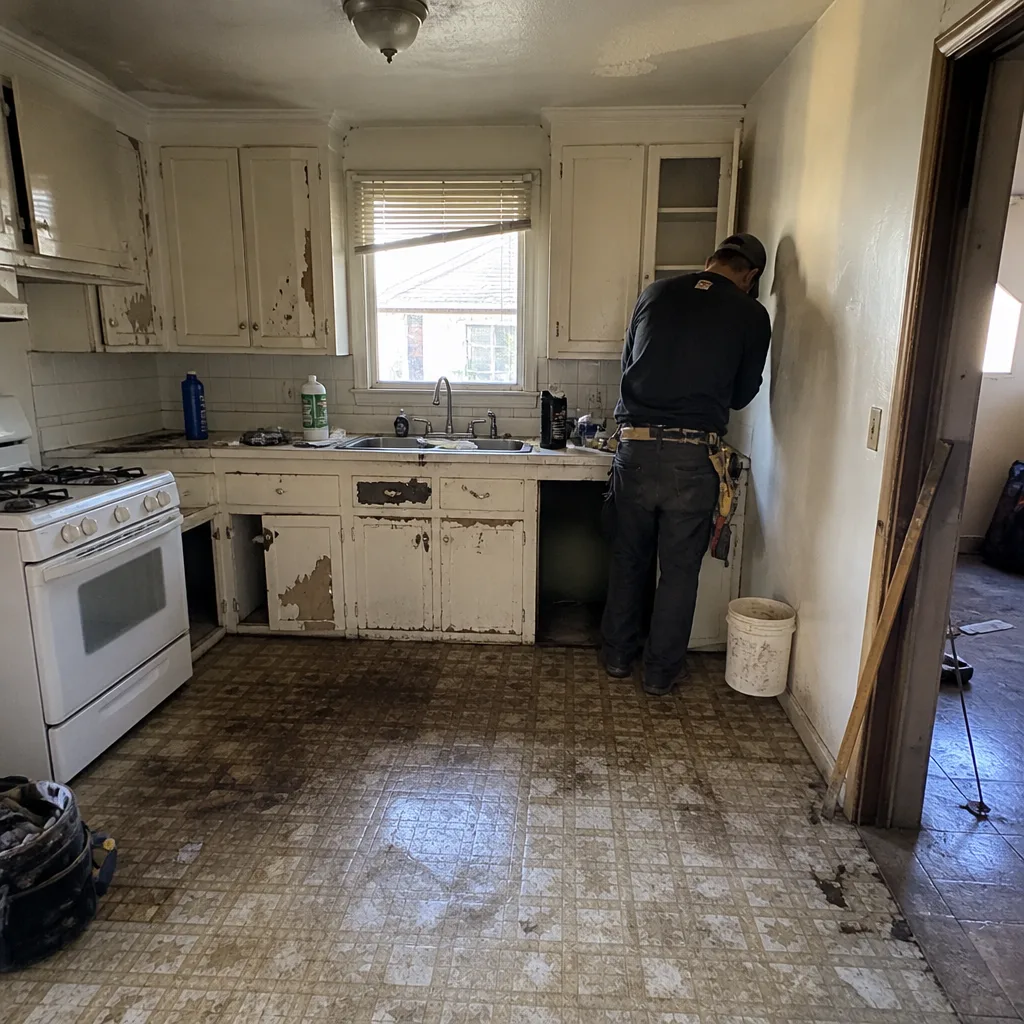 Before
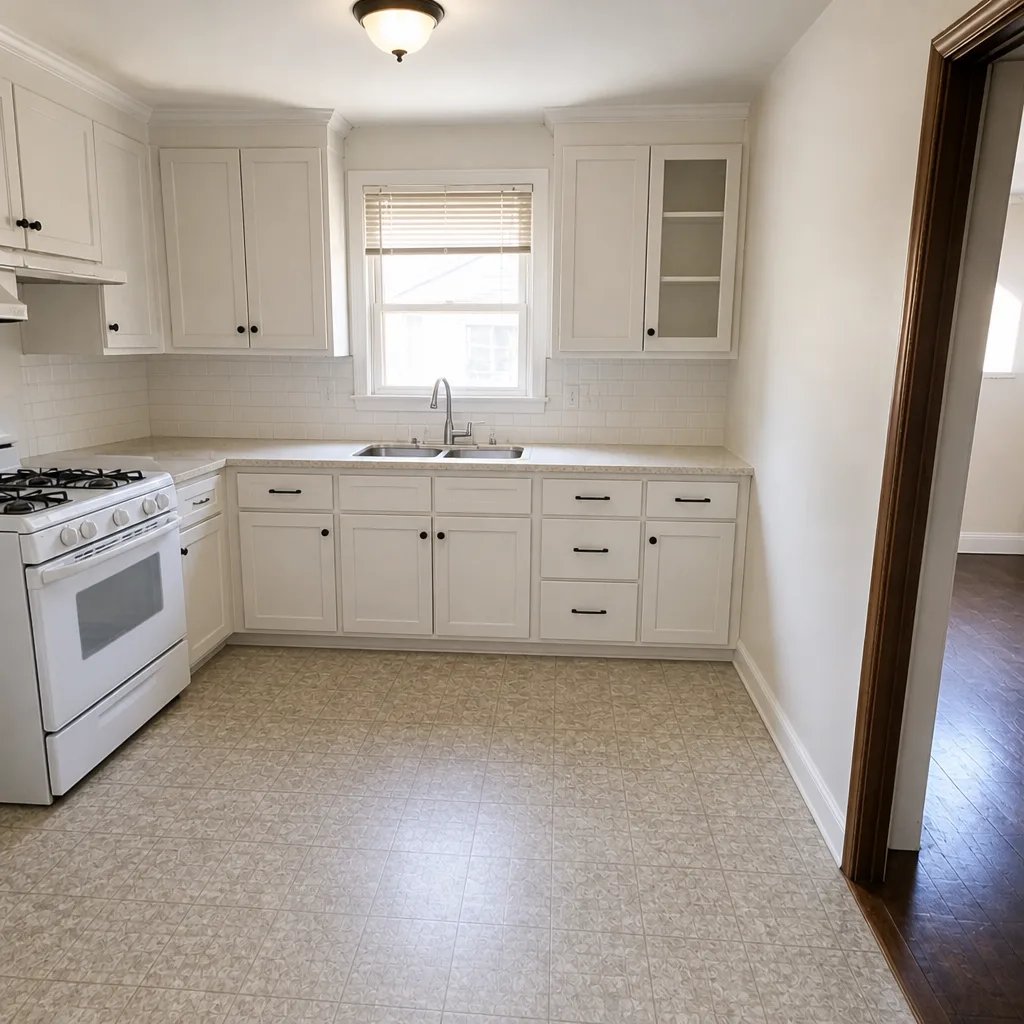 After
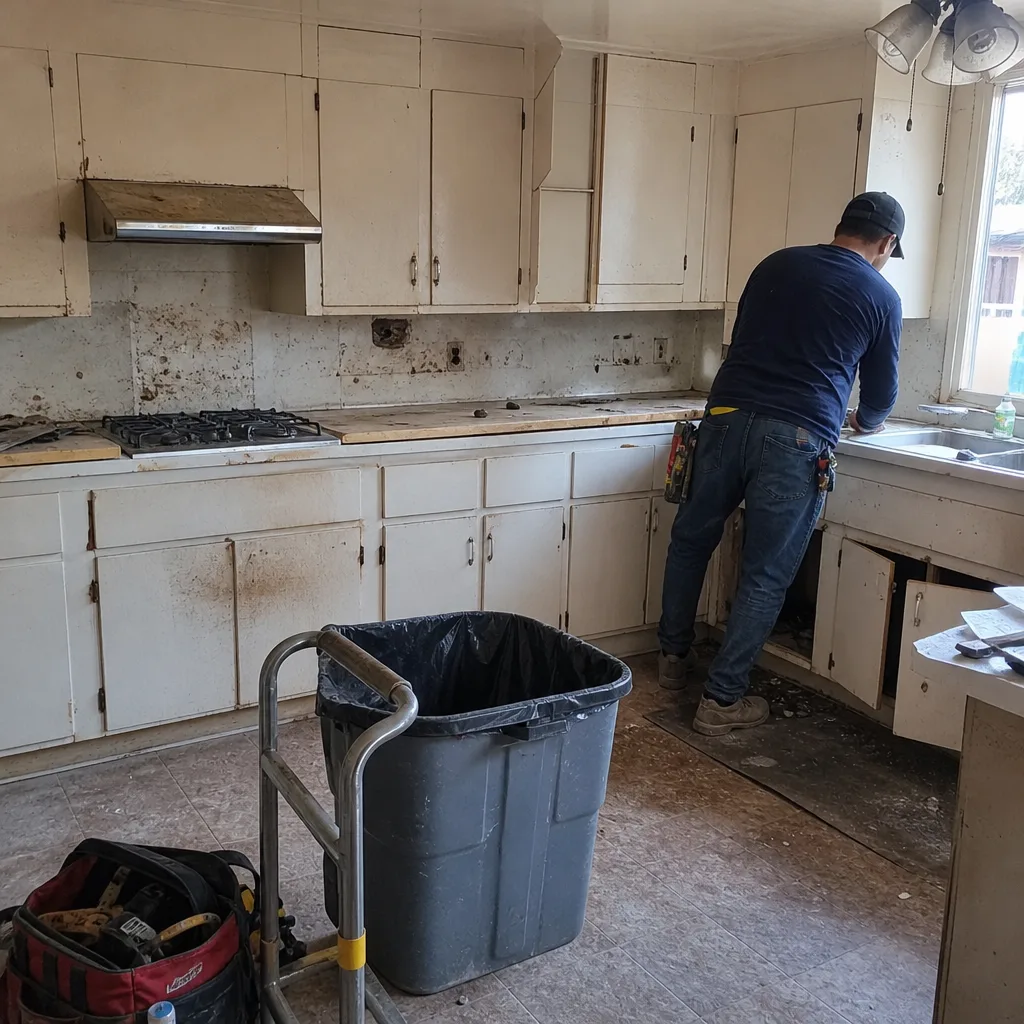 Before
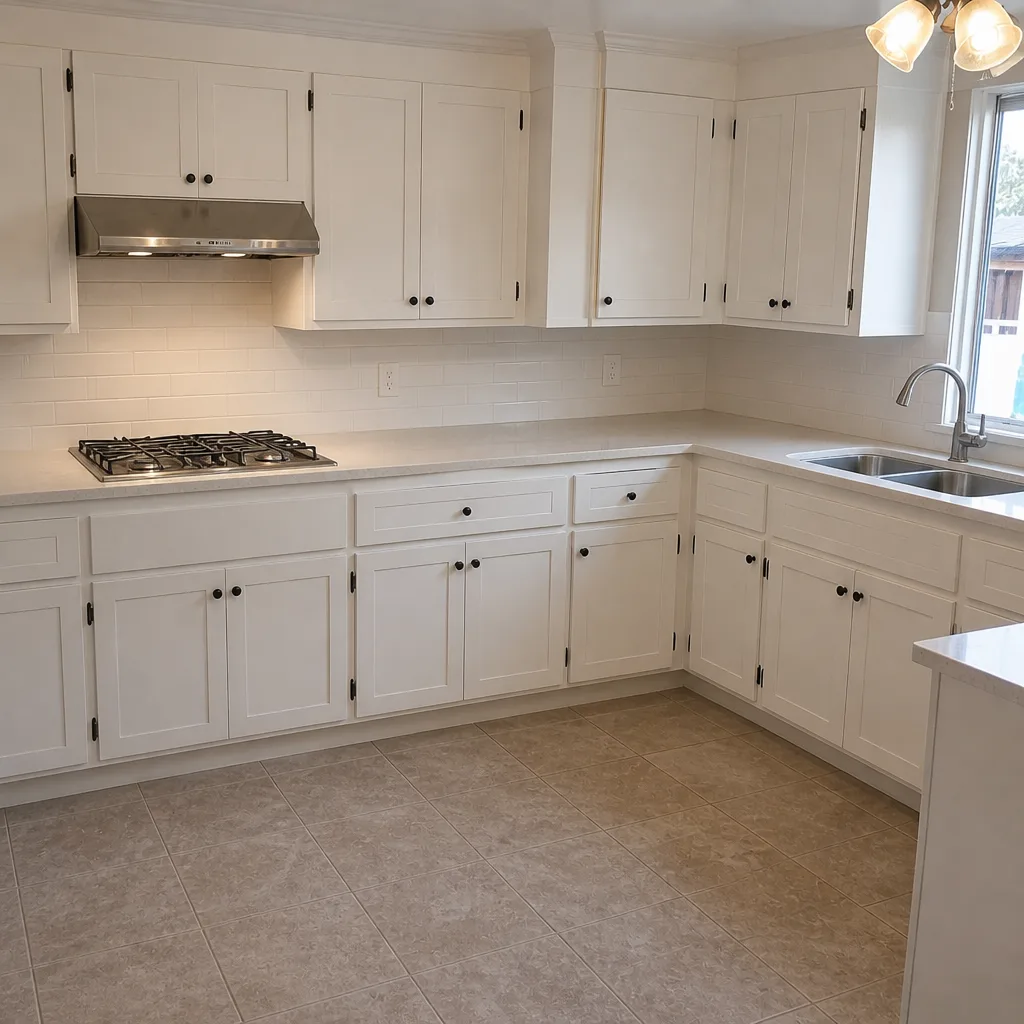 After
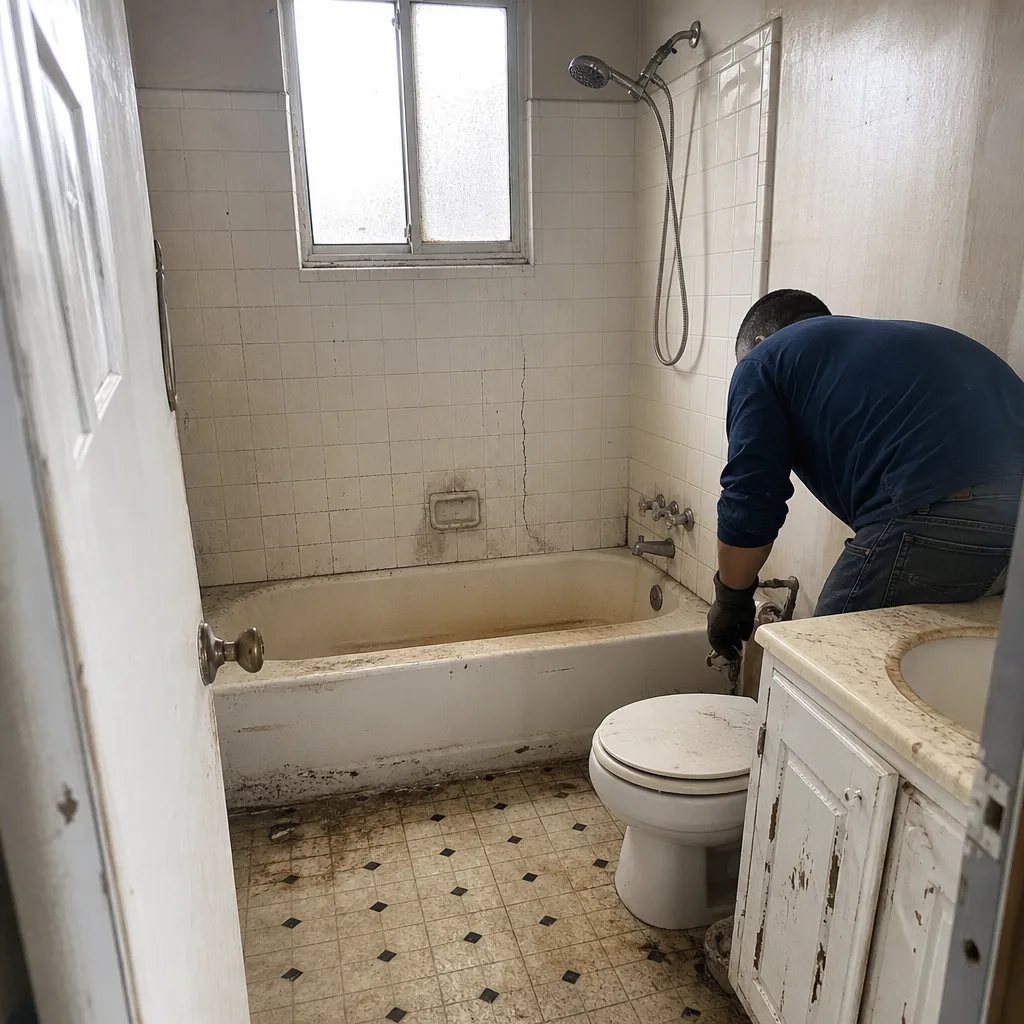 Before
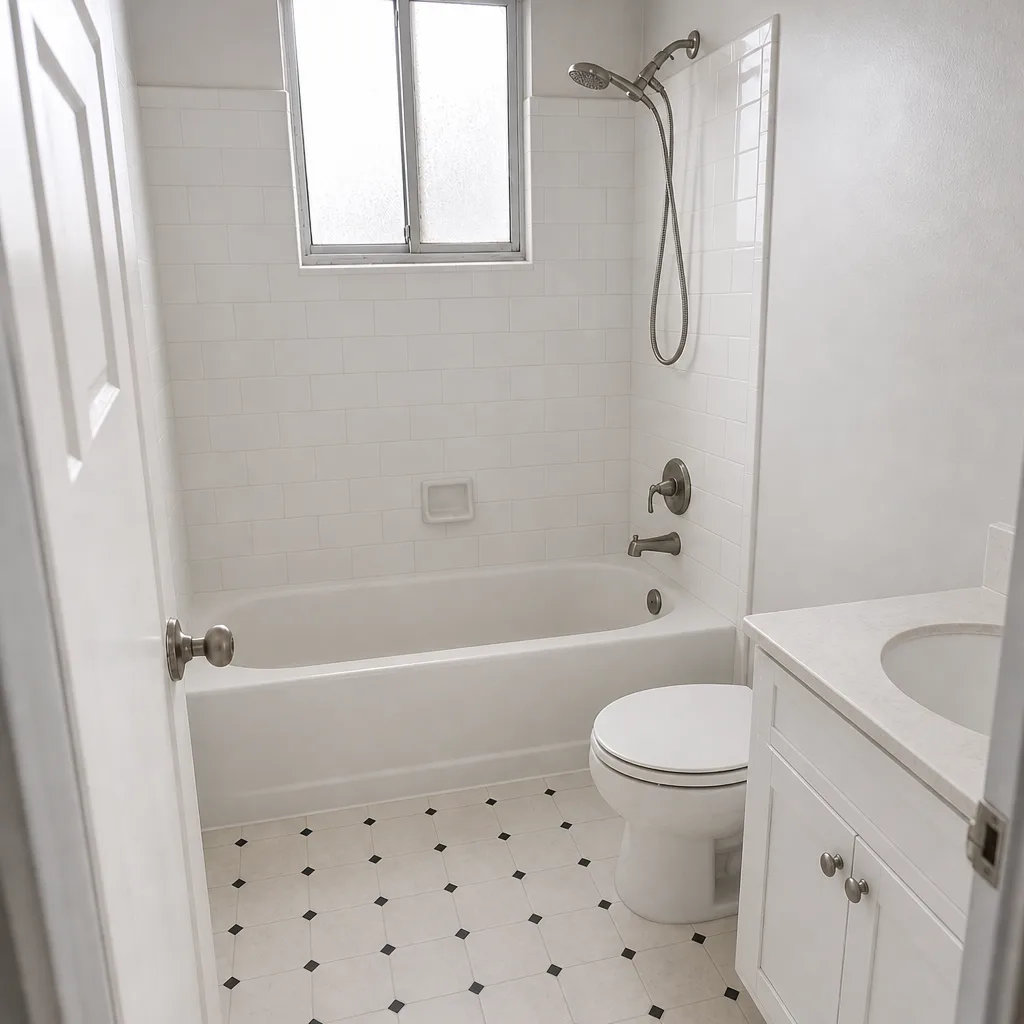 After
Double Hung vs Casement Windows in Buena Park, CA: Which One Fits Your 1950s Tract Home?
Choose casement windows if your existing opening is wider than it is tall, which describes most Buena Park tract homes, and you want maximum ventilation. Choose double-hung windows if the opening is already tall and narrow, or if you have a second-story addition where you’ll need to clean the glass from inside. For most of the 1950s-60s stucco ranches here, casement pairs fit more naturally. Call (833) 522-5059 for a free assessment before you commit.
That’s the short answer. The longer answer has everything to do with what’s actually behind your wall, and this is where the generic “double hung vs casement” comparison on most sites falls apart.
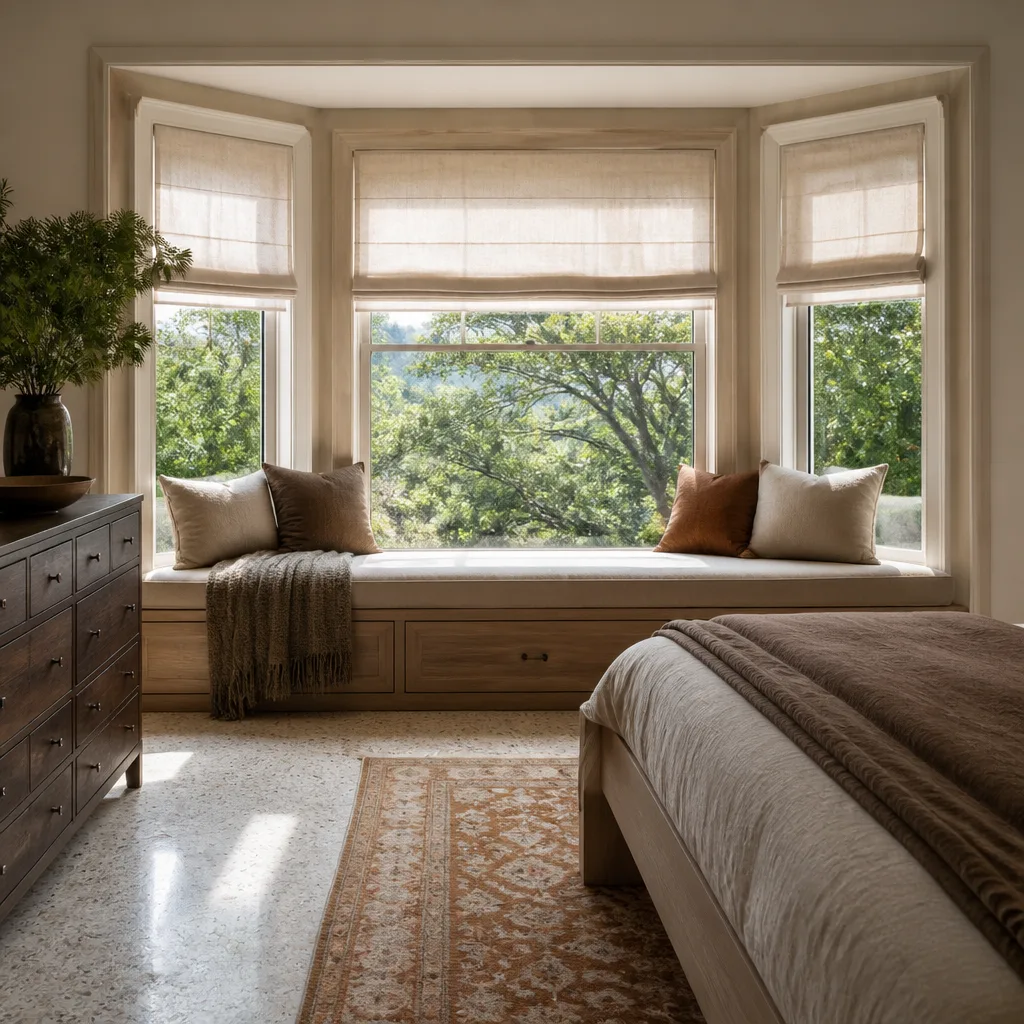
Why Buena Park Windows Don’t Fit the Standard Comparison
Walk through any ranch plan off Beach Boulevard or up near the Buena Park Downtown corridor and you’ll notice something the window showrooms rarely mention: the original sliding aluminum windows are almost always wider than they are tall. A typical bedroom opening might run 72 inches across and 48 inches high. That’s a horizontal ratio, and it was deliberate. Builders in the post-war boom worked with slab foundations and shallow footings, and the low, wide window profile kept the wall framing simple and the load path clean.
Here’s where it matters. A double-hung window wants a vertical profile. It stacks two operable sashes one on top of the other, so the rough opening needs height to accommodate both. Drop a standard double-hung into a 72-by-48 opening and you get one of two outcomes. You frame in the sides to narrow the opening, which adds carpentry, drywall repair, and stucco patching to the job. Or you accept a shorter, squatter window that looks like it belongs in a different house. Neither is wrong, but both add cost and neither matches what the neighbors see.
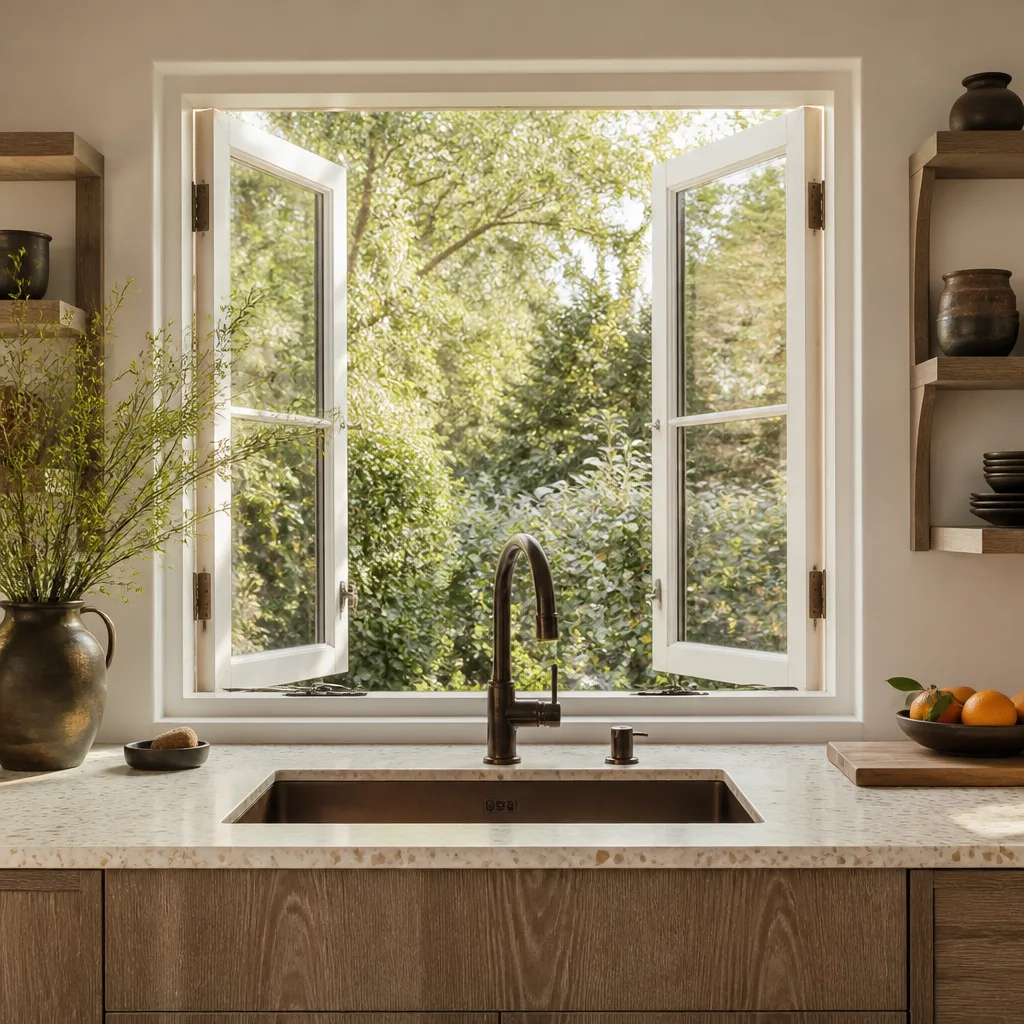
A casement pair, by contrast, opens outward like a book. Two sashes on a single frame can span a wide, low opening cleanly. The proportions work, the trim lines up with the original stucco reveal, and the installation is usually simpler and less expensive because you’re not rebuilding the wall to fit the window.
What this looks like on a real bid
We see it constantly. A homeowner in Buena Park gets a quote for double-hung replacements based on a national average, then the installer arrives, pulls the old slider, and finds the opening is 22 inches wider than the new unit. That’s when the “surprise” framing charge appears. Upfront pricing means we measure the rough opening first, before the number goes on paper.
Casements Ventilate Better, But Santa Ana Winds Change the Equation
Casement windows catch breeze. When you crank one open 90 degrees, the sash acts like a scoop, funneling outside air into the room at a rate a double-hung can’t match. In Buena Park’s mild coastal-influenced climate, where summer afternoons run warm but rarely brutal, that airflow can meaningfully cut your AC use. Open a couple of casements on the shaded side of the house and you’ll feel the cross-draft within minutes.
But this is Southern California, and Santa Ana wind events are real. Those dry, gusting offshore winds can hit 40 to 60 mph in the canyons and push hard across the flat parts of Orange County too. An open casement in a 50 mph gust is a projectile waiting to happen. The sash catches the wind, slams against the frame, and either the operator arm bends, the hinge screws pull, or the glass cracks. Homeowners who’ve lived through a few of these learn to keep casements closed and latched during wind warnings.
Double-hungs sidestep this entirely. You can drop the top sash a few inches for ventilation and the bottom sash stays locked. Air moves, the window stays structurally sound, and nothing catches the wind. If you want safe nighttime ventilation, that top-sash trick is the practical answer.
Quick comparison for Buena Park homes
| Factor | Double-Hung | Casement |
|---|---|---|
| Fit for wide, low ranch openings | Needs framing or a squatter unit | Natural fit as casement pairs |
| Ventilation | Top sash only, safe in wind | Full-scoop airflow, must close in Santa Ana gusts |
| Cleaning access | Two sash wash positions, clean from inside | Crank open, clean from inside or out |
| Installation complexity on original openings | Often higher (framing, stucco patching) | Usually lower |
| Hardware maintenance | Balance springs and sash cords | Crank operator and hinge arms |
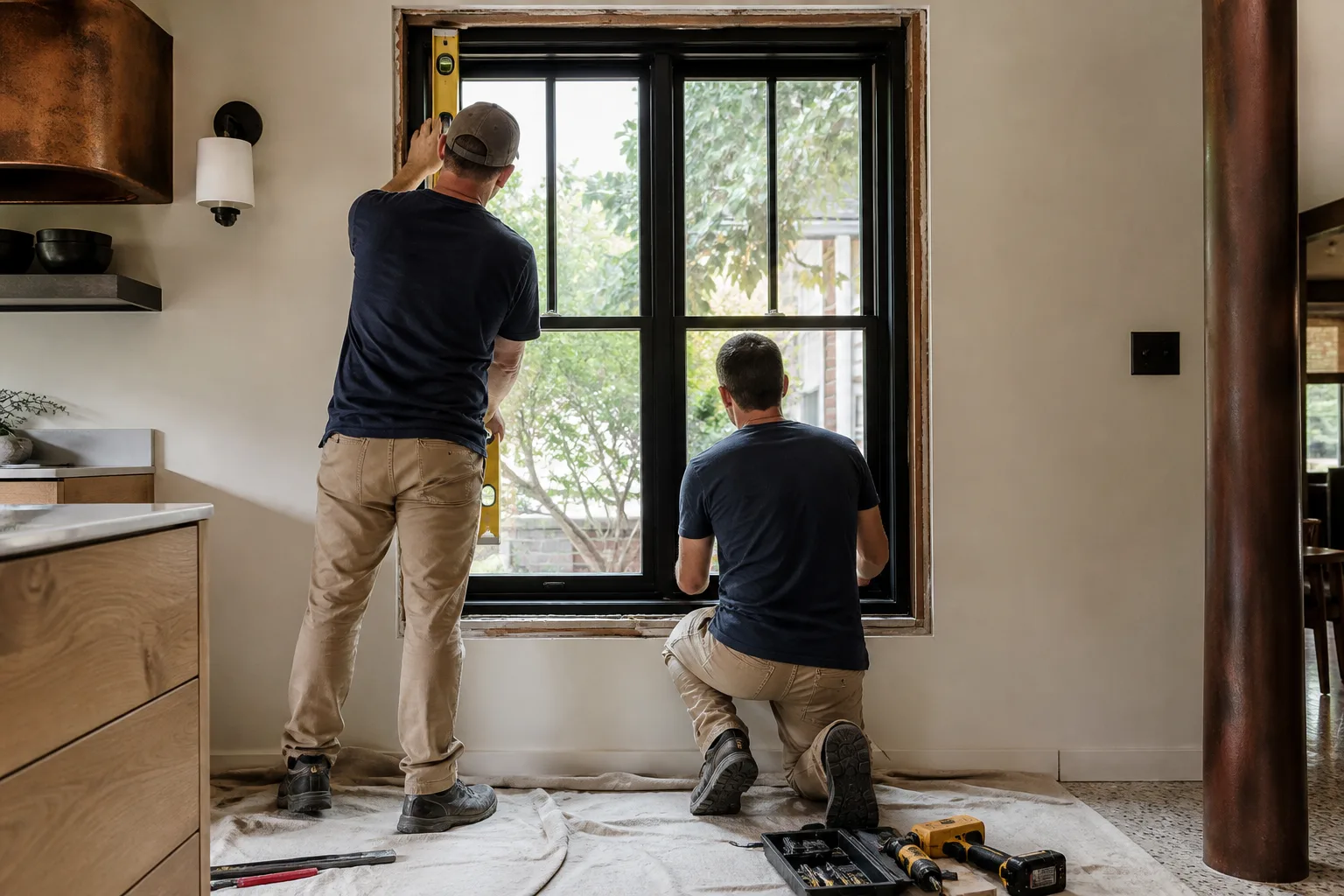
The Second-Story Pop-Up Problem
Buena Park sits on small post-war lots, and second-story pop-ups have become one of the most common projects here. When you add a floor, you inherit a window-cleaning problem the original single-story house never had. Exterior ladder access on a lot that’s maybe 15 feet from the property line to the neighbor’s fence is awkward at best and a real safety issue at worst.
Double-hung windows solve this cleanly. Both sashes tilt or slide into a wash position that lets you clean the exterior glass from inside the room. Casements don’t offer that. You can reach through an open casement to wipe part of the exterior, but the outer corner of the sash stays out of reach. On a second story with no ladder access, that’s a genuine maintenance headache.
This is one place where the recommendation flips. First-floor family room with a wide opening? Casement. Upstairs bedroom in a pop-up addition? Double-hung, most days.
Mixing Window Types Without a Mismatch
Many Buena Park homeowners end up wanting both. Casements downstairs for the living room breeze, double-hungs upstairs for the cleaning access. The problem most people don’t anticipate: frame depth and sightline differences between brands can make a mixed installation look cobbled together. The sashes sit at different depths, the trim lines don’t align, and the flashing details at the rough opening have to be reworked at every junction.
That’s why we source through Andersen and Marvin. Both manufacturers build their casement and double-hung lines to the same frame depth within a product family, so a mixed wall installation reads as one cohesive design. The flashing and weather barrier details stay consistent from unit to unit, which matters for water management on stucco walls. Buena Park’s dry-season construction calendar gives us a good window for stucco patching and flashing work, but the details still have to be right the first time.
You can see the full range of what we install on our Windows & Doors page, and if you want a broader look at how windows fit into a larger remodel, our home page covers the seven service lines we run. Homeowners in nearby Buena Park service area work with us on everything from single-window swaps to full scrape-and-rebuild projects, and the window decision usually comes up early in the planning.
Where Both Window Types Fail (and What Our Guarantee Covers)
After enough installations, you learn which parts fail first, and it’s the same three components whether it’s a double-hung or a casement:
- Operator hardware. Crank arms on casements bend or strip. Balance springs on double-hungs lose tension and the sash won’t stay up.
- Weatherstrip seals. The gaskets and sweeps that keep air and water out degrade with UV exposure and temperature cycling. Southern California sun is hard on these.
- Frame-to-rough-opening flashing. Where the window frame meets the wall, water intrusion starts if the flashing and sealant weren’t done right. On stucco homes, this is where leaks show up first.
The 730-Day Done Right Promise covers all three for two full years after installation. If the operator fails, the seal leaks, or water finds its way past the flashing, we make it right. That’s built to last, backed in writing, and it applies to both window types equally. It’s one of the longest workmanship guarantees in residential construction, and it’s the reason we can recommend either window type honestly instead of steering you toward whichever is easier for us to install.
Our technicians have up to 12 years of experience on window installations across Orange County housing stock. They know what a 1962 slab-on-grade wall looks like when you cut into it, and they know how to flash a wide ranch opening without creating a future leak point.
FAQs
For most first-floor Buena Park ranch homes, casement windows are the better fit because the original rough openings are wider than they are tall, and casement pairs match that proportion without extra framing. The exception is second-story additions where you need inside cleaning access, which favors double-hungs. Call (833) 522-5059 for a free measurement to know which applies to your house.
Window replacement in Buena Park typically runs $4,500-$15,000 for a whole-house project, depending on unit count, window type, and whether framing adjustments are needed. Impact-rated window installation runs $8,000-$25,000. The biggest cost driver here is whether your existing openings accept the new unit directly or need reframing, which is why the measurement happens before the quote. Call (833) 522-5059 for an exact quote: estimates are free.
Yes, and it’s common on Buena Park homes with second-story additions. We source both types through Andersen and Marvin, whose casement and double-hung lines share matching frame depths, so a mixed installation looks consistent and the flashing details stay uniform across the wall. The key is planning both types in the same order so sightlines, trim, and weather barrier all align. Call (833) 522-5059 to talk through a mixed plan.
A properly installed and latched casement doesn’t leak in Santa Ana winds, but an open or worn one can fail. The sash catches gusts and slams against the frame, which bends operator arms and can crack glass. Weatherstrip seal condition matters most; a worn seal lets wind-driven rain past the sash even when closed. If your casements are more than 15 years old or the cranks feel loose, have them checked before the next wind season. Call (833) 522-5059 for a free inspection.
Get a Straight Answer for Your House
Every opening is different, and the right answer depends on what’s actually behind your stucco. If you’d rather have it looked at, Groundwork Construction Co. of Buena Park offers a no-pressure assessment in Buena Park. We measure the rough opening, check the framing, and give you a written number with no framing surprises. Call (833) 522-5059 for a free estimate and design consult.
Written by the team at Groundwork Construction Co. of Buena Park, serving Buena Park, CA.