Last updated November 18, 2026






Free written scope consultation - allowances, timeline, and change-order rules on paper before a single trade is scheduled
How to Hire a Construction Contractor in Buena Park: A Step-by-Step Guide
A CSLB license number tells you a contractor passed a test and paid a fee. It doesn’t tell you whether that license has been suspended, whether a complaint was settled against them last year, or whether they carry enough workers’ comp insurance to cover someone injured on your property. Every one of those details sits in a public database you can pull up in under ten minutes, if you know where to look. This guide walks through the vetting steps that actually protect Buena Park homeowners, the ones that separate a reliable builder from an expensive regret. We’ll cover license checks, bid anatomy, contract clauses, and how to confirm a contractor actually works in Buena Park and isn’t just dialing from a P.O. box.
Quick Answer
To hire a contractor in Buena Park responsibly, verify four things before you sign anything: their live CSLB license status and complaint history, their bond and workers’ comp coverage, a written bid that itemizes labor and materials, and a contract that includes lien releases and a fixed payment schedule. Then ask their references how the contractor handled a problem, not whether they were happy. Those four checks catch the failures that a license number alone will miss.
Styles & brands we work with
- Kitchen remodeling
- Bathroom remodeling
- Home additions & ADU
- Roofing
- Windows & doors
- Driveway & pavers
- Fence
Table of Contents
- How Do You Run a Complete CSLB Contractor Check?
- What Should a Legitimate Buena Park Bid Include?
- Which Contract Clauses Matter Most in California?
- How Do You Verify a Contractor’s Real Business Presence in Buena Park?
- What Questions Reveal How a Contractor Handles Problems?
- What Red Flags Should Stop the Process Cold?
- What Buena Park Climate and Code Issues Affect Your Project?
- How Should Payment Schedules Be Structured?
How Do You Run a Complete CSLB Contractor Check?
Start at the Contractors State License Board website (cslb.ca.gov), click “Check a License,” and pull up the contractor by name or number. That one search returns more than a status line. Read every field.
- License status. You want to see “Active.” If it reads “Expired,” “Suspended,” “Revoked,” or “Inactive,” walk away. A contractor working under a suspended license in California is working illegally, and your project has no protection.
- Classification codes. The letter code tells you what trades they’re licensed to perform. A Class B general building contractor can take a whole-house remodel; a Class C specialty license covers one trade only. If a “handyman” is quoting your kitchen remodel with no B classification, that’s a problem.
- Bond amount. California requires contractors to carry a surety bond. Confirm the bond is current and the amount meets the state minimum. The bond is what lets you recover money if the contractor breaks the contract or abandons the job.
- Workers’ comp and exemption flags. If the record shows a workers’ comp policy, good. If it shows an “exempt” flag, that usually means the contractor has no employees and works alone. If they show an exemption but a five-person crew appears on your property, someone is uninsured on your job. That’s your liability exposure, not theirs.
- Complaint disclosure and disciplinary history. The record lists complaints and any disciplinary actions. A settled complaint from years ago isn’t automatically fatal, but a pattern of them, or an unresolved one, tells you how they operate.
- Personnel list. The record names the qualifying individual and any officers. Match that name to the person signing your contract.
Ten minutes on the CSLB site in Buena Park tells you more than an hour of scrolling reviews. Reviews can be bought or buried. The state record can’t be edited by the contractor.
What Should a Legitimate Buena Park Bid Include?
A bid designed to win on price and make up the difference in change orders looks different from one built to last. The cheap bid is usually short. It says “kitchen remodel – $18,000” and little else. The bid you want is long, specific, and boring to read.
Here’s what a proper bid breaks out:
- Scope, room by room or trade by trade. Demolition, framing, plumbing rough-in, electrical, drywall, cabinetry, countertops, tile, paint. Each line has a quantity and a price.
- Materials by brand and model. Not “tile” but the specific tile and size. Not “shingles” but the product line. When you know the brand, you can price-check it yourself and confirm nobody’s swapping in a cheaper product mid-job.
- Labor broken out from materials. A single lump sum hides where the money goes and makes change orders easier to inflate.
- Permit costs stated separately. In Buena Park, structural changes, additions, and ADUs require permits pulled through the city. A bid that lists permits as “to be determined” or omits them entirely is a bid that will grow.
- Exclusions listed in writing. What’s NOT included matters as much as what is. Ask directly and get it in writing.
- A payment schedule tied to milestones. Progress payments tied to completed phases, not a big deposit up front.
- An expiration date. Material prices move. A bid with no expiration invites a “prices went up” conversation later.
- Their warranty in writing. Ask exactly what’s covered and for how long. Get the number of days in writing.
When we quote a Buena Park project, the number you see is the number you pay, with the line items in front of you. That transparency is what upfront pricing actually means. If the contractor’s bid arrives as a one-page text message quote, ask for the itemized version before you compare it against anything else.
Which Contract Clauses Matter Most in California?
The contract is where you have leverage and where most homeowners get caught. California law gives you specific protections, but only if the clauses are actually in the document you sign.
Written change order requirements
Every contract should require that any change in scope, materials, or price gets written down and signed by both parties before the work happens. If a contractor’s contract is silent on change orders, every “while we’re in there” conversation becomes a handshake and a bigger final invoice. The absence of a written change order clause is a signal they intend to use verbal changes.
Lien releases
In California, subcontractors and suppliers can file a mechanic’s lien against your property if the general contractor doesn’t pay them, even if you’ve paid the general in full. The contract should require the contractor to provide lien releases from subs and suppliers as payments are made. Without that provision, you can end up paying twice for the same work.
Payment schedule structure
California limits how much a contractor can collect as a down payment on a home improvement contract, and the payment schedule should tie each payment to a completed milestone. Look for language like “payment due upon completion of rough framing” rather than “payment due 10 days after start.”
Right to cancel and notice language
Home improvement contracts in California must include specific three-day cancellation notice language. If that boilerplate is missing, the contractor isn’t using a compliant contract – which tells you something about how they run the business.
Warranty terms spelled out
“Fully warranted” means nothing. You want the number of days, what’s covered, and what triggers a callback. Groundwork backs every project with a 730-Day Done Right Promise, and if it’s not done right, we make it right. That’s a documented term, not a slogan. Read the warranty section of any contract and ask the contractor to point to the language.
If your contractor’s contract is one page with no change order language, no lien releases, and no written warranty, that’s not a simpler contract. That’s a document with fewer things they’re on the hook for.
How Do You Verify a Contractor’s Real Business Presence in Buena Park?
A local area code costs nothing. A truck and a phone number is the entire setup for a fly-by-night operation, and those operations do real damage in markets like Buena Park, where there’s steady demand and plenty of homeowners who don’t know what to check.
Confirm the contractor has a real business footprint. Cross-check these:
- Business address on the CSLB record. Search that address. Does it resolve to a commercial location, or a residential house, or a mailbox store?
- Secretary of State business entity search. California business entities are on file at bizfile.sos.ca.gov. Confirm the company is registered, active, and matches the name on your contract.
- Physical review history and photos. Reviews that consistently reference a real storefront, a design consult office, or in-person walkthroughs are harder to fake than a wall of generic five-stars.
- Brand partnership documentation. If a contractor claims to install premium products, the manufacturer’s certified-installer directory is public. Groundwork works with partners like KraftMaid, Kohler, GAF, CertainTeed, and Andersen, and you can verify those relationships through the manufacturers directly.
- Insurance certificates. Ask for a certificate of insurance naming liability and workers’ comp, and call the carrier to confirm it’s current. That takes another five minutes.
A contractor who works in Buena Park regularly will also know the local variables cold. They’ll know which areas need a soils check before an addition, which streets have older sewer laterals, and how the city’s permitting process runs. If they can’t speak to any of that, they’re working out of town and guessing.
What Questions Reveal How a Contractor Handles Problems?
“Were you happy?” is a useless question. Every reference a contractor hands you is pre-screened to say yes. The real question is what happened when something went wrong, because on a remodel, something always does.
Ask these instead:
- “What went wrong on your project, and how did they handle it?” Listen for specifics and for whether the contractor owned the problem or blamed the material, the weather, or the city.
- “Did the final invoice match the original quote? If not, why?” A small, explainable change order assigned to a written change order is normal. A surprise 20% overage is a pattern.
- “Did the crew show up when they said they would, and did the same people work the whole job?” Crew consistency tells you whether the subs are vetted or picked up off Craigslist the morning of.
- “How responsive was the contractor when you called with a concern?” The answer reveals whether communication was one person or a phone tree.
- “Did you ever use the warranty? How was the callback handled?” This is the single most telling question. A warranty you can’t reach is a warranty you don’t have. At Groundwork, calls are answered by a live person 24/7, not a voicemail box.
- “Would you hire them again for a bigger project?” Vague “sure” beats nothing, but a strong yes or no is useful.
Ask for references that go back at least a year so the warranty has actually been tested. A reference from a project finished three weeks ago can’t tell you anything about how a callback is handled six months in.
What Red Flags Should Stop the Process Cold?
Some warnings are the difference between a project finished on time and a project that stalls for six months. Treat each of these as a reason to pause, not a reason to ask more questions.
- Cash-only or large cash deposit requests. Cash leaves no paper trail and no chargeback protection. A legitimate contractor takes checks and cards and documents the payment schedule.
- High-pressure discounts that expire “today.” Real material pricing doesn’t switch off at 5 p.m. The expiring-deal pitch is designed to prevent you from getting a second bid.
- No written contract until after you pay. The contract should be in your hands before any money changes hands, with time to read it.
- “We don’t need a permit for this.” In Buena Park, many interior cosmetic jobs don’t need a permit, but structural, electrical panel, plumbing, and addition work does. A contractor who waves off permits on structural work is one who doesn’t want the inspection.
- Unmarked vehicles and no uniforms. Not a legal requirement, but the correlation with accountability is real. Groundwork technicians arrive background-checked and in uniform on every project.
- No verifiable address or license. We covered this. Push it to the front of your vetting.
- A bid dramatically below the other two. If everyone else is at $42,000 and one quote is $22,000, the difference lives somewhere. It’s usually in the change orders, or in what gets left undone.
None of those are negotiable fixes. They’re structural, and they’re the reason homeowners get burned.
What Buena Park Climate and Code Issues Affect Your Project?
Buena Park sits in the coastal-inland transition of north Orange County, which means mild winters, dry summers, and a marine layer that rolls in on summer mornings. That pattern affects specific projects in specific ways, and a contractor who actually works here will account for them.
On roofing, the combination of dry summers and occasional heavy winter rain creates the worst case for deferred maintenance. Roofs take on water for a decade and then choose the wettest February to fail. We routinely see Buena Park roofs fail at the flashing details and the penetrations first, not in the field of shingles. A proper roof bid should explicitly address flashing and ventilation, not just square footage of material. If a roofer quotes you on shingles alone, ask what they’re doing about the flashing.
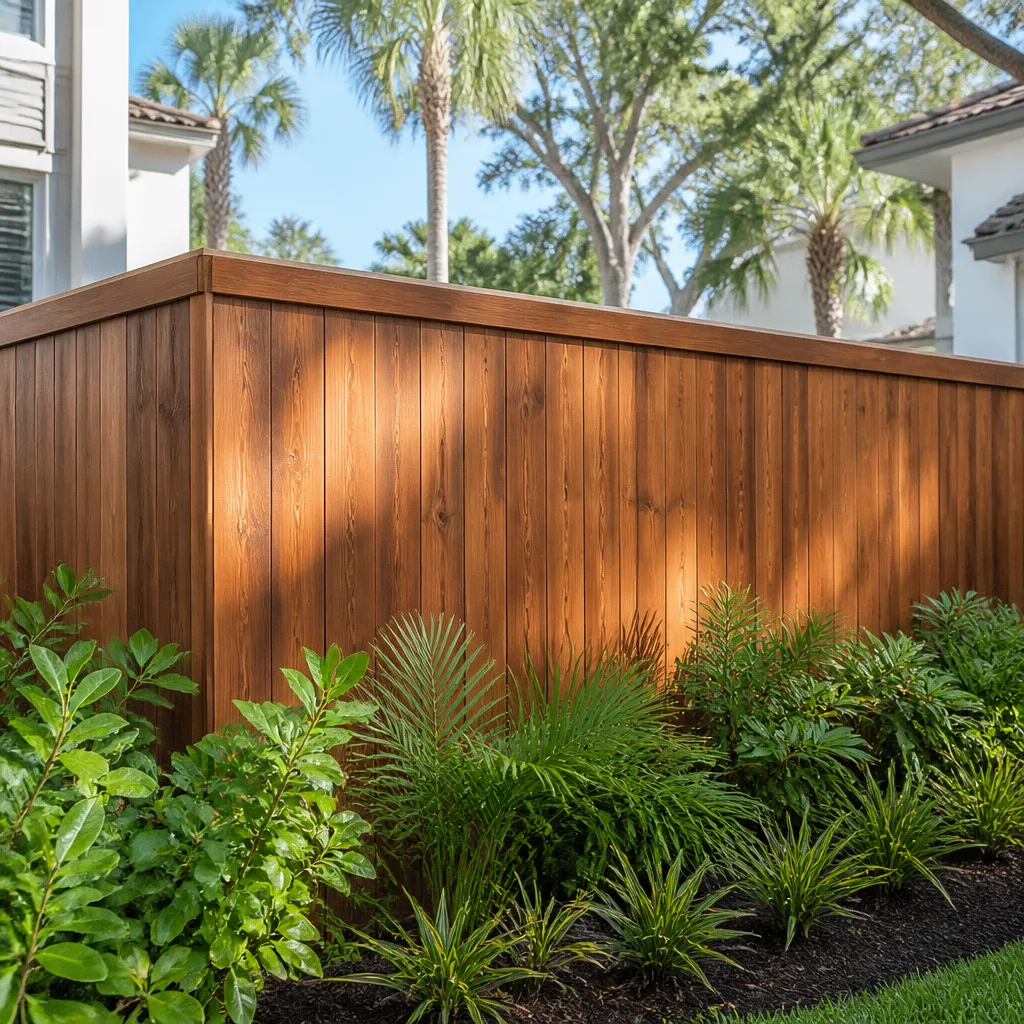
On exterior work, the dry season and marine-layer humidity push certain materials hard. Wood fencing near the coast fades and warps faster than the same fence ten miles inland. Proper sealing and stucco repair on additions matter more than they’d appear to on paper.
Buena Park is also a mature built-out city, and plenty of the housing stock dates from the 1950s through the 1980s. That has real consequences for additions and ADUs. Older properties may have clay sewer laterals, older electrical panels, or foundations built to codes that have since changed. A contractor who hasn’t dealt with those realities in Buena Park before will find them, but on your dime, in the middle of the job. Ask an addition contractor how they handle pre-construction assessment on 1960s tracts. If they don’t have an answer, keep looking. You can see how we approach that work in our Home Additions & ADU in Buena Park service.
How Should Payment Schedules Be Structured?
The payment schedule is where homeowners have the most leverage and give it away. Get it right before work starts.
- Keep the deposit modest. California limits home improvement deposits, and a legitimate contractor works within that. A deposit should be enough to cover materials ordering, not enough to cover a contractor’s cash flow crisis.
- Tie payments to milestones, not dates. “Due upon completion of rough-in and rough inspection passed” is specific and enforceable. “Due 15 days after start” is neither.
- Hold a retainage. A final payment held until punch list completion and final inspection protects you against a half-finished job or a contractor who moves to the next project and never returns.
- Require lien releases with each payment. Every progress payment should trigger a lien release from the contractor and any subs or suppliers paid through that payment.
- Get any financing in writing. If the contractor offers financing, the terms should be written into the contract, not discussed. Groundwork offers 0% financing for 18 months, and the terms are part of the paperwork up front.
If a contractor objects to milestone-based payments or a retainage, that objection is the warning. You want the schedule to align their cash flow with your completed project.
Common Mistakes to Avoid
- Relying on the license number alone. A live license status line doesn’t tell you about bond lapses or complaint patterns. Pull the whole CSLB record, not just the top of the page.
- Comparing bids by bottom-line price. Two bids aren’t comparable if one itemizes materials and permits and the other is a lump-sum text. Ask each contractor to itemize, then compare line by line.
- Signing a contract before the warranty is in writing. Verbal promises about workmanship are worth about as much as a handshake. Every warranty should have a stated term in days and defined coverage.
- Paying a large up-front deposit to “hold a spot.” Deposit pressure is a sales tactic, not a scheduling reality. Any legitimate contractor can complete a proper contract before collecting money.
- Skipping the insurance verification. If a worker gets hurt on your property and the contractor’s coverage isn’t current, your homeowner’s policy can be on the hook. Call the insurance carrier and confirm.
- Letting a contractor argue you out of a permit. Buena Park inspections exist to protect your resale value as much as the work. An unpermitted addition will surface at the appraisal.
- Hiring a Buena Park contractor with no local track record. Ask which jobs they’ve done within the city in the last year. A contractor who can’t name a single street or tract has no stake in the local reputation.
See the difference
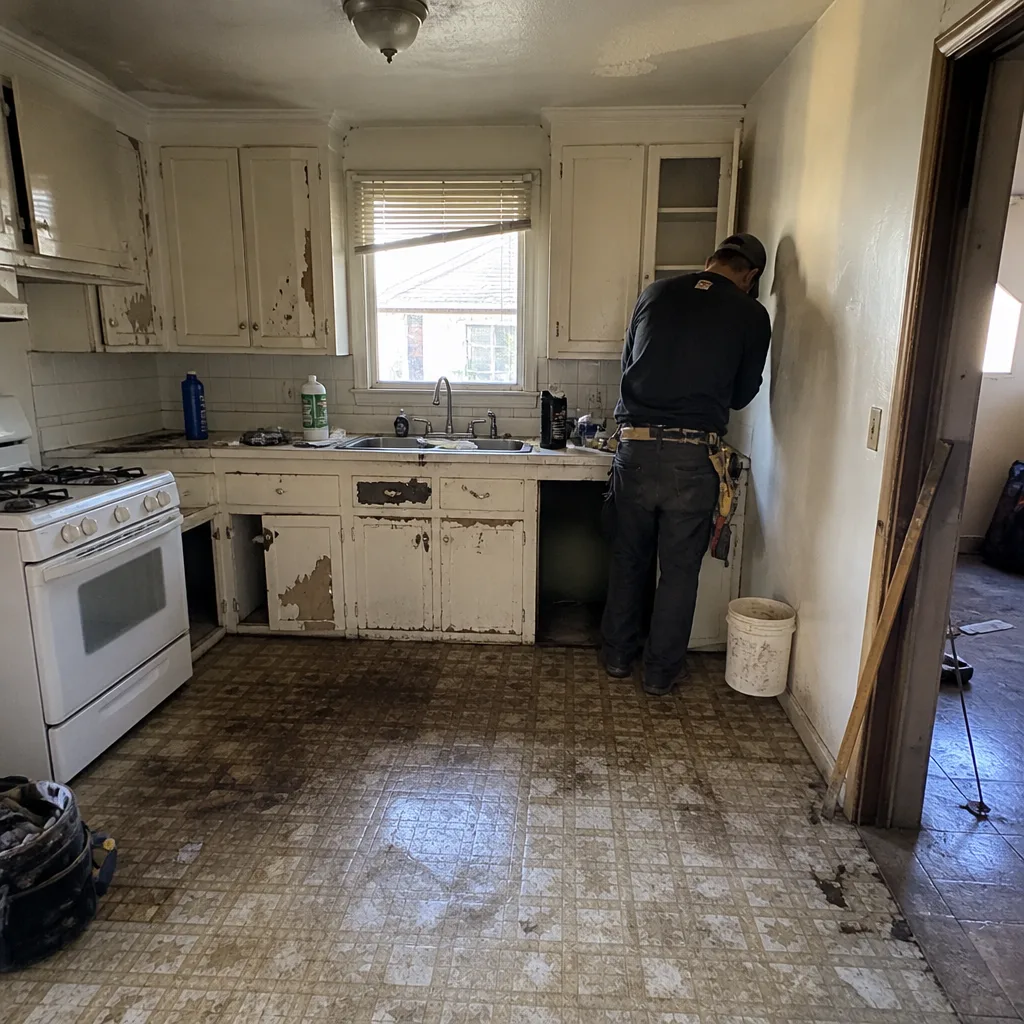 Before
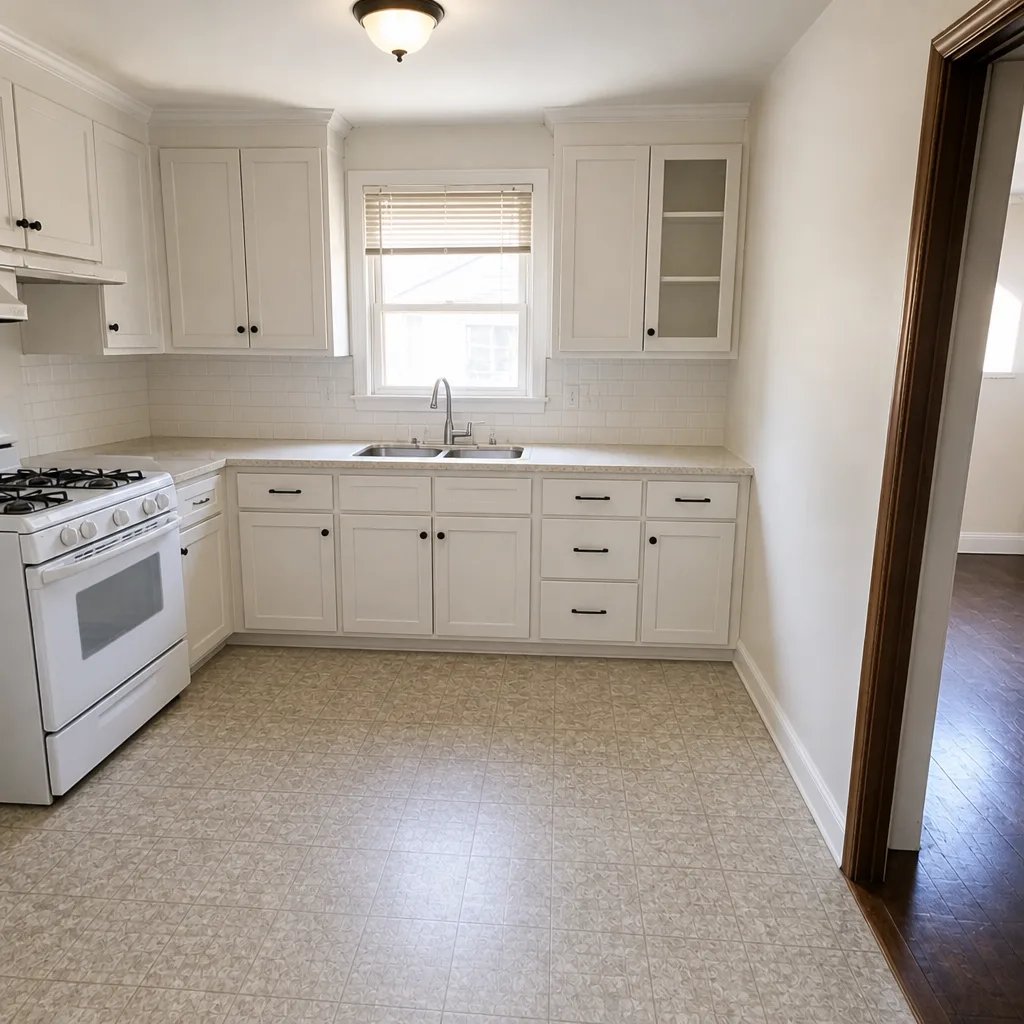 After
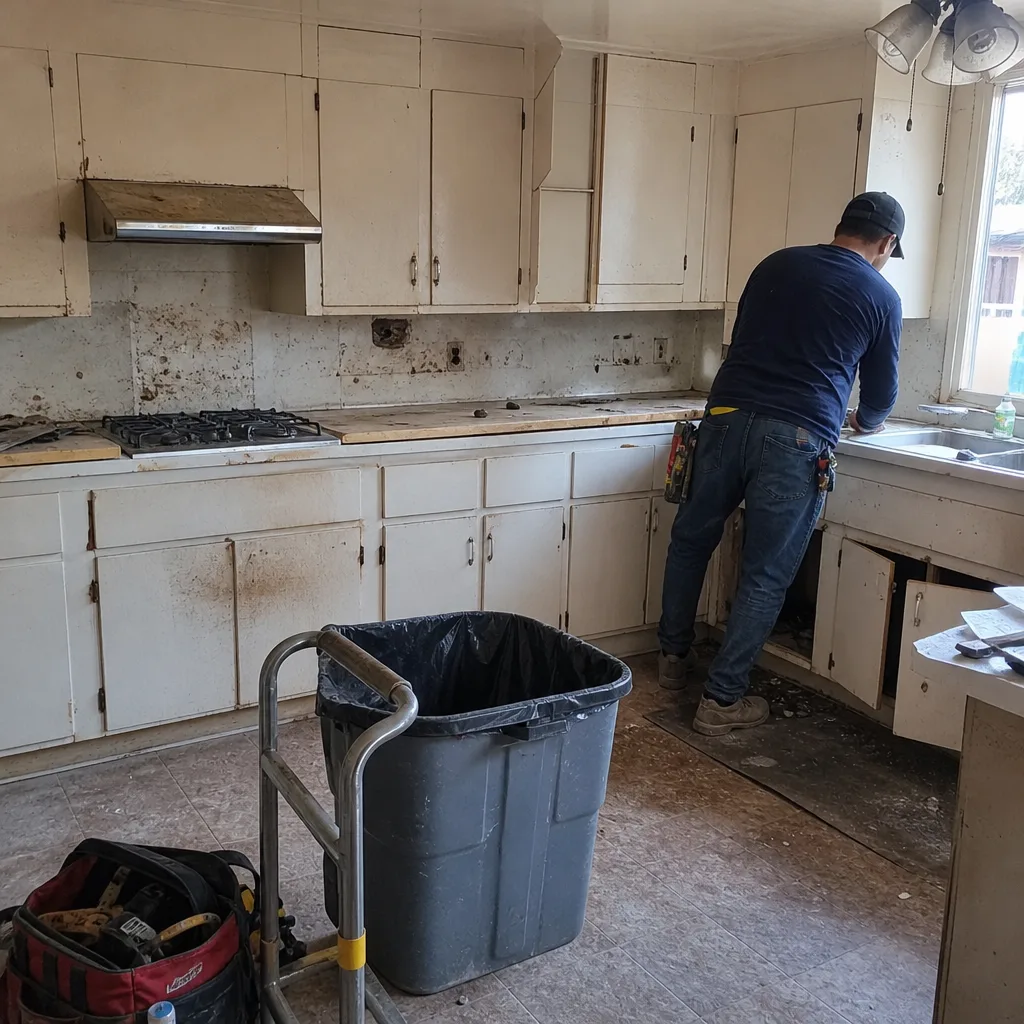 Before
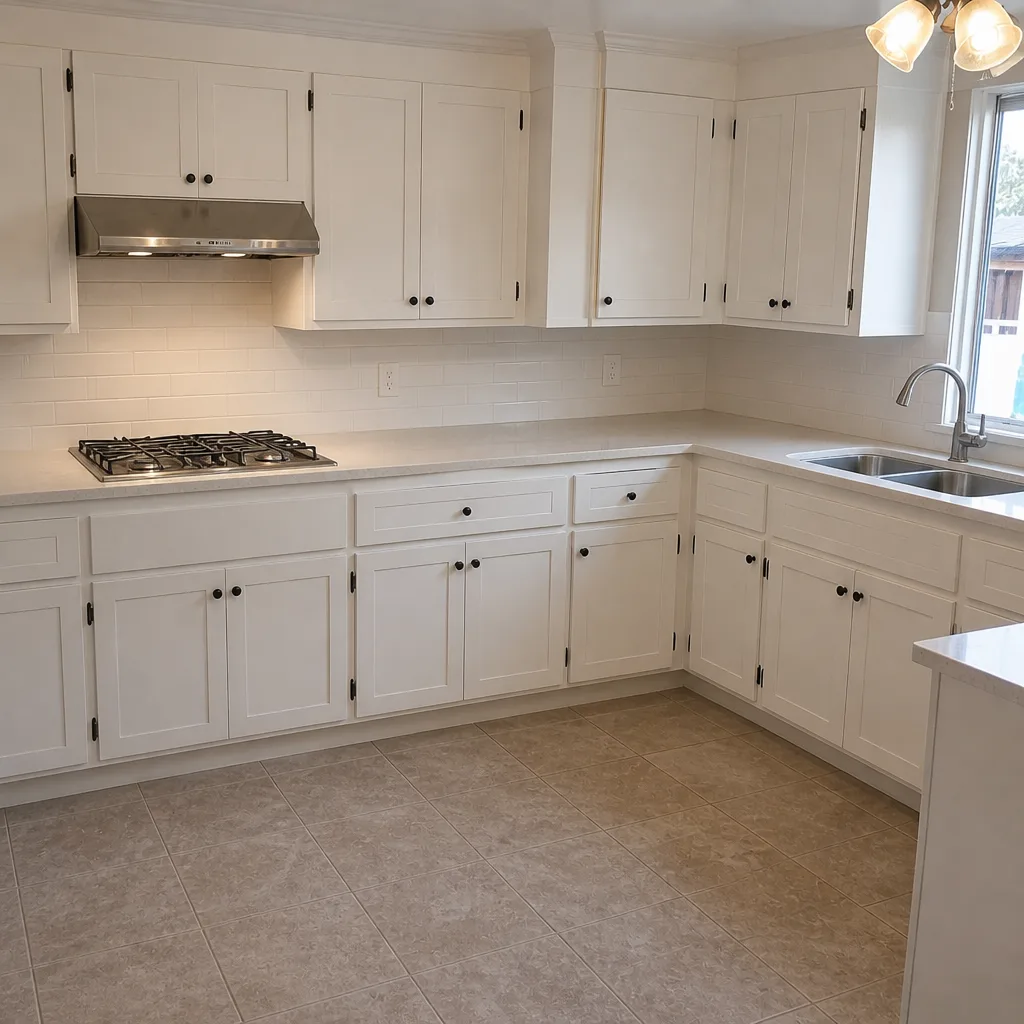 After
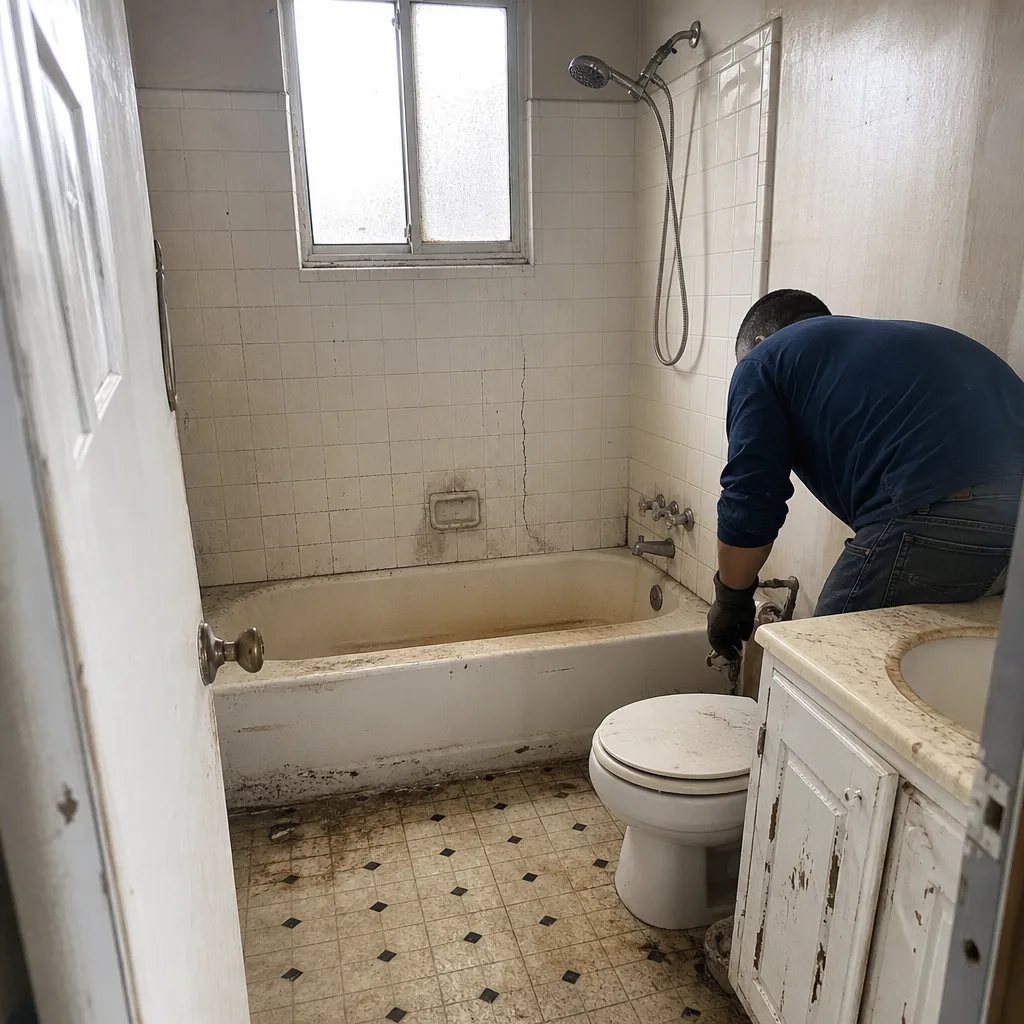 Before
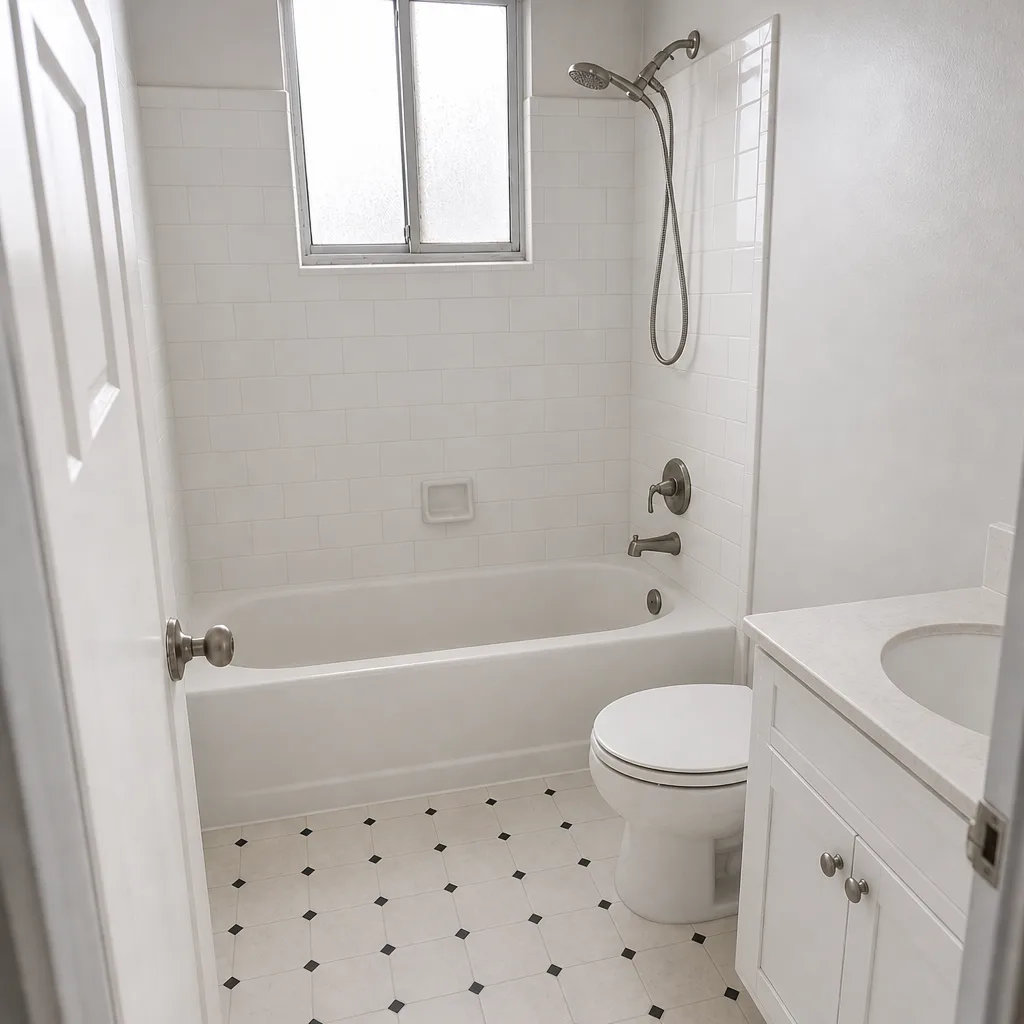 After
When to Call a Professional
Some Buena Park projects are genuinely dangerous to handle yourself. Any work involving electrical panel changes, gas line modifications, structural framing, attic ventilation tied to roof structure, or an addition that involves foundation and shear wall work should go to a licensed professional. Roof work at height carries obvious risk, and older homes often have underlying issues that only a trained eye recognizes. A bathroom wet-wall rebuild and a full kitchen redesign are jobs a contractor should own from start to finish. If your project involves a structural change, a new window opening, or a new roof, get the professional involved before you make the decision. Groundwork Construction Co. of Buena Park offers free estimates in Buena Park – call (833) 522-5059 to schedule yours. A written line-item estimate costs nothing and puts the scope on paper.
Frequently Asked Questions

California limits home improvement contract deposits, and a reputable Buena Park contractor will stay within that limit. Treat anything above a modest material-ordering amount as a red flag, and never pay the majority of the project cost up front. Call (833) 522-5059 for a written payment schedule with your free estimate.
A kitchen remodel usually needs a permit if it touches electrical, plumbing, or structural elements. Cosmetic swaps like cabinet doors, countertops, or flooring may not require one. Buena Park’s building department can confirm the threshold for your specific scope. Call (833) 522-5059 if you want a contractor who pulls permits and passes inspections as standard practice.
Most single-family roof replacements in Buena Park run a few days from tear-off to final inspection, depending on the roof’s pitch, size, and how many layers need to come off. Additional layers, complex flashing, or structural repairs add days. A written itemized bid will show what triggers that timeline. Call (833) 522-5059 for a free estimate on your roof.
Ask for the written change order. If the contract requires written change orders before work happens, that’s the mechanism for any price change. A mid-project request for more money without a written change order and signed approval is a serious red flag. Call (833) 522-5059 to talk through a second opinion, no cost.
Pull the CSLB record, cross-check the business address against the Secretary of State entity search, and ask the contractor to name recent Buena Park projects they’ve completed. A local area code proves nothing; a verifiable physical address and an active business registration do. Call (833) 522-5059 if you want to see how those checks line up with our own paperwork.
A proper written warranty should tell you how long workmanship is covered, what triggers a callback, and how to reach the contractor for a service call. Groundwork backs every project with a 730-Day Done Right Promise, one of the longest workmanship guarantees in the residential construction space. Call (833) 522-5059 and we’ll walk through the warranty line by line.
The Bottom Line
A Buena Park homeowner’s best protection isn’t the license number alone. It’s the whole picture: a live CSLB status check that includes the bond, the insurance flags, and the complaint history; an itemized bid that shows materials, labor, and permits line by line; a contract with written change order requirements and lien releases; and references that reveal how the contractor handles problems. Those four checks close the gaps that the standard advice leaves open. That’s the difference between a project that runs its course and one that runs both of you ragged. From foundation to finish line, the right contractor shows you the paperwork before you ask.
If you’re ready to compare a written, itemized estimate against the numbers you’ve collected, Groundwork Construction Co. of Buena Park can help. We quote projects with no-hassle upfront pricing, a written line-item scope, and a 730-Day Done Right Promise that covers every job. Our technicians have up to 12 years of experience, and calls are answered by a live person 24/7. From our Groundwork Construction Co. of Buena Park home to our full service lines – including Driveway & Pavers in Buena Park and Fence Installation in Buena Park – every project is quoted the same way. Call (833) 522-5059 for a free project estimate and design consult. The number you see is the number you pay.
Written by the team at Groundwork Construction Co. of Buena Park.