

Free written scope consultation - allowances, timeline, and change-order rules on paper before a single trade is scheduled
Styles & brands we work with
- Kitchen remodeling
- Bathroom remodeling
- Home additions & ADU
- Roofing
- Windows & doors
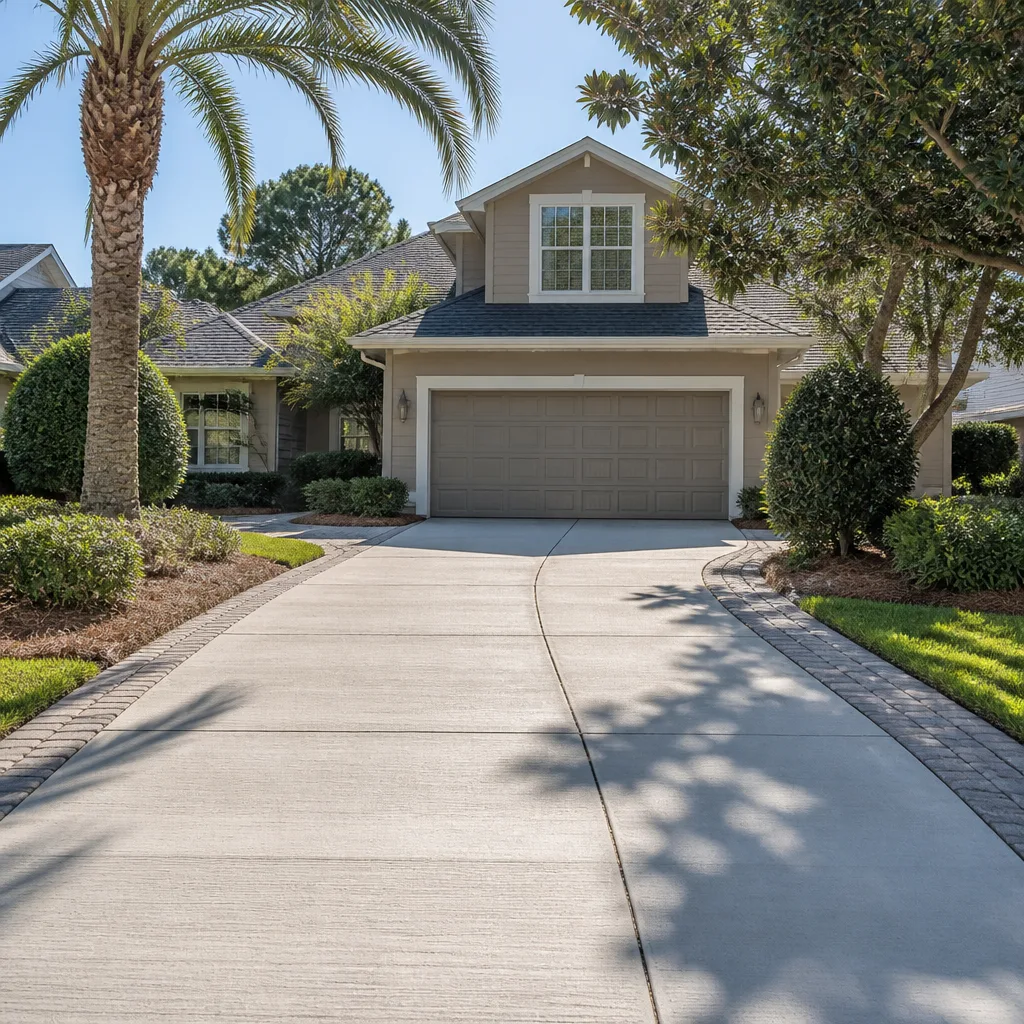
- Driveway & pavers
- Fence
See the difference
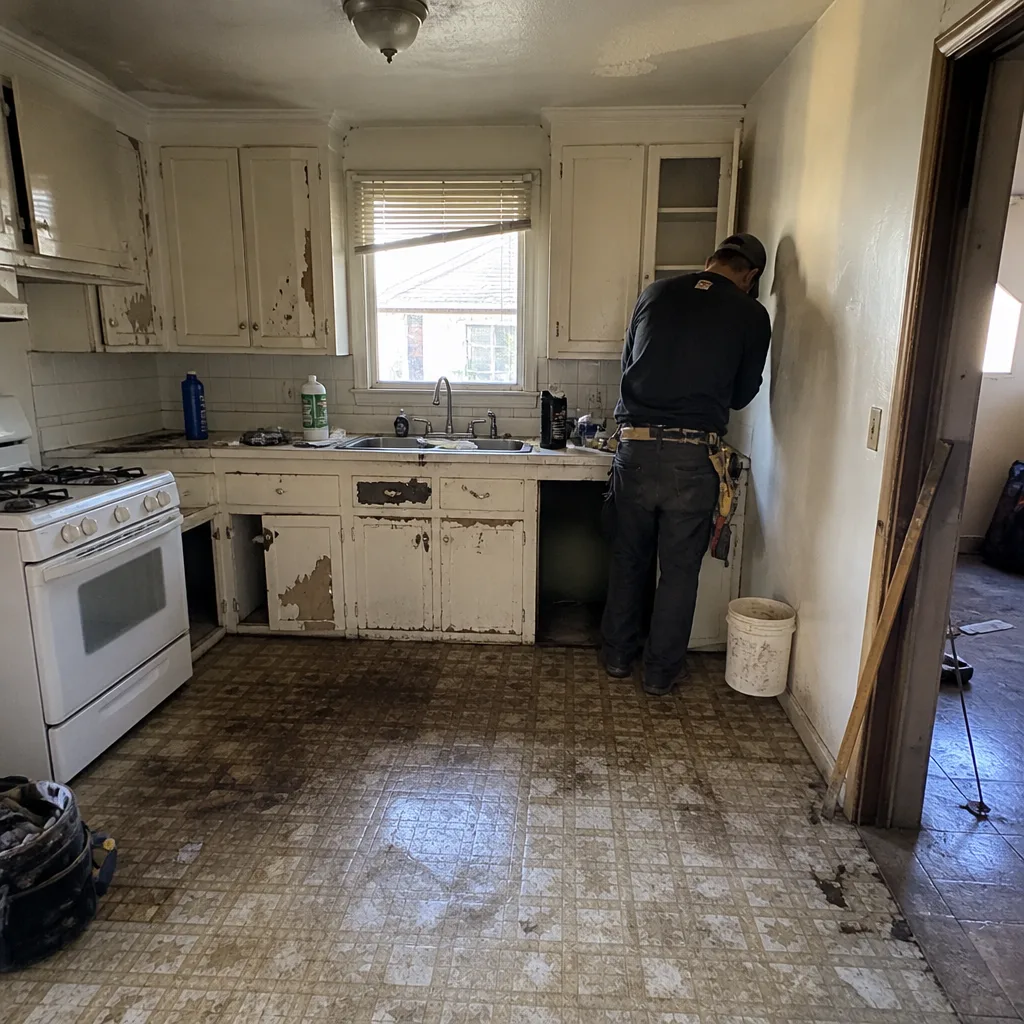 Before
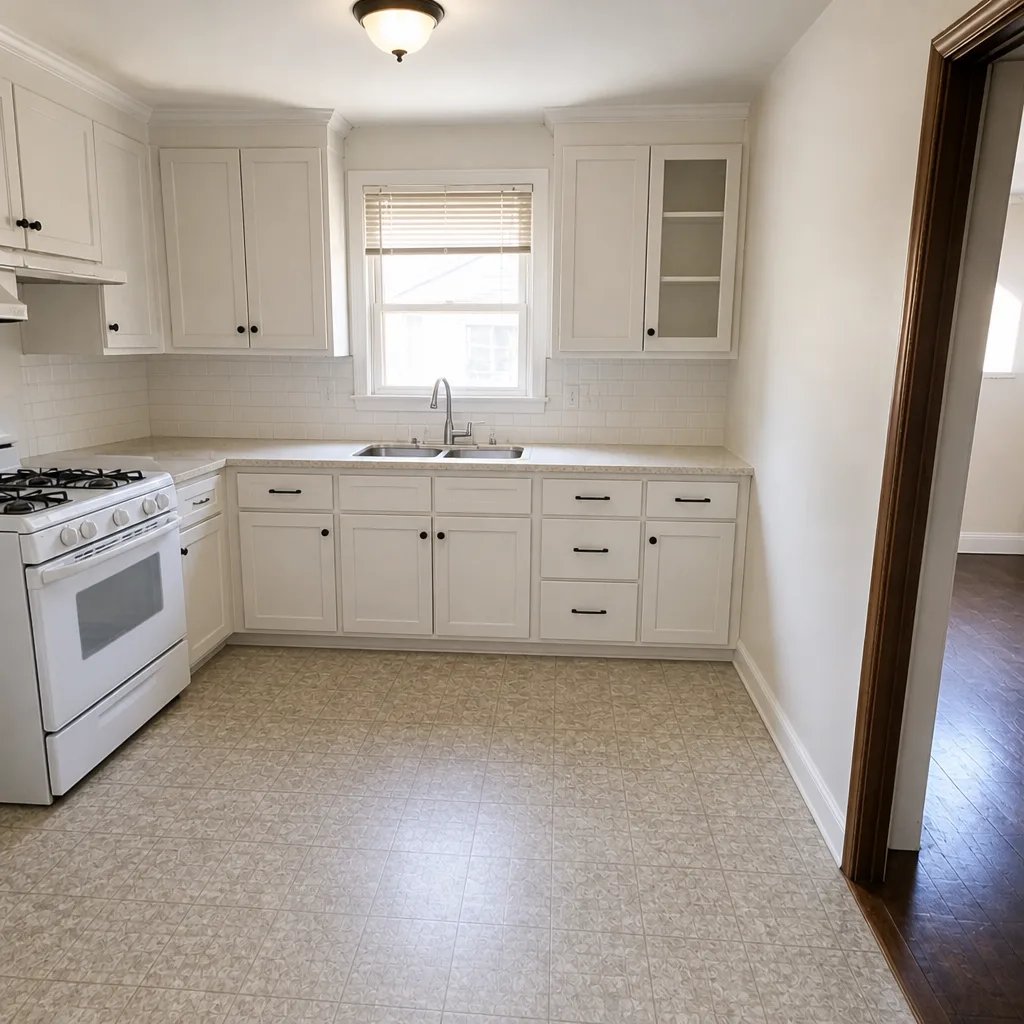 After
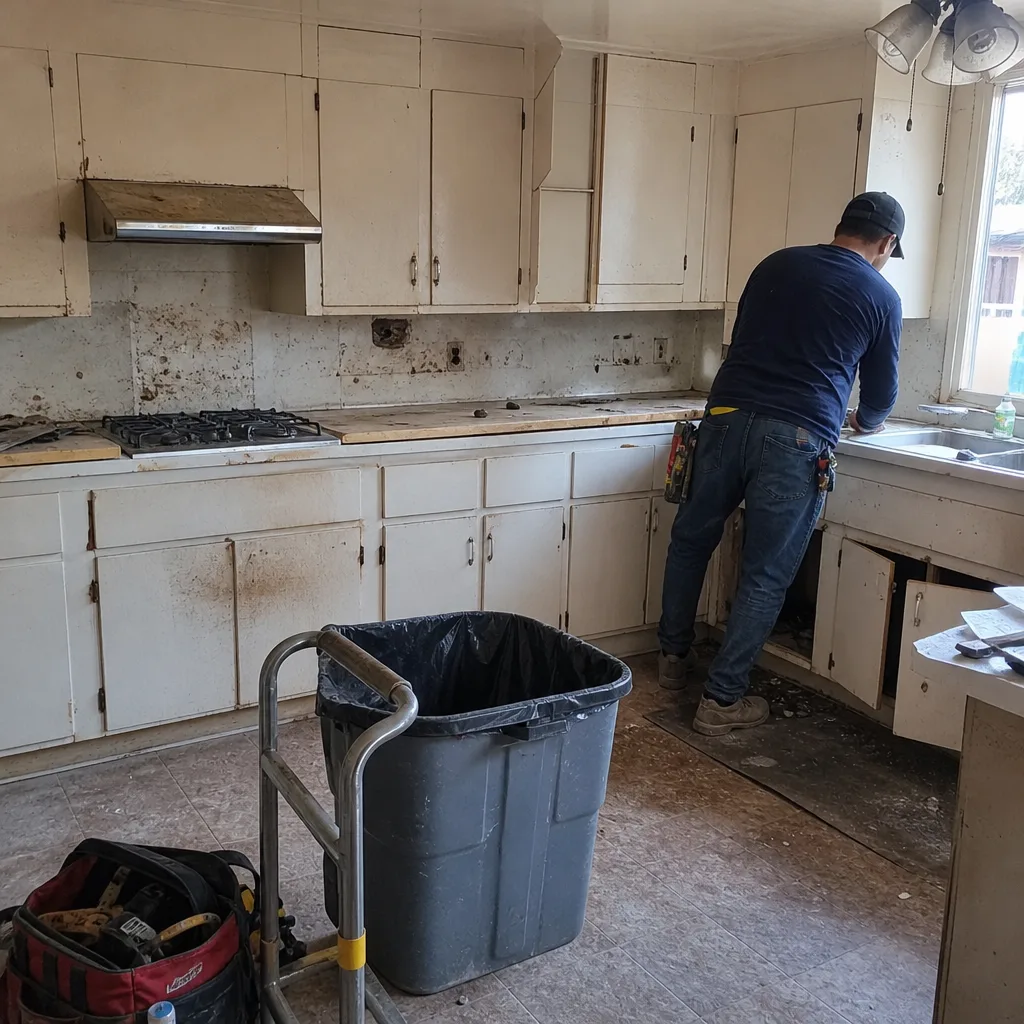 Before
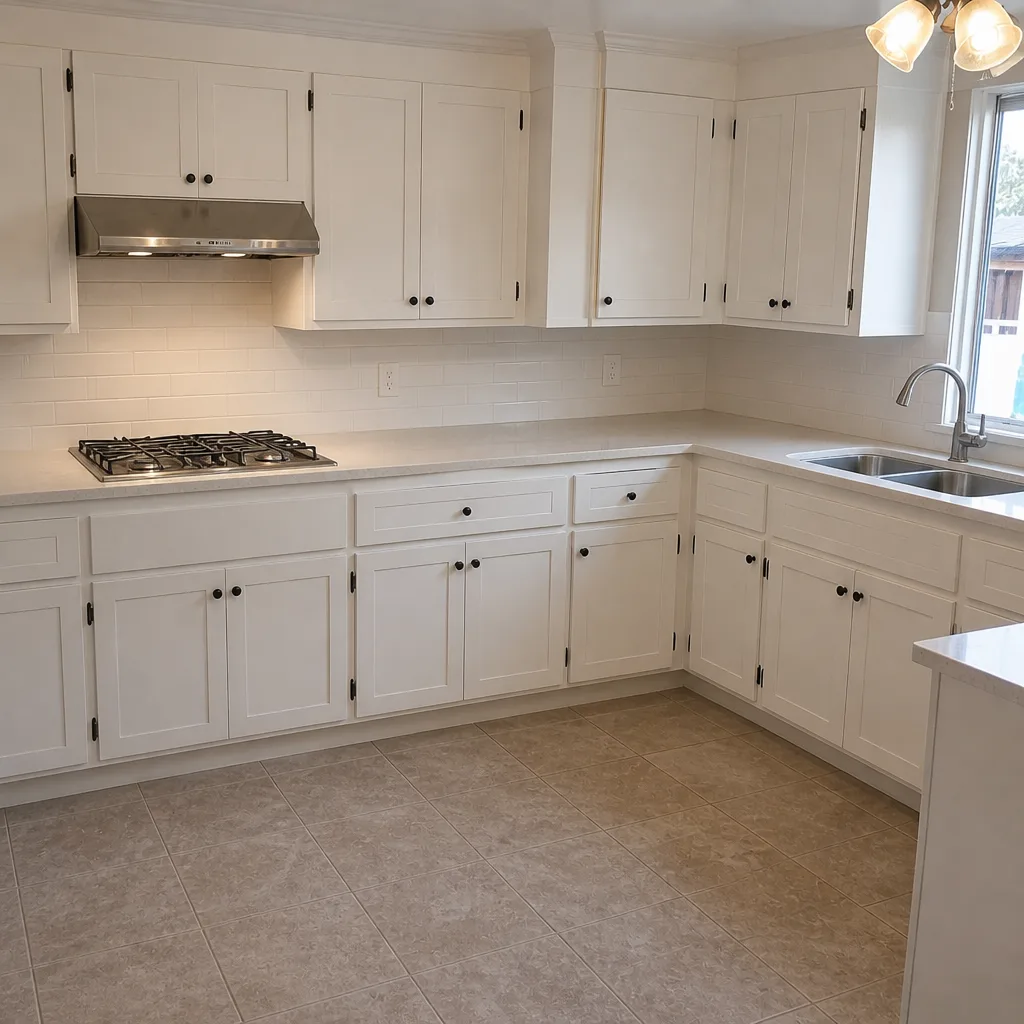 After
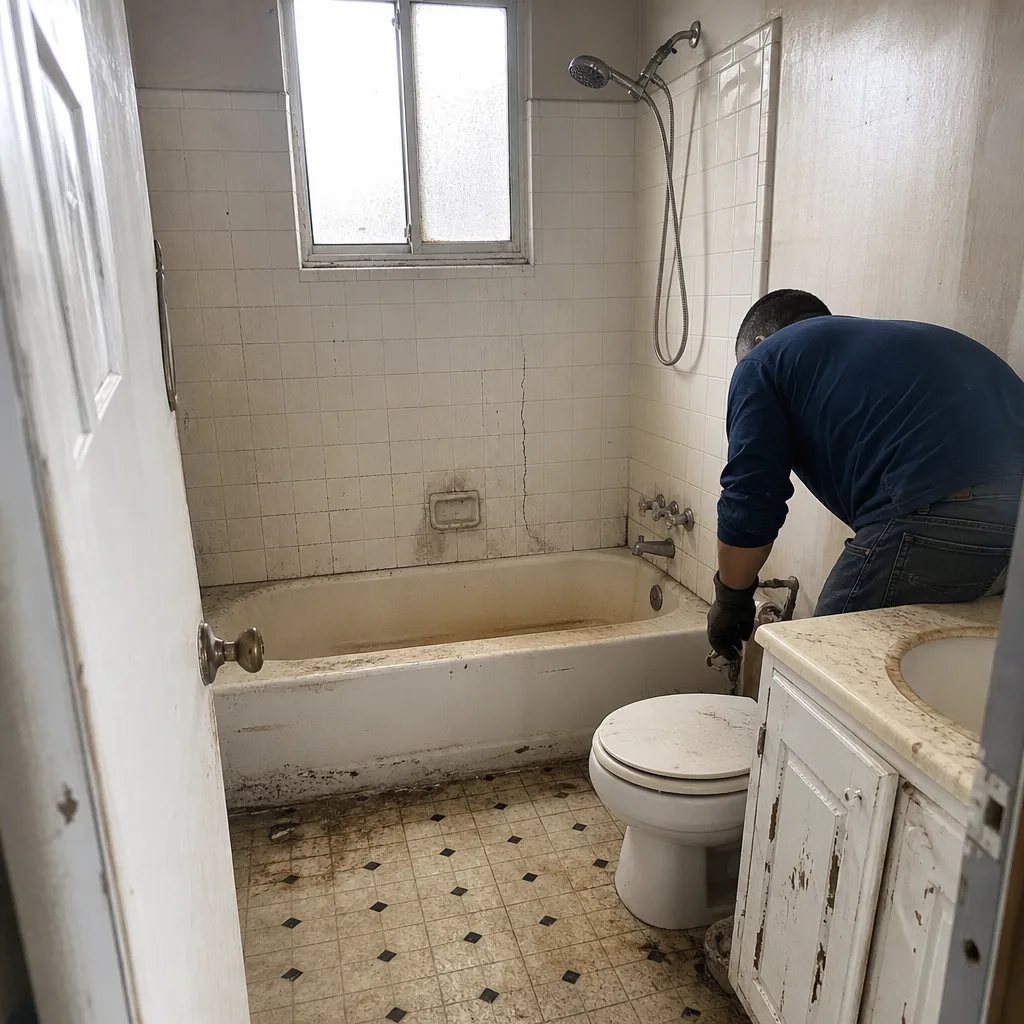 Before
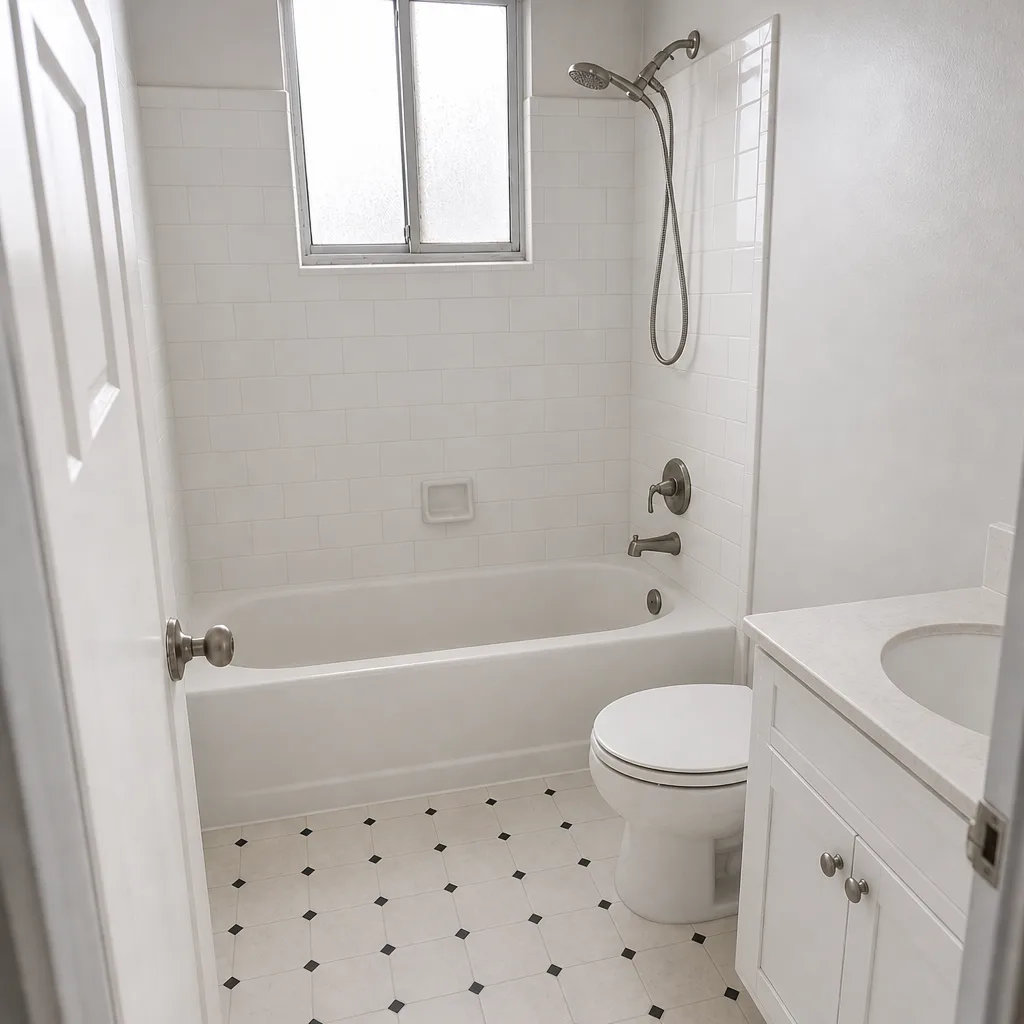 After
How Long Before You Can Drive on New Concrete in Buena Park, CA?
Your new concrete driveway will probably hold a car at 7 days. It won’t reach its design strength until 28. Those aren’t the same thing, and in Buena Park’s summer heat, what happens in the first 72 hours matters more than either number. The 7-day figure you see on most sites assumes moderate curing conditions. In Buena Park, where June through September routinely pushes concrete surface temps well past the air temperature, the real answer depends on the season, the mix, and whether anyone bothered to cure the slab properly. Have a pour coming up? Call Groundwork Construction Co. of Buena Park at (833) 522-5059 and we’ll walk you through a cure schedule that matches your pour date.
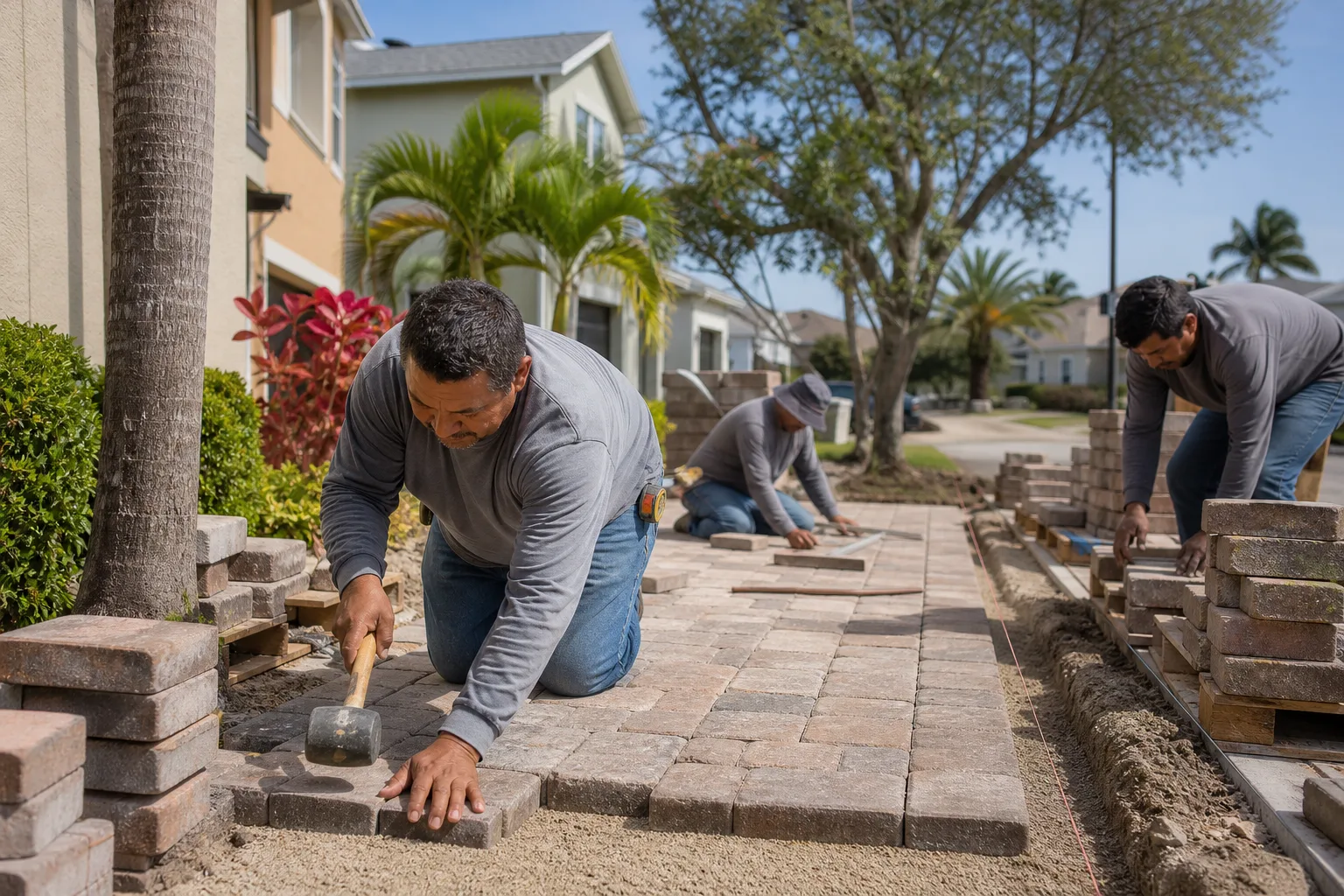
Why “7 Days” Is a Rule of Thumb, Not a Guarantee
Concrete doesn’t dry. It cures, which is a chemical reaction between cement and water that keeps going long after the surface looks hard. The strength curve is well documented: roughly 50-60% of design strength at 3 days, around 70-75% at 7 days, and full design strength at 28 days. When a mix is specified at 4,000 psi, that’s the 28-day number. At day 7 you’re parking a 3,500-pound vehicle on a slab working with about three-quarters of its rated capacity.
That usually works. It’s why the 7-day advice survives. But “usually works” and “guaranteed” are different promises, and the gap between them is where preventable damage lives.
What “design strength” actually means for a car
Design strength is the load the slab was engineered to carry with a safety margin built in. A stationary car on four tires isn’t one big weight, it’s four concentrated point loads, each one pressing a few square inches of rubber into the surface. Concrete handles that fine at full strength. At 70% strength, near an edge or a control joint, the margin gets thinner than most homeowners realize.
Buena Park’s Summer Heat Cuts Both Ways
Buena Park sits in that coastal-influenced pocket of Orange County where the marine layer burns off by mid-morning and summer afternoons land in the high 80s to near 100°F. On a slab in direct sun, the surface runs hotter than the air. Concrete loves warmth for early strength gain: your 3-day strength in August looks better than a February pour ever will.
The problem is moisture. High heat and dry air pull water out of the mix before the cement has finished reacting with it, which is the recipe for plastic shrinkage cracking, and those cracks show up in the first day, not the first month. A crew that pours in July and drives off without curing isn’t finishing the job. They’re gambling with your slab.
Active curing in the first 72 hours is what separates a driveway that lasts from one that maps out with hairline cracks by fall. That means wet burlap kept damp, a proper curing compound, or plastic sheeting, applied within hours of finishing, not the next morning. Our crews leave written cure instructions with every homeowner, including a summer-pour note specific to Buena Park’s heat, and the 730-Day Done Right Promise backs premature surface failure when those instructions are followed.
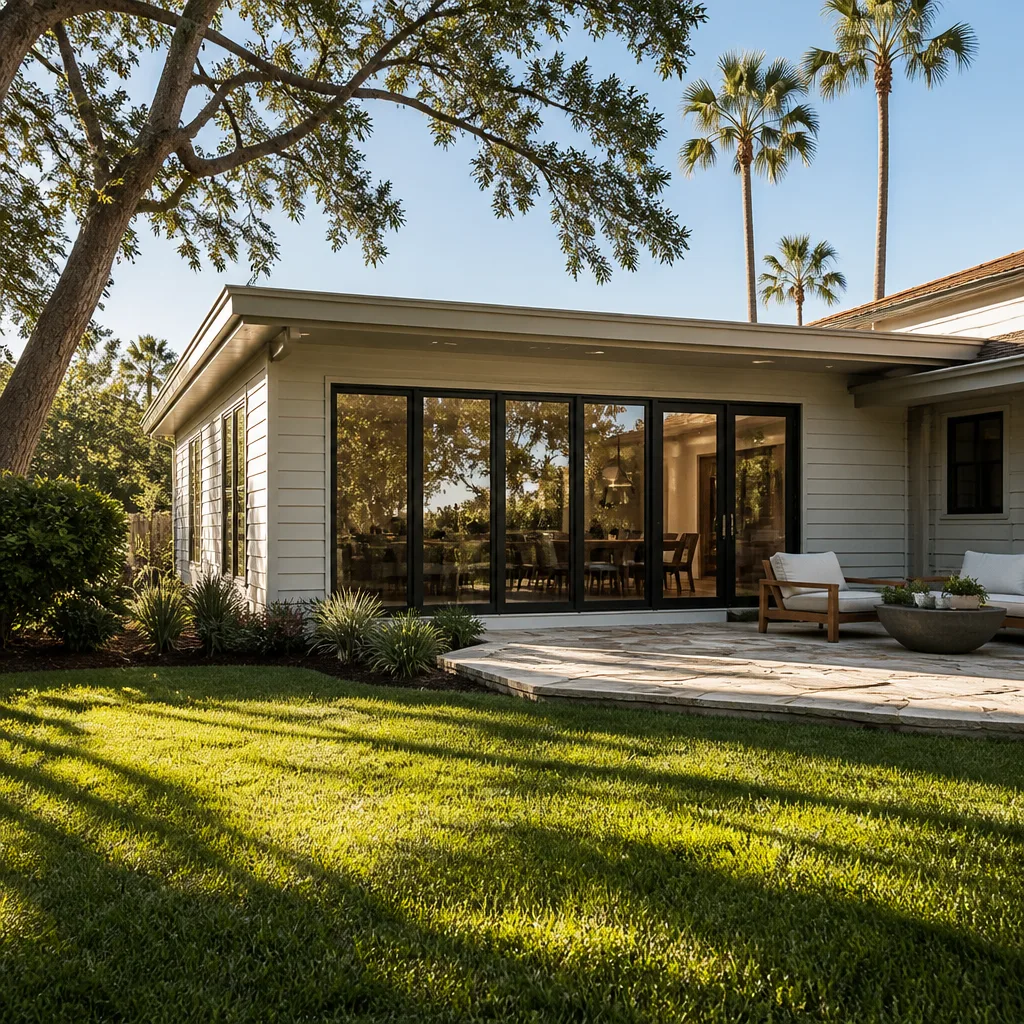
What to Look For in a Concrete Pour
If you’re comparing bids on a Driveway & Pavers project, here’s what separates a real plan from a verbal shrug. Ask each contractor the same questions and watch who has specific answers.
- A written cure plan. Which method, applied when, kept wet or sealed for how many days. If the answer is “it cures itself,” keep looking.
- Pour timing relative to the forecast. Summer pours should start early. Ask whether they’ll schedule around a heat spike or pour straight through it.
- Control joint layout on paper. Joints are planned before the pour, spaced to control where cracks go, not added afterward as an afterthought.
- Edge and apron detailing. The transition from your driveway apron to the public sidewalk is where vehicles load the slab hardest. It deserves specific attention in the bid.
- A workmanship guarantee in writing. Ours runs 730 days. If something fails because of how it was poured or cured, we make it right.
Driving Across vs. Parking in the Same Spot
Rolling across a 7-day-old driveway is a passing load. The slab feels it for a second and recovers. Parking in the same spot is a sustained point load: the same four tire patches pressing the same four areas for hours, day after day. Repeated stationary loading on young concrete concentrates stress near edges, corners, and control joints in a way a rolling tire never does.
For the first two weeks, we tell Buena Park homeowners to park on the street if they can. If you can’t, keep vehicles off the slab for the first 7 days, then park in a different spot each time until day 28. It sounds fussy. It costs nothing, and it protects the part of the slab that fails first.
Where New Concrete Fails First: The Edges
Edges and corners of a new slab are the last zones to reach design strength. They lose moisture from more exposed surfaces, so they cure slower and stay weaker longer. In Buena Park, where almost every driveway ends in an apron meeting the city sidewalk, that edge takes a beating: car after car pulling in and out, tires loading the same lip at the same angle. Most early edge spalling we get called out to fix traces back to regular traffic before day 28, not to a bad mix.
Give the apron and corner zones the full month before you treat them as normal driveway. Park half a car length back for the first few weeks if your layout allows it.
What Concrete Driveway Work Costs in Buena Park
Pricing depends on square footage, removal of the old slab, base prep, and access. Here’s what Buena Park homeowners typically see, and it’s the number you’ll be quoted: upfront pricing, no surprises.
- Concrete driveway installation: $4,500-$12,000
- Driveway replacement (demo + pour): $5,000-$14,000
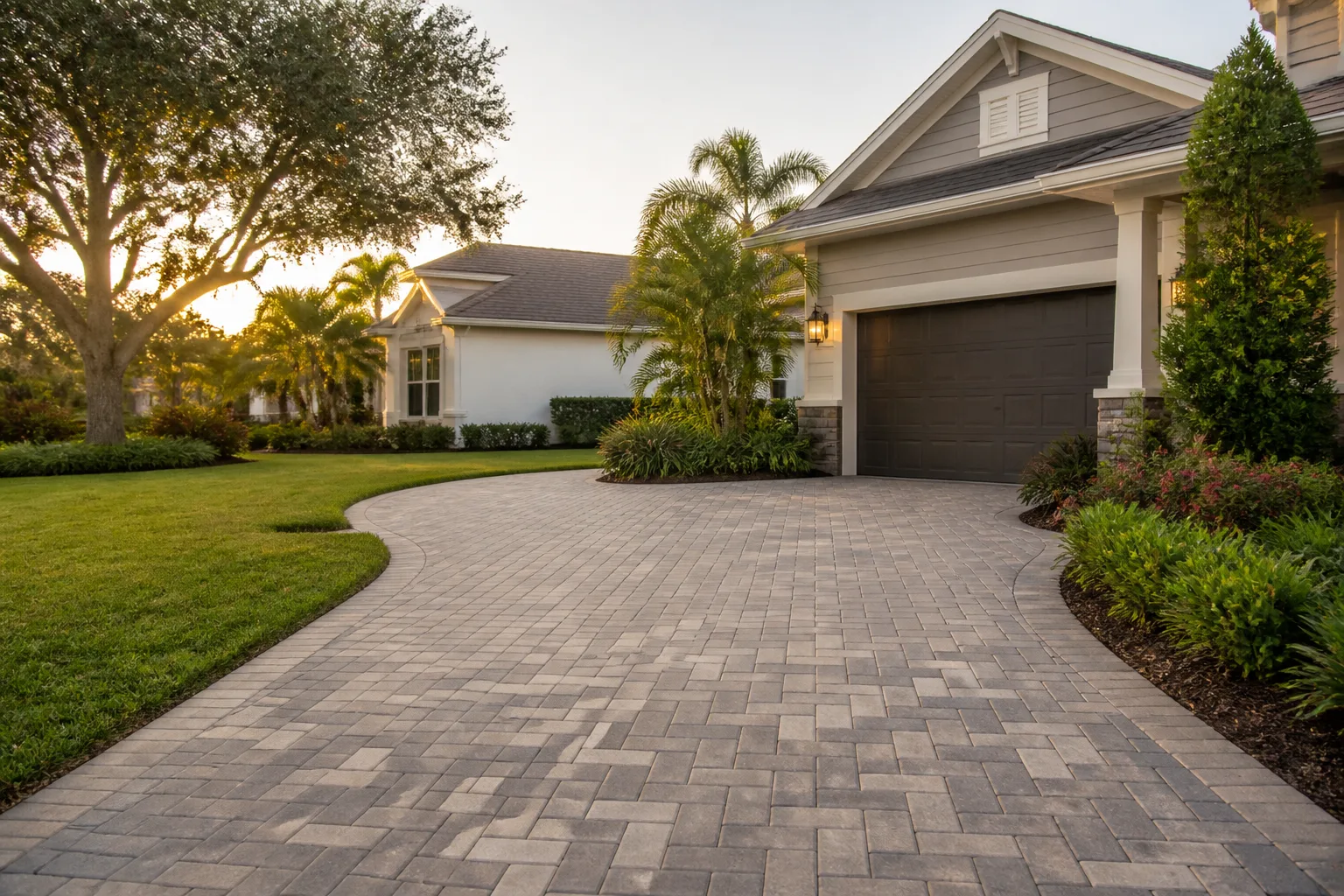
- Paver driveway installation: $7,000-$18,000
- Asphalt driveway paving: $3,500-$9,000
- Driveway sealing: $250-$700
Sealing matters for the long haul but not early: wait until the slab has fully cured, which is weeks past day 28, before any sealer goes down. Projects over $10,000 qualify for $1,000 off, and 0% financing for 18 months is available if you’d rather spread the cost. The estimate and design consult are free.
Most Buena Park homes are 1950s-60s single-story tract builds on small lots, and that shapes concrete work here. Driveways are short, side-yard access is tight, and older slabs often hide utility runs, root intrusion, or settled footing conditions that have to be checked before anyone pours. It’s the same tight-setback reality that makes additions on these lots a survey exercise, and it applies to a driveway too. We verify what’s under the old slab before we quote the new one.
Frequently Asked Questions
No, 3 days is too early for a residential driveway carrying a full vehicle. At 3 days concrete has reached only about half its design strength, so a car on the slab at that point risks cracking, especially at edges and joints. Wait the full 7 days as an absolute minimum, and 28 days before you treat it as a normal driveway.
Yes, hot weather accelerates the strength curve, so a July pour in Buena Park may hit its 7-day strength sooner than a January pour. But heat also pulls moisture out fast, which raises the risk of shrinkage cracks in the first 72 hours. Faster early strength only pays off if the slab is actively cured. If you’re planning a summer pour and want it done right, call (833) 522-5059 for a free estimate.
You risk cracks near control joints, edge spalling at the apron, and surface damage that shows up months later. Those aren’t easy fixes, and they usually trace back to load placed on young concrete. Our 730-Day Done Right Promise covers premature surface failure when the cure instructions we leave are followed, so the plan we hand you is worth keeping on the fridge.
You’ll know because it was written down and followed: a specified curing method, applied within hours of finishing, with the slab kept damp or sealed for the required period. Ask for the cure plan in writing before the pour. If a Buena Park contractor can’t tell you the method and timing, that’s your answer. Call (833) 522-5059 and we’ll show you exactly what ours includes.
If you’d rather have it looked at, Groundwork Construction Co. of Buena Park offers a no-pressure assessment in Buena Park. We’ll check the slab, review the cure history, and tell you straight what we see. The estimate and design consult are free, and calls are answered by a live person 24/7. Call (833) 522-5059 to get started.
Written by the team at Groundwork Construction Co. of Buena Park, serving Buena Park, CA.