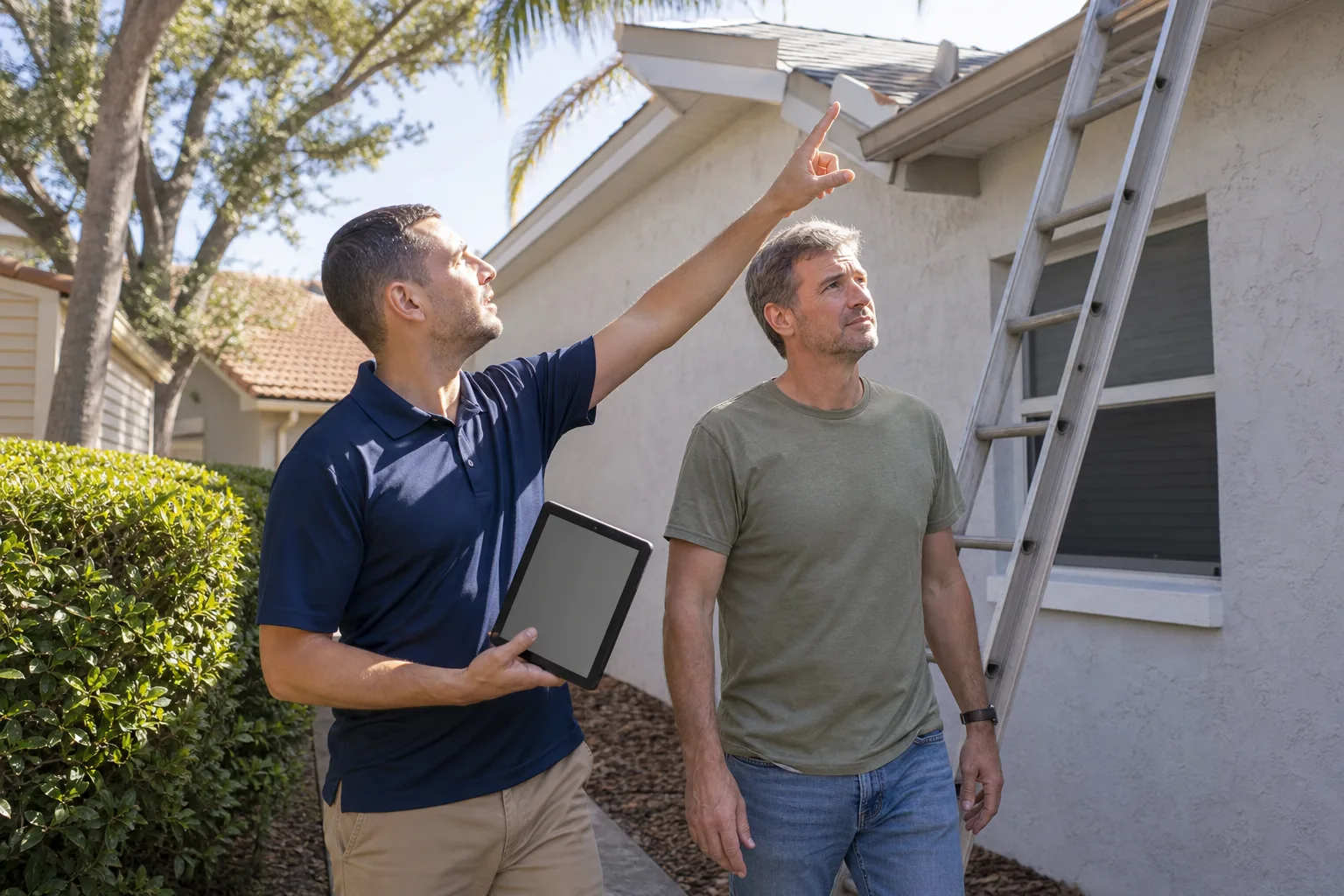
Free written scope consultation - allowances, timeline, and change-order rules on paper before a single trade is scheduled
Styles & brands we work with
- Kitchen remodeling
- Bathroom remodeling
- Home additions & ADU
- Roofing
- Windows & doors
- Driveway & pavers
- Fence
See the difference
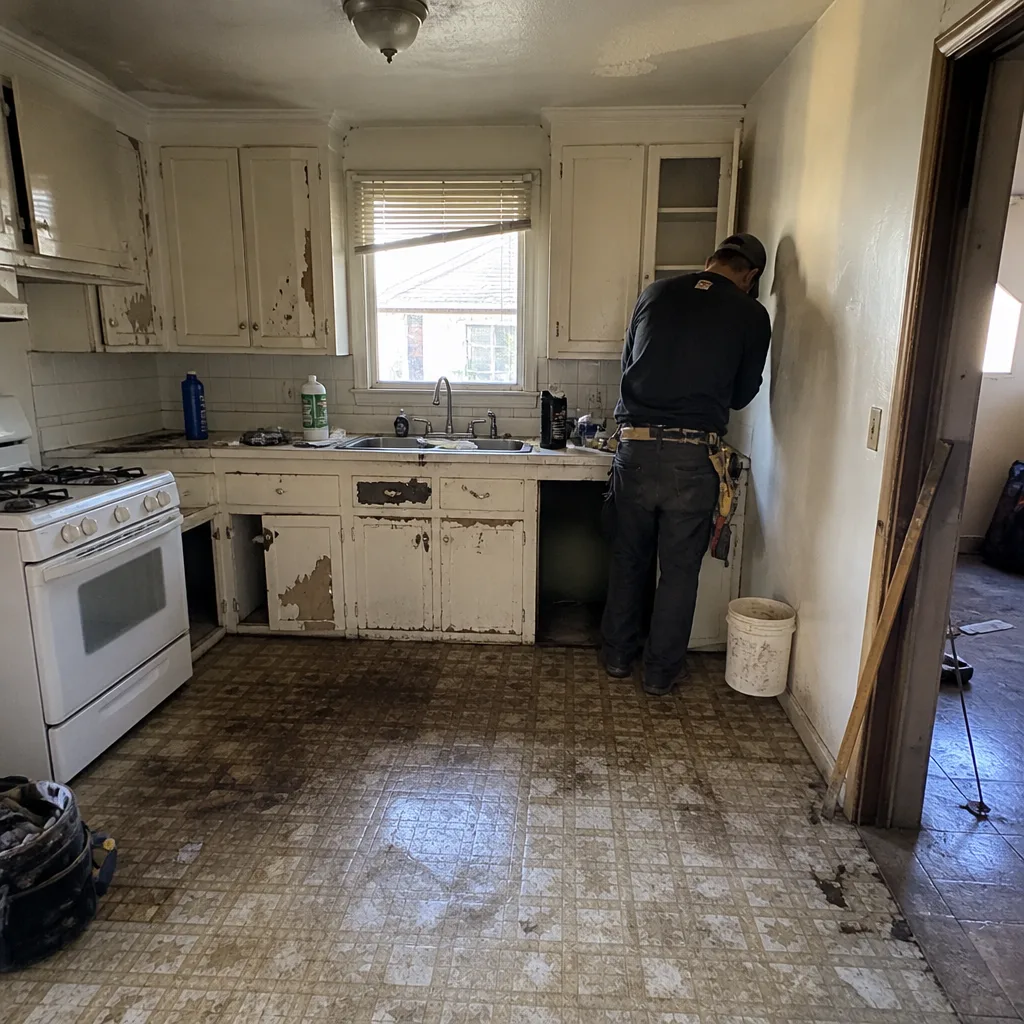 Before
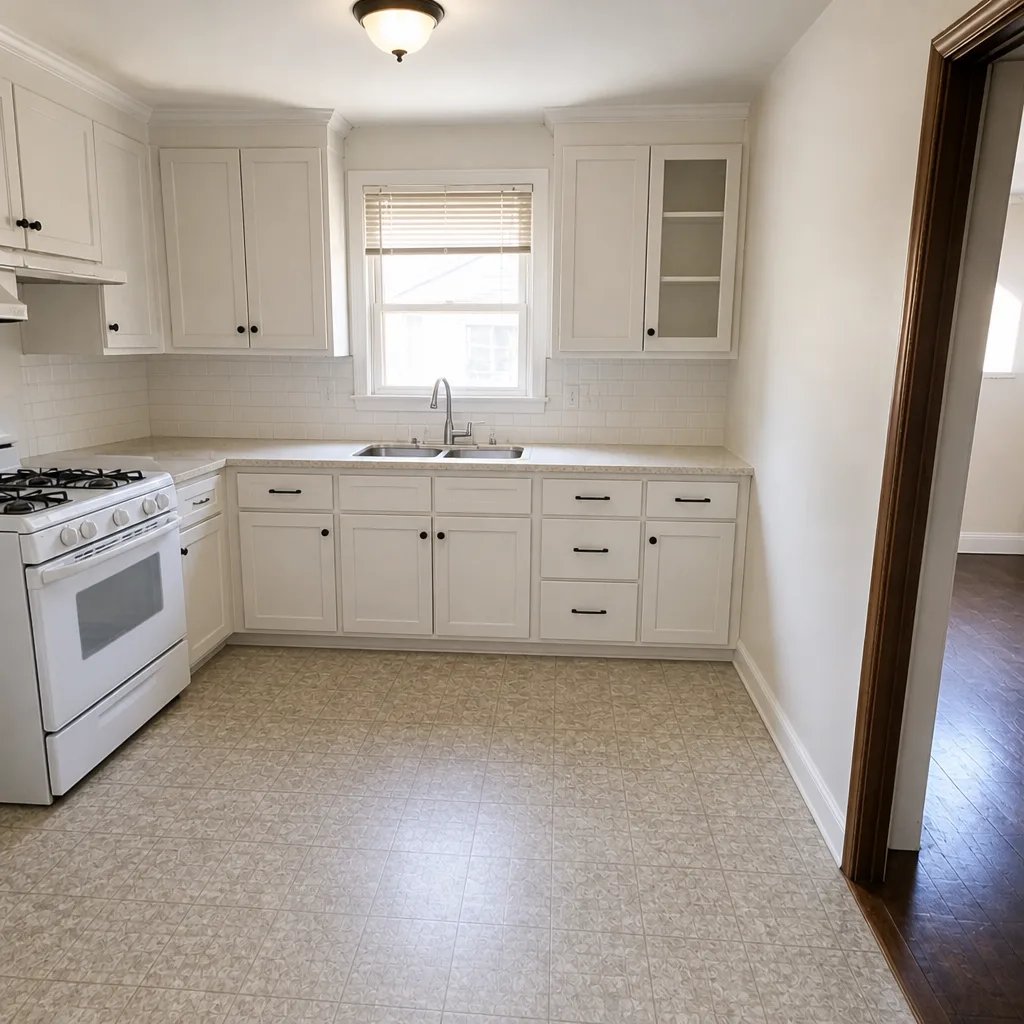 After
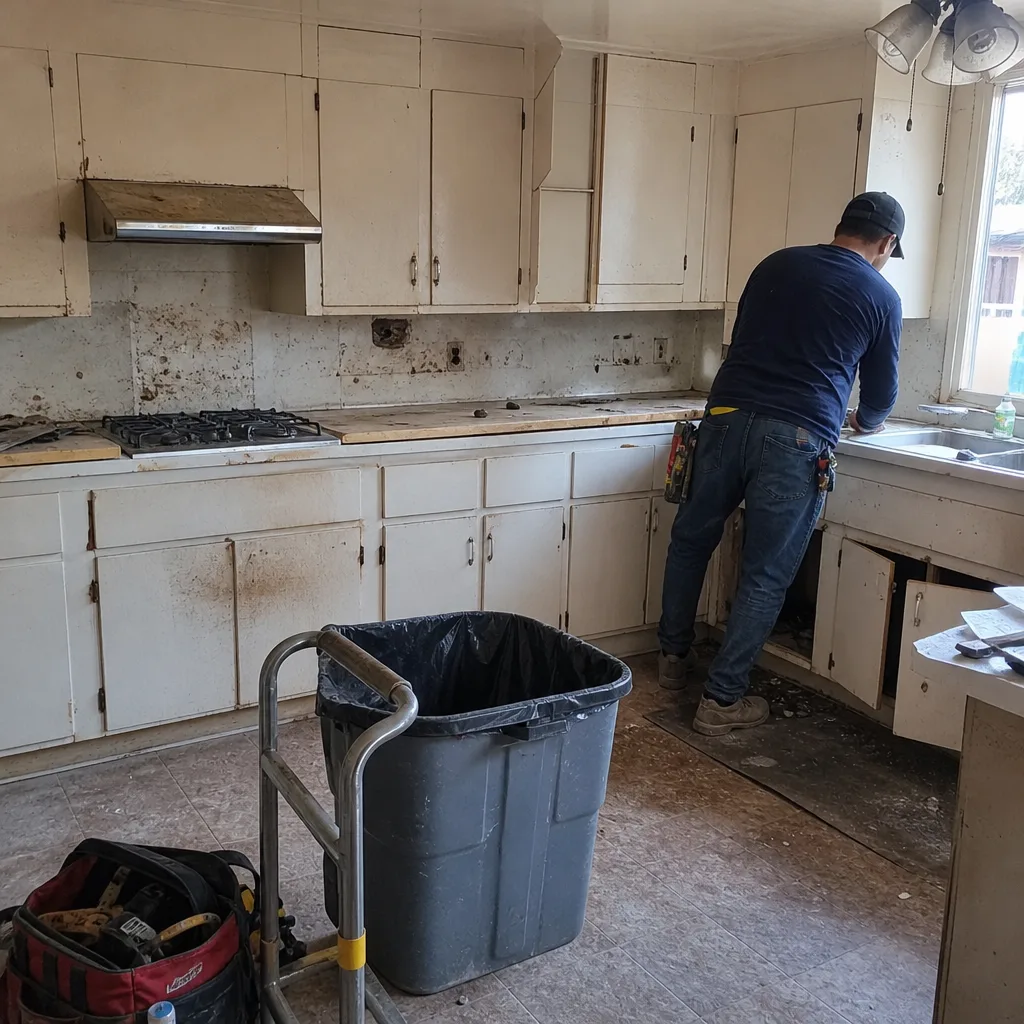 Before
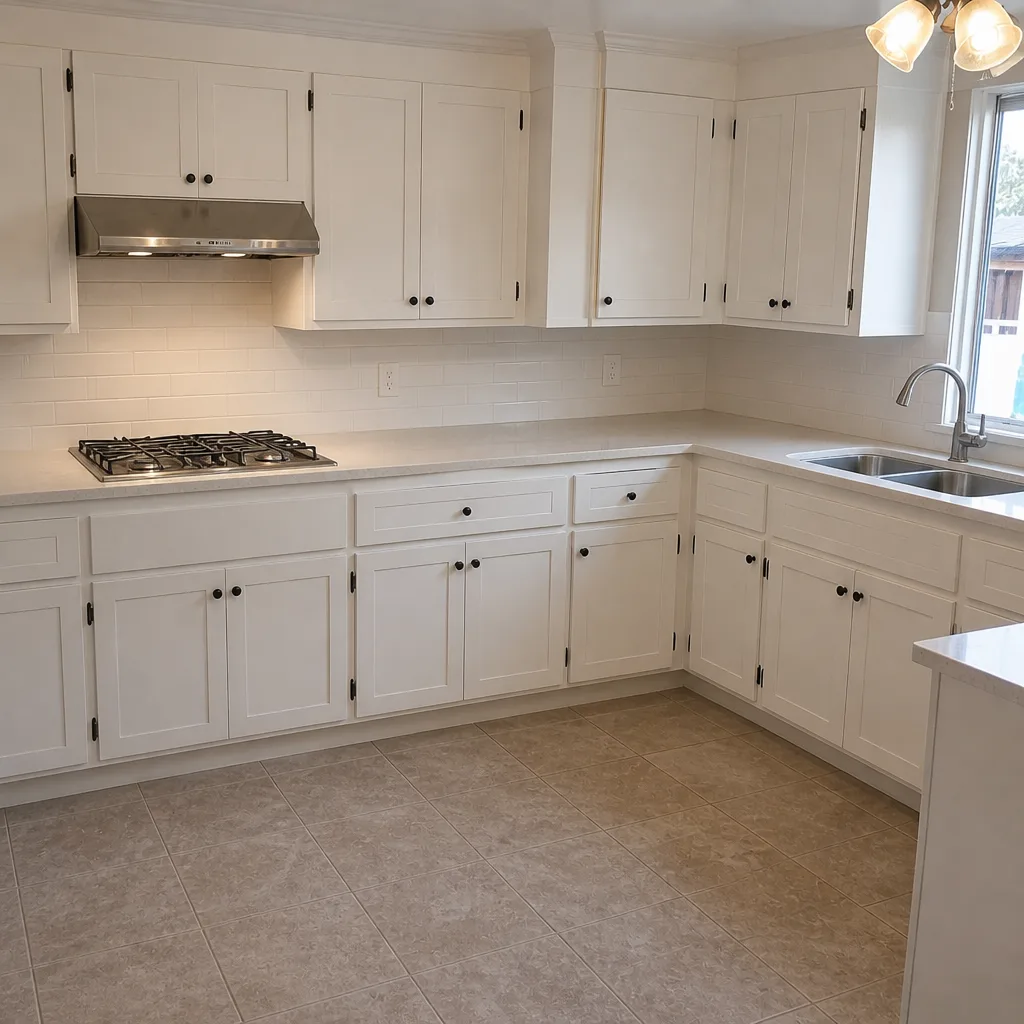 After
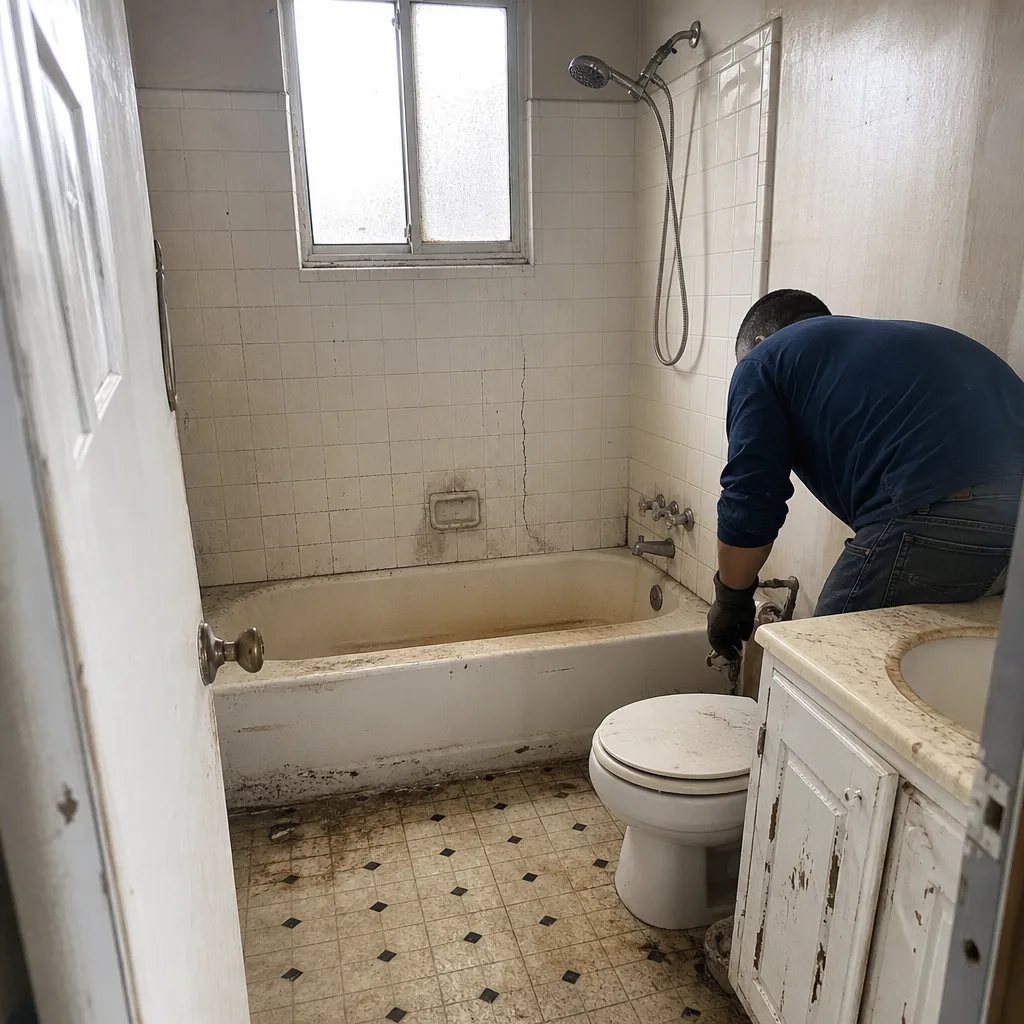 Before
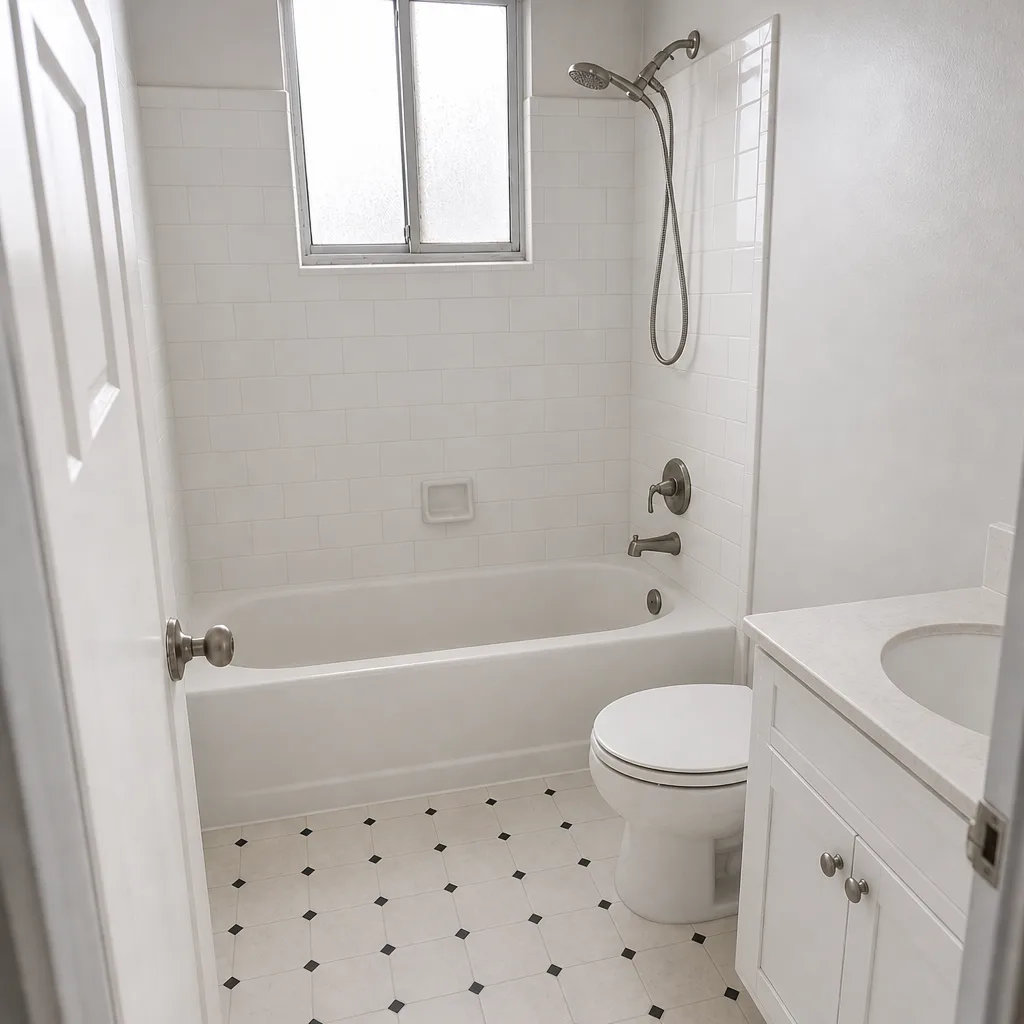 After
What Is Low-E Glass? The Buena Park Answer Most Window Salespeople Get Wrong
Low-E glass is clear glass with a microscopically thin, invisible metallic coating that reflects infrared heat while letting visible light through. There are two very different types, and in Buena Park the coating you actually want is solar-control low-E, not the winter-oriented passive low-E that gets sold in colder states. Pick the wrong one and you’ve paid for a coating that does almost nothing for the west-facing window that bakes your living room every August afternoon. Call (833) 522-5059 for a free estimate on the window package that fits your orientation and your house.
Here’s what we see on jobs: most Buena Park homeowners asking “what is low-E glass” are really asking “is this upgrade worth the money, and did the guy quoting me spec the right product?” Both are fair questions. The short answer to the second one is: not always.
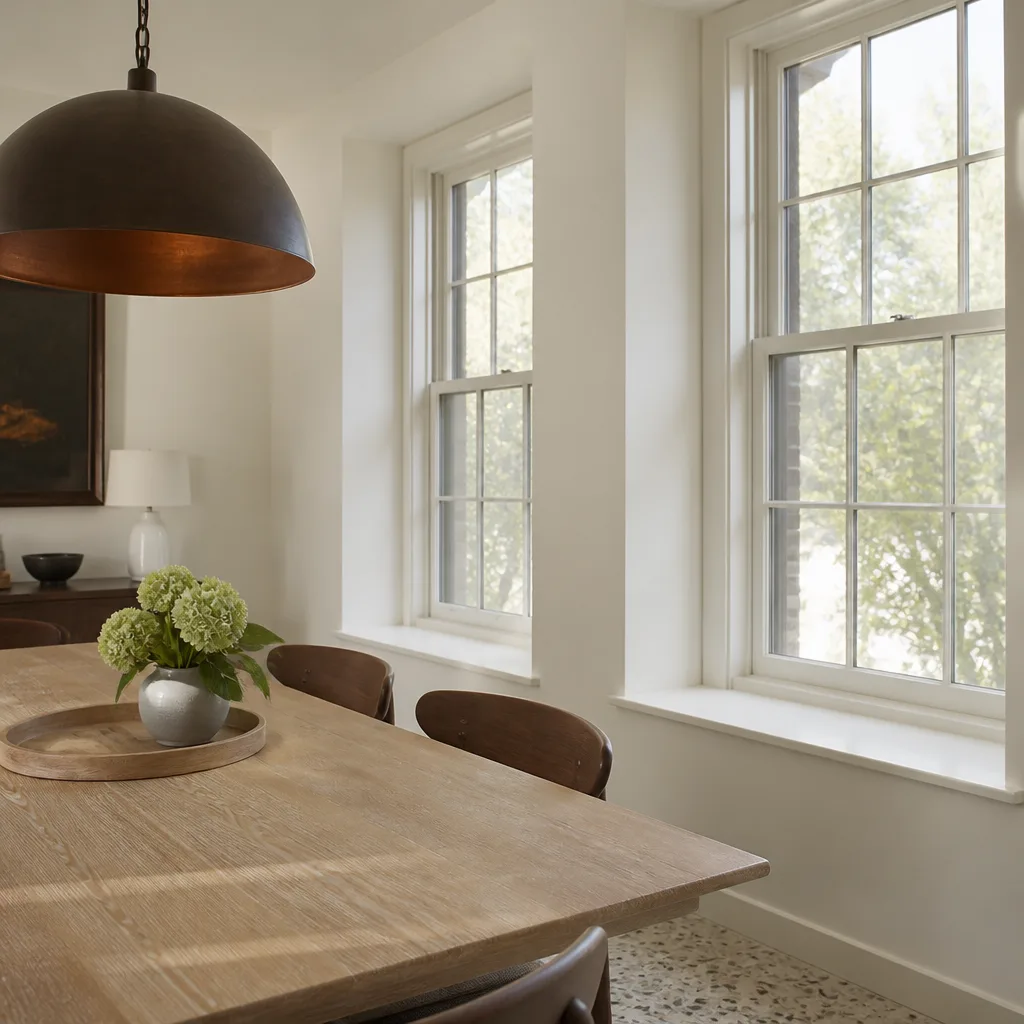
What is low-E glass actually made of, and how does the coating work?
The “E” stands for emissivity. A low-E coating is a layer measured in nanometers, laid down by a manufacturer either while the glass is still molten or in a vacuum chamber afterward. It’s bonded to the glass, not sprayed on, and you won’t see or feel it. What it does is change how the glass handles radiant heat.
Untreated glass is roughly transparent to infrared energy. A low-E coating reflects a meaningful share of that energy back where it came from while still passing visible light. That’s the whole trick, and it’s why the same house with the same windows can run several degrees cooler in the afternoon after a glass swap.
The two types, and why the difference matters here
This is the part that gets skipped. The two coating families are engineered for opposite climates.
- Passive low-E (hard coat) is tuned to keep heat in during winter. It trades away some solar rejection to retain interior warmth. In a Minnesota or Chicago house, that’s the right call.
- Solar-control low-E (soft coat, sometimes called low-E2 or low-E3) is tuned to block solar heat gain. It usually carries a lower Solar Heat Gain Coefficient (SHGC), which is the number that describes how much of the sun’s heat actually gets through the glass.
- Buena Park lives in the second column. Our winters are mild enough that winter heat retention is a minor line item. Afternoon solar gain on a south- or west-facing window is not.
When you buy windows, compare two published numbers: U-factor (how well the unit resists heat flow) and SHGC (how much solar heat it lets in). In Buena Park, SHGC is your priority number on exposed elevations. U-factor still matters, just less.
Why Buena Park’s ranch homes need solar-control low-E specifically
Buena Park is a fully built-out post-war suburb. Nearly everything here is remodel and addition work rather than new subdivision construction. The housing stock tells the story: mostly 1950s and 1960s single-story tract homes, 3-bed/2-bath ranch plans on small lots, stucco over wood frame on slab foundations, with original aluminum sliders still in a surprising number of them.
Three things about that combination push you straight toward solar-control glass:
- Low roof overhangs. The deep eaves that used to shade a 1960 window don’t reach as far when a renovation changes the roofline, and they never shaded the west wall in the first place. Afternoon sun hits those windows broadside.
- Aluminum sliders. Original single-pane aluminum frames conduct heat aggressively and the glazing offers essentially nothing in the way of solar rejection. On a west elevation, those are the windows doing the most damage.
- Small lots, tight setbacks. Because these lots are compact, additions and second-story pop-ups routinely push into side-yard setbacks, which means the new glazing often ends up on a wall you didn’t plan to relocate. Orientation becomes a design decision, not an afterthought.
If you’re mapping that against a planned addition, our Buena Park service area page covers how we scope work in this city, and the home page lays out the full range of what we build.
Which low-E package should you actually specify on a Buena Park house?
Orientation first, then orientation again. A single whole-house glass package is often the wrong answer on a ranch plan with east-west exposure.
| Window orientation | Glass priority in Buena Park | What to look for |
|---|---|---|
| West (afternoon sun) | Low SHGC above all | Solar-control low-E, lowest SHGC available in the line |
| South | Low SHGC, moderate U-factor | Solar-control low-E; overhang helps but doesn’t eliminate need |
| East (morning sun) | Balanced | Solar-control low-E still beats passive here |
| North (diffuse light) | U-factor matters more | You can loosen SHGC on shaded north glazing |
Andersen and Marvin both publish SHGC and U-factor by glass package, which means you can compare real specs rather than brochure language. Ask for those numbers in writing before you sign anything. A quote that says “energy-efficient glass” and nothing else isn’t a spec, it’s a slogan.
For context on what a window project typically runs in this market:
- Window Replacement: $4,500-$15,000
- Impact Window Installation: $8,000-$25,000
That spread is mostly unit count and glass package, which is exactly why orientation and spec decisions come before product selection, not after.
Why a bad seal ruins a good coating (the stucco problem)
Low-E performance depends on the sealed unit staying sealed. A double-pane low-E window has a gas-filled space between the panes; if moisture gets in, you get fogging, and the performance you paid for quietly erodes. The coating itself is fine. The unit isn’t.
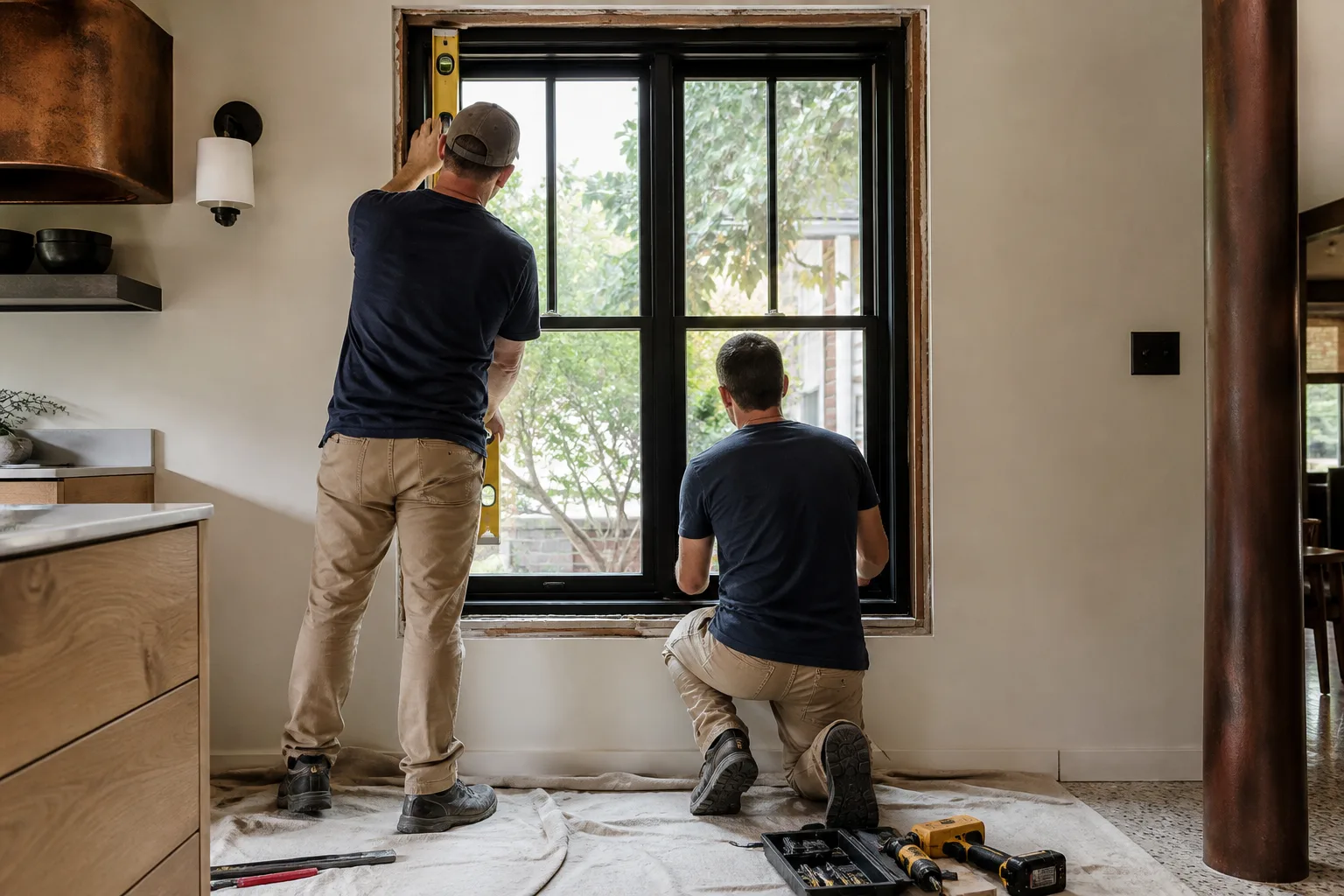
Here’s where Buena Park’s stucco construction gets interesting. Replacing windows in a 1950s stucco wall means the opening framing and sill condition affect long-term performance. A sill that’s been wicking moisture since the Eisenhower administration is not a good home for a sealed unit. Neither is a rough opening that was cut slightly off-plumb decades ago. Put a premium window into a bad opening and the coating’s function is defeated by the installation.
This is where the Windows & Doors work we do goes past the swap itself. We assess the framing and sill before we talk about glass packages, because getting that order backward is how homeowners end up with fogged panes three years in. Our technicians have up to 12 years of experience handling exactly this kind of retrofit.
It’s also why the 730-Day Done Right Promise matters on this specific job. If a seal fails and the glass fogs between the panes, that’s a workmanship problem and we make it right. Most contractors hand you a one-year window and a handshake. That’s the whole difference.
A quick word on brands and buying decisions
We work with a selected set of manufacturers across every trade, and the point of that isn’t a logo wall. It’s that you get to choose quality rather than whatever happens to be available on the day your order goes in. On the roofing side of a renovation, the same logic applies with partners like Owens Corning and IKO. You’re specifying, not settling.
Do you need low-E glass in a mild Southern California climate at all?
Yes, though for heat gain rather than insulation. Even in Buena Park’s coastal-influenced climate, a west-facing window without solar-control low-E will drive afternoon room temperatures noticeably higher, which in turn pushes AC runtime and strain. The coating earns its money on cooling, not heating.
One more local factor worth knowing: the Santa Ana wind events and dry-season conditions shape our construction calendar, and window replacement is often scheduled for the dry summer-to-fall stretch. That’s a scheduling reality, not a glass decision, but it’s useful context when you’re planning a project around a renovation.
FAQs
For south- and west-facing windows in Buena Park, yes, and the return comes from lower cooling load rather than winter savings. On shaded north glazing the benefit is smaller, so a mixed glass package can save you real money. Call (833) 522-5059 for an exact quote, and the estimate is free.
Hard coat (passive) is designed to retain winter heat, while soft coat (solar-control) is designed to block summer solar gain. Buena Park is a solar-control market. The soft coat family is what you want on exposed elevations, and the SHGC number on the spec sheet tells you which one you’re actually being quoted.
You usually can’t tell by looking, and many original 1950s and 1960s aluminum sliders in Buena Park have no coating whatsoever. A glass shop can test it, or check the unit for a manufacturer stamp on the spacer. If your windows are original to the house, assume no coating until proven otherwise. Call (833) 522-5059 and we’ll look at the units with you during a free assessment.
No. Fogging is a seal failure between the panes, not a coating problem. That’s the reason our 730-Day Done Right Promise covers a failed seal well past the one-year mark most contractors offer. Upfront pricing, no surprises: if it fails inside that window, we make it right.
Let’s look at your actual windows
Spec sheets only get you so far. What matters is which way your windows face, what shape the rough openings are in, and what glass package the quote actually names. Groundwork Construction Co. of Buena Park will walk the house with you and put real SHGC and U-factor numbers in writing before you commit to anything. If you’d rather have it looked at, Groundwork Construction Co. of Buena Park offers a no-pressure assessment in Buena Park. Call (833) 522-5059 for a free estimate, and we can talk through the window replacement range of $4,500-$15,000 and where your project lands inside it.
Written by the team at Groundwork Construction Co. of Buena Park, serving Buena Park, CA.