Last updated November 18, 2026






Free written scope consultation - allowances, timeline, and change-order rules on paper before a single trade is scheduled
Construction Emergency Preparedness Guide for Buena Park Homes
FEMA data on California residential construction emergencies keeps pointing to the same uncomfortable fact: secondary damage from mold, soil erosion, and foundation undermining usually costs two to four times more than the original event. The gap almost always comes down to the first 24 hours. Homeowners who wait for a “normal” contractor callback while water keeps moving under a slab or a retaining wall keeps leaning turn a manageable repair into a six-figure problem. Buena Park sits on some genuinely tricky ground, and the emergencies here aren’t the same as the ones in the hills or out in the desert. This guide covers the three you’re most likely to face, the first-hour steps that are safe to take, what to photograph before anything gets touched, and the three quick checks that keep a panicked homeowner from getting exploited by a shady emergency contractor.
Quick Answer
Construction emergencies in Buena Park come down to three credible threats in order of probability: retaining wall stress fractures during heavy rain, storm drain backflow into driveways and flatwork, and slope failure on canyon-adjacent lots. The difference between a routine repair and a catastrophic loss is how fast and correctly you stabilize the site and document the damage in the first 24 hours. Get water moving away from the structure, photograph everything before you move it, and call a licensed pro before you let anyone start “emergency” work on the spot.
Styles & brands we work with
- Kitchen remodeling
- Bathroom remodeling
- Home additions & ADU
- Roofing
- Windows & doors
- Driveway & pavers
- Fence
Table of Contents
- The Three Construction Emergencies Buena Park Homeowners Actually Face
- What to Do in the First Hour (Safely)
- What to Document Before Any Repair Begins
- How to Vet an Emergency Contractor Under Time Pressure
- The Buena Park Contacts Every Homeowner Should Have Saved
- How Emergency Actions Can Compromise (or Protect) an Insurance Claim
- Pre-Season Prep That Prevents Most of These Emergencies
- Common Mistakes to Avoid
- When to Call a Professional
- Frequently Asked Questions
The Three Construction Emergencies Buena Park Homeowners Actually Face
Buena Park sits on a mix of older alluvial soil and clay-heavy patches that behave very differently once they’re saturated. The city’s housing stock skews toward mid-century ranch homes and 1970s-80s tract builds, and a lot of that infrastructure is now hitting the age where retaining walls, flatwork, and drainage systems start telling the truth about how they were built. Here’s what we actually see fail, in order of how often it happens.
1. Retaining Wall Stress Fractures During Heavy Rain
Almost every Buena Park property with a grade change has some kind of retaining wall, whether it’s a 3-foot garden wall along a driveway or a taller structural wall holding back a slope. When soil saturates faster than the wall’s weep holes can drain, hydrostatic pressure builds up behind it. The first sign is usually a horizontal crack near the middle or a slight lean at the top. By the time it’s visibly displaced, you have hours, not days, before it goes. Walls built before modern drainage standards are the most vulnerable, and Buena Park has plenty of them.
2. Storm Drain Backflow into Flatwork and Driveways
Buena Park’s older residential streets have storm systems that weren’t sized for the kind of short, intense rainfall we’ve been getting. When the main line backs up, water has nowhere to go but up and out, and it tends to find the lowest point on your property. That’s usually a driveway apron or a slab-on-grade entry. The damage isn’t just wet concrete; it’s what happens to the subgrade underneath when it gets washed out. Undermined flatwork can look perfect from above and be sitting on a void for weeks.
3. Slope Failure on Canyon-Adjacent Lots
Properties closer to the hills and canyons on Buena Park’s edges carry a different risk. Saturated slopes lose cohesion, and when they move, they can take a fence, a patio, or an entire section of a backyard with them. The classic warning sign is a series of new cracks in the soil or a fence line that’s suddenly out of plumb. If you see those after a big storm, treat the slope as active and get a pro out to assess before you do anything else on that grade.
If you’re already looking at a sloped lot with a failing grade, our team at Home Additions & ADU in Buena Park can assess the drainage and grade alongside any build-out, so the fix doesn’t get undone by the next storm.
What to Do in the First Hour (Safely)
The single most dangerous mistake in a construction emergency is doing too much. Your job in the first hour is to slow down the damage and stay out of the way of anything that could hurt you. Structural work is not a DIY problem. Here’s the safe sequence.
- Move water away from the structure. Get hoses, downspouts, and any portable pumps directing water to the street or a safe drainage point. If a drain is backing up, keep people and vehicles off the flatwork.
- Shut off gas and power if you smell gas or see exposed wiring. Know where your shutoffs are before you need them. If you’re not sure, call the utility and stay out of the affected area.
- Barricade the hazard. A leaning wall or a visible void under a slab is a physical danger to kids and pets. Use whatever you have to rope it off and make it visible at night.
- Stop the spread of water damage. Move furniture, rugs, and stored items off wet concrete and out of any water path. Wet drywall and soggy subfloor start growing mold in 24 to 48 hours.
- Photograph everything before you touch it. Wide shots and close-ups. Damage you move for the sake of cleanup becomes hard to prove later.
- Call for help, but don’t sign anything in that first hour. Get someone qualified on the phone, get on the schedule, and hold the paperwork until the situation is stable.
What not to do: don’t dig out a leaning wall from the property side, don’t try to prop a displaced wall, and don’t walk out on an undermined slab. Those are the actions that turn a repair into an injury or a lawsuit. The stabilization work needs equipment, engineering judgment, and in some cases permits; a trained pro handles it correctly, and the safety risk is theirs, not yours.
What to Document Before Any Repair Begins
Insurance claims for construction damage get won or lost on documentation, and the clock matters. The problem is that the same repairs that stabilize your home can quietly erase the evidence an adjuster needs. Before you let any emergency crew start work, capture the following and keep a copy outside the house, in the cloud, or both.
- Wide shots of each affected area from at least two angles. Show the whole wall or slab, then the detail of the failure.
- Close-ups of every crack, void, or displacement with something for scale (a coin, a tape measure) in the frame.
- The water line on walls, fences, and outbuildings. That mark is what proves how high the water got.
- Photographs of the drainage path – where the water came from and where it went. This is often the difference between “act of nature” and “failed drainage.”
- A short video walk-through narrating what you’re seeing. It’s surprisingly useful for adjusters.
- Your receipts for any emergency materials or tools you bought to stabilize things.
- Correspondence between you and the utility company, the city, or anyone you contacted during the event.
One critical warning: emergency crews that haul away debris or begin demolition before an adjuster inspects the site can inadvertently void parts of your claim. Ask any contractor to document the pre-repair condition themselves before they touch anything, and keep those photos with yours. If they won’t, that’s your answer about how the claim will go.
How to Vet an Emergency Contractor Under Time Pressure
The person knocking on your door three hours after a storm, offering to start work immediately, is the person you should trust least. Genuine emergencies bring out predators, and in Buena Park’s tight housing market the scammers know exactly which neighborhoods to work after a major rain event. You can do three verifications in under five minutes that catch almost every bad actor. Keep your phone handy.
- Check the CSLB license in real time. The Contractors State License Board has a lookup tool at cslb.ca.gov. Search the license number on the spot, confirm the name matches, confirm the license is active, and confirm it’s the correct classification for the work (a C-8 for concrete, a C-13 for fencing, a B for general building). If they can’t produce a license number, stop.
- Confirm they carry general liability and workers’ comp. Ask for the certificate of insurance, and call the number on the certificate to verify it’s current. If someone gets hurt on your property without workers’ comp coverage, you’re exposed.
- Get a written scope and price before any work starts. In an emergency, ask for even a one-page written scope with a fixed price and a clear description of the stabilization work. Anyone who insists on a handshake and cash up front isn’t a contractor; they’re a problem.
Two more checks that take seconds: no door-to-door “I was in the neighborhood” pitches, and no large cash deposits. Reputable emergency responders understand you’re in a hurry and will work with it, but they will still put the terms on paper.
The Buena Park Contacts Every Homeowner Should Have Saved
You do not want to be searching for a phone number while water is running into your house. Put these in your phone today, before anything happens.
- Buena Park Police and Fire non-emergency line – for situations that need official response but aren’t a 911 emergency. For life-safety events, always dial 911.
- City of Buena Park Public Works – report storm drain blockages, street flooding, and damage to city-maintained infrastructure.
- OC Public Works – county-level roads, drainage, and flood-control channels. The county handles a surprising amount of what most homeowners assume is city responsibility, so it pays to know the difference.
- Your utility providers – gas and electric, with the 24-hour emergency line saved separately in your contacts.
- CSLB (Contractors State License Board) – the license lookup tool and the complaint hotline. The complaint line is not a same-day rescue service; it documents unlicensed or bad-faith activity and starts an investigation. It’s a useful follow-up once you’re safe, not a substitute for calling a licensed pro when a wall is failing.
- A licensed local contractor you trust – saved in your phone with a note about what they do. This is the one you call first, and it’s the reason to establish a relationship before a crisis.
Print this list and put it on the inside of a kitchen cabinet. The Buena Park-specific numbers matter; a generic “community resources” list won’t help at 2 a.m.
How Emergency Actions Can Compromise (or Protect) an Insurance Claim
Homeowner’s insurance does not automatically cover every construction-related loss. Water intrusion is one of the most contested areas in California residential claims, and the difference between a covered loss and a denied one is often how you respond in the first 24 hours. Knowing the general landscape helps you make fast decisions correctly.
Most policies distinguish between “sudden and accidental” water damage and “gradual” damage or maintenance failures. A storm that overwhelms a drain and floods a driveway is typically in the first category. A slow leak that’s been undermining a foundation for years falls in the second. Retaining wall failures are somewhere in between and depend heavily on the policy – some cover them, some exclude them as earth movement, and some cover only the “resulting damage” to the structure while excluding the wall itself. Read your policy today, not in a crisis.
Here’s what protects a claim:
- Documenting everything before any repair or debris removal
- Calling your insurer or agent within 24 hours of the event, even if you’re unsure whether you’ll file
- Keeping all damaged materials accessible for adjustment until an adjuster has seen them (unless they pose a safety hazard, in which case document thoroughly first)
- Hiring a licensed contractor who puts the emergency stabilization in writing with clear line-item pricing
- Getting the permit. Yes, even for emergency repairs. Unpermitted work can complicate both a claim and a future sale.
Here’s what hurts one: starting demolition before the adjuster inspects, using a contractor who can’t provide invoices, “helping” a claim by tossing damaged material before it’s photographed, or signing a contract that assigns your claim rights to the contractor (an Assignment of Benefits). That last one is a real problem and increasingly common in emergency scenarios. Never sign one.
If a claim leads to a rebuild or repair, the contractor you bring in should be able to work directly with your adjuster and put everything on paper. Our team has seen enough claims go sideways to know the difference; when you’re ready to talk specifics, our Groundwork Construction Co. of Buena Park home page is the place to start the conversation.
Pre-Season Prep That Prevents Most of These Emergencies
Almost every construction emergency we see in Buena Park traces back to something that had a warning sign months earlier. The work you do before the rainy season is the cheapest insurance you’ll ever buy. Here’s the pre-season checklist we recommend to homeowners every fall, before the first serious storm.
- Walk your retaining walls. Look for horizontal cracks, outward lean, new gaps at the base, or water stains near weep holes. Any of those means get a pro out for an assessment before the rain.
- Clear weep holes and drains. The holes on the face of a retaining wall are there to release water pressure. If they’re plugged with soil or debris, that pressure has nowhere to go. Check monthly during the wet season.
- Verify your downspouts and grading. Water should move away from the foundation, not toward it. If your yard slopes toward the house, that’s a problem and it’s fixable.
- Inspect your flatwork for settling. Hairline cracks are normal. Cracks wider than a quarter inch, or any visible dip, deserve a closer look. If you’re seeing settling already, our team at Driveway & Pavers in Buena Park can assess the subgrade before it turns into a void.
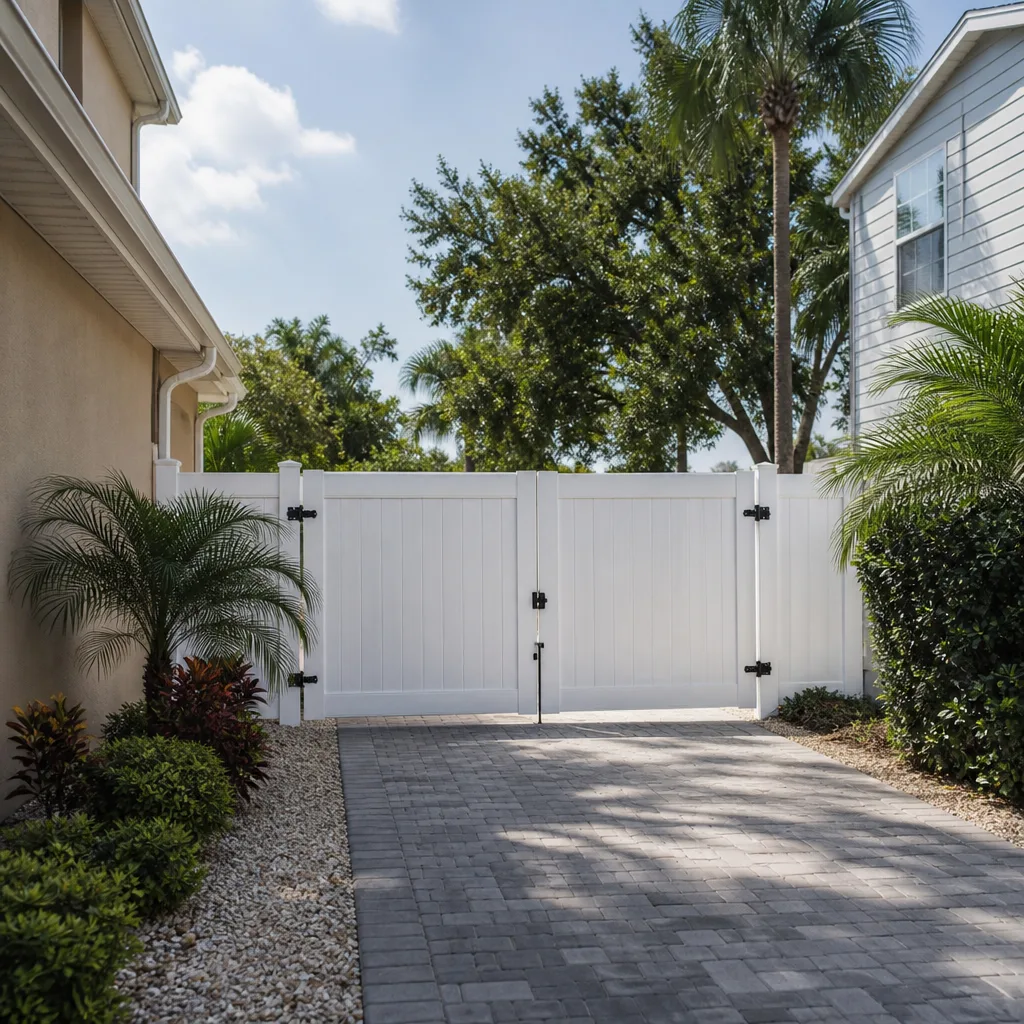
- Check your fence lines for movement. If a fence has suddenly gone out of plumb after a storm, the soil behind it is moving. Post season is also the best time to address fence condition before heavy weather adds stress; our Fence Installation in Buena Park page covers the materials and installation standards that hold up best on our local soils.
- Know your flood exposure. Buena Park has pockets that historically flood and pockets that don’t. If you’re unsure which you’re in, check the city’s flood maps and ask a neighbor who’s been there for 20 years.
- Photograph your property’s current condition. Take a full set of photos every fall. They establish a baseline of what “normal” looked like and help prove the damage was new when a claim happens.
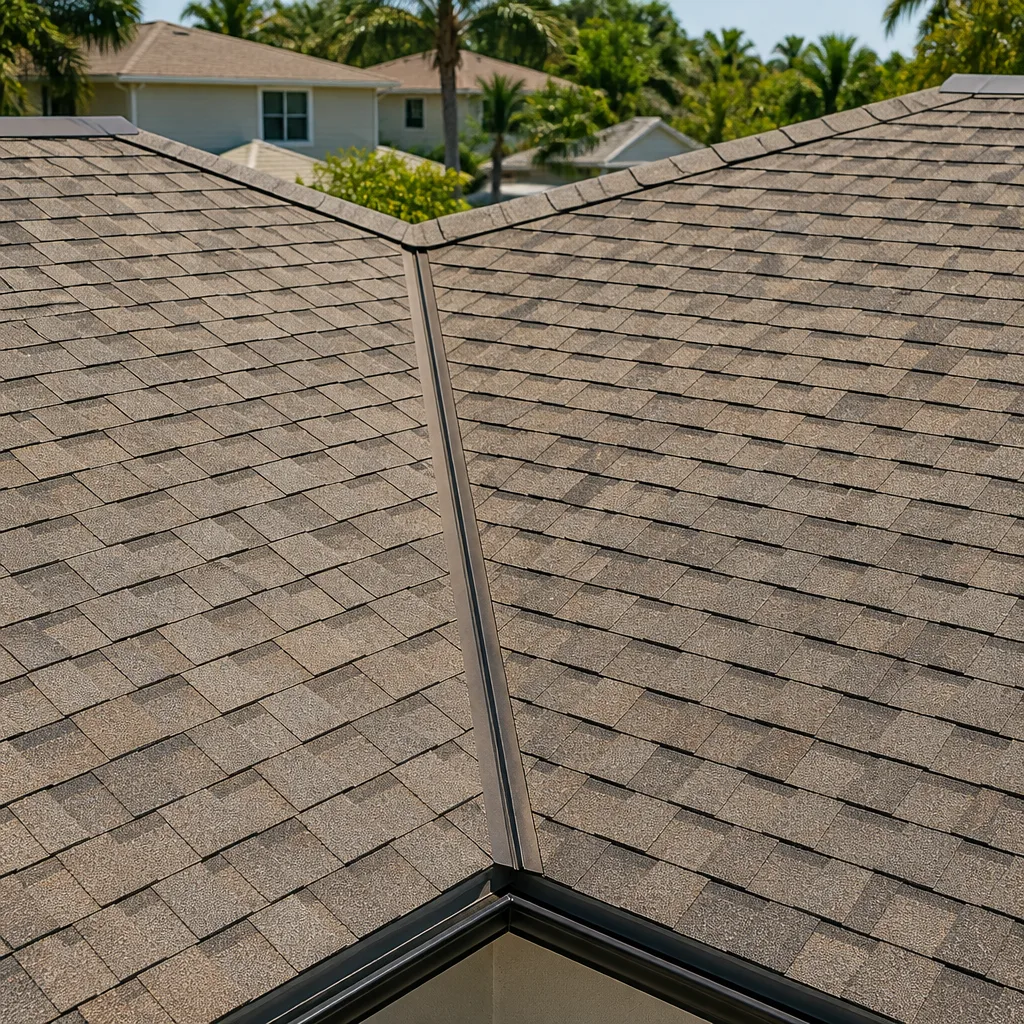
Roofing matters too. A failing roof can drip into a wall cavity for weeks before you notice, and by the time it shows up as a stain on the ceiling, you’re already looking at mold and rot. We use shingles from IKO and Atlas on Buena Park homes for the simple reason that they perform in our specific mix of sun and coastal fog; the right material matters as much as the installation.
Common Mistakes to Avoid
- Calling the first contractor who shows up. Storm chasers from outside the area tend to arrive fast, quote low, and disappear. Get the CSLB license number and look it up on the spot, even when you’re in a hurry.
- Cleaning up before you photograph. A swept-up pile of debris is not evidence. Take the photos, then clean up. It’s the single most common reason a claim gets trimmed.
- Hiring without a written scope. In an emergency, it feels easier to hand off a verbal “we’ll fix it.” But a contractor working without a written scope and price has no accountability, and you have no proof of what was agreed.
- Skipping permits on “small” emergency repairs. Buena Park requires permits for most structural work, and skipping them can void a claim, complicate a future sale, and put the liability on you. A licensed contractor expects to pull one.
- Ignoring the warning crack. A retaining wall with a horizontal crack near the middle has already lost some of its structural capacity. Waiting for warmer weather to “look at it” is how a $4,000 repair becomes a $40,000 rebuild.
- Assuming the city covers drain backflow damage. Storm drain systems have capacity limits, and backflow into a private driveway or slab usually isn’t the city’s liability. Assume you’re on your own for the cleanup and plan accordingly.
- Not knowing your deductible before the storm. Small emergency repairs often fall under your deductible, and filing for them can raise future premiums. Read the policy and know the number before you call.
When to Call a Professional
Not every water event needs a contractor. A puddle in the driveway and a downspout that came loose usually don’t. But some situations need a licensed pro, and the earlier the better. Call a professional if you see: a retaining wall with a new horizontal crack, visible displacement, or a lean; water entering the house through a slab or a wall; a void, sinkhole, or dip under any flatwork; exposed wiring after a storm; a slope with new cracks or a fence that’s gone out of plumb; or any structural damage that puzzles you. The rule of thumb is simple: if the ground, the wall, or the slab looks different than it did last week, get it looked at.
Groundwork Construction Co. of Buena Park offers free estimates in Buena Park – call (833) 522-5059. Calls are answered by a live person 24/7, and every project we take on is covered by our 730-Day Done Right Promise, with upfront pricing so you know the number before you commit. We also offer 0% financing for 18 months and $1,000 off projects over $10,000.
Frequently Asked Questions
Retaining wall failure during heavy rain. Buena Park has a lot of mid-century and 1970s-era retaining walls that are past their expected lifespan, and saturated clay-heavy soil puts more pressure on them than the original builders designed for. The fix is almost always cheaper if you catch a horizontal crack or a slight lean early rather than waiting for the wall to displace.
It depends on the policy, and often the wall itself is excluded while any resulting damage to the structure is covered. Some policies exclude retaining walls entirely as “earth movement.” Read your specific policy or call your agent to confirm before a storm, not after, and photograph your walls annually so you can prove any new damage.
Only if it’s a genuine safety hazard, and only after thorough photography. Move water and debris that pose an immediate danger, but leave structural damage accessible to the adjuster whenever possible. Documenting first and cleaning second is the safest sequence; the photos and video you take before cleanup are usually what carries the claim.
Emergency stabilization on a retaining wall or foundation issue typically runs into the low four figures, with full repairs landing between the mid five figures and the low six figures depending on size and cause. Emergency call-out fees are common across the market, and we recommend getting a written line-item quote even under time pressure. Call (833) 522-5059 for an exact quote – estimates are free.
Buena Park public works handles city-maintained streets, storm drains, and infrastructure within city limits; OC Public Works handles county-level roads, flood-control channels, and unincorporated areas. The practical difference matters when you’re reporting a blocked drain or a flooded street during a storm, since calling the wrong agency costs hours. Save both numbers, and check the city’s boundary map if you’re not sure which jurisdiction covers your street.
Yes, for most structural work. The Buena Park Building Division requires permits for work on retaining walls, foundations, and structural repairs, and emergency status doesn’t usually exempt you from that. A licensed contractor will expect to pull the permit and coordinate an inspection after the fact if the repair was truly urgent. Unpermitted work can hurt both an insurance claim and a future sale.
The Bottom Line

Buena Park construction emergencies are not random. They’re predictable: retaining walls fail when saturated soil overloads them, storm drains backflow into flatwork when the system is overwhelmed, and slopes give way on the lots that sit below serious grade. The first 24 hours decide how much you spend. Stabilize what’s safe to stabilize, document everything before you move it, get a licensed contractor on the phone, and never sign an emergency contract you can’t verify in five minutes. The pre-season walk your property gets every fall is the cheapest form of insurance you have, and the contractors worth hiring will still be around in two years. The ones knocking on doors after a storm won’t be.
If you’re facing any of the situations in this guide, or you want a pre-season inspection before the next round of rain, Groundwork Construction Co. of Buena Park is here to help. Call (833) 522-5059 for a free estimate, and our live team will answer. From foundation to finish line, we back it with the 730-Day Done Right Promise – if it’s not done right, we make it right.
Written by the team at Groundwork Construction Co. of Buena Park.
See the difference
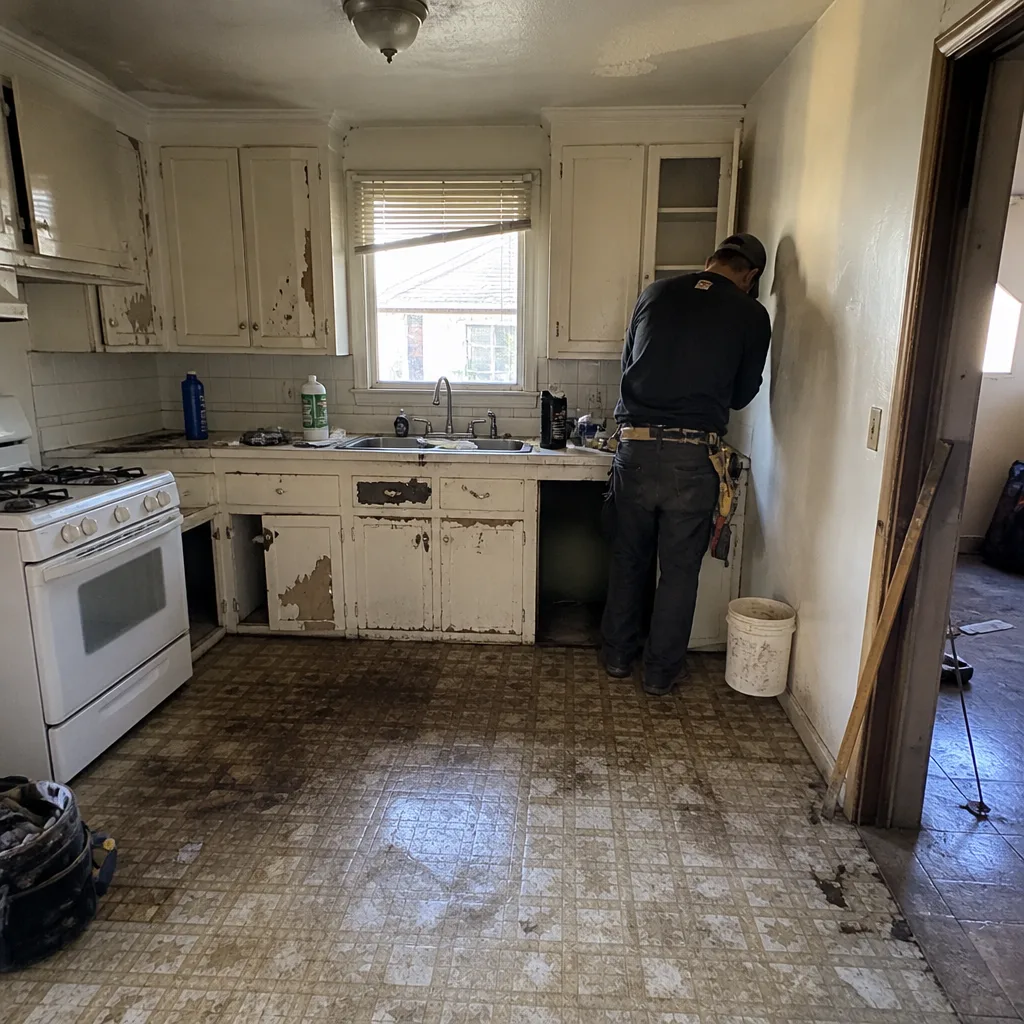 Before
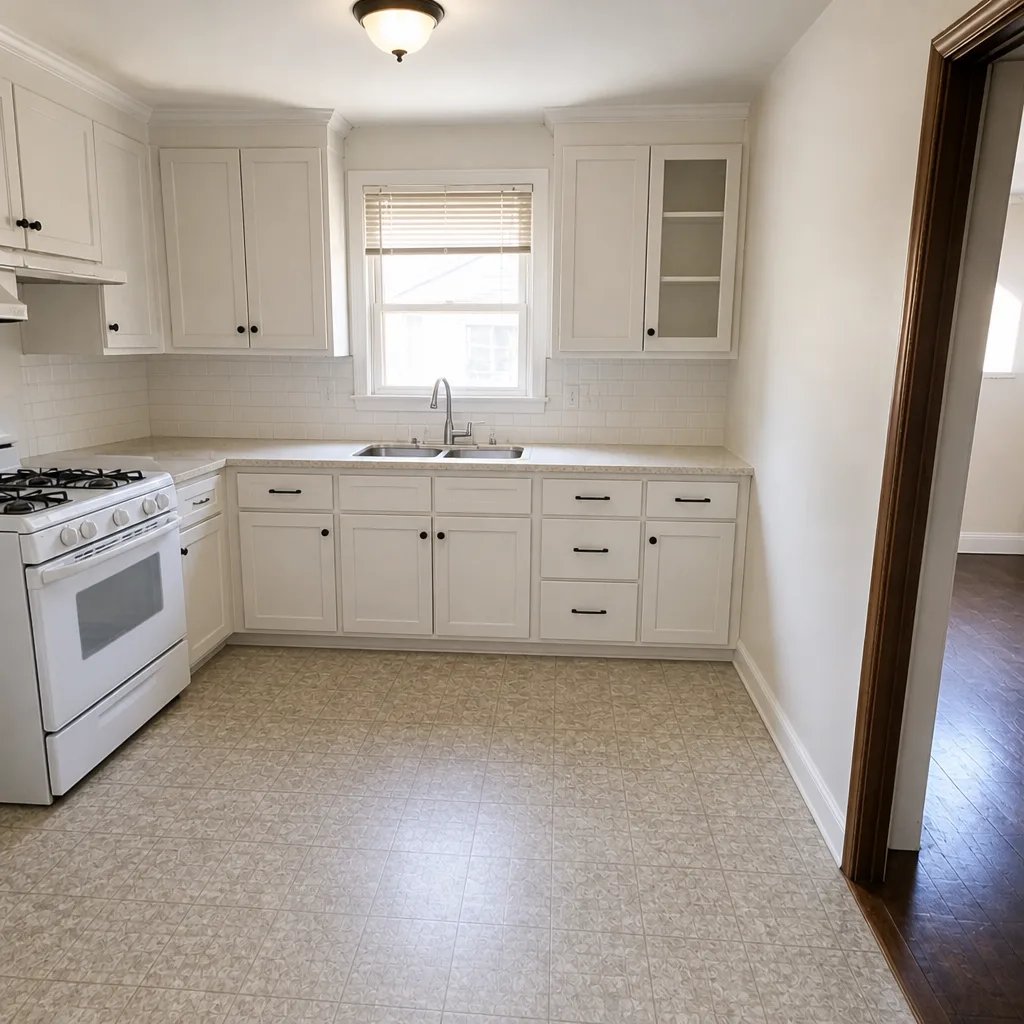 After
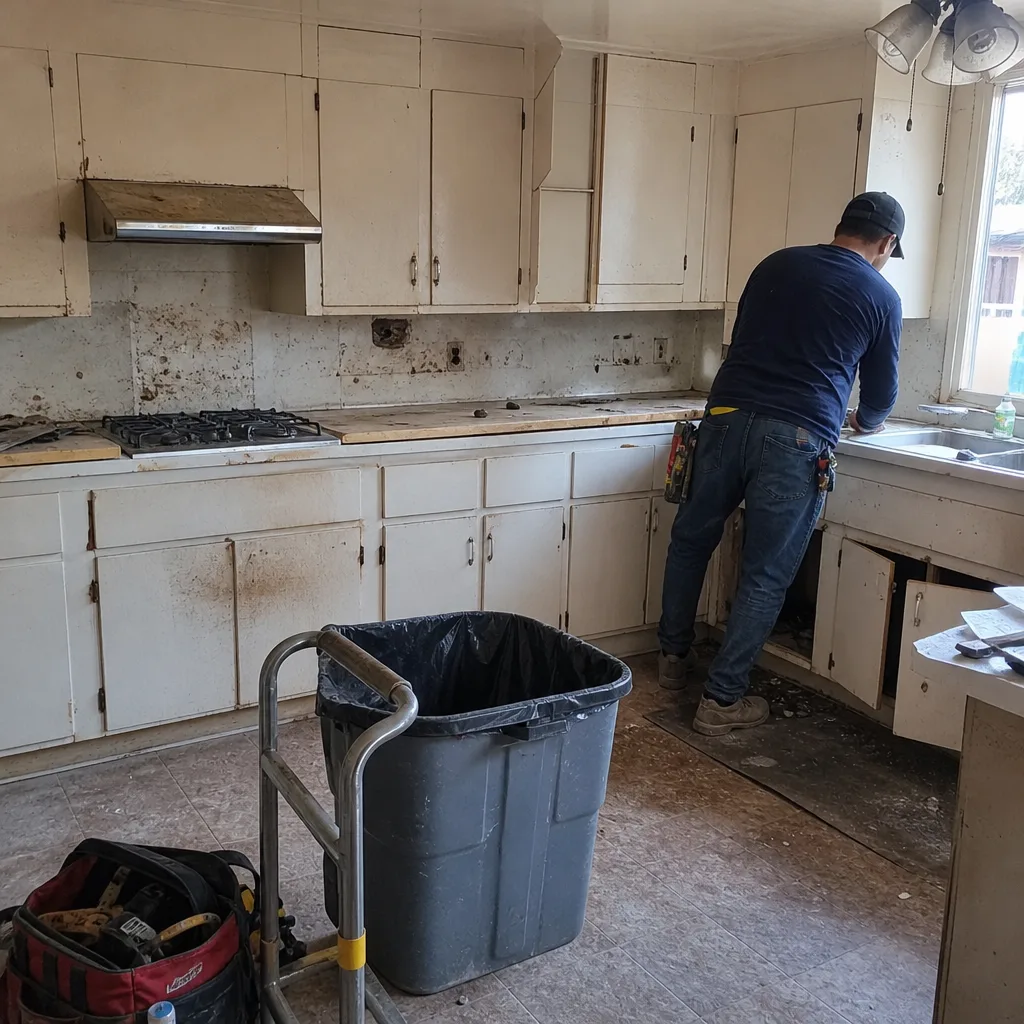 Before
 After
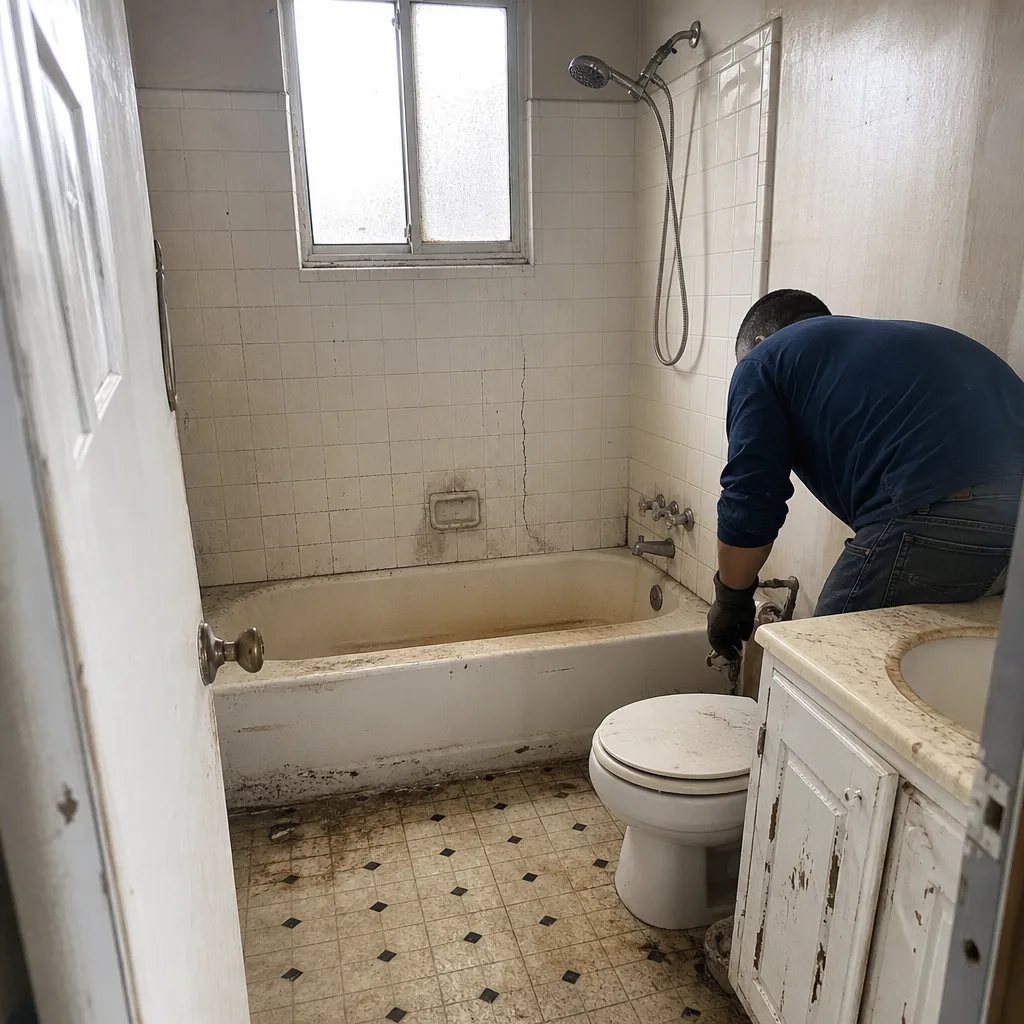 Before
 After