
Last updated November 18, 2026

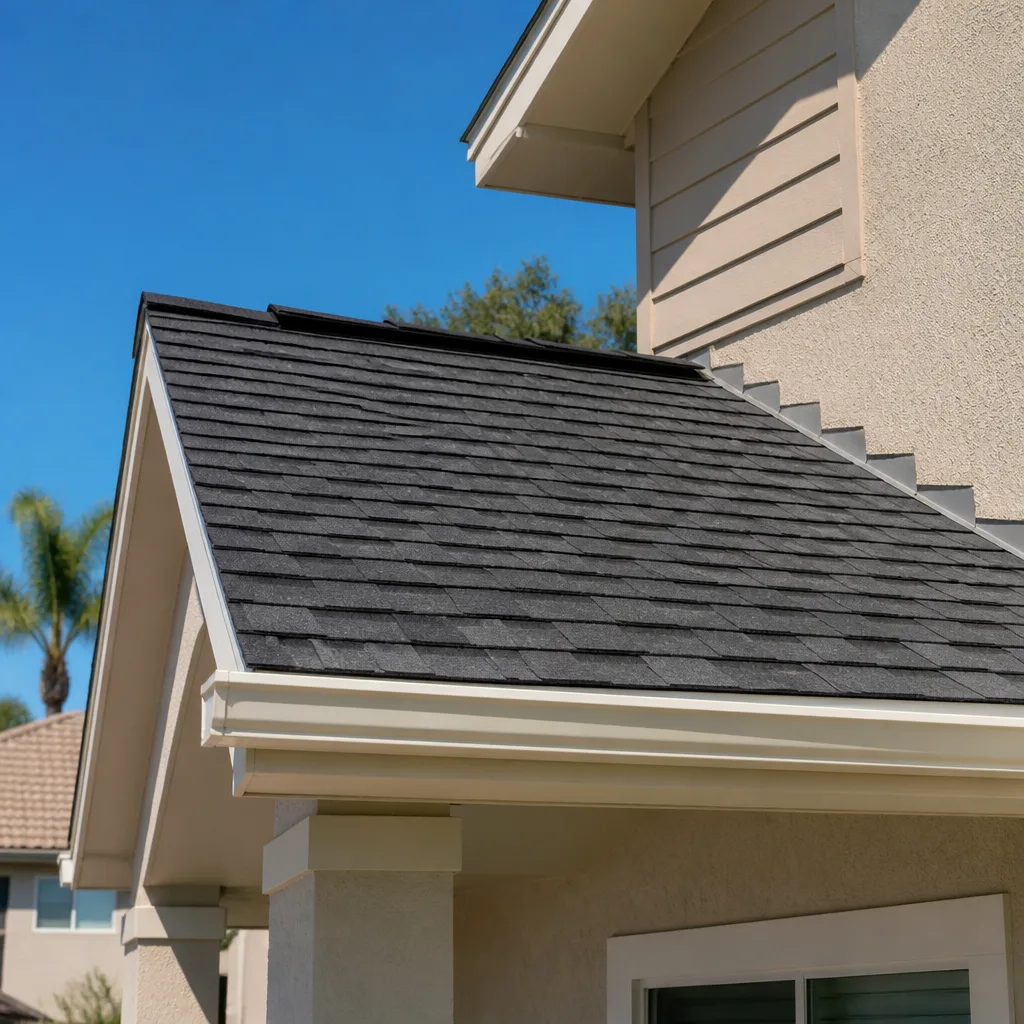


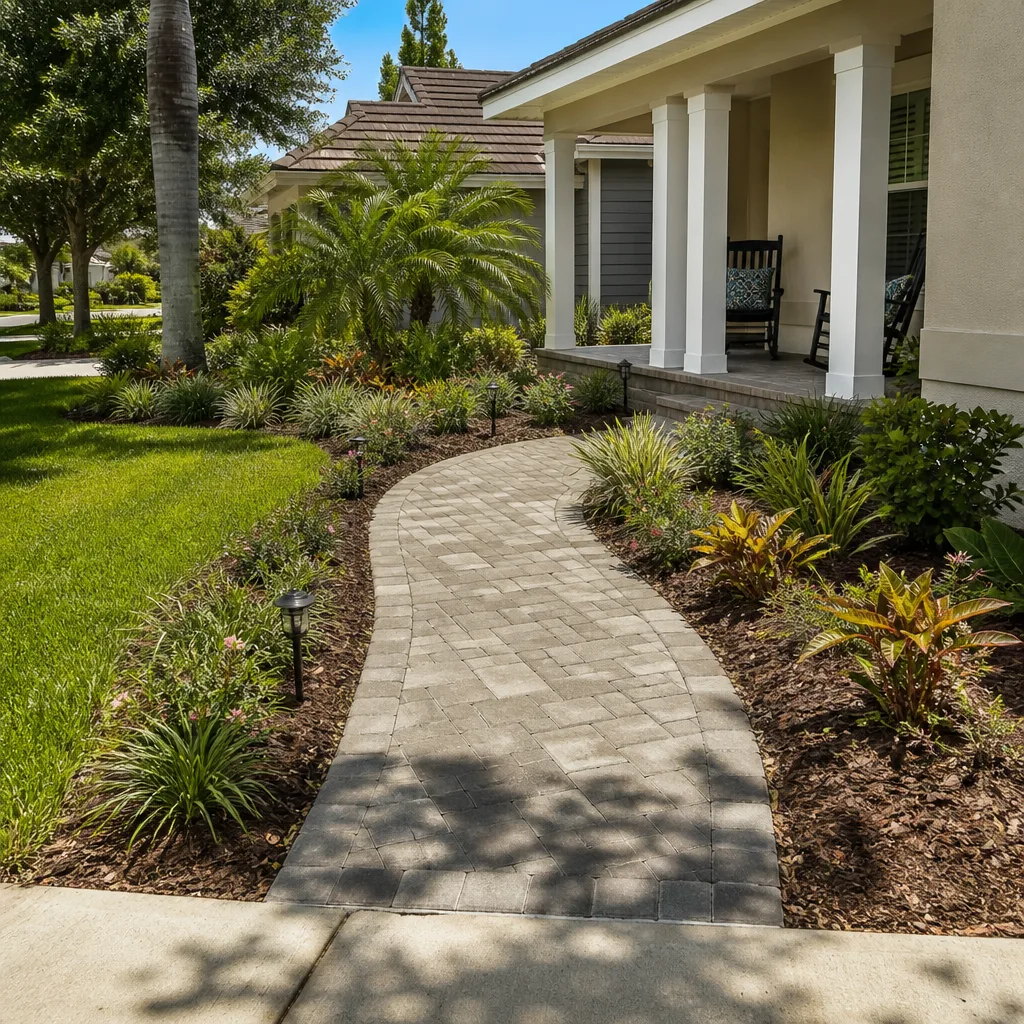



Free written scope consultation - allowances, timeline, and change-order rules on paper before a single trade is scheduled
Construction Warning Signs: A Buena Park Homeowner’s Reference Guide
A hairline crack in stucco is not a warning sign. A hairline crack in stucco that runs diagonally from a window corner and has a slight vertical offset is a warning sign, and knowing the difference between cosmetic and structural tells you exactly whether to monitor it or call someone immediately. That gap between “looks fine” and “already failing” is where most Buena Park homeowners lose money. By the time a problem is obvious, it has usually been developing for months. This guide shows you the early indicators a contractor notices on a first walk-through: crack patterns, drainage telltales, contractor behavior mid-project, and the post-storm sequence that catches water damage inside 72 hours.
Quick Answer
The warning signs that matter most in Buena Park are diagonal or offset cracks in stucco and block walls, doors and windows that suddenly stick, pool-sized puddles against the slab, white mineral staining on masonry, and step cracking across concrete. Each one points to soil movement or water where it shouldn’t be. Catching them early turns a four-figure repair into a monitoring task, and catching them late turns it into a foundation bill.
Styles & brands we work with
- Kitchen remodeling
- Bathroom remodeling
- Home additions & ADU
- Roofing
- Windows & doors
- Driveway & pavers
- Fence
Table of Contents
- Reading Crack Patterns: Soil Movement vs. Surface Shrinkage
- Drainage Failures: What Pooling and Efflorescence Are Telling You
- Buena Park’s Clay Soil and What It Does to Your House
- Warning Signs in Contractor Behavior During a Project
- The 72-Hour Post-Storm Inspection Sequence
- Flatwork and Block Wall Signals You Can Read From the Yard
- Seasonal Timing: When Buena Park Problems Surface
- Common Mistakes to Avoid
Reading Crack Patterns: Soil Movement vs. Surface Shrinkage
Not every crack means trouble, but the geometry tells you which kind you have. Surface shrinkage cracks are shallow, thin, and wander randomly. Movement cracks are directional and follow a story. Learn to read the story and you’ll know whether to grab a caulk gun or a phone.
Cosmetic vs. structural: the visual test
Run your finger along the crack. If it’s hairline width, uniform depth, and the two sides sit flush, it’s almost certainly shrinkage or normal weather cycling. If the two sides of the crack are offset vertically, even by a sixteenth of an inch, that’s a movement crack. It means one side of the wall has shifted relative to the other.
The crack patterns that matter
- Diagonal cracks from window or door corners – The most common movement crack in Buena Park stucco. It follows the path of least resistance from the corner, which is the weak point in the wall. A diagonal crack with an offset is a red flag; a diagonal hairline flush crack is worth marking with a pencil and a date.
- Stair-step cracks in block walls – Running diagonally through the mortar joints like a staircase. This pattern usually means the wall footing has settled unevenly. It shows up on block walls near property lines where drainage concentrates.
- Vertical cracks down the middle of a slab – Often a control joint doing its job. A vertical crack that widens over time, or one with visible displacement, is a step cracking issue that needs a professional look.
- Horizontal cracks in retaining walls – These are the ones to take seriously, because horizontal means differential pressure pushing the wall from behind. Call immediately.
- Spider-web or map cracking – Fine, shallow, non-directional. Almost always cosmetic shrinkage, especially on older stucco.
How to track a crack like a professional
- Clean the area with a damp cloth and let it dry.
- Place a pencil mark at both ends of the crack and write the date beside each mark.
- Take a photo with a coin or ruler next to the crack for scale.
- Re-measure and re-photograph in 30 days.
- If the crack has lengthened, widened, or developed an offset, that’s your signal to call.
We’ve seen this in the older tracts near Beach Boulevard, where original stucco has been repainted three or four times. The cracks were there before the last paint job; the paint just hid them for a season. If you’re planning a bigger exterior project, our fence installation in Buena Park team often catches footing movement during the dig, which is some of the best early intel a homeowner will get.
Drainage Failures: What Pooling and Efflorescence Are Telling You
Water is responsible for more structural damage to Buena Park homes than anything else, and it almost always announces itself before it does the expensive damage. The problem is that homeowners don’t recognize the announcements. Here’s what to watch for.
Pooling patterns and what they mean
- Puddles that sit for more than 24 hours – Standing water next to a slab means the soil there stays saturated for days after rain. That’s the exact condition that softens clay and lets a foundation creep.
- A dark, damp strip along the base of the house – The ground should slope away from the foundation at roughly a half-inch per foot for the first ten feet. If it slopes toward the house, water is accumulating at the worst possible spot.
- Watermarks on the stucco above the weep screed – The weep screed is the metal lip at the bottom of stucco that lets it drain. Staining above it means the stucco is holding water rather than shedding it.
- Pooling in the parkway between sidewalk and curb – Common in Buena Park’s older neighborhoods where original grading has settled. Overflow from the parkway finds its way to the nearest foundation.
Efflorescence: the white powder that tells a story
Efflorescence is that white, chalky mineral deposit on brick, block, or concrete. It appears when water moves through masonry, dissolves salts inside, and then evaporates on the surface, leaving the salts behind. Cosmetic? Sometimes. But it’s always a sign that moisture has found a path through the material.
A single white patch on an exposed block wall after a rainy season is normal. Efflorescence that returns within weeks after you scrub it off, or one that’s accompanied by a damp smell or peeling paint inside the adjacent space, means water is finding a way in. That’s the point to call a professional, not the point to repaint.
The drainage checks every homeowner should do once a quarter
- Walk the perimeter of the house after a rain and note where water stands.
- Confirm all downspouts discharge at least four feet from the foundation.
- Check that your driveway and hardscape slope away from the slab, not toward it.
- Look for efflorescence recurrence on block walls and the weep screed.
- Verify that any planter bed against the house drains away, not toward, the walls.
If you’re considering new hardscape, note that proper base prep is what prevents this cycle. Our Driveway & Pavers in Buena Park work is built around exactly this principle, because a driveway graded wrong is a permanent water-delivery system feeding your front wall.
Buena Park’s Clay Soil and What It Does to Your House
Buena Park sits on some of the most active expansive clay soil in Orange County. That clay swells when it’s wet and shrinks when it’s dry, sometimes by enough to move a foundation a fraction of an inch per seasonal cycle. Over ten or fifteen years, that fractional movement is enough to rack door frames, twist window openings, and open up grout joints in every room of the house.
Reading the signs inside the house
Clay movement doesn’t announce itself with a bang. It shows up as a series of small annoyances that homeowners dismiss individually but add up to a pattern:
- Doors that suddenly stick or swing open on their own – If a bedroom door that used to close cleanly now catches on the top corner, the frame has racked. One door that’s always been stubborn is nothing; three doors that started catching in the same month is a pattern.
- Window frames that won’t latch or that show daylight at one corner – Same mechanism as the doors. The frame is no longer square because the wall around it has shifted.
- Grout separation on tile floors – Hairline cracks running along grout lines that open up seasonally and close again. This is the slab flexing, and it’s the most reliable early indicator you’ll get.
- Cracks at inside corners where walls meet ceilings – Common in older Buena Park homes. A single crack is normal; a crack that reappears after patching means the movement is ongoing, not a one-time settling event.
- Floor feeling soft or “bouncy” in one spot – This can indicate subfloor or slab issues and deserves a professional look.
The exterior version of the same story
Outside, the clay movement shows up as step cracking across the front walkway, cracks in stucco at the corners of window openings, and block walls that lean slightly out of plumb. If you stand at one end of a block wall and sight down its top edge, a slight wave or lean tells you the footing is moving with the soil, not resisting it.
What to do about it
- Document. Photograph and date every crack at the start of each dry season and wet season.
- Manage water. Consistent, moderate moisture around the foundation does more for clay movement than any other single action.
- Check your downspouts and grading. This is the free first step, and it fixes more than people realize.
- Call a professional if you see displacement, not just a hairline. Even if the fix is “monitor it,” a professional assessment at the right moment saves thousands later.
We’re proud of how much of Buena Park is built on lots that would have been rejected today precisely because of this soil condition. That’s not a bad thing; it’s a local fact of life. The homeowner who understands it proactively protects their investment, and the one who doesn’t learns it the expensive way.
Warning Signs in Contractor Behavior During a Project
Workmanship problems are usually visible in the finished product. Contractor-behavior problems show up long before the work is finished, and by the time you see the finished product there’s nothing to do but argue. Reading the behavioral signs mid-project is how you avoid being the homeowner with the abandoned job halfway done. Our team has watched enough of these from the outside to know what they look like from the inside.
Warning signs in the first two weeks
- No written schedule, or a schedule that changes daily with no explanation – A professional job has a written sequence. It will get delayed; weather and materials happen. The question is whether you’re being told why.
- Requests for cash in the middle of a phase that isn’t complete – Milestone-based payment is fine. “Covers materials” cash requests with no invoice and no prior discussion are the number one early warning.
- Change orders that appear verbally only – Every change is in writing, priced, and signed before work happens. Verbal agreements are how the “price you were quoted” becomes a number that grows.
- Repeated no-shows or crews rotating in and out with no foreman on site – A consistent foreman is the single best sign that the job is being managed on your behalf.
- Refusal to provide proof of licensing or insurance when asked – Any legitimate contractor will produce this without hesitation.
The mid-project warning signs
- You’re told the wrong materials were ordered and it’s your problem to solve – Not how this works. Material substitution should be brought to you as a written option, with a price difference, not a surprise.
- Communication style changes and suddenly you’re not getting answers – Dodged calls and text-only responses are a classic sign the crew is stretched too thin across multiple jobs.
- Work is left incomplete on Friday and not touched Monday – Not always a problem early in the project, but a Friday-Monday gap that repeats three weeks running is a red flag.
- The crew picks up tools on another project before yours is finished – This is abandonment in slow motion, and it almost always ends in a “we’ll be back in two weeks” that turns into a month.
The best protection against this entire category is signing with a company that has a live person answering the phone during the project, not just before it. It’s a big part of why we do what we do at Groundwork Construction Co. – our calls are answered by a live person 24/7, and every project is covered by our 730-Day Done Right Promise. If it’s not done right, we make it right. That’s the difference between a handshake and a written guarantee.
The 72-Hour Post-Storm Inspection Sequence
After a real rain event in Buena Park, the first 72 hours are when water intrusion either gets caught and fixed cheaply or settles in to become mold, rot, and structural damage. That window matters because the visible evidence is still fresh: stains are still wet, smells are still sharp, and the water path is still findable. After 72 hours, you’re guessing.
The step-by-step sequence
- Hour 1-6: Walk the interior perimeter. Look at ceilings, especially in the top-floor rooms and any room under a valley or dormer. Fresh water stains look darker and slightly damp to the touch; older ones are chalky brown.
- Hour 6-24: Check the attic if you can safely access it. Look for wet decking around chimneys, vents, and roof penetrations. Vent boots are one of the most common leak points, and they’re cheap to fix if you catch them early.
- Hour 24-48: Examine the exterior for the water path. Look at the stucco for fresh moisture marks. Check where the roof meets the wall, around window frames, and at any horizontal trim. Water will follow trim and find a way in.
- Hour 48-72: Sniff and touch test. Run your hand along baseboards in downstairs rooms; they should be dry. A musty smell in one specific area is a strong indicator of hidden moisture. Trust your nose.
- Hour 72: Re-check the original wet spots and photograph. If they’ve spread, dried oddly, or the smell has gotten stronger, call a professional immediately.
What catches water intrusion early
- Fresh paint bubbling on a ceiling – Water is trapped behind the paint film. Very early, very fixable.
- Water stains that appear only in one spot after every storm – A specific, repeatable path. Diagnose, don’t just repaint.
- Peeling stucco or bubbling at the weep screed – Water is trapped inside the wall cavity and needs an escape route.
- Grout or caulk around windows that pushes out after rain – Not just cosmetic; water is behind it.
Roofing is where this sequence pays off most, which is why our Groundwork Construction Co. of Buena Park home page leads with how we approach the full envelope of the house, not just the visible surface. If your roof is more than 20 years old and you noticed anything in the 72-hour scan above, our Home Additions & ADU in Buena Park work regularly catches existing roof damage during a pre-construction assessment, which is exactly the time to find it.
Flatwork and Block Wall Signals You Can Read From the Yard
Flatwork – driveways, walkways, patios, and the slab the house sits on – tells you a story from the surface if you know what you’re looking at. Block walls tell a parallel story. Neither requires a tool. Both require knowing what a “good” version looks like so you can spot the deviation.
Flatwork signals
- Step cracking – A crack that has a visible vertical or horizontal offset between the two sides of the concrete. This is the most serious flatwork warning sign you can see, and it usually indicates soil movement under the slab.
- Heaved or tilted slabs – The slab has lifted in one corner, or a joint has opened up to a visible width. Compare two adjacent panels; if one sits noticeably higher, that’s movement.
- Settlement that’s progressed – The dips around downspouts, planter areas, and at the edges of older driveways. Settlement is normal, but settlement that’s still progressing is a drainage signal.
- Control joints that look wrong – Control joints exist so the concrete cracks where you want it to. A control joint that has displaced rather than simply cracked has failed its job.
Block wall signals
- Stair-step cracking through mortar joints – The classic sign the footing has settled unevenly.
- Pillars out of plumb – Sight down the wall. A pillar that leans means the footing under it has moved.
- Soil erosion at the base – The soil has washed away from the footing, exposing it, which is a sign of drainage failure and future movement.
- Efflorescence on the block face – Covered above. Recurring, worsening efflorescence on a block wall is a moisture signal.
If you’re planning to replace a failing wall or install new hardscape, this is the moment to do it right. Our fence installation in Buena Park work starts with the same footing analysis we use on block walls, because the same clay under your wall is under your fence posts, and it will do the same thing to both if you don’t address it.
Seasonal Timing: When Buena Park Problems Surface
Buena Park’s climate – dry summers, wet winters, and long stretches of stable weather between – means construction problems have a seasonal calendar. Knowing when to look for what is half the battle.
End of the dry season (September-October)
This is peak season for reading crack patterns because the clay has shrunk to its driest state. The cracks that will be invisible in March are widest right now. Walk the perimeter and photograph everything.
First big rain (November-December)
The first substantial storm after a dry spell is when drainage failures announce themselves. The soil can’t absorb fast enough, water pools, and any grading problem shows up in one afternoon.
Mid-winter (January-February)
Sustained wet weather is the test of your moisture management. Efflorescence on block walls, musty smells in downstairs areas, and window frame leaks all surface now. The 72-hour inspection sequence becomes your weekend routine.
Spring transition (March-April)
This is when interior clay-movement signs are most visible, because the soil has finished its wet-to-dry transition and the house has shifted. Doors, windows, grout lines, and stucco cracks all tell you what happened over the winter.
Summer (May-August)
Dry-season stress. Cracks widen, foundation movement can accelerate, and this is the time for exterior assessment of stucco and flatwork before the next rainy season.
Common Mistakes to Avoid
- Repainting over stucco cracks without diagnosis. A coat of elastomeric paint will hide a movement crack for one season. Then it re-opens, now with a paint film holding the two sides in an odd shape that makes it harder to read. Diagnose first.
- Treating efflorescence as a cosmetic scrub-and-forget. If it comes back within a month of scrubbing, the moisture path is still active. Repainting over it traps that moisture inside the wall.
- Assuming a stuck door is just an old door. One stubborn door is age. Three doors that started sticking in the same month is clay movement, and it’s the cheapest early warning signal you’ll get.
- Signing with a contractor who offers no written schedule and no milestone-based payment plan. In Buena Park, we’ve watched this pattern produce every single abandoned job we’ve ever been called in to repair.
- Waiting until after a storm to check the attic. By the time you notice a ceiling stain, the water has typically been getting in for months. The 72-hour scan catches it in its first appearance.
- Ignoring step cracking on the driveway because “concrete always cracks.” Concrete cracks. Concrete with displaced sides, where one side sits higher than the other, has a soil movement problem underneath, and it gets more expensive the longer you wait.
- Letting drainage issues go because “it drains eventually.” A puddle that lasts 24 hours after rain is a foundation problem in slow motion. It’s also the cheapest fix on this list if you catch it early.
See the difference
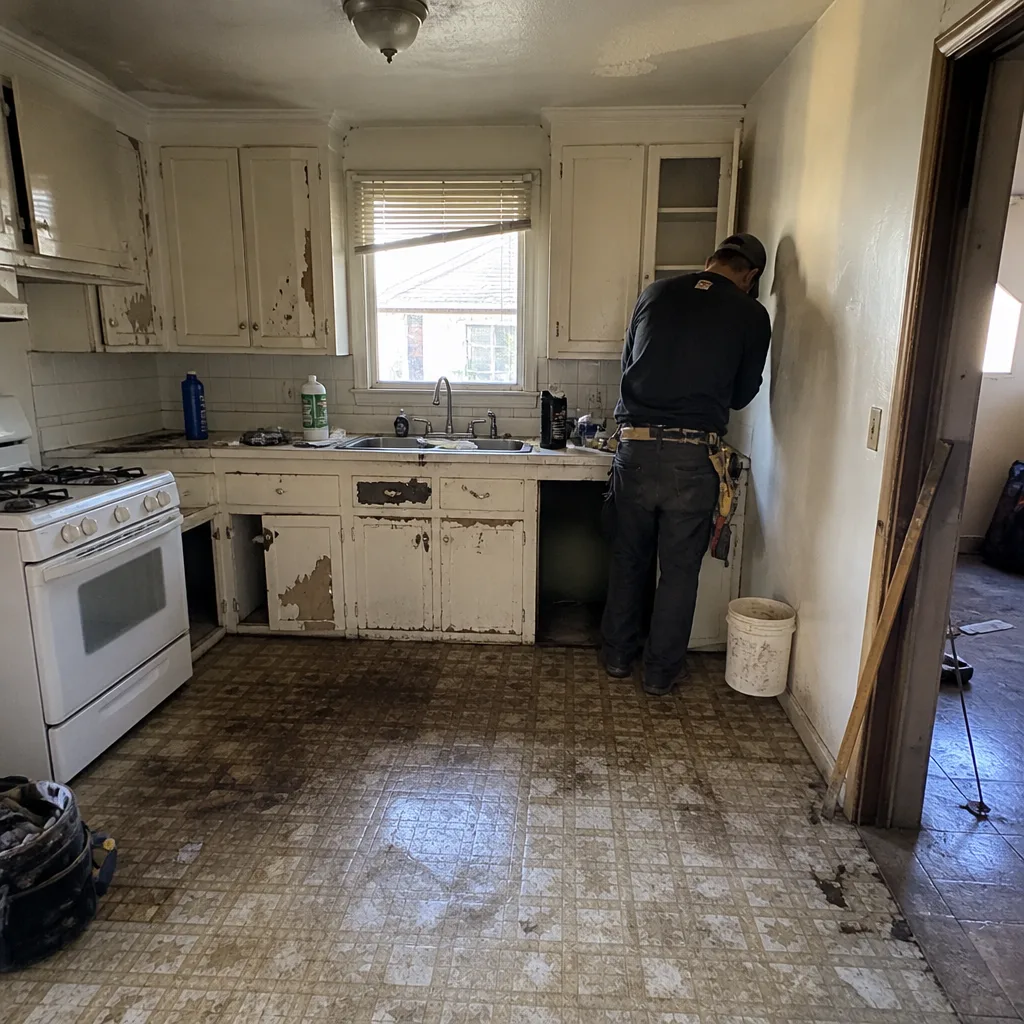 Before
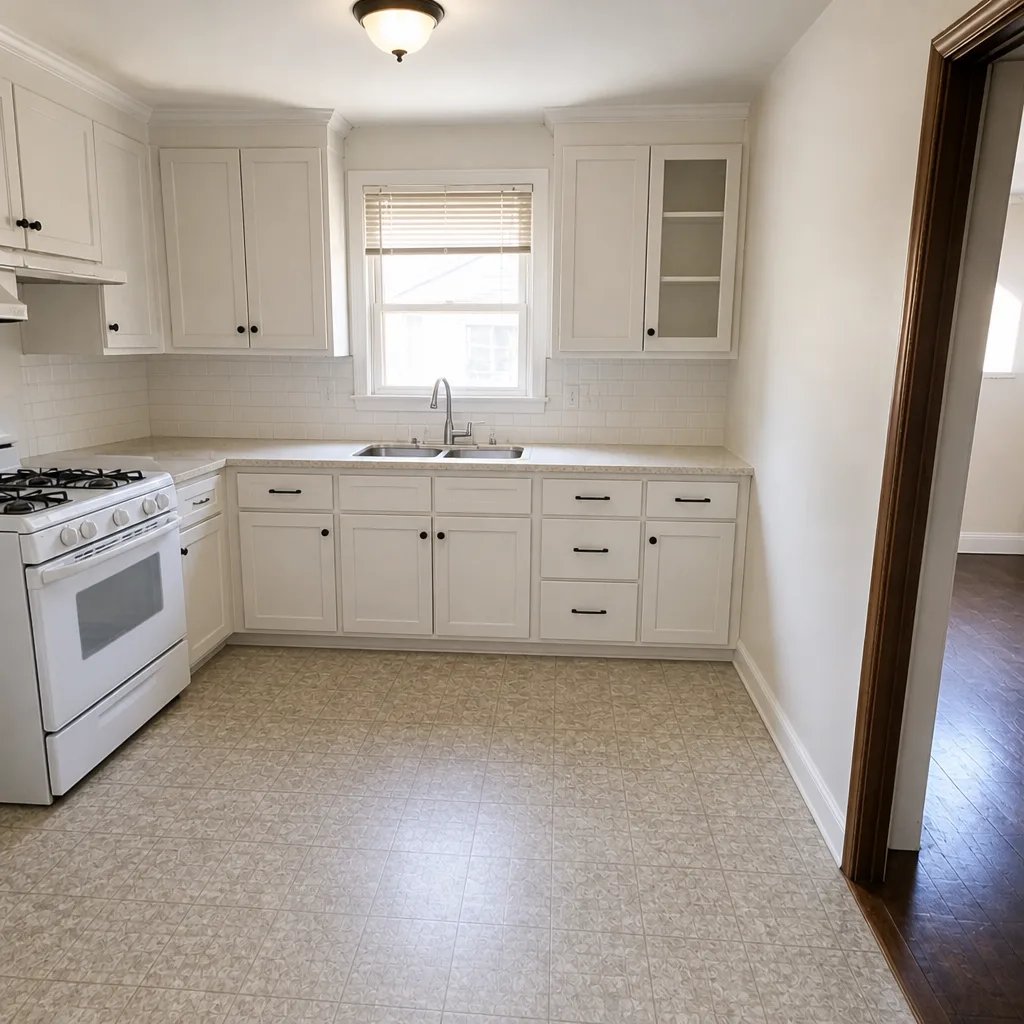 After
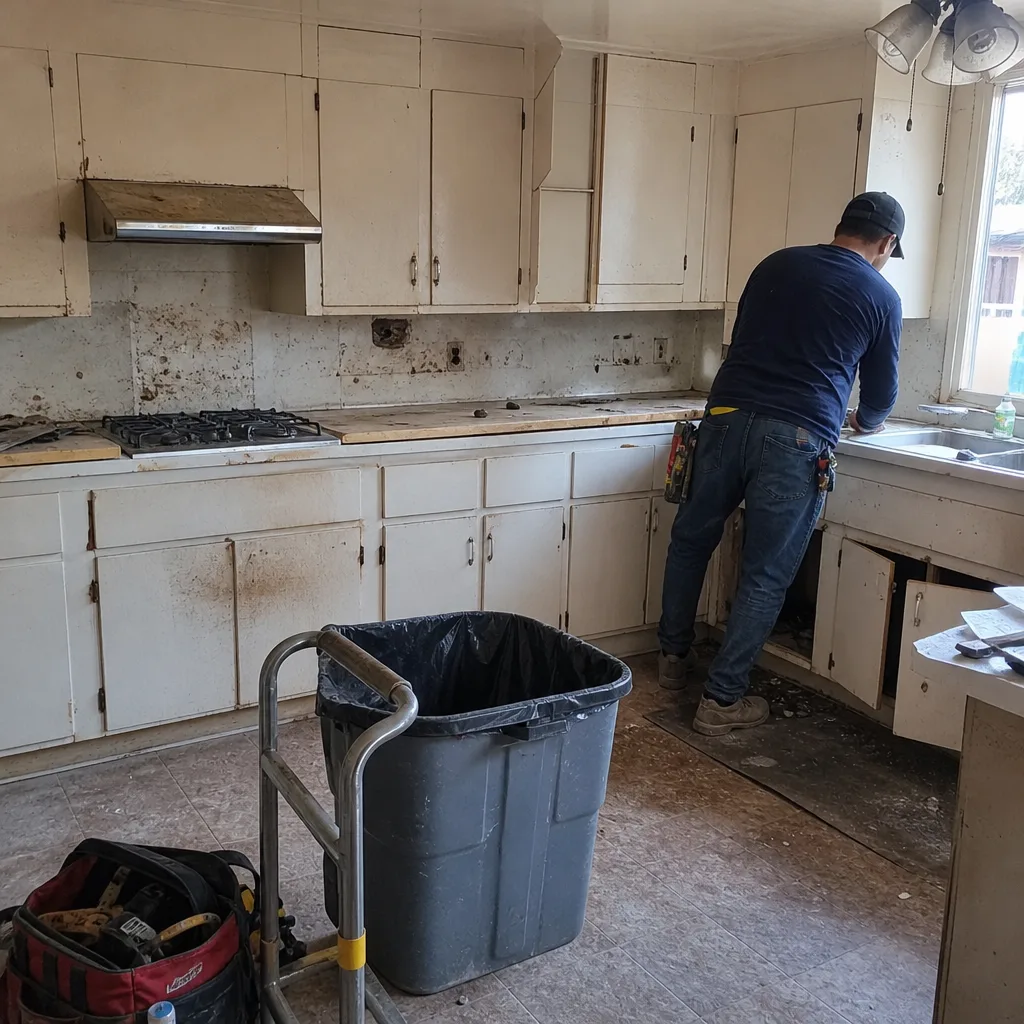 Before
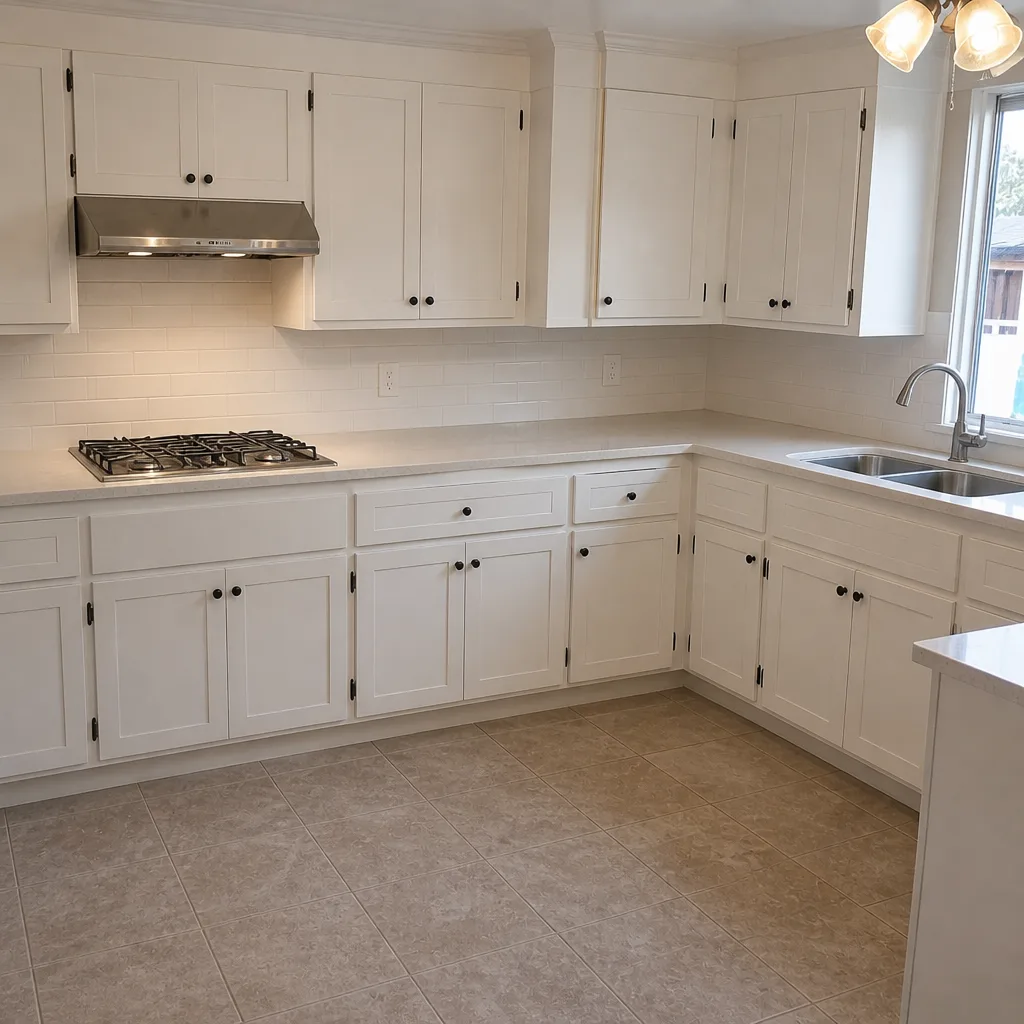 After
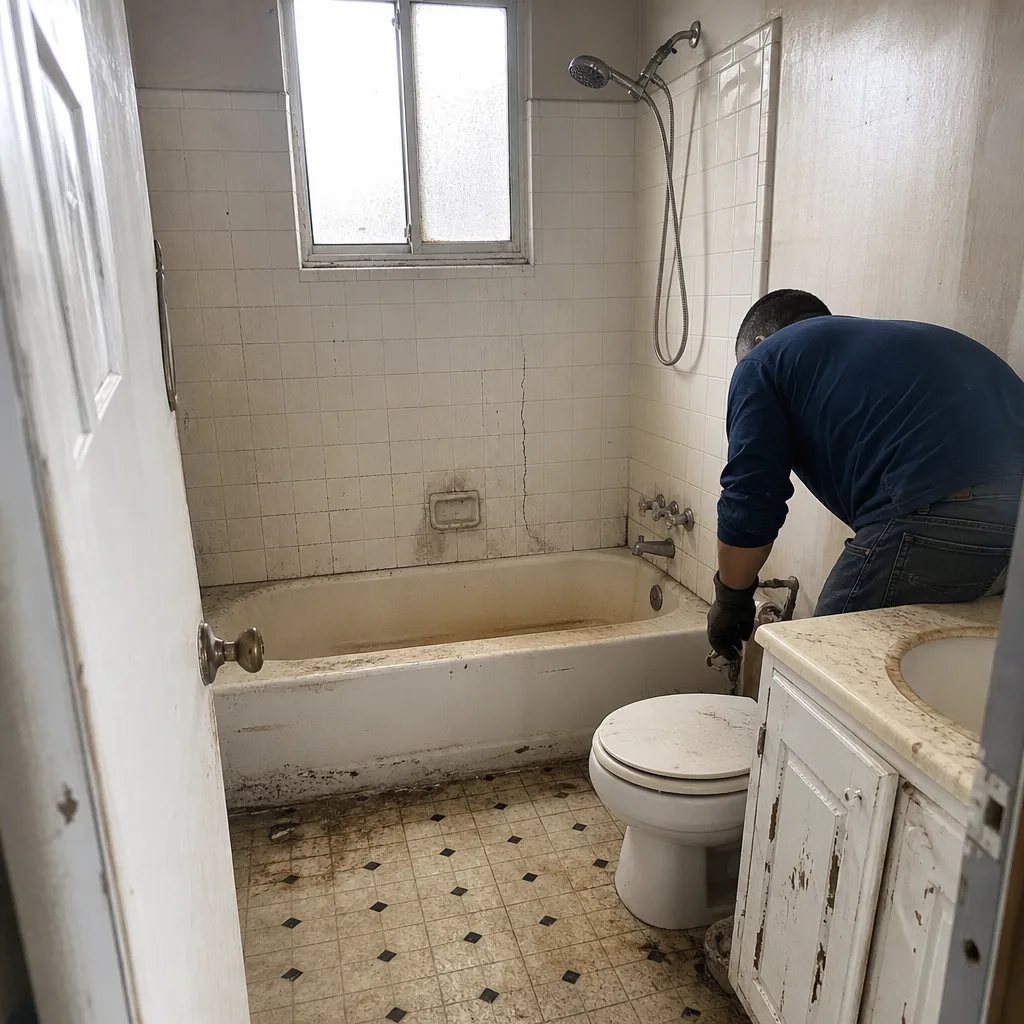 Before
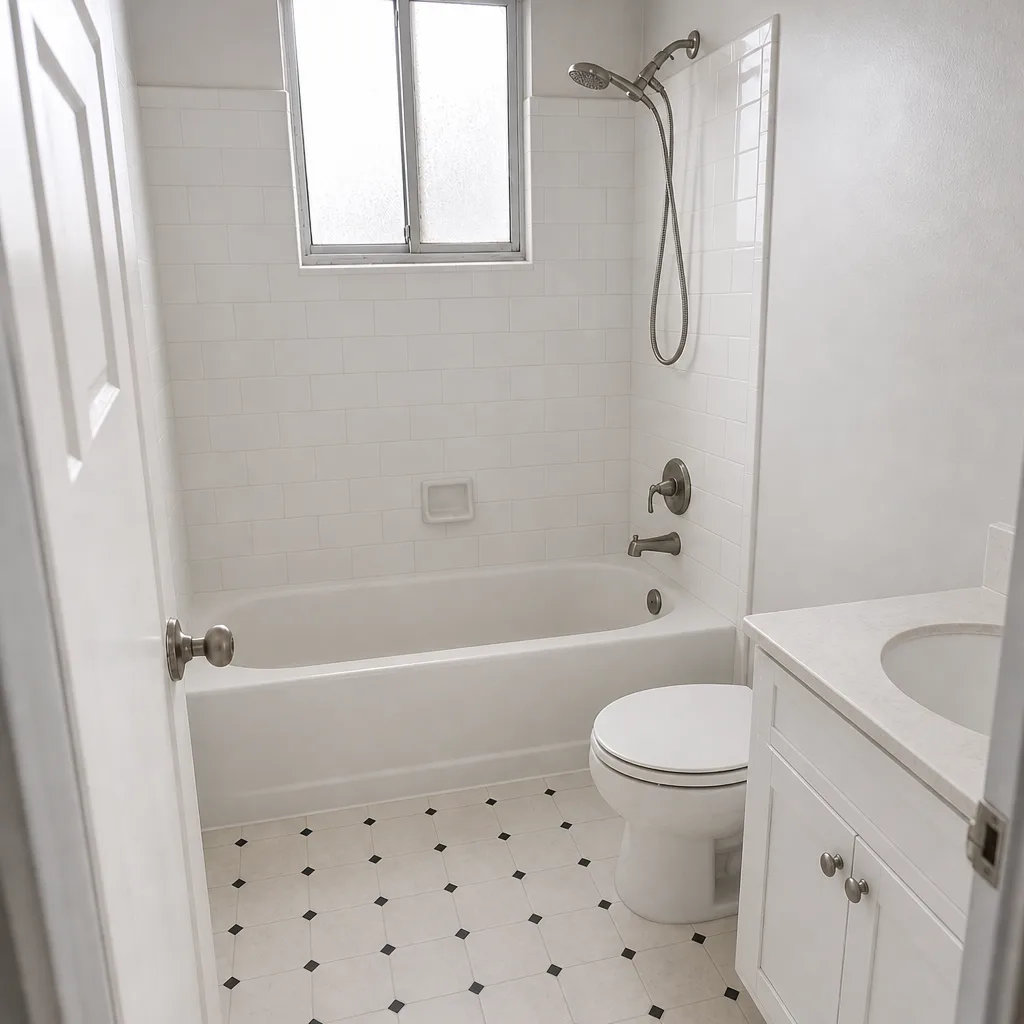 After
When to Call a Professional

Call a professional if you see any of the following: a crack with a visible offset on the inside or outside of the house, three or more interior doors that started sticking in the same month, efflorescence that recurs within a month of being cleaned, a puddle that lasts more than 24 hours against the foundation, water stains on a ceiling that reappear after every storm, or any step cracking on a driveway or walkway. Also call if you’ve signed with a contractor and see two or more of the behavioral signs from the earlier section at the same time – that’s the moment to get a second opinion, not after the job is abandoned.
Groundwork Construction Co. of Buena Park offers free estimates in Buena Park. Call (833) 522-5059. Our technicians arrive in uniform, are background-checked, and bring up to 12 years of experience to reading exactly the signs this guide describes. Every project we take on is covered by the 730-Day Done Right Promise. Upfront pricing, no surprises.
Frequently Asked Questions
A stucco crack is serious if the two sides are offset vertically or if it runs diagonally from a window or door corner. Hairline cracks that are flush and non-directional are almost always cosmetic shrinkage. Any crack with a visible offset should be documented with a dated photo and assessed by a professional.
Buena Park sits on expansive clay soil that swells during the wet season and shrinks during the dry. The transition period in spring, when the soil dries out, is when the foundation settles and the frames rack. If two or three doors start sticking in the same month, that’s the signal to look closer.
White powder on block wall is efflorescence, mineral salts left behind as water moves through the masonry and evaporates on the surface. A single occurrence after a wet season is normal. Efflorescence that recurs within a month after cleaning means water is actively finding a path through the wall.
Water intrusion typically turns into visible damage – ceiling stains, bubbling paint, musty smell – within one to three months of the leak starting. Mold can begin within that same window in a humid space. The 72-hour inspection after each storm is how you find it before the damage compound.
Step cracks with visible displacement almost always point to soil movement underneath, so replacing the slab alone fixes the symptom, not the cause. A professional assessment will identify whether the underlying issue is drainage, soil settlement, or footing movement before you spend money on a new surface.
The strongest mid-project signals are repeated no-shows, crews rotating through with no consistent foreman on site, requests for cash during incomplete phases, and verbal-only change orders. If you’re seeing two or more of those at once, get a second opinion before you make another payment.
The Bottom Line

Construction problems on Buena Park homes announce themselves months before they become expensive. The crack with a visible offset, the doors that all started sticking in the same month, the puddle that lasts a full day, the white efflorescence that keeps coming back, the contractor who suddenly stops calling – each one is a signal, and each one is cheap to act on when you catch it early. All of them get expensive when you don’t. Read the signs on a seasonal schedule, document what you see with dated photos, and call a professional at the first signal that repeats. That’s the entire discipline that separates a homeowner who pays for a repair from a homeowner who pays for a rescue.
Groundwork Construction Co. of Buena Park handles kitchen and bathroom remodeling, roofing, windows and doors, fence and driveway work, and home additions across Buena Park. From foundation to finish line, with a 730-Day Done Right Promise and live-person calls 24/7. Call (833) 522-5059 for your free estimate and design consult. Upfront pricing, no surprises. Built to last, backed in writing.
Written by the team at Groundwork Construction Co. of Buena Park.