Last updated November 18, 2026






Free written scope consultation - allowances, timeline, and change-order rules on paper before a single trade is scheduled
Windows & Doors Maintenance Schedule: What to Do and When
A well-built window lasts 20 to 25 years. A neglected one starts failing around year 10 – sticking, fogging, leaking, or refusing to lock. The gap between those two outcomes isn’t money or luck. It’s about two hours of maintenance a year. Most homeowners in Buena Park never do it, because windows and doors work quietly right up until they don’t. This guide gives you the four-season schedule we’ve used on our own installations, tuned to Southern California’s dry summers and wet winters, so you can add a decade of life to every unit in your house.
Quick Answer
Maintain windows and doors on a four-season schedule: inspect and clean hardware and tracks in spring, check screens and exterior seals before summer heat, re-apply weatherstripping and sealant in early fall before the rainy season, and check locks, hinges, and door alignment in winter. Dedicate two hours a year per home to these tasks and you’ll protect the manufacturer warranty and avoid the premature failures we see on neglected units across Buena Park.
Styles & brands we work with
- Kitchen remodeling
- Bathroom remodeling
- Home additions & ADU
- Roofing
- Windows & doors
- Driveway & pavers
- Fence
Table of Contents
- The Four-Season Maintenance Calendar for Buena Park Weather
- The Five-Minute Hardware Inspection Routine
- Weatherstripping and Sealant: How to Inspect and Re-Apply Correctly
- Frame Material Matters: Vinyl vs. Wood vs. Fiberglass
- Why Buena Park’s Hard Water Changes Your Cleaning Protocol
- Annual Tasks That Protect Your Manufacturer Warranty
- Common Mistakes to Avoid
- When to Call a Professional
The Four-Season Maintenance Calendar for Buena Park Weather
Generic maintenance advice tells you to “check windows twice a year.” That schedule is written for the Midwest – heavy snow, hard freezes, long ice seasons. Buena Park’s climate looks nothing like that. Here, windows and doors face months of dry 90-degree heat from May through October, then a wet season that dumps most of the annual rainfall between December and March. Materials dry out, shrink, and crack in the summer, then swell and take on water in the winter. The calendar below is built around that pattern.
Spring (March – May): Deep Clean and Hardware Inspection
- Remove screens and wash them with mild soap and a soft brush; inspect for tears at the corners.
- Vacuum and wipe out the tracks on every sliding window and sliding door.
- Lubricate hinges, locks, rollers, and sliding tracks with a silicone-based lubricant – not oil.
- Check that every unit opens, closes, and locks smoothly.
- Eyeball the exterior frame and glass for cracks, chips, or fogging between panes.
Summer (June – September): Heat and Sun Check
The dry months put the most stress on seals. Silicone sealant cures and shrinks under UV exposure, so a bead that looked perfect in April can develop hairline cracks by August. Treat this as a light inspection season – walk the exterior on a cool morning, check caulk joints at frames and sills, and note anything that looks chalky or cracked. If you notice fogging between the glass panes on a double-pane unit, the sealed unit has failed and no amount of exterior sealing will fix it. That’s a replacement conversation.
Fall (October – November): Pre-Rainy-Season Sealing
This is the most important window in Buena Park’s calendar. Before the first real rain arrives, every gap, every weatherstripped door, and every exterior caulk joint should be sound. Water intrusion is what rots wood sills, warps frames, and destroys interior drywall. Spend an afternoon re-sealing before the rains, not after.
Winter (December – February): Storm-Season Monitoring
Once the rain starts, the job shifts from maintenance to observation. After the first big storm, walk the interior perimeter of every window and door and look for damp spots, water stains on the sill, or fog on the inside of cold glass. Water showing up on the interior side means the exterior seal has failed and needs attention as soon as the weather clears. Same routine applies if your home has exterior features – a failing fence or damaged drainage features around your exterior can redirect water toward windows during heavy rain, so a quick check of the surrounding Fence Installation in Buena Park or patio drainage is worth doing each winter.
The Five-Minute Hardware Inspection Routine
Hardware failures are the most common problem we see on otherwise healthy windows and doors – and almost all of them are preventable. A lock that suddenly won’t engage, a door that won’t latch, a sliding window that jumps the track: each of these starts as a small amount of wear that goes unnoticed for months. The routine below takes about five minutes per unit, and you should run it twice a year, in spring and fall.
At Each Unit, Check:
- Locks and latches. Test that the lock engages fully and holds. A loose lock plate on a door is often the first sign the door has swollen or shifted out of square.
- Hinges. Open and close the door slowly and listen. A creak or a binding hinge means the hinge needs lubrication or the door is out of alignment.
- Slide tracks and rollers. Lift each sliding panel slightly and check for wobble. A roller that’s flat-spotted or seized will eventually damage the track itself, which turns a $15 roller replacement into a track rebuild.
- Handle screws and lock cylinders. Tighten loose screws with a screwdriver; don’t overtighten. If a handle feels wobbly, tighten before it loosens the internal mechanism.
- Corner joints on frames. Press the corners of each window frame. Movement means the frame is separating – common on older wood and vinyl units in high heat.
This is also the routine to run if you’ve recently installed new windows and want to catch settling issues in the first year. If the units are genuinely new and still under installation warranty, run the hardware check before calling anyone – most minor hiccups resolve with tightening and lubrication.
Weatherstripping and Sealant: How to Inspect and Re-Apply Correctly
Weatherstripping keeps conditioned air in and rain out. It’s the cheapest component on the whole window or door – and the one that fails first. Buena Park’s heat-and-dry cycle is hard on weatherstripping; foam strips compress and hold their compressed shape by mid-summer, and the felt or V-strip type cracks between the cold months. Plan on replacing it every two to four years on high-use doors.
How to Inspect Weatherstripping
- Close the door or window and press on the gap with your finger. It should compress easily and spring back.
- Run a piece of paper around the perimeter and close it in the gap. If it slides out without resistance, the seal is loose.
- Look for cracks, tears, or flattened sections.
- Check for light coming through the perimeter of a closed exterior door on a sunny day – a dead giveaway of worn stripping.
How to Re-Apply Sealant at Frames and Sills
- Remove all old sealant with a putty knife; don’t try to seal over a failed bead.
- Clean the joint with a damp rag and let it dry completely.
- Select the right sealant for the frame material – silicone for vinyl, paintable acrylic or polyurethane for wood, silicone or polyurethane for fiberglass.
- Apply a continuous bead at the frame-to-wall joint and at the sill; smooth with a wet fingertip.
- For sliding doors, re-seal the sill and track with the same product; standing water sits here during winter storms.
Do the re-sealing in fall, not in a hurry after the first rain. The most expensive window damage we repair starts with a failed bead that sat for a season and let water into the wall cavity.
Frame Material Matters: Vinyl vs. Wood vs. Fiberglass
Three of the most common window frame materials on Buena Park homes need different maintenance routines. Treating all of them the same causes premature wear or accidental damage. Here’s what to know for each.
Vinyl Frames
Vinyl is the most common frame material on homes built or updated in the last 20 years across Southern California. It’s low-maintenance, but vinyl expands and contracts more than wood in the heat, which stresses corner welds and caulk joints. Annual tasks: clean with mild soap and water only, never abrasive cleaners; inspect the corner joints for separation; re-seal exterior joints with silicone; keep sliding tracks clean and lubricated. Vinyl is durable if you avoid the two main failure drivers – sunlight-driven expansion and hard-water buildup.
Wood Frames
Wood frames look great and are common in older Buena Park homes. They demand the most attention. Check every year for rot at the sill and bottom rail (the lower edge of the frame is where water collects), and paint at least every five years with exterior-grade paint. Inspect sill and jambs after every rainy season. Any soft spot in wood means the paint has failed and water is getting in; repair the damaged section, then re-paint.
Fiberglass Frames
Fiberglass is durable and stable in the heat, but the surface can chalk and fade if left unsealed. Wipe down once a year with a mild cleaner, then apply a UV-protective wax or finish. Inspect the hinges and lock hardware just like the others. Fiberglass frames don’t warp the way wood does, but they do show scratches if you use abrasive cleaners.
The brands on our own installations – including certain CertainTeed and Owens Corning units in our window lineup – use premium frame materials that hold up better than entry-level products, but the underlying rule holds for every frame: match the cleaning and sealing approach to the material, and the frame survives decades longer. If you’re considering a broader exterior upgrade along with window replacement – a new patio, a driveway, or an ADU addition – see the full scope through our Groundwork Construction Co. of Buena Park home page, which ties all our trades into one contractor relationship.
Why Buena Park’s Hard Water Changes Your Cleaning Protocol
Buena Park’s municipal water is on the hard side of the Southern California range, and that matters for windows and doors in a way most generic maintenance guides never touch. When you clean sliding door tracks, window frames, or hardware, the water itself leaves mineral deposits – calcium and magnesium – that dry into a chalky film inside the track. Over time the film builds up, the rollers can’t roll smoothly, and the sliding panel drags or jumps the track. The same minerals etch glass if left on the surface.
The Buena Park Cleaning Protocol
- Use a 50/50 mix of white vinegar and water to cut mineral deposits on tracks and hardware.
- After cleaning, dry the track thoroughly – don’t let hard water evaporate inside it.
- Lubricate with a silicone spray, not oil, which attracts grit and speeds up the wear.
- For glass, wipe with a squeegee and buff dry; don’t let spray dry on the surface in the sun.
- Run the whole routine in April and again in October – the two-month swing between dry and wet is when buildup gets worst.
Neighborhoods across Buena Park differ in water hardness; if your home is on a private well or you’ve added a softener, adjust the frequency and re-check the tracks every quarter. The vinegar-based cleaning is safe for vinyl, glass, aluminum, and most hardware finishes – skip it on unsealed wood.
Annual Tasks That Protect Your Manufacturer Warranty
Most windows and doors carry manufacturer warranties of 10 to 20 years on the frame and hardware, plus 5 to 20 years on the glass sealed unit – but almost all of them require documented maintenance. Skip the annual tasks below and a warranty claim on a failed unit can be denied. We’ve seen this happen more often than you’d expect, especially on installations that were quality products but never touched after installation.
Tasks That Keep the Warranty Valid
- Cleaning the tracks and hardware at least once a year. Most warranties exclude damage from “lack of maintenance,” which means dirty tracks and seized rollers can void coverage.
- Re-sealing exterior joints per the manufacturer’s schedule. Some manufacturers require caulk joints to be checked every 12 months; dry, cracked joints cause water intrusion the warranty won’t cover.
- Painting or refinishing wood frames on schedule. Unpainted or peeling wood is the single most common reason a wood-frame warranty claim is denied.
- Documenting inspection dates. A one-line note in a home maintenance log – what was checked, when – is what you’ll need if a claim ever arises.
- Not painting over weatherstripping or sealant with the wrong coatings. Paint on weatherstripping or on an unwarranted finish can void the part of the warranty tied to that component.
Tasks That Void the Warranty
- Using abrasive cleaners or pressure-washing window frames and hardware.
- Replacing hardware with non-matching parts while the warranty is still active.
- Painting vinyl frames without manufacturer approval (some allow, many don’t).
- Ignoring a failed seal for two or more seasons and allowing water damage into the wall cavity.
Common Mistakes to Avoid
- Skipping the fall seal. In Buena Park, that missed bead of caulk costs a lot more than it saves; by the time a stain appears on the interior, you’re not looking at $15 of sealant, you’re looking at drywall and framing repair.
- Using oil on slide tracks. Oil attracts dirt, dries to a sticky film, and turns a smooth sliding door into a hard-pulling one within a season. Use silicone spray.
- Pressure-washing window frames. Water forced behind the exterior seal breaks the barrier that keeps the wall cavity dry – and it can void the warranty.
- Assuming “fog between the panes” is fixable with sealant. Fog on a double-pane unit means the sealed glass unit has failed; no exterior product will repair it, and delaying the replacement usually costs more once the interior frame starts taking water.
- Ignoring a door that won’t latch. A door that has shifted out of square usually means the hinge, the frame, or the underlying slab is moving. Left alone, the frame can deflect enough to crack the door edge.
- Running the wrong cleaning products on the wrong finish. Vinegar cuts hard water beautifully, but it dulls some metal hardware finishes; check what your handles and hinges are coated with before you spray.
- Skipping the summer exterior walk. Catching a cracked caulk joint in June costs a caulk gun and an hour; catching it in December after a rainstorm can cost a window unit replacement.
See the difference
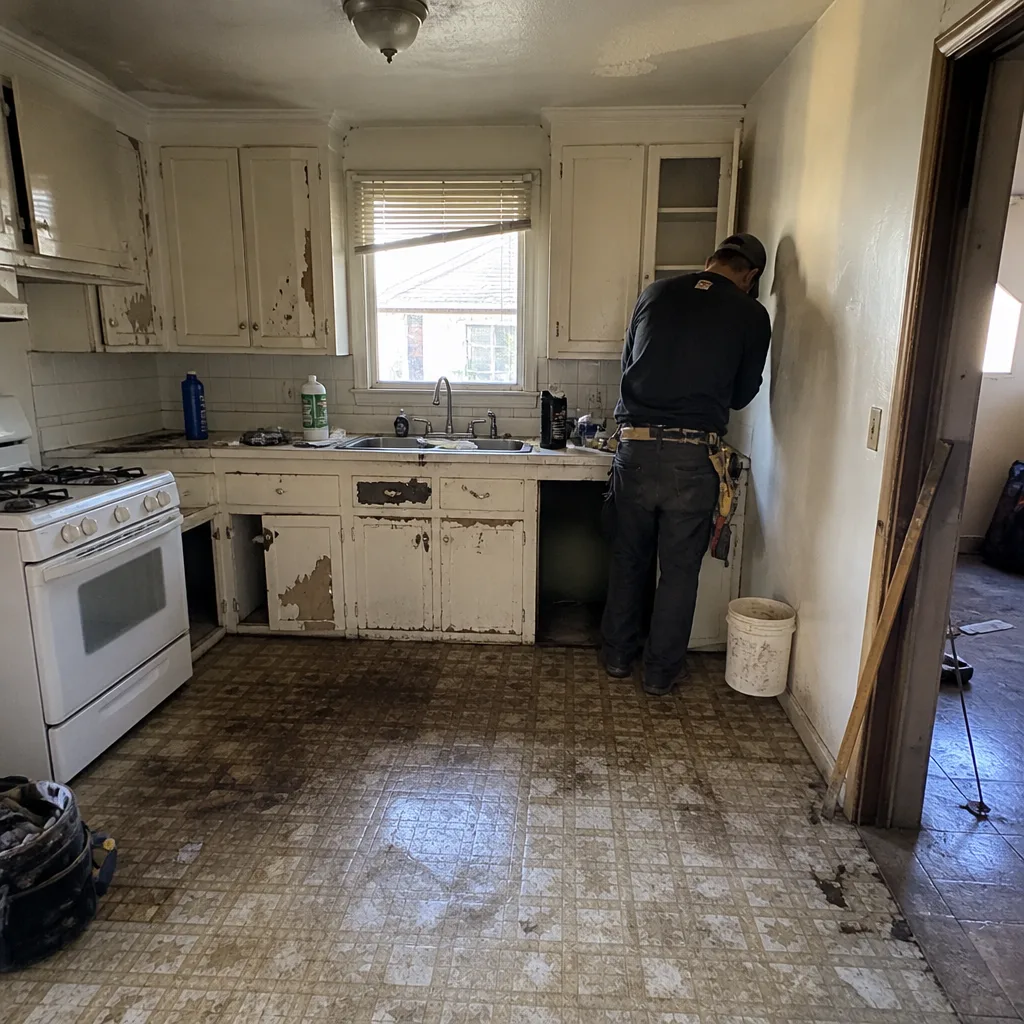 Before
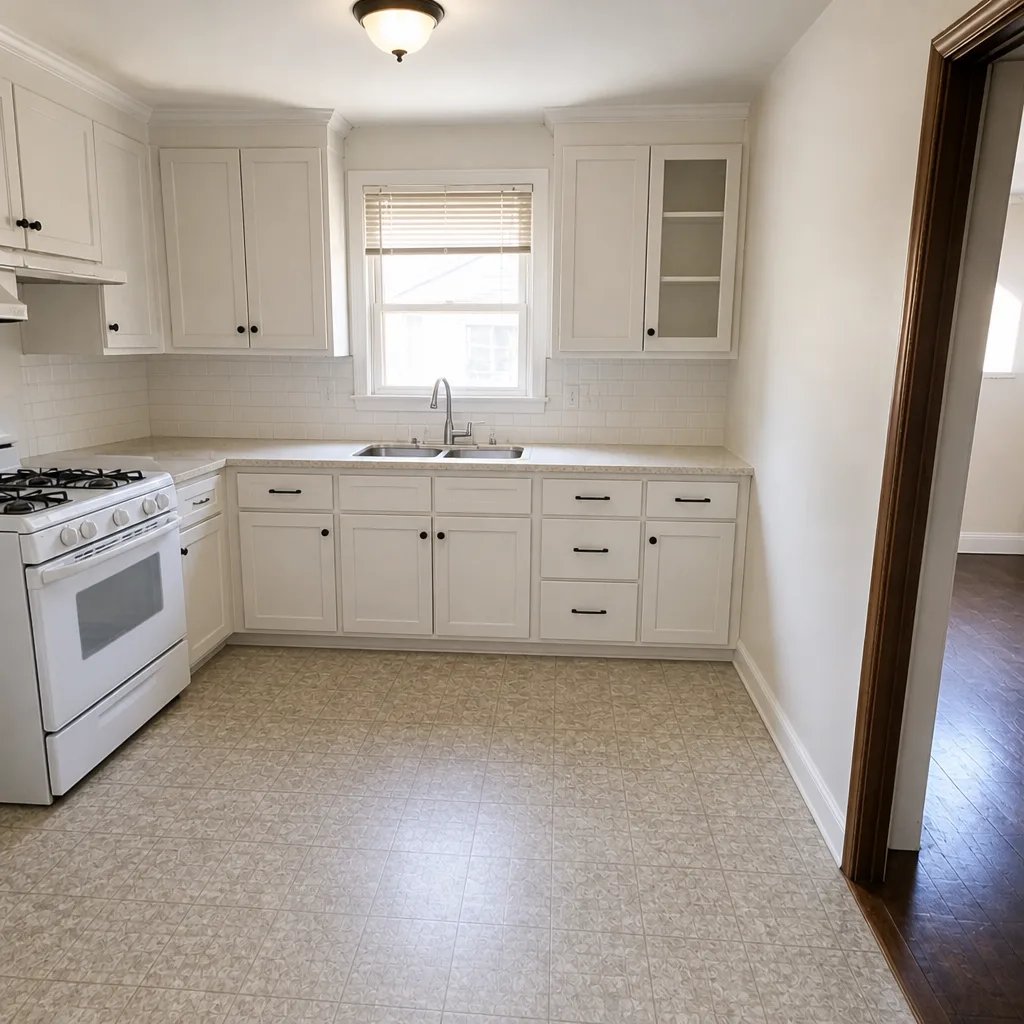 After
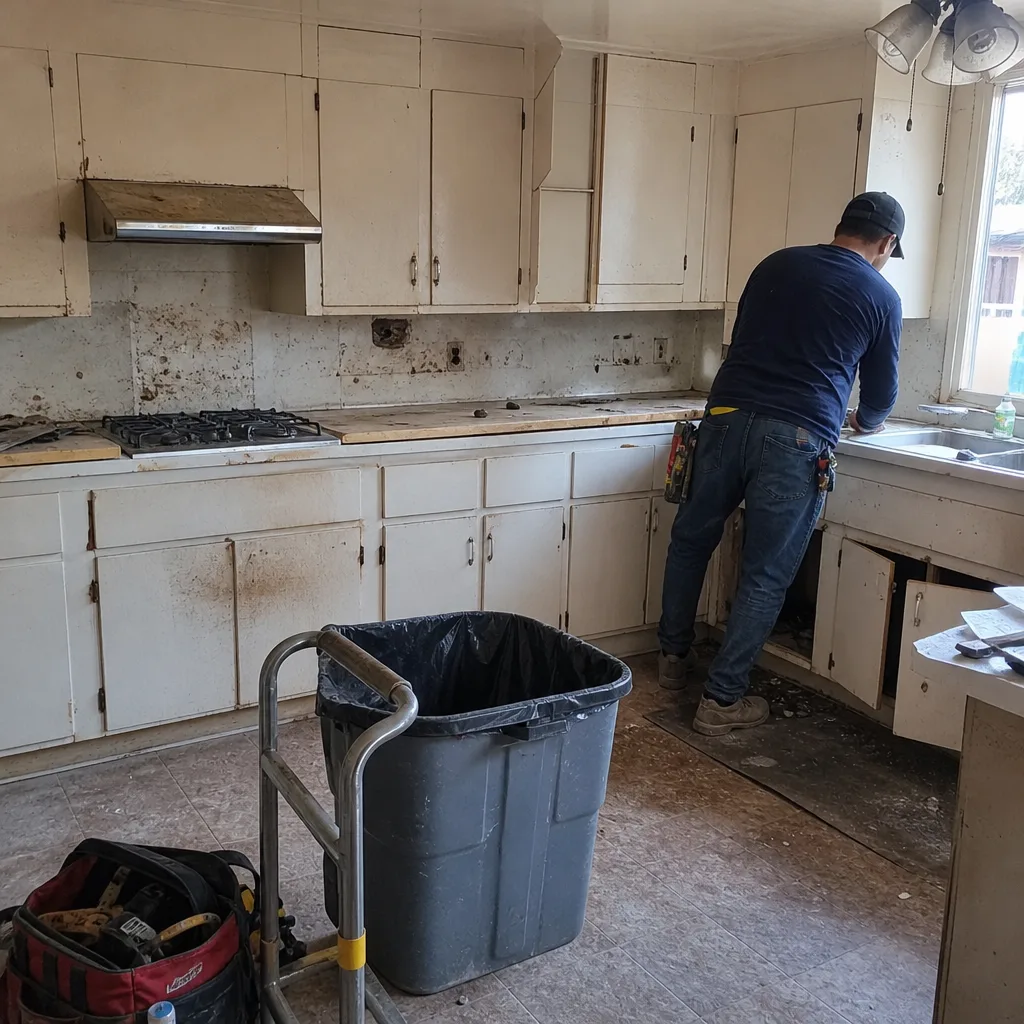 Before
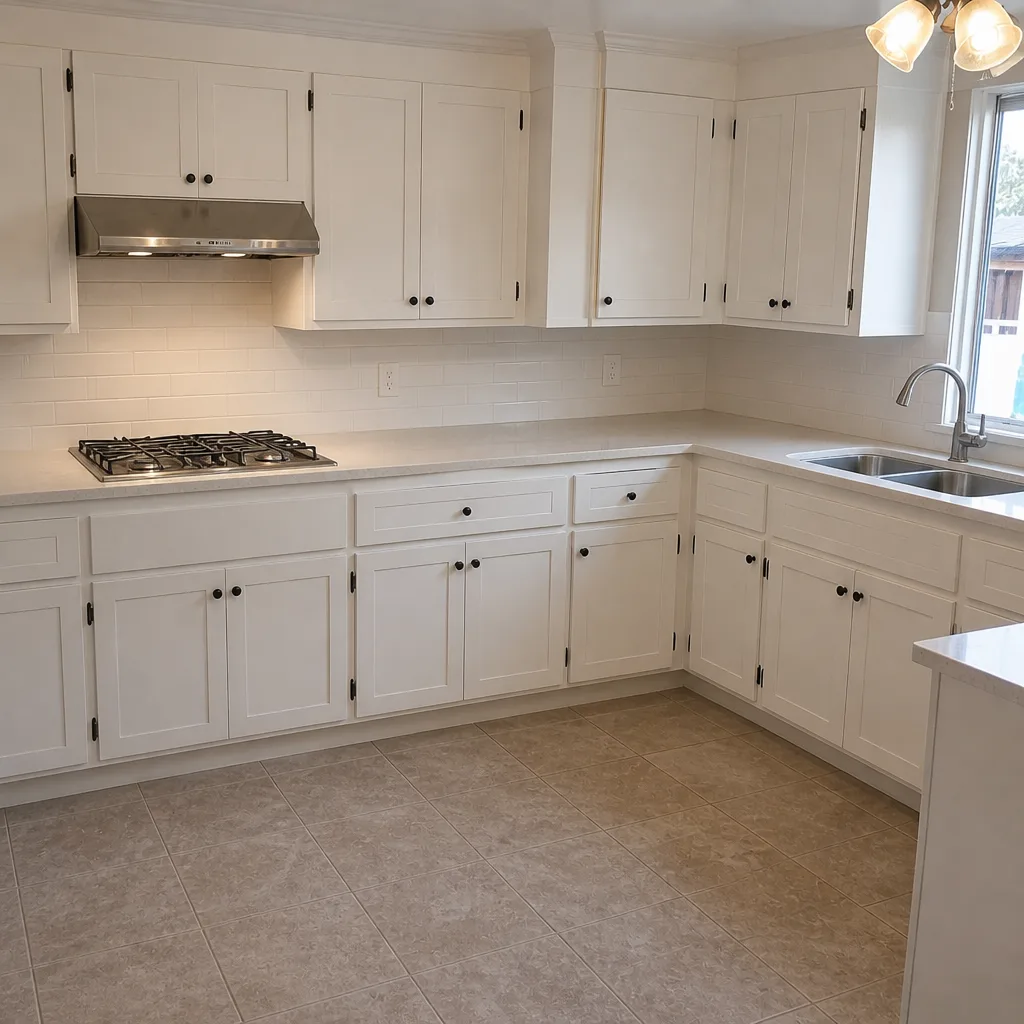 After
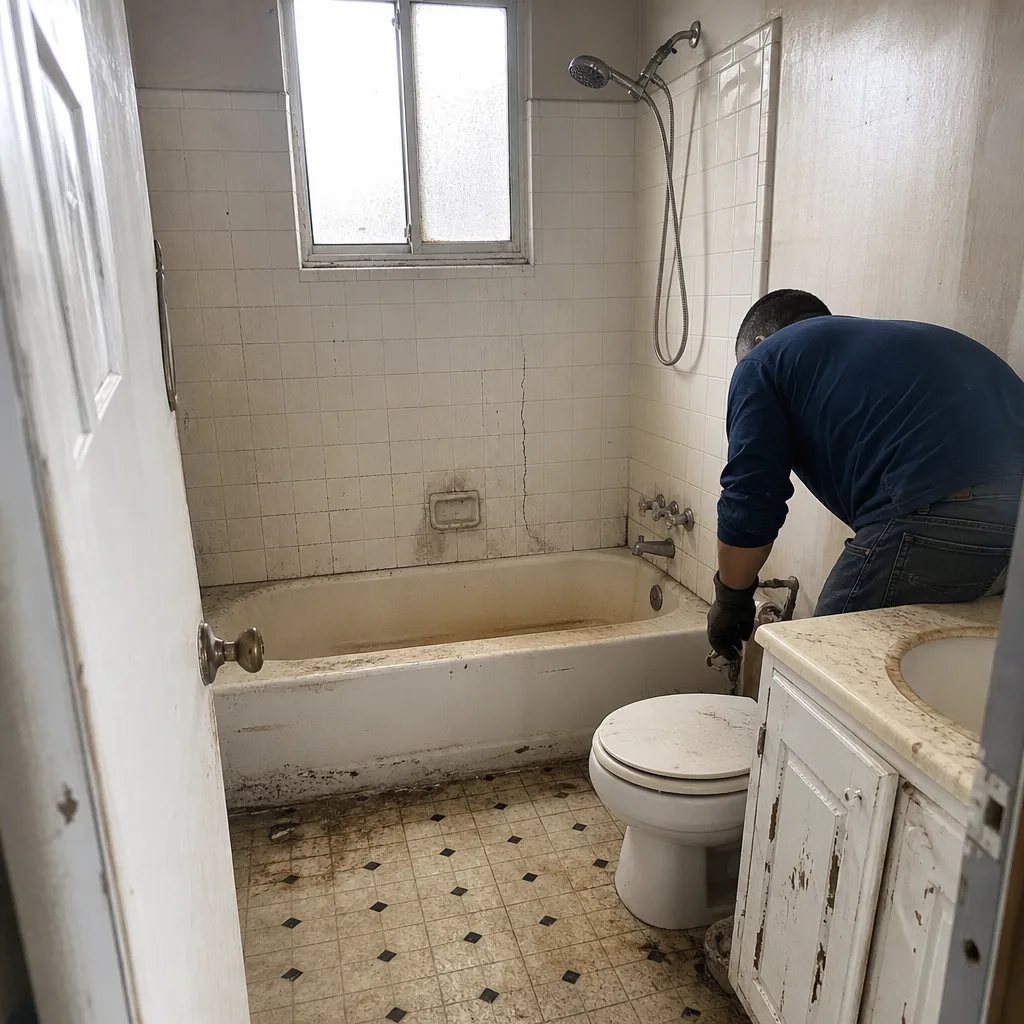 Before
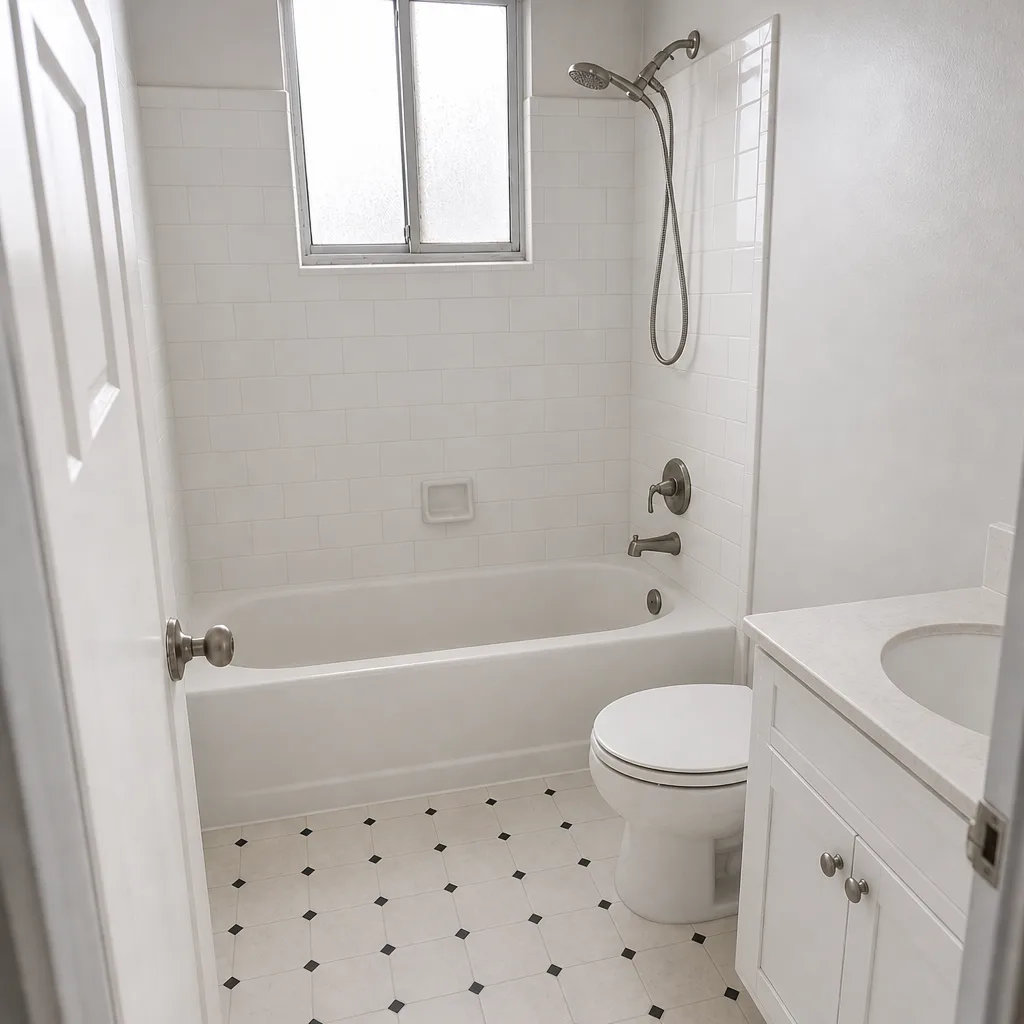 After
When to Call a Professional
Most maintenance tasks in this guide are DIY-friendly – caulking, weatherstripping, cleaning, and lubrication are all well within reach. But a few issues should bring in a professional, especially on high-value or warranty-covered units. Call us if you see fogging in a sealed glass unit, water stains on the interior sill after a storm, visible rot at a wood frame or door jamb, a door that has shifted out of square or won’t latch after tightening, a frame with cracked corner joints, or a window that leaks on the interior side of the frame. Any of these typically means the underlying component has failed and repairs need to be handled with proper materials and warranty documentation. Groundwork Construction Co. of Buena Park offers free estimates in Buena Park – call (833) 522-5059 to schedule yours.
If the issues point toward a whole-home envelope concern – failing windows plus doors plus a roof that’s aging – that often is a moment to consider a broader remodel where multiple trades get handled together. Our Home Additions & ADU in Buena Park team has handled full envelope upgrades on additions where the window and door maintenance schedule was drafted into the original design, and we bring the same approach to all our projects. We also see how exterior surfaces interact with window drainage on every driveway we install – see our Driveway & Pavers in Buena Park page for the full picture of curb-line and drainage work that supports dry interiors.
Frequently Asked Questions

Twice a year at minimum – once in spring and once before the rainy season in early fall. Deep clean, lubricate, and inspect in spring; re-seal and check weatherstripping in fall. Two hours a year per home is the realistic number, and it’s the difference between a unit lasting 20 – 25 years and one failing at 10.
Failed caulking and dried-out weatherstripping, almost always discovered after the first heavy winter rain. Hard-water mineral buildup inside sliding tracks is the second most common, and it’s the one that quietly turns a working sliding door into a stuck one. Both are prevented with the spring and fall routines in this guide.
No. Fog between panes means the sealed glass unit has lost its argon fill and moisture barrier; the only real fix is replacing the sealed unit. Call a professional – delaying the fix lets moisture into the frame and interior wall cavity, which turns a $200 glazing job into a much larger repair. Call (833) 522-5059 for a free estimate.
Often yes. Most manufacturer warranties exclude damage from “lack of maintenance” and require annual inspection of tracks, hardware, and sealant joints. Keep a simple written log of what was checked each year – it’s enough to support a claim if a component fails later.
White vinegar mixed 50/50 with water, applied with a rag or soft brush, then dried thoroughly. Follow with a silicone spray on the rollers and track. Skip oil-based lubricants – they attract dirt and accelerate wear.
Not if they’re maintained. Vinyl, fiberglass, and premium wood units with annual maintenance regularly run 25 to 30 years in Southern California. Replace when you see repeated fogging in multiple units, visible frame rot that can’t be repaired, or air and water infiltration that re-sealing can’t fix – not on a calendar.
The Bottom Line
The gap between a 10-year window and a 25-year window isn’t the frame material or the installer – it’s the maintenance schedule. Two hours a year, four seasonal touchpoints, a half-hour spring hardware check, and a fall pre-rain re-seal. Buena Park’s dry summers and wet winters stress windows and doors in a specific way, and the schedule in this guide is built around that. Vinyl, wood, and fiberglass each need slightly different handling; hard water in Buena Park means track cleaning is more than cosmetic; and following a documented schedule is what keeps your manufacturer warranty alive when a unit eventually fails. Start with the spring checklist this year, keep a written log, and you’ll get decades of service from units already installed in your home.
Groundwork Construction Co. of Buena Park stands behind every project with up to 12 years of technician experience, the 730-Day Done Right Promise, and calls answered by a live person around the clock. When you’re ready to talk through a window and door replacement, a whole-home envelope upgrade, or a remodel that ties multiple trades into one job, call (833) 522-5059 for a free estimate. Upfront pricing, no surprises.
Written by the team at Groundwork Construction Co. of Buena Park.