Last updated November 18, 2026




Free written scope consultation - allowances, timeline, and change-order rules on paper before a single trade is scheduled
Windows & Doors Warning Signs Every Homeowner Should Know
By the time you can feel a draft standing next to a window, you’ve already lost hundreds of dollars in energy costs. The real warning signs show up two to three years before that draft, and most homeowners walk right past them. A latch that needs an extra push. A faint whistle only when the Santa Ana winds blow from the northeast. A thin line of discoloration along a sill you’ve stopped noticing. This guide covers the subtle signals that mean a window or door in your Buena Park home is on the road to failure while repair is still cheap, and the ones that tell you the problem isn’t the unit at all. We’ll separate cosmetic aging from functional breakdown, explain what Buena Park’s salt air and UV load do to hardware and frames, and give you the red flags to watch for in a contractor’s quote.
Quick Answer
The earliest signs a window or door needs professional attention are difficulty latching, faint whistling in specific wind directions, minor frame discoloration, and hardware that feels gritty or loose. These show up years before visible drafts or fogged glass and are the cheapest stage to fix. In Buena Park, salt-air corrosion on hardware and UV degradation on south- and west-facing frames accelerate all of these, so inspections should happen every couple of years rather than waiting for a failure.
Styles & brands we work with
- Kitchen remodeling
- Bathroom remodeling
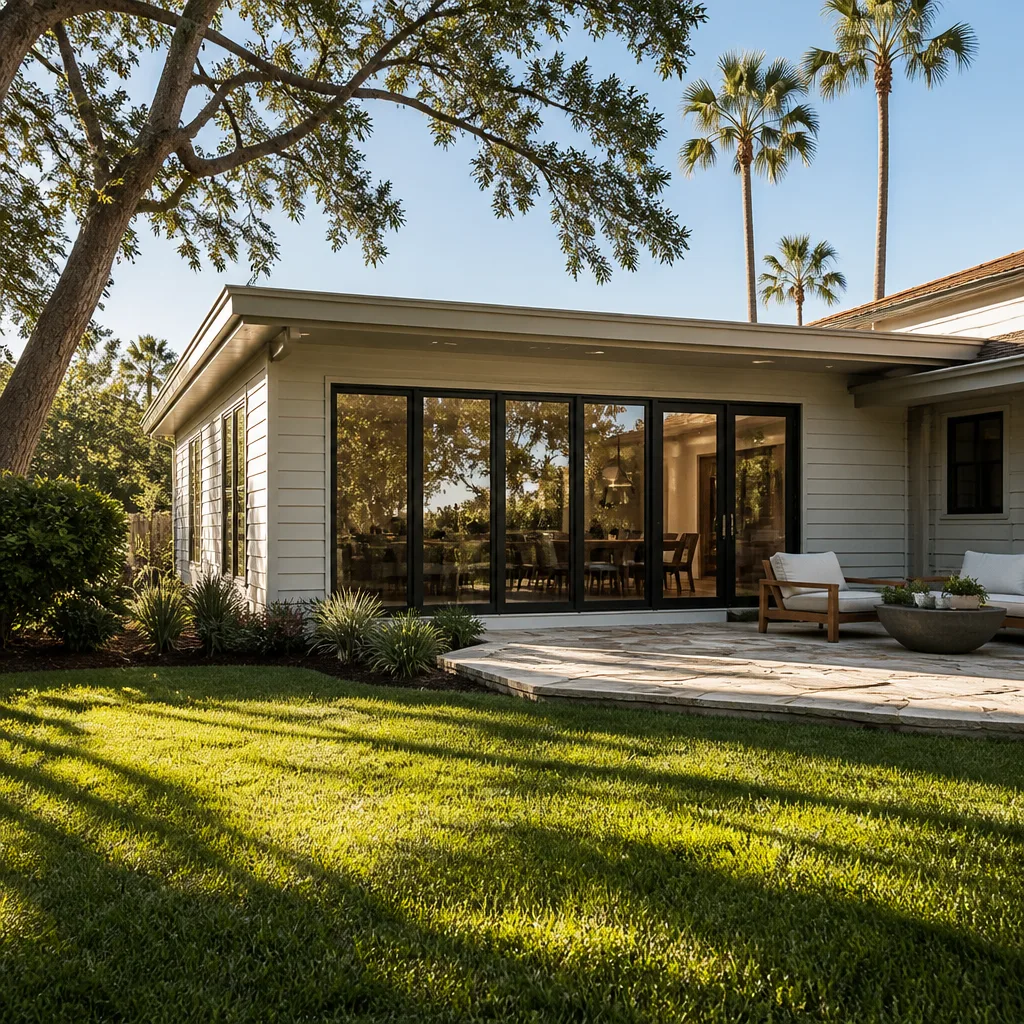
- Home additions & ADU
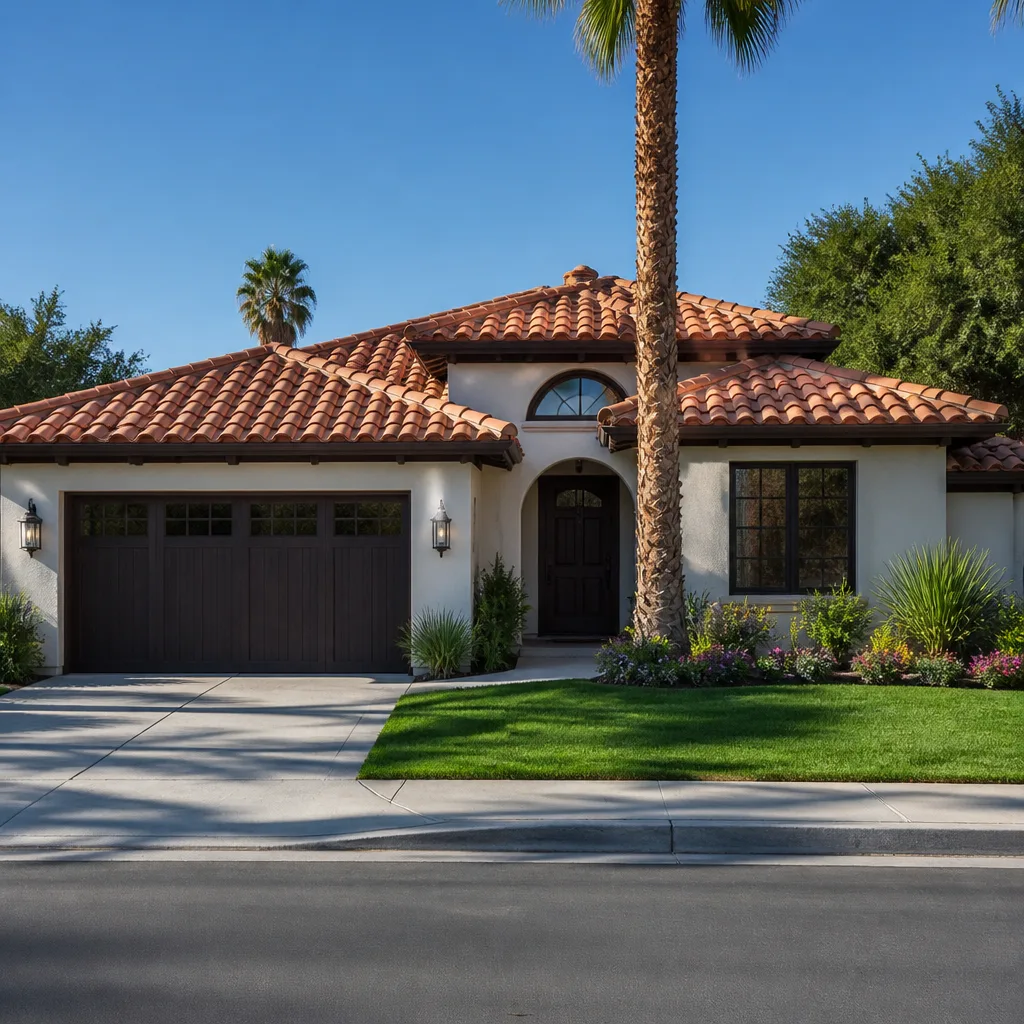
- Roofing
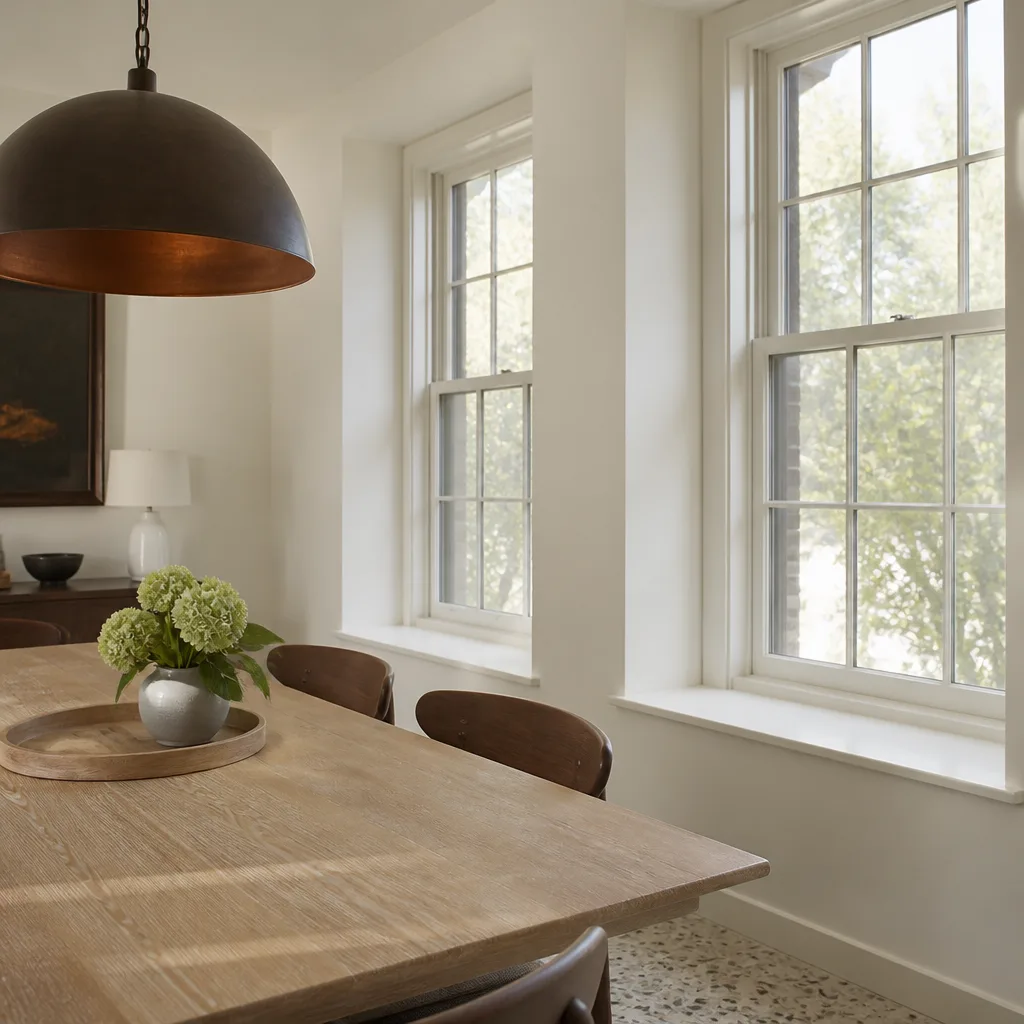
- Windows & doors
- Driveway & pavers
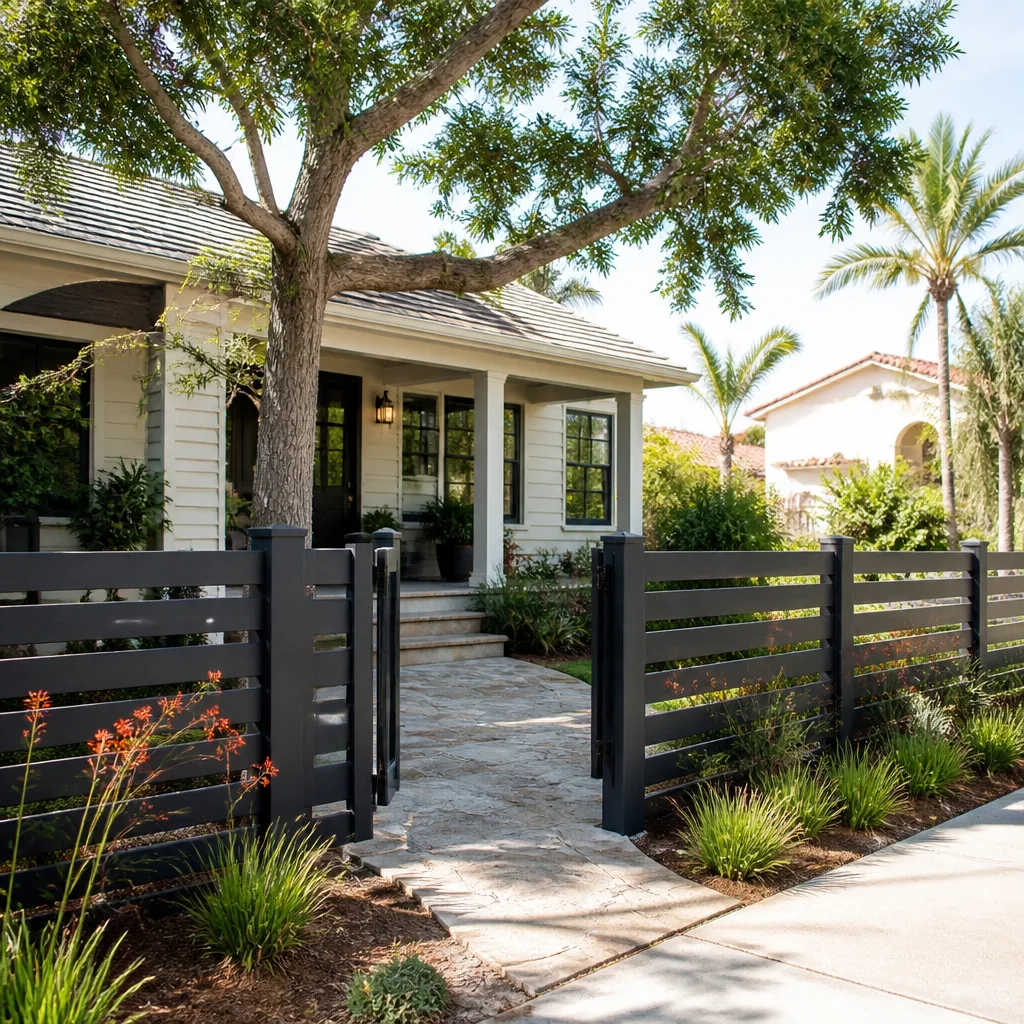
- Fence
Table of Contents
- The Early Warning Signs Most Homeowners Miss
- Cosmetic Aging vs. Functional Failure
- Warning Signs Specific to Buena Park’s Climate
- When the Problem Is the House, Not the Window
- Door-Specific Warning Signs
- Red Flags During a Contractor Quote
- A Step-by-Step Window and Door Inspection
- Common Mistakes to Avoid
The Early Warning Signs Most Homeowners Miss
The obvious failures get attention. Fogged double-pane glass, a door that won’t close, water staining on drywall. But those are end-stage. The signals that matter most come earlier and quieter, and they’re the ones we’ve watched homeowners dismiss for years before calling us. Here’s what to listen and look for.
- A latch that needs an extra push or lift. If your door handle takes a jiggle to catch, or a window lock needs a nudge to engage, the frame has shifted or the hardware has worn. Both are early indicators. Catching this stage usually means an adjustment and a hardware swap, not a full replacement.
- Faint whistling in one wind direction. A high-pitched note only when the wind comes from the northeast means air is finding a path through a compromised seal. You won’t feel it on a calm day. You won’t see it on a smoke test. But the whistle is the leak announcing itself.
- Discoloration along a sill or corner. A faint yellowish or gray line where the frame meets the wall is often the first sign of moisture wicking into the joint. It’s not mold yet. It’s the invitation mold sends ahead.
- Condensation on the inside pane, not the outside. Exterior condensation is normal in Buena Park’s coastal humidity. Interior condensation that forms in the morning and dries by noon points to a failing seal between the glass panes or a gap at the frame.
- Hardware that feels gritty or loose. A handle that wobbles a few degrees, a hinge that clicks, a lock that turns with effort. Small motions, yes. But they’re telling you something is working free of its anchor.
- A slight temperature difference near the frame. Run the back of your hand along the inside of the frame on a hot afternoon. If one section feels noticeably warmer than the glass next to it, heat is getting past the seal.
None of these signs mean your window or door has failed. Every one of them means it’s telling you something. The window between “worn” and “failed” is typically two to three years. In that window, repairs are inexpensive. After it, you’re replacing.
Cosmetic Aging vs. Functional Failure
Not every worn window is a failed window. Not every fine-looking window is performing correctly. We’ve walked into Buena Park homes where a homeowner wanted to replace a set of vinyl windows purely because the frames had yellowed slightly in the sun. Those windows had ten years of good service left in them. We’ve also walked into homes where the windows looked brand new and were quietly leaking air through failed corner welds. The look and the function don’t track.
Here’s how we draw the line:
- Cosmetic aging is discoloration, surface scratches, faded paint, worn weatherstripping, and hardware that looks old but still works. None of these affect the home’s thermal envelope or water resistance. Maintenance and cleaning handle most of it. A good coat of paint on a wood frame resets the clock.
- Functional failure is anything that lets air, water, or heat past the assembly in a way you can measure. Failed seals, gaps in the frame, hardware that no longer engages the lock, water stains, or interior condensation. This is where money is quietly leaking out of your house every month.
One test that tells you which side you’re on: hold a piece of tissue paper near the edges of a closed window on a breezy day. If the tissue flutters, air is moving through. Another: check for water staining on the interior sill after a strong rain. If it’s dry, the exterior seal is holding. If it’s not, you have water intrusion that will only get worse.
We’ve seen windows installed with PGT and CGI units that looked pristine through a decade of use and performed just as well at year ten as year one. That’s what a properly installed, well-made unit does. It also shows why the look alone doesn’t tell you much. What matters is whether the seal, the frame, and the hardware are still doing their jobs together.
Warning Signs Specific to Buena Park’s Climate
Buena Park sits in an interesting spot. You’re close enough to the coast that salt air travels inland on the afternoon breeze, but far enough that summer temperatures run higher than the beach cities. Add in the Santa Ana wind events that funnel dry heat through the region and you get three distinct stressors on windows and doors that homeowners in other parts of the country don’t face the same way.
Salt-air corrosion on hardware
Salt carries into Buena Park on the marine layer and settles on exposed metal. Door handles, hinges, window locks, and the screws that hold the frame in place all pick it up. The first sign is a dulling of the finish. Then comes a gritty feel when you turn the handle. Then comes rust. Standard builder-grade hardware corrodes within five to seven years in this environment. Stainless or marine-grade hardware lasts considerably longer. If your hardware is pitting or leaving rust-colored dust on the frame, that’s a salt-corrosion alert.
UV degradation on south- and west-facing frames
A south- or west-facing window in Buena Park gets hammered by direct sun for most of the afternoon. Vinyl frames will chalk and yellow. Wood frames will dry, crack, and split at the joints. Sealant will shrink and pull away from the glass. Every one of those is a functional opening for air and water, not just a cosmetic complaint. If your frames are chalky or your sealant is cracked on the sunny side of the house, those units are on an accelerated timeline compared to the shaded side.
Humidity-driven wood swell
Wood doors and wood-framed windows in Buena Park swell slightly during the humid late-spring marine layer and shrink during the dry Santa Ana periods. Over a few years, that cycle opens joints, wears out weatherstripping, and causes the door to stick in the summer and gap in the fall. If your front door sticks from May through July and swings freely in October, that’s the cycle at work. Not a failure yet, but it’s telling you the weatherstripping and seals are overdue for service.
The upshot: Buena Park windows and doors age faster than the manufacturer’s generic timeline suggests. A 20-year window in a mild climate may need service at year 10 to 12 here. That’s not a defect. It’s the environment, and it’s why we recommend a walk-through inspection every two to three years rather than waiting until something breaks.
When the Problem Is the House, Not the Window
Sometimes a window sticks because the window is bad. Sometimes it sticks because the wall it lives in is moving. Those are completely different conversations, and treating one as the other wastes money. This is the single most important distinction in this guide.
Here’s the pattern. A window that used to open smoothly starts binding in one corner. You adjust the hardware and it works for a month, then it binds again. A door that closed cleanly now needs a shoulder to latch. You shim the hinge, and three months later you’re shimming again. Those repeat-offender symptoms usually point to the frame opening shifting, which points to the structure around it.
Look for these additional signals:
- Cracks in the drywall at the window or door corners. Diagonal cracks radiating from the upper corners of a window opening are a classic sign of settling or movement in the wall.
- A door that rubs on the top corner in one season and the bottom the next. That’s a frame that’s tilting, not a door that’s swollen.
- Multiple windows and doors in the same wall showing the same symptom. If one unit binds, suspect the unit. If three on the same wall bind the same way, suspect the wall.
- Gaps between the frame and the drywall that widen over time. Measure with a pencil mark and check again in six months. If the gap grows, the frame is moving.
- Doors that close on their own or swing open. The floor or the frame is no longer plumb. That’s structural, not a hinge issue.
If any of those are happening in your Buena Park home, the right first call is a contractor who can look at the whole assembly, not just the units. If the underlying structure needs attention, that conversation belongs with the full-scope team at Groundwork Construction Co. of Buena Park, who can assess the window, the wall, and the framing together before recommending a replacement that would just be putting new units onto a moving frame.
We’ve seen homes where a homeowner replaced every window in a room and the new ones started binding within a year, because nobody looked at the wall. That’s an expensive lesson. Ask your contractor to check for frame movement as part of the initial walk-through.
Door-Specific Warning Signs
Doors take more abuse than windows because you use them every day. That constant cycling magnifies wear before it shows on a window. Here are the door-specific signals that matter most, in the order we typically see them.
- Daylight visible around the edges when the door is closed. Any daylight from inside means air, water, and insects are coming through the same gap. The most common cause is worn weatherstripping, which is a fast, inexpensive fix. The second most common is a door that has warped.
- The deadbolt doesn’t line up without a lift or push. The door has dropped on its hinges or the frame has shifted. This is one of the earliest warning signs and it’s often the one that prompts a call.
- A door that requires force to close in one season and swings freely in another. Seasonal swelling. Wood doors are more prone than fiberglass or steel, but any door in a humid climate will move a little. Consistent annual swing indicates you need to reseal the door’s perimeter.
- Water staining on the threshold or the floor inside the door. The exterior seal has failed and rain is getting in. In Buena Park, this tends to show up on the windward sides of the house after strong storms.
- Hinge screws that won’t tighten. If the screws spin freely, the wood in the jamb is stripped or rotted. That’s a repair, and it should happen before the door fails entirely.
- A door with a visible warp, crack, or delamination. This is the point of no return. A warped door can’t be repaired back to true. That’s a replacement.
If your door is a standard slab and you’re not emotionally attached to it, replacing it with a well-sealed, properly hung unit is often the practical move. We work with CWS and ES Windows units on many of these jobs, and proper installation makes the difference between a door that lasts fifteen years and one that starts whistling in year three. That’s also a category covered by our Fence Installation in Buena Park perimeter work, where exterior door treatment and gate hardware share the same corrosion concerns from salt air.
Red Flags During a Contractor Quote
The window or door itself isn’t the only thing to evaluate. The contractor in front of you is the other half of the equation, and the quote process tells you a lot about how the work will go. Here are the flags we tell every homeowner to watch for.
- “Permits aren’t necessary for this job.” Window and door replacements that change the opening size or affect the exterior envelope in Buena Park require permits and inspections. A contractor who waves that off is either misinformed or cutting corners. Ask to see the permit number before work starts. If they can’t produce it, walk.
- Pressure to replace units that only need adjustment. If the hardware is shot and the frame is sound, a hardware swap and adjustment is the right call. If the contractor insists on full replacement without showing you the failing point, get a second opinion.
- A price that changes after they “take a look.” Upfront pricing means the number you see is the number you pay. If a contractor hands you a ballpark and then a revised number once work begins, the original figure was never real.
- No written warranty. If the workmanship guarantee isn’t on paper with a clear duration, it doesn’t exist. Our 730-Day Done Right Promise is one of the longest workmanship coverage periods in the residential construction space, and we point every homeowner to it in writing before signing. You should expect the same from anyone you hire.
- A crew that shows up in an unmarked van. Background-checked, uniformed technicians are a baseline, not a perk. Anyone running a legitimate window and door business can tell you the names and backgrounds of the people entering your home.
- Refusal to put the scope in writing. Every window, every door, every piece of flashing, every brand. If it isn’t written down, it isn’t included, and it will surface as an add-on.
- No financing or payment flexibility. Window and door replacement across an entire home is a five-figure project. A contractor who can only offer “cash up front” is limiting your options. We offer 0% financing for 18 months, and $1,000 off any project over $10,000, precisely because these jobs belong in monthly-budget territory for most owners.
A Step-by-Step Window and Door Inspection
You can walk your own Buena Park home and find most of these warning signs in about 20 minutes. Here’s the checklist we give to homeowners before they call us, so they know what’s actually going on before anyone walks through the door.
- Walk the exterior on a windy day. Note any faint whistling, especially on the windward side. That’s air finding a path.
- Check every door latch and window lock. Does each engage without a jiggle, a lift, or a shove? Anything that needs a second attempt is a candidate for adjustment or hardware service.
- Run your hand around the interior edge of each window frame. Note spots that feel warmer or cooler than the surrounding glass on an active afternoon. Note any condensation that appears in the morning and dries by noon.
- Look at the sill and the corners of each frame. Look for discoloration, water staining, or chalky surface on vinyl. Look for cracking sealant where the frame meets the wall.
- Test every door through its full swing. Note any sticking, self-closing, or self-opening behavior. Note any daylight visible when the door is shut.
- Open your door hardware and window locks and look for rust or pitting. If you see orange or brown dust on the metal or the frame around it, salt-air corrosion is active.
- Look for drywall cracks at the corners of every window and door. Note any that have widened since you last checked. Mark them with pencil and date them.
- Photograph anything you find, with the date. If you call a contractor for an estimate, having dated photos of these findings turns a vague conversation into a specific one.
If any door or window fails step 2, 3, or 4, that’s your earliest-stage repair window. If multiple items on the same wall fail together, that’s a structural check. And if everything passes but you haven’t looked in five years, schedule a professional walk-through so you’re not the homeowner who only finds out the day the unit fails.
Common Mistakes to Avoid
- Replacing every window because one looks tired. One bad unit doesn’t mean the whole house needs new glass. Replace the units that are failing and service the ones that aren’t. In Buena Park homes, we’ve saved homeowners thousands of dollars by fixing three windows and leaving the other eight alone.
- Ignoring a sticky door and calling it “the weather.” A door that sticks every summer is telling you the seal has gone. Replace the weatherstripping and reseal before the wood or the threshold takes on water. It’s a $200 fix now versus a $2,000 door later.
- Painting over chalky vinyl or rotting wood. Paint hides the surface but doesn’t address the underlying degradation. On wood, prep and seal first. On vinyl, replacement is the answer, not paint.
- Assuming a new window equals a good install. Even a PGT or CGI unit performs at half its rated life if the flashing and sealant are wrong. Installation is where windows actually fail. Ask for the flashing and sealant details in writing.
- Hiring on price alone in a coastal climate. The cheapest unit in a Buena Park house becomes the most expensive one in seven years, because salt corrosion eats cheap hardware. Consider the marine environment when you’re choosing hardware and finishes.
- Skipping the permit process. Buena Park requires permits for envelope-affecting replacements, and the inspection protects you. A contractor who skips the process leaves you holding the risk if anything fails.
- Waiting until water comes inside before calling someone. By the time you’re drying a sill with a towel, the wall cavity behind the frame has already seen moisture. The most valuable window for a repair is the one before the leak, not after.
See the difference
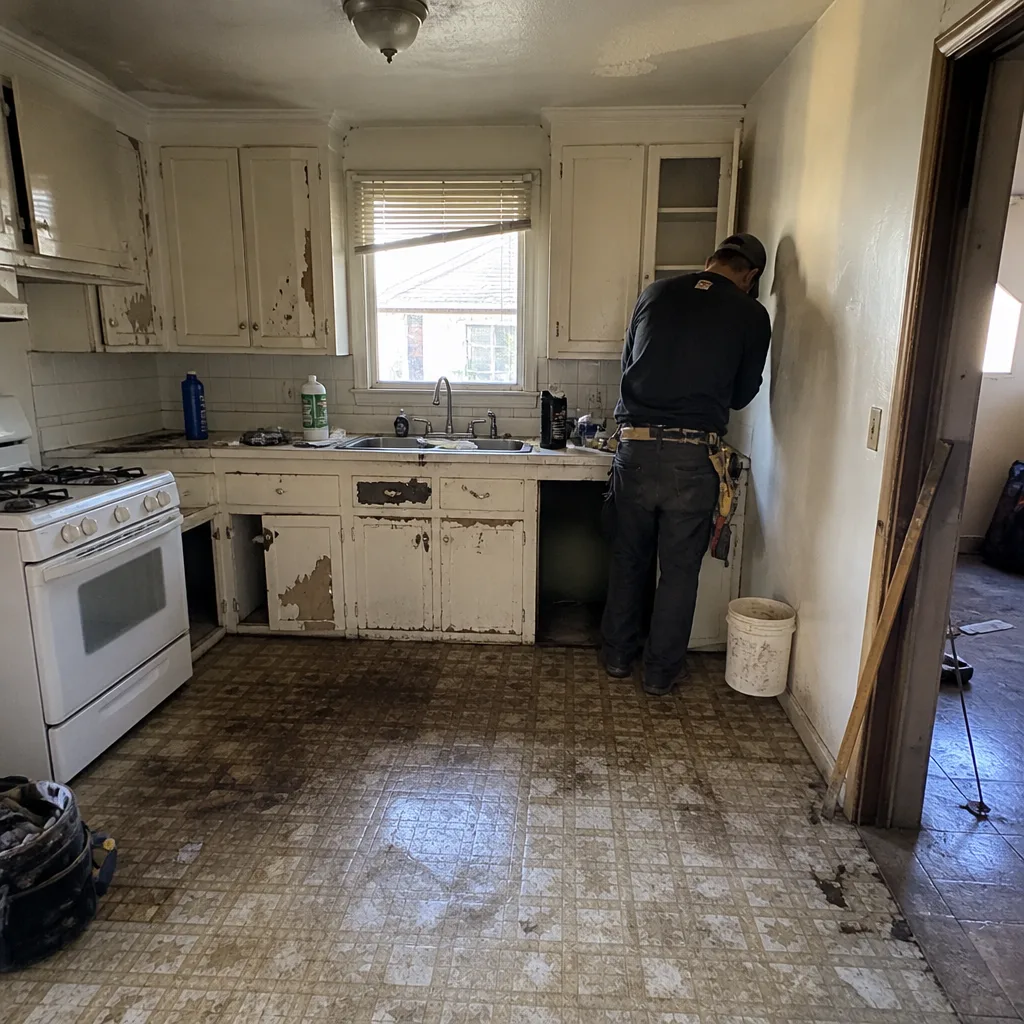 Before
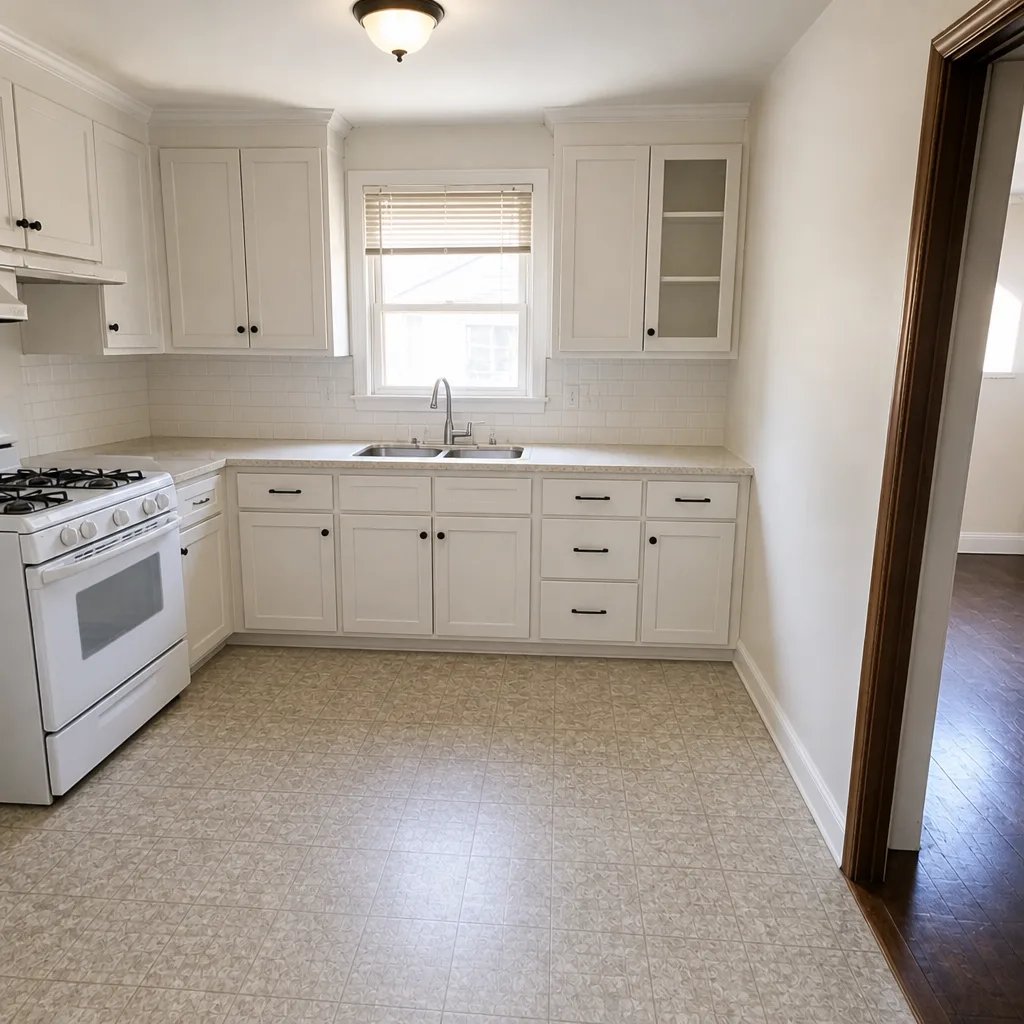 After
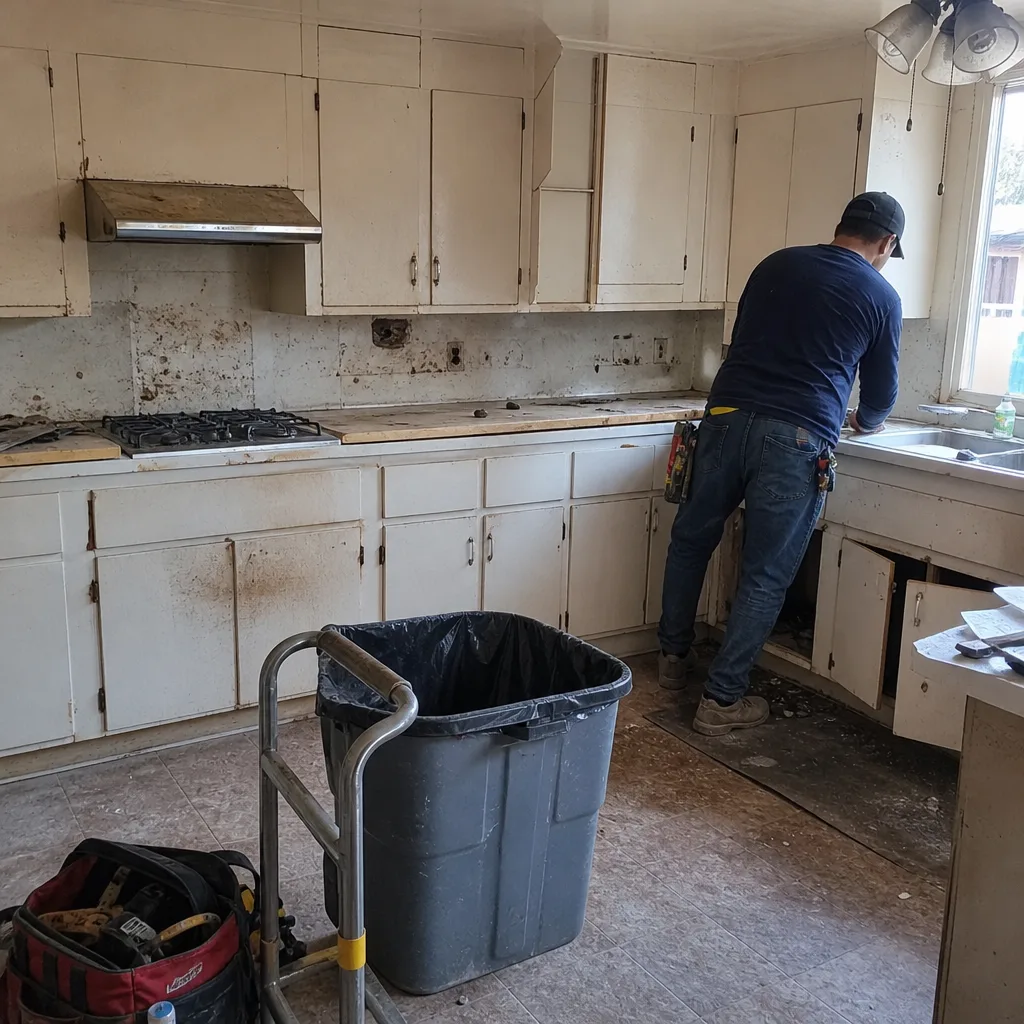 Before
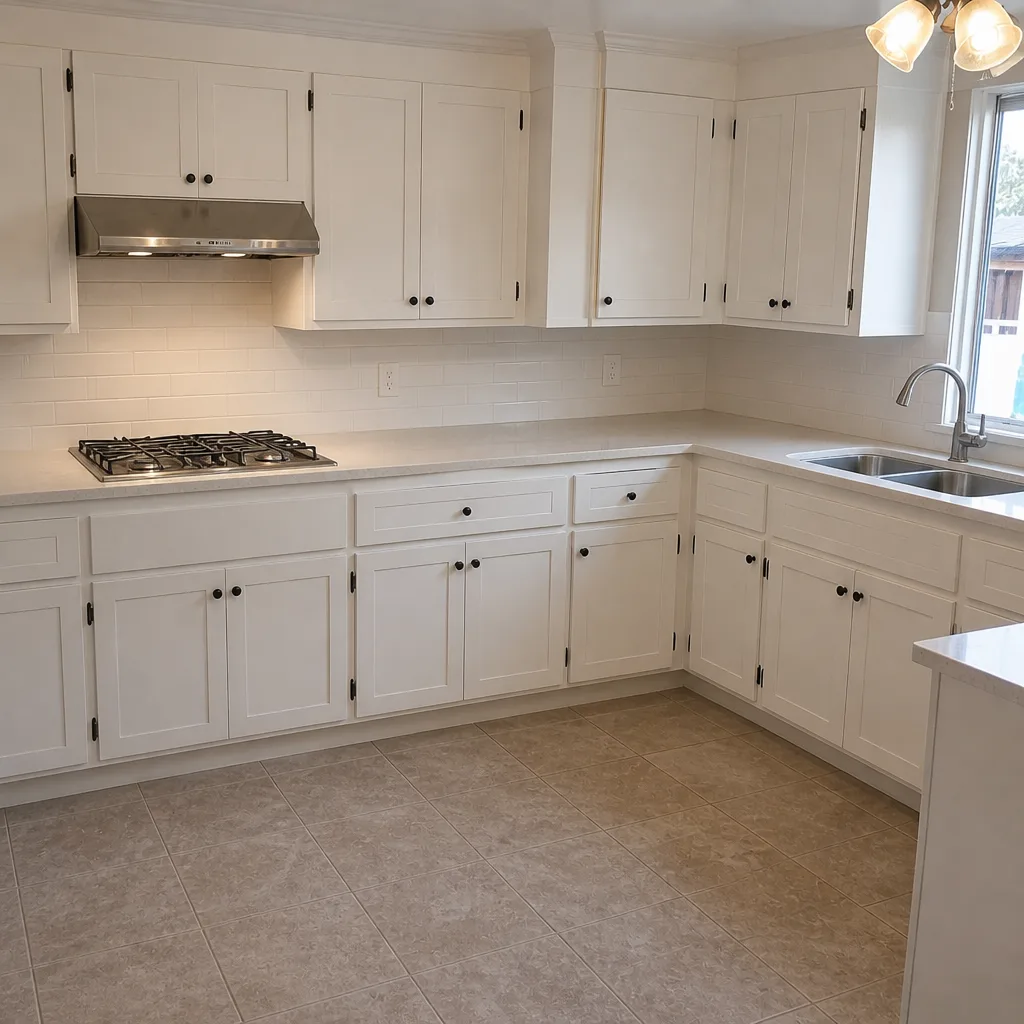 After
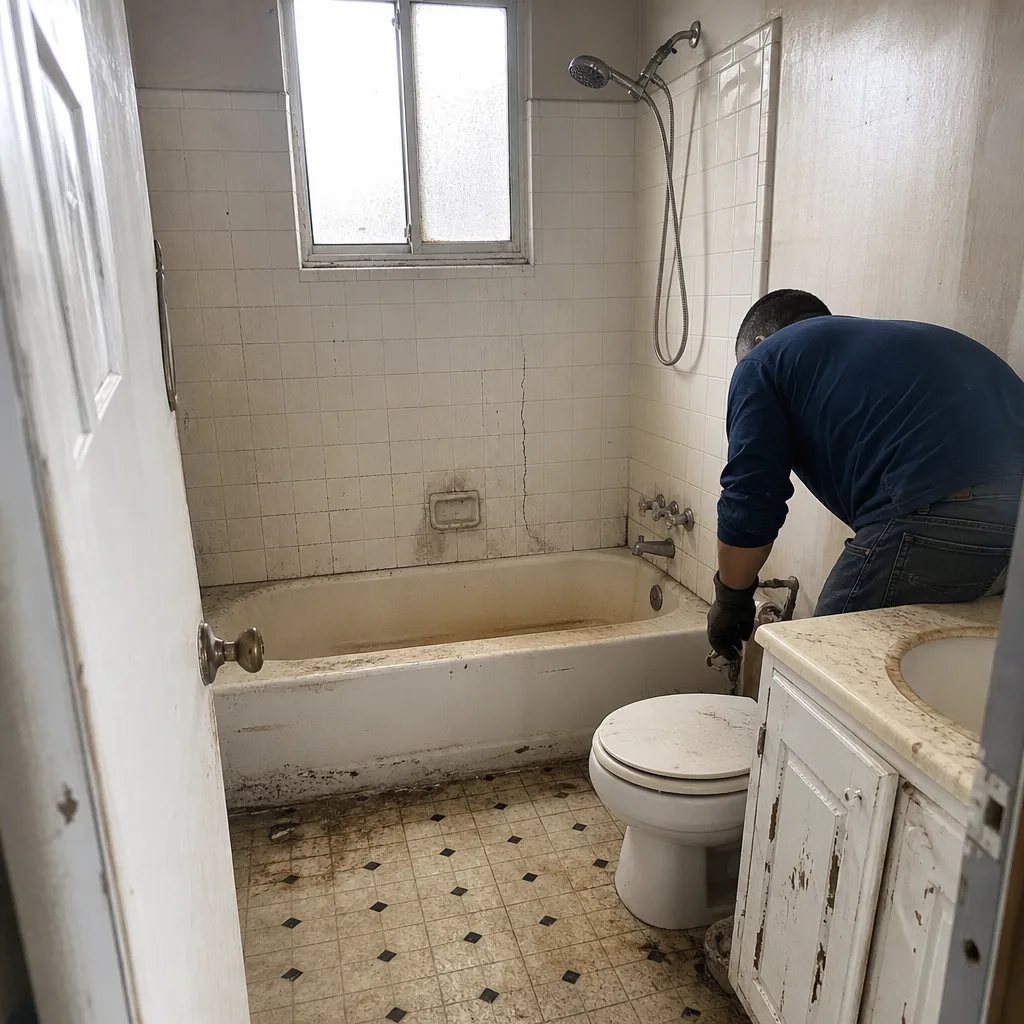 Before
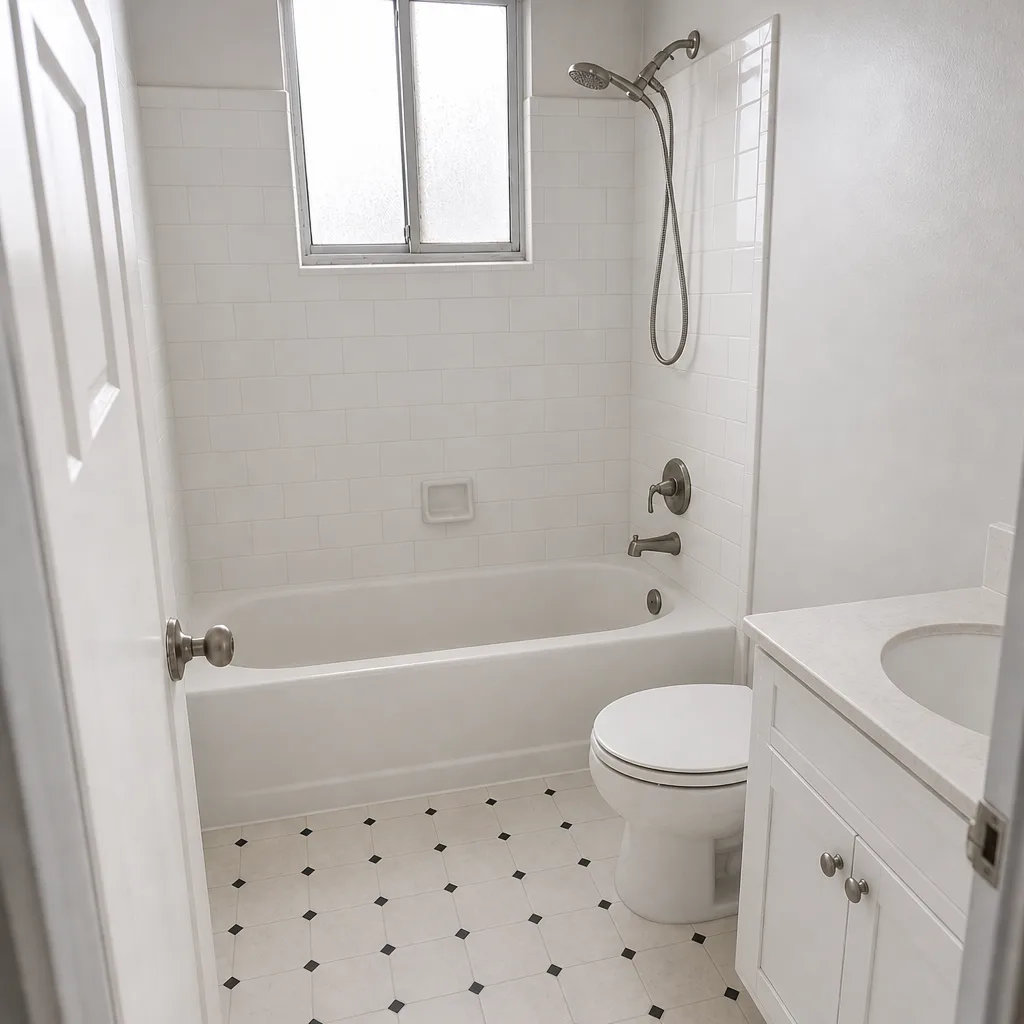 After
When to Call a Professional

The clearest sign it’s time to call someone: more than one of the warning signs in this guide has been happening for more than a season, or any of them has gotten worse in the last six months. A window that whistles once is telling you something. A window that whistles every northeaster, or a door that needs a lift to latch every single time, needs an assessment before the next rain. If you’ve found drywall cracks at window or door corners, or multiple units on the same wall showing the same symptom, that’s a call for a full-assembly inspection, not just a window quote. And if a contractor has quoted you a replacement without showing you the failing point, get a second opinion before signing anything.
Groundwork Construction Co. of Buena Park offers free estimates in Buena Park. We answer calls live, 24/7, so you’re not waiting until Monday to reach a person. Call (833) 522-5059. If windows and doors turn out to be the smallest part of a bigger project, we also handle full-scope work across the home, including Home Additions & ADU in Buena Park. Whether the answer is a hardware swap or a full upgrade, we put the scope in writing and stand behind the work for the full 730 days.
Frequently Asked Questions
A window with a visibly failed seal (fogged or cloudy double-pane glass) can usually wait one to two years before the efficiency loss becomes expensive, but the timeline shortens fast in Buena Park because coastal humidity accelerates interior condensation. If you’re seeing moisture inside the pane or on the interior sill, don’t wait a full year.
A sticking door usually can be repaired, unless the door itself is warped or delaminated. If the slab is flat and the problem is hinges, weatherstripping, or a frame that’s shifted, an adjustment and reseal brings it back. If the door is visibly bowed, that’s a replacement. A local technician can tell you in five minutes which one you’re dealing with. Call (833) 522-5059 for a free estimate.
Because the leak is small and directional. A faint whistle from the northeast during Santa Ana winds means air is entering through a specific gap on that face of the house. It’s one of the earliest signs of seal failure, and it’s the cheapest stage to fix because the rest of the assembly is still sound.
Yes, when the replacement changes the opening size or affects the exterior envelope, Buena Park requires permits and inspection. Straightforward same-size replacements may qualify for a simplified process, but the safe assumption is that a permit is required. Any contractor who tells you otherwise without checking is a red flag. Call (833) 522-5059 if you want us to confirm your specific project scope.
Salt air really does damage standard builder-grade hardware. In Buena Park, marine air travels inland on the afternoon breeze and settles on exposed metal, which is why door handles and window locks corrode within five to seven years here without marine-grade hardware. Rust dust on a frame is the clear sign corrosion is active.
Not with us. Our upfront pricing means the number you see on the estimate is the number you pay, and any change requires a written change order that you approve first. That’s the standard you should hold every window and door contractor to. Call (833) 522-5059 for a free estimate and a written scope.
The Bottom Line
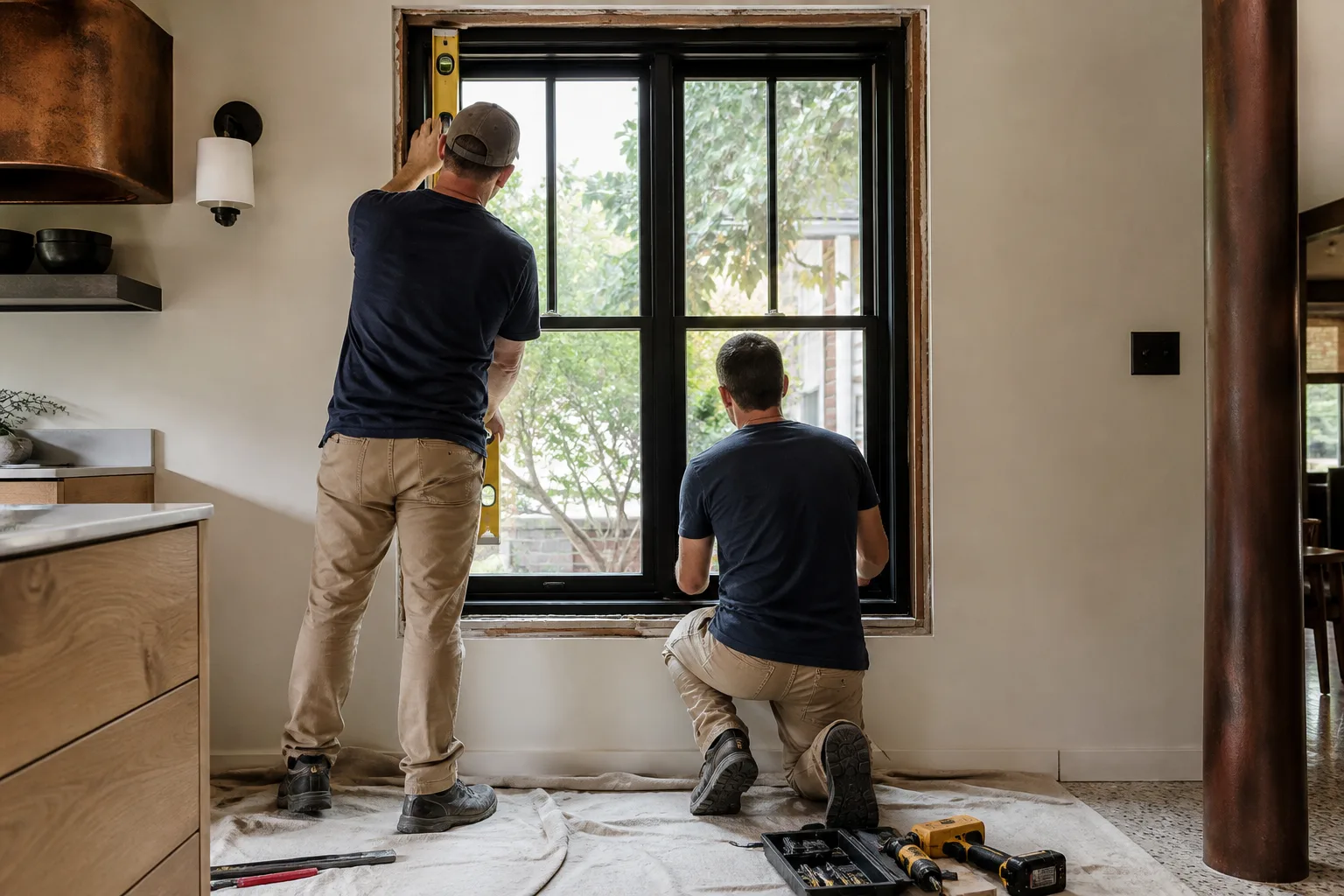
The windows and doors in your Buena Park home will tell you they’re failing two to three years before they actually do. Latch friction, one-direction whistling, discoloration at the sill, gritty hardware, and interior condensation are all early warnings that make repair cheap and replacement avoidable. Cosmetic aging isn’t failure, and good-looking windows can still leak. Distinguish the two, watch for salt-air corrosion and UV degradation on the sunny side of the house, and check for structural movement if doors and windows fail together. When it’s time for a professional assessment, get it in writing, with a real warranty and a permit number. Then you’re not guessing. You’re fixing what needs fixing and leaving the rest alone. That’s where the money is.
When you’re ready for a walk-through, Driveway & Pavers in Buena Park work on the same property pairs well with a window-and-door assessment, and we can quote both in a single visit. Call (833) 522-5059 for a free estimate. Calls are answered by a live person around the clock, our technicians are background-checked and arrive in uniform, and every job we do is covered by the 730-Day Done Right Promise. If it’s not done right, we make it right. From foundation to finish line, built to last and backed in writing.
Written by the team at Groundwork Construction Co. of Buena Park.