Last updated November 18, 2026


Free written scope consultation - allowances, timeline, and change-order rules on paper before a single trade is scheduled
Choosing the Right Construction Brand: A Buyer’s Guide for Buena Park
Any contractor can say they use “premium materials.” Only contractors who have met installation training requirements, carried the right insurance minimums, and passed brand audits can offer manufacturer-backed warranties on those materials, and the difference is verifiable in writing before you sign anything. That’s the part most Buena Park homeowners never get told. A bid sheet full of brand names means nothing on its own. A bid sheet that pairs those brand names with a written manufacturer warranty and a certification number you can check tells you almost everything about how a company actually operates. This guide shows you how to read contractor brand relationships as a quality signal, verify the claims yourself, and tell the difference between a real partnership and a logo on a truck.
Quick Answer
The construction brands a contractor works with matter because top-tier manufacturers only back their products through certified installers who’ve completed required training, met insurance minimums, and passed quality audits. A contractor who can’t produce manufacturer certification paperwork can’t offer you a manufacturer warranty, which means when a material fails, you’re left holding the bag. In short: choose the contractor whose brand relationships you can verify in writing, not just the one with the lowest bid and the biggest promises.
Styles & brands we work with
- Kitchen remodeling
- Bathroom remodeling
- Home additions & ADU
- Roofing
- Windows & doors
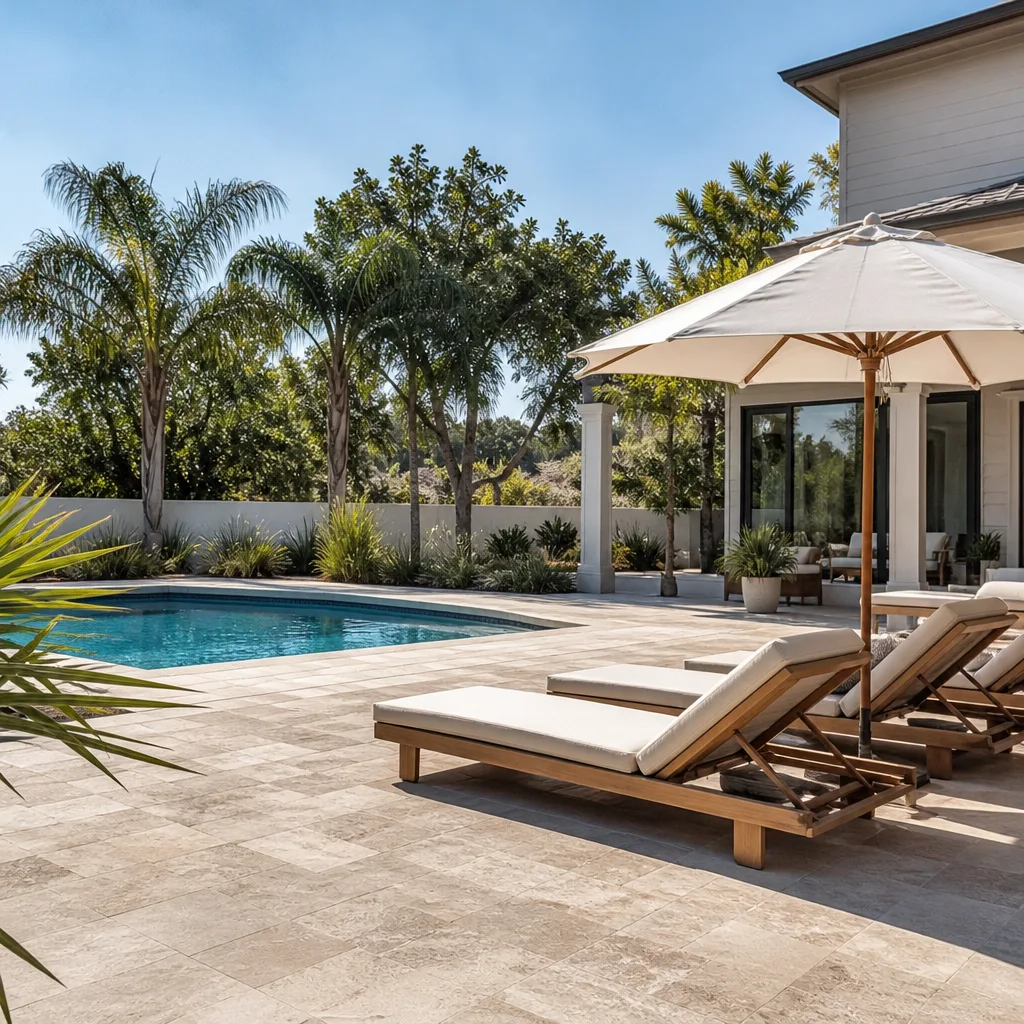
- Driveway & pavers
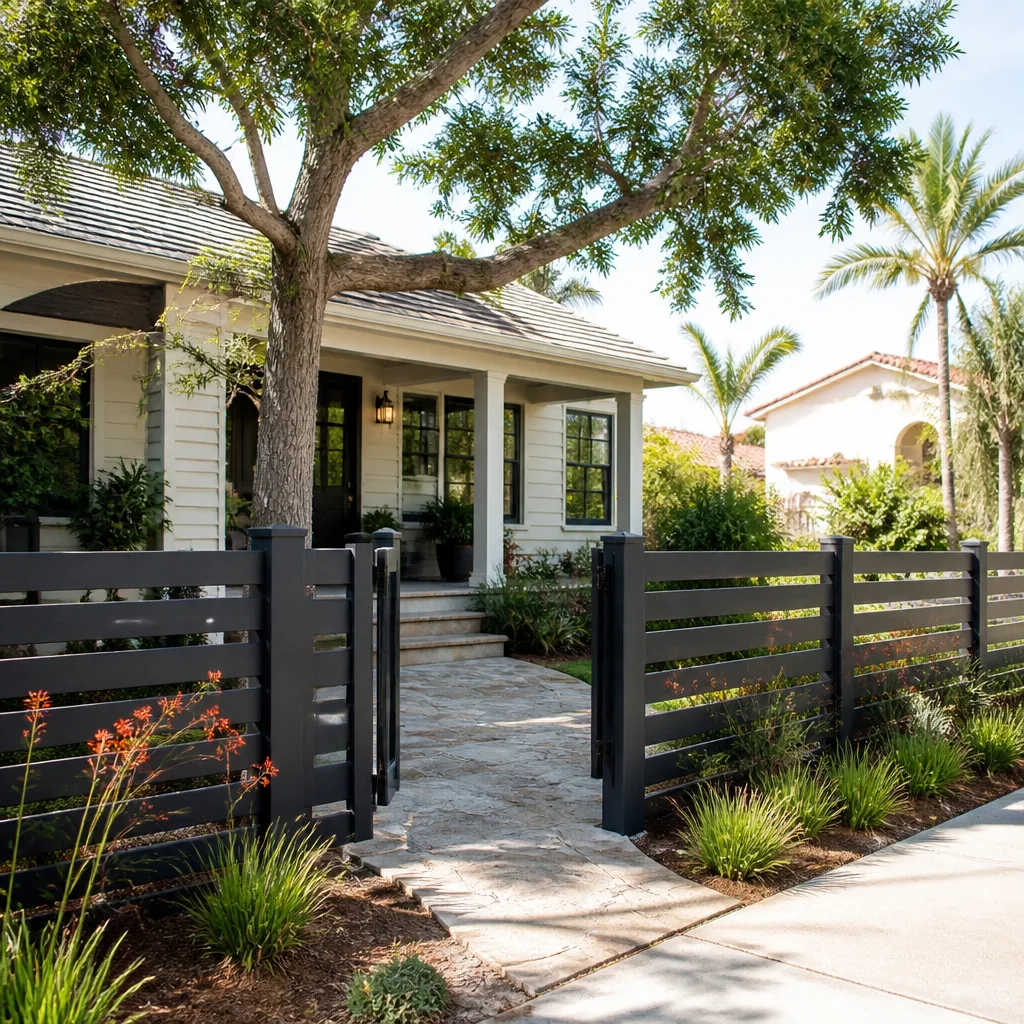
- Fence
Table of Contents
- What contractor brand partnerships actually tell you
- What manufacturer certification really requires
- How to verify a contractor’s certification before you sign
- Contractor warranty vs. manufacturer warranty: why you want both
- Which material categories diverge most in Buena Park’s climate
- How brand partnerships change accountability when materials fail
- Reading the fixtures: what brand selection reveals about a project
- Common mistakes to avoid
What contractor brand partnerships actually tell you
A brand partnership in construction isn’t a marketing handshake. At the manufacturer level, it’s a legal and financial relationship. When a company like GAF names a contractor a certified installer, that contractor has agreed to specific installation methods, carries a required level of liability and workers’ compensation insurance, has documented training on file, and submits to periodic reviews. The manufacturer is putting its warranty money behind that contractor’s work. They don’t do that casually.
What this means for you as a Buena Park homeowner is simple: the brands a contractor carries are a proxy for the standards they’ve been willing to meet. A company that installs KraftMaid cabinetry or CertainTeed roofing systems has usually decided to pursue the certification programs those manufacturers maintain. A company that installs “brand or equal” materials and won’t name the brand has usually decided the opposite.
Ask yourself three questions when you look at any contractor’s material list:
- Is the brand named specifically, or buried behind “premium” or “contractor-grade”?
- Is the brand paired with a certification claim, and is that claim checkable?
- Does the contractor have brand relationships across multiple trades, or just one? Single-brand depth can be narrow. Portfolio breadth suggests a company that treats certifications as a system, not an exception.
We’ve built our own material list around this principle. Our Groundwork Construction Co. of Buena Park home lays out the curated brand partners we work with by trade, from KraftMaid in kitchens to GAF and Owens Corning on roofs to Andersen and Marvin for windows. Those relationships exist because each manufacturer requires something of us in return, and we’re willing to meet it. That’s the standard you should hold any Buena Park contractor to.
What manufacturer certification really requires
Certification means the manufacturer has decided a contractor is qualified to keep their product warranty valid. The specifics vary by brand and category, but the core requirements are consistent across most major programs. A properly certified contractor typically brings:
- Documented installation training. Manufacturer coursework completed by the crew that will actually install the product, with completion tracked and renewed on schedules the manufacturer sets. Roofing and exterior finish manufacturers usually require this at the crew level, not just the office.
- Insurance minimums. General liability and workers’ compensation coverage at or above a threshold the manufacturer determines. This protects the manufacturer’s warranty exposure as much as it protects you.
- Installation method compliance. Adherence to the manufacturer’s published installation instructions, including products, fastening systems, sequencing, and substrate conditions. Deviating from the method voids the warranty even on a perfect-looking job.
- Audits and reviews. Many programs include periodic job-site reviews. Failing them can suspend or revoke certification, so continued certification is itself a signal that a contractor is still passing.
When a contractor can’t produce proof of certification, that’s not automatically a red flag. Not every brand requires certification, and not every excellent contractor pursues every program. But when a contractor claims to be certified and can’t produce the paperwork, that’s a serious problem. It means they may be installing the product incorrectly, and if they are, the manufacturer warranty is void. You’d be the one paying for it.
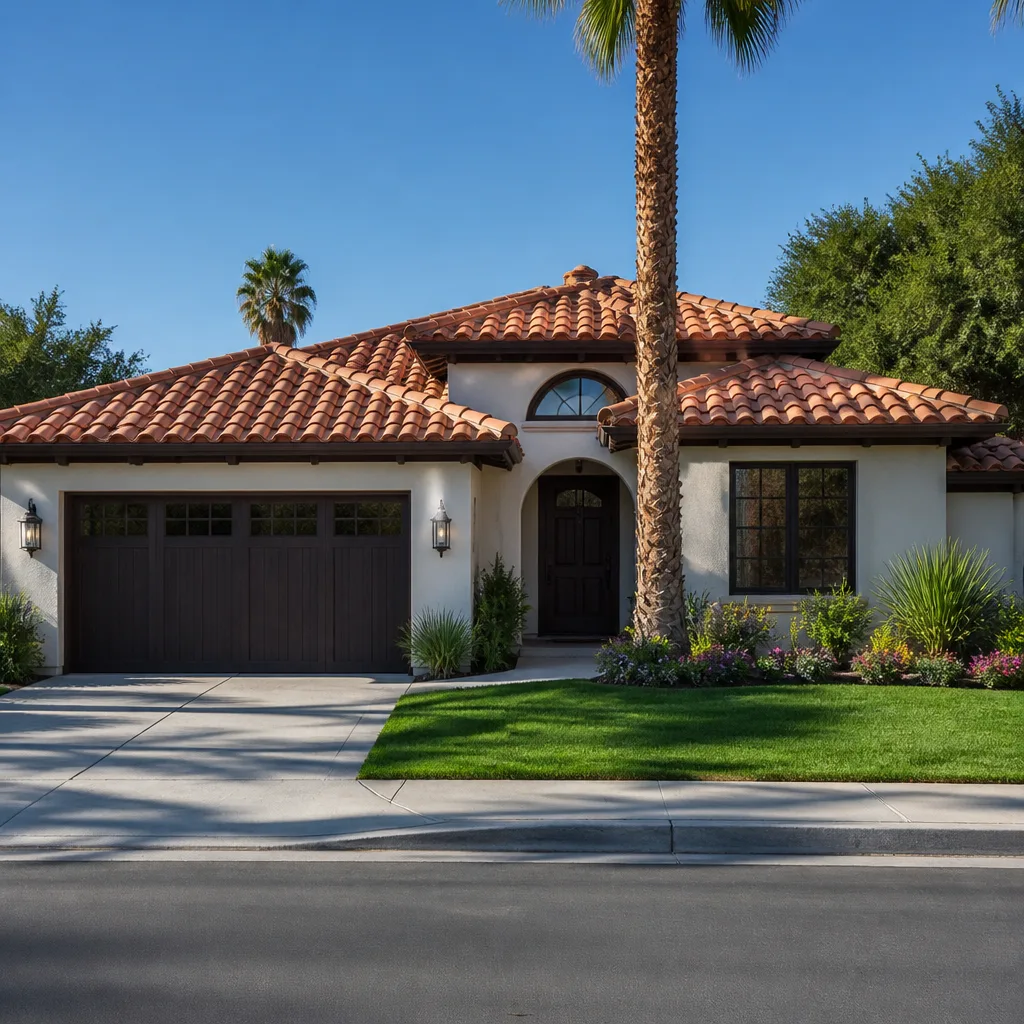
In Buena Park, this matters most on roofing and exterior products, where the material is exposed to sun, wind, and coastal moisture year-round and where installation errors compound over time. A CertainTeed or GAF roof installed outside the manufacturer’s method doesn’t perform like a certified installation, even if it looks identical from the street.
How to verify a contractor’s certification before you sign
Verification is a short process, and a good contractor won’t flinch when you ask. Follow these steps on any project where a manufacturer warranty matters to you:
- Ask for the certification in writing before the estimate is finalized. A reputable contractor keeps copies of certification letters on hand. A verbal “we’re certified” is not verification.
- Write down the contractor’s exact legal business name. Certifications are tied to a legal entity, not a phone number or a marketing name. Get the exact name they operate under, plus their license number if your state requires one.
- Contact the manufacturer directly through their contractor locator. Every major manufacturer with a certification program (GAF, CertainTeed, James Hardie, Belgard, and others) publishes a contractor lookup on its website. Search by the legal name or license number and confirm the contractor appears for the specific product line and program you’re buying.
- Ask for the manufacturer’s program requirements in writing. The certification letter usually states the specific program tier. Don’t accept a general “we work with that brand” answer if a warranty is part of your decision.
- Confirm the warranty is registered at installation. Many manufacturer warranties require the contractor to register the installation at the time of completion. Ask who registers it and get the confirmation document after the job is done.
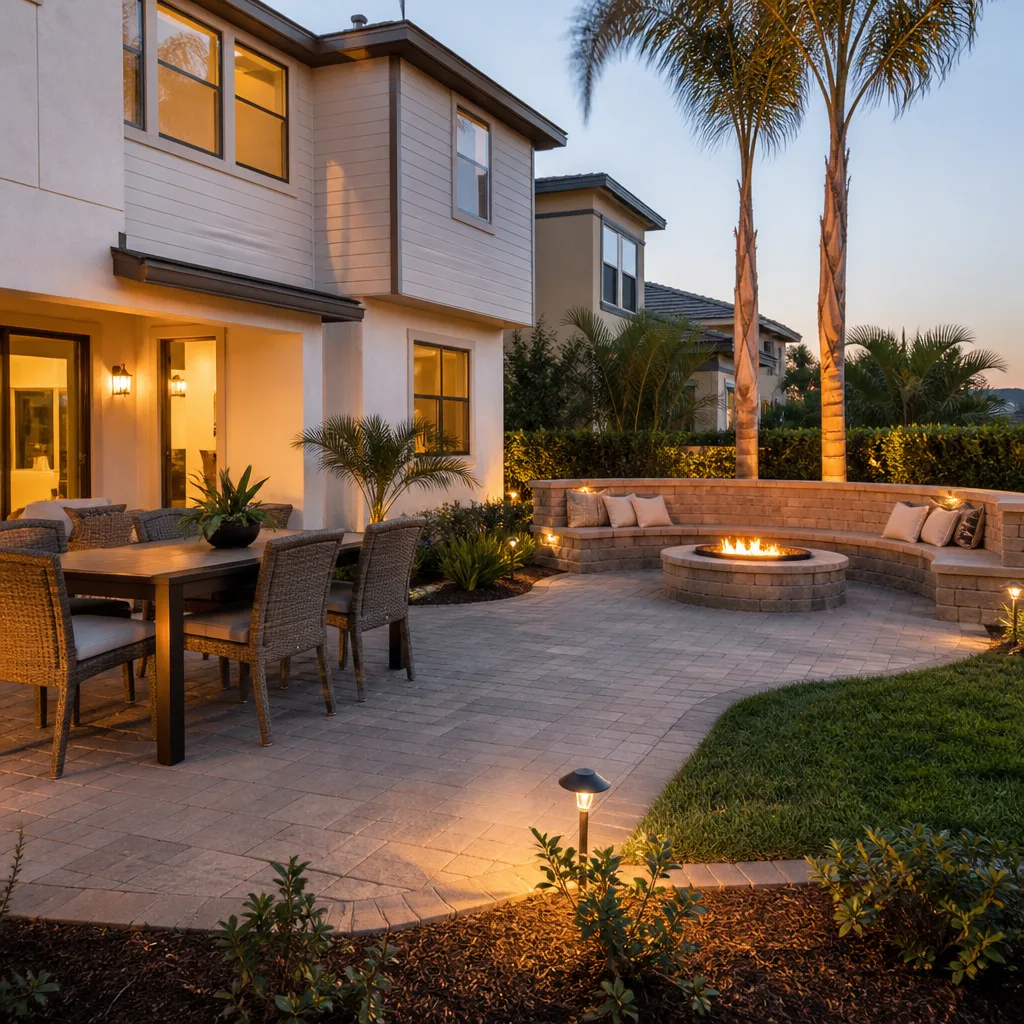
For pavers and hardscape systems, this process is worth running carefully. Belgard and other paver manufacturers certify contractors because installation method dictates how the product performs under load and drainage. In Buena Park, a driveway that fails at year four because the base wasn’t compacted to spec is an installation failure, not a material failure. Certification programs exist precisely to prevent that. Our own Driveway & Pavers in Buena Park work follows the manufacturers’ methods to the letter, because the warranty depends on it.
For exterior finishes and roofing, certification verification looks the same. James Hardie, GAF, and CertainTeed each publish searchable contractor locators. Take ten minutes to run the search. It’s the single cheapest piece of due diligence on a Buena Park construction project.
Contractor warranty vs. manufacturer warranty: why you want both
Most homeowners assume a warranty is a warranty. It isn’t. There are two separate warranties on every project that involves manufactured materials, and they cover different things:
- The manufacturer warranty covers the material itself. It usually requires certified installation as a condition. If a CertainTeed shingle delaminates according to the manufacturer’s terms, the manufacturer replaces the material. If the shingle failed because it was installed wrong, the manufacturer warranty is void.
- The contractor warranty covers the workmanship. It should cover installation errors, and ideally, the labor to correct material failures the manufacturer replaces. This is the side most contractors get fuzzy about.
The best Buena Park contractors offer both, in writing. A property protection policy matters here too: the manufacturer replaces the product, and the contractor supplies the labor under their own workmanship guarantee. You want clear documentation of both pieces before work starts.
Our workmanship commitment is the 730-Day Done Right Promise. If something we installed isn’t right, we make it right, and you can read the terms before you sign. That’s a two-year commitment, not a 30-day window. When it’s paired with manufacturer warranties on the material side, you’ve closed the gap on the most common failure points: material defect and installation error.
Before signing anything, get the warranty documents. Not a summary, the actual documents. Two specific things to check:
- What voids each warranty? Manufacturer warranties often require specific products, methods, or registration steps. Contractor warranties may require specific maintenance or have exclusions.
- Who pays for the labor if the material fails? The manufacturer warranty may replace the product but not the labor to remove and reinstall it. Confirm in writing who covers that.
The difference between a strong contractor warranty and a weak one is rarely the length. It’s the exclusions. Read them.
Which material categories diverge most in Buena Park’s climate
Buena Park sits in a mild, Mediterranean climate with strong summer UV, coastal moisture influence, and warm inland swings on the eastern edge of town. That combination stresses some material categories far more than others. Where spending more changes the outcome most:
Roofing is the highest-variance category. A budget asphalt shingle installed outside a manufacturer’s method performs noticeably worse in Buena Park’s UV exposure than a premium shingle installed correctly. GAF and CertainTeed both maintain multiple product tiers, and the difference between tiers is measured in lifespan and heat performance, not just looks. The installation method matters as much as the product.
Exterior finishes come second. James Hardie siding and trim are engineered for these conditions, and the certified installation method matters because the material expands and contracts. A premium fiber cement installed wrong will fail sooner than a mid-grade product installed right, but the ideal outcome is premium product plus certified install. That’s the combination to buy.
Hardscape and pavers show significant variance based on base preparation. Belgard systems installed with proper compaction and drainage perform for decades. Cheap pavers on a poor base fail early. The difference here is mostly method, not brand, but certified contractors are held to the base prep standards as part of the certification.
Decorative and fence materials show moderate variance. Where Buena Park homeowners often overspend is on fence materials where the climate is forgiving. Our Fence Installation in Buena Park guidance covers the materials that hold up here without paying for overbuilt product you don’t need.
Indoor fixtures like Kohler and Moen show less climate-driven variance but real quality differences in internal components. Faucets, valves, and cartridges are where the money goes, and a mid-tier Kohler fixture typically outperforms a budget private-label fixture on lifespan and warranty support.
Where spending more does not change the outcome as much: interior paint, drywall compound, and standard framing lumber. Premium paint matters more for finish quality than lifespan, and drywall and dimensional lumber perform similarly across price tiers as long as the specs meet code. Don’t overspend on these categories to fund the ones that matter.
How brand partnerships change accountability when materials fail
This is the part most homeowners don’t think about until something goes wrong. Materials do fail. Roofs develop early problems. Pavers settle. Cabinets delaminate. The question isn’t whether failure will ever happen; it’s what happens when it does.
A certified contractor has an escalation path. When a material fails on a job that was installed according to the manufacturer’s method, the contractor can file a warranty claim with the manufacturer and pursue material replacement. The manufacturer responds because their own program requires them to. The contractor’s certification is on the line if the process is handled poorly. There’s accountability on both sides.
An uncertified contractor does not have this path. If the material fails, the manufacturer will likely decline the claim because the installation wasn’t under their certified program. The contractor may or may not stand behind their work. You may end up paying for a repair that should have been covered.
This is where the two-warranty combination pays off. A contractor warranty like our 730-Day Done Right Promise closes the gap when the manufacturer’s warranty has an issue. The manufacturer covers the material, the contractor covers the workmanship and labor, and the buyer isn’t stuck in the middle trying to figure out who’s responsible. That two-layer system is what you’re actually buying when you hire a contractor with real brand partnerships.
It also affects timeline. When a certified contractor files a material warranty claim, the manufacturer’s response is typically faster and more cooperative than when an uncertified contractor tries to file one. The relationship that exists for the original install continues to matter after.
Reading the fixtures: what brand selection reveals about a project
In bathrooms and kitchens, the fixture brands carry a lot of signal. A contractor who defaults to Kohler, Moen, Delta, and Blanco isn’t just showing taste. They’re showing that they’ve decided to work with brands known for parts availability, customer service, and long-running warranty support. Those three things matter more than the finish on the faucet.
The practical test is this: when a cartridge fails at year three, who handles the replacement? Kohler and Moen both have responsive service, and their parts are widely available at retail. A budget private-label fixture might have excellent-looking chrome, but when the internal valve fails, replacement parts may be difficult or impossible to source, and you’re replacing the whole fixture instead of a $12 cartridge.
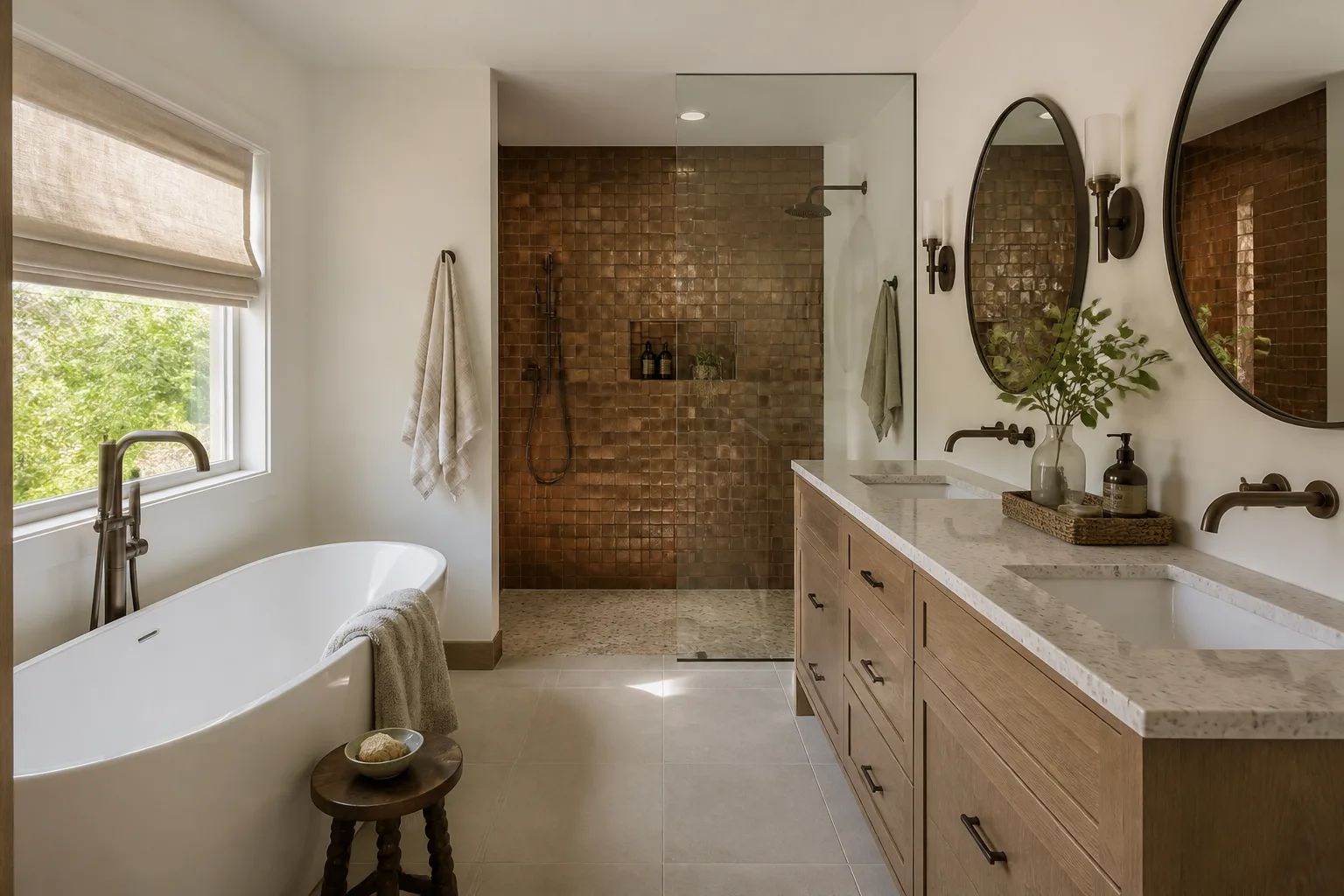
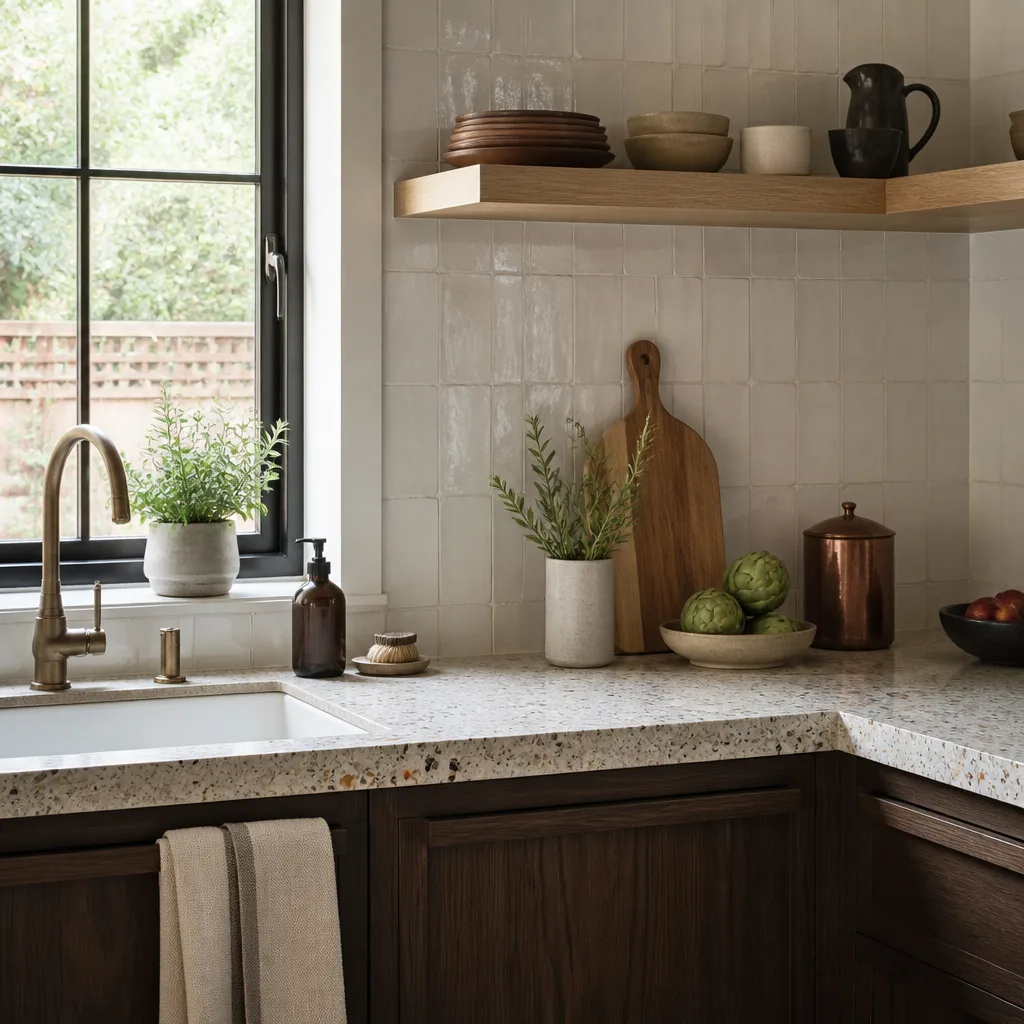
In Buena Park kitchens and bathrooms, this pairing with cabinetry matters too. KraftMaid cabinetry and premium fixtures in the same bathroom signal a contractor who’s thinking about whole-room durability, not just product lines that photograph well. Our bathroom and kitchen remodels consistently pull from this same set of partners because they age well under real household use.
When you’re evaluating bids, ask specifically:
- Which fixture brands do you install, and are the models in my bid named specifically?
- When internal components fail, does the manufacturer supply replacement parts under warranty?
- Who handles the labor to swap a failed fixture under warranty?
Any contractor who budgets a bathroom or kitchen in Buena Park should be able to answer these without a delay.
Common Mistakes to Avoid
- Accepting “premium materials” without brand names. Ask for specific product names and model numbers in the written bid. A vague materials list is usually a sign the contractor will substitute whatever’s available when the job starts, which means your warranty situation just became unclear.
- Not asking for certification documentation before signing. A verbal “we work with that brand” is not the same as being certified to install it. Request the certification letter or the contractor’s listing in the manufacturer’s locator before you commit.
- Assuming the manufacturer warranty covers labor. Manufacturer material warranties typically cover replacement of the material, not the labor to remove and reinstall. Ask which warranty covers labor, and get it in writing.
- Skipping the manufacturer’s contractor locator. Buena Park has contractors who list brand names in marketing but don’t appear in the manufacturer’s cert program when you search. Take the two minutes to look them up.
- Letting certification claims go unchecked on pavers and exterior finishes. These are the categories in Buena Park where installation method determines performance most. Certification is directly tied to install quality, so the check is worth doing carefully.
- Not reading the exclusions on the contractor warranty. A 30-year warranty with exclusions for “normal wear” and “substrate conditions” can be worth less than a two-year warranty with clear terms. Read what voids it.
- Paying for premium brands on low-variance categories. Don’t overspend on paint and drywall compound to fund a cheap roof. Put the money where the climate stresses the material most: roof, exterior, and hardscape.
When to Call a Professional
Call a professional for any project where the material carries a manufacturer warranty, where installation method affects long-term performance, or where the underlying structural work involves code compliance and permitting. In Buena Park, that covers roof replacements, exterior finish work, paver driveways, kitchen and bathroom remodels where fixture brands matter, and any addition or ADU where the manufacturer warranty on structural components is part of the value. Roofing and exterior work is height and weather exposure work; don’t climb up to diagnose it yourself.
Groundwork Construction Co. of Buena Park offers free estimates in Buena Park. Call (833) 522-5059. Our Home Additions & ADU in Buena Park project consultations start with a full brand and material review so you know exactly which partners are involved and what the warranties cover.
See the difference
 Before
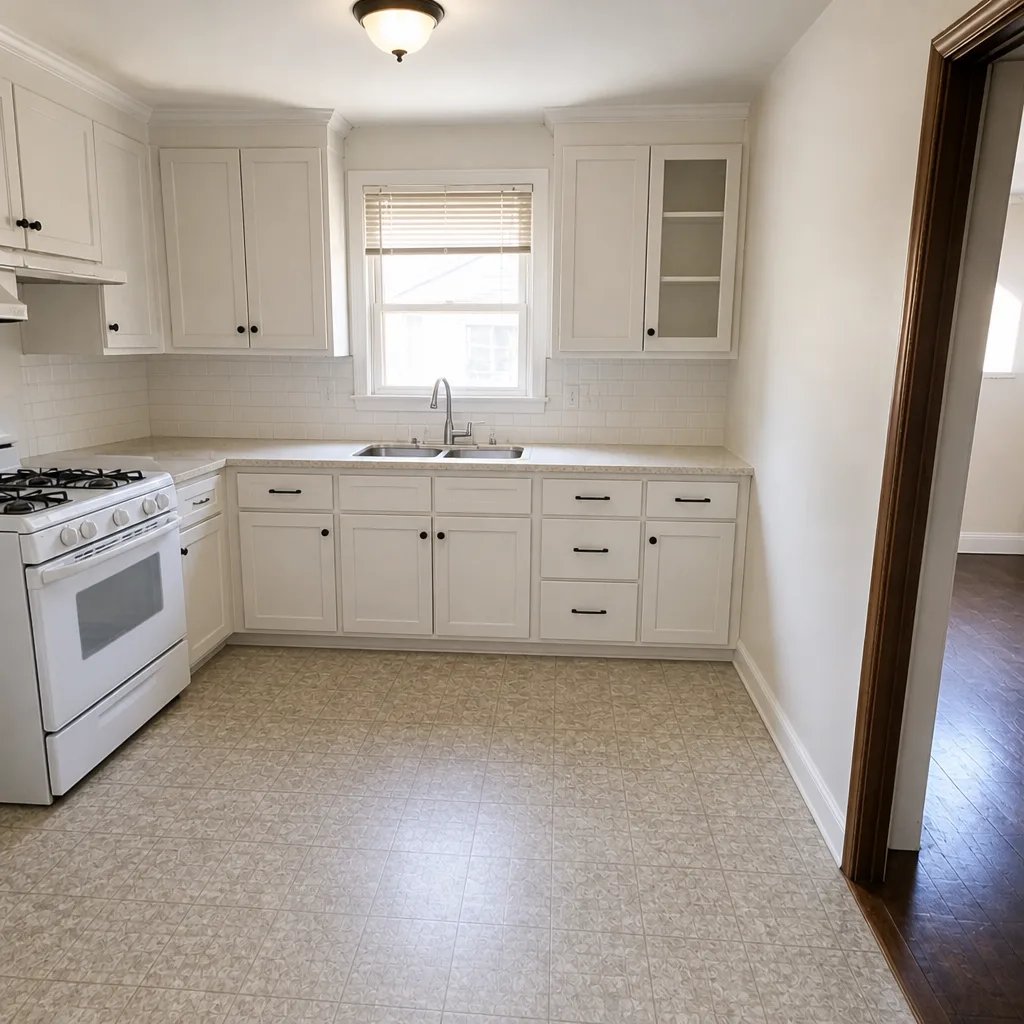 After
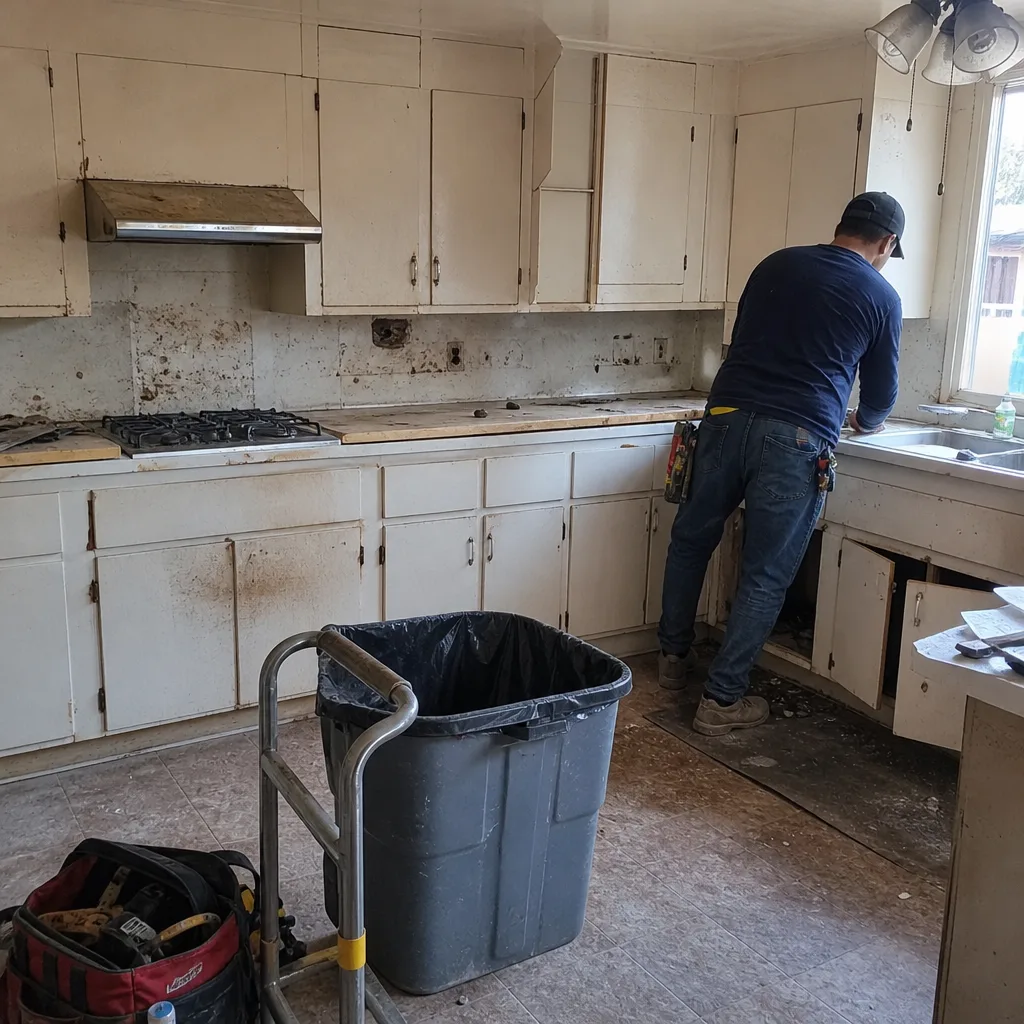 Before
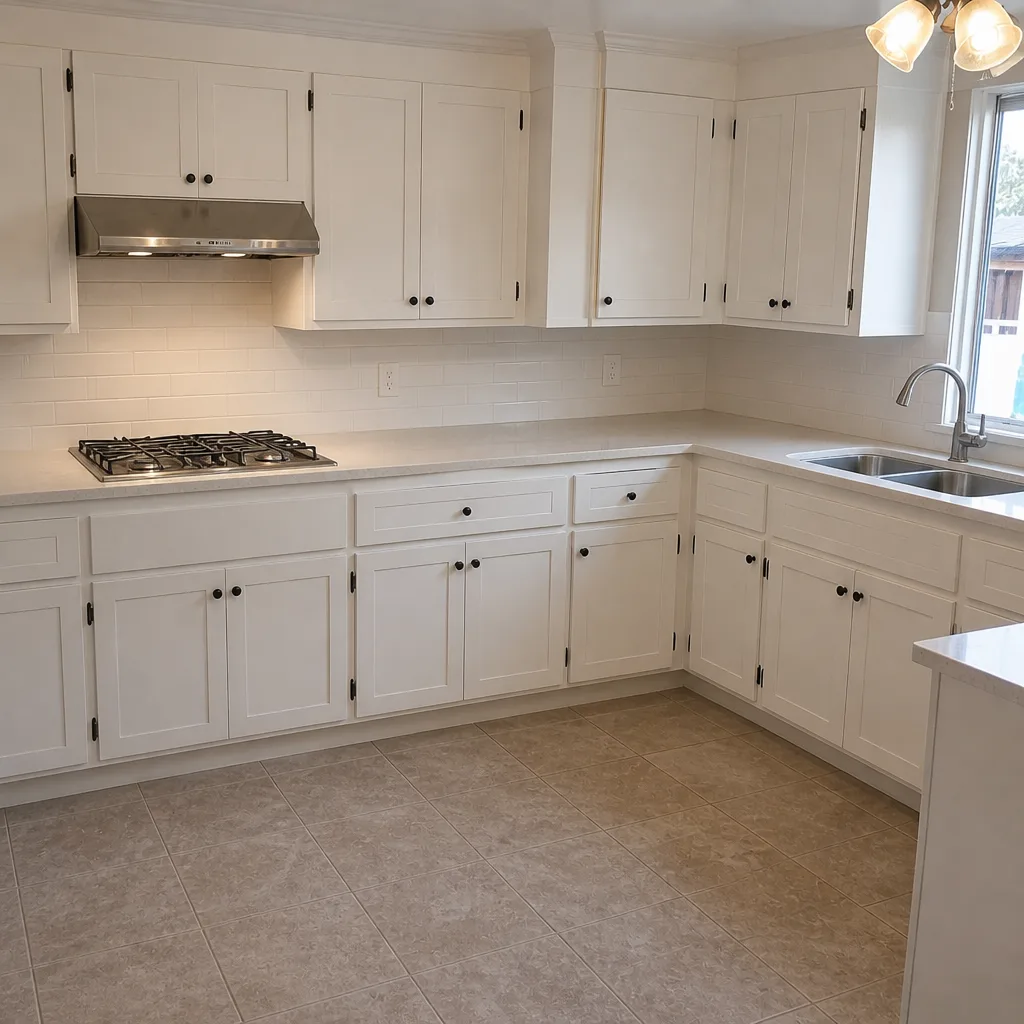 After
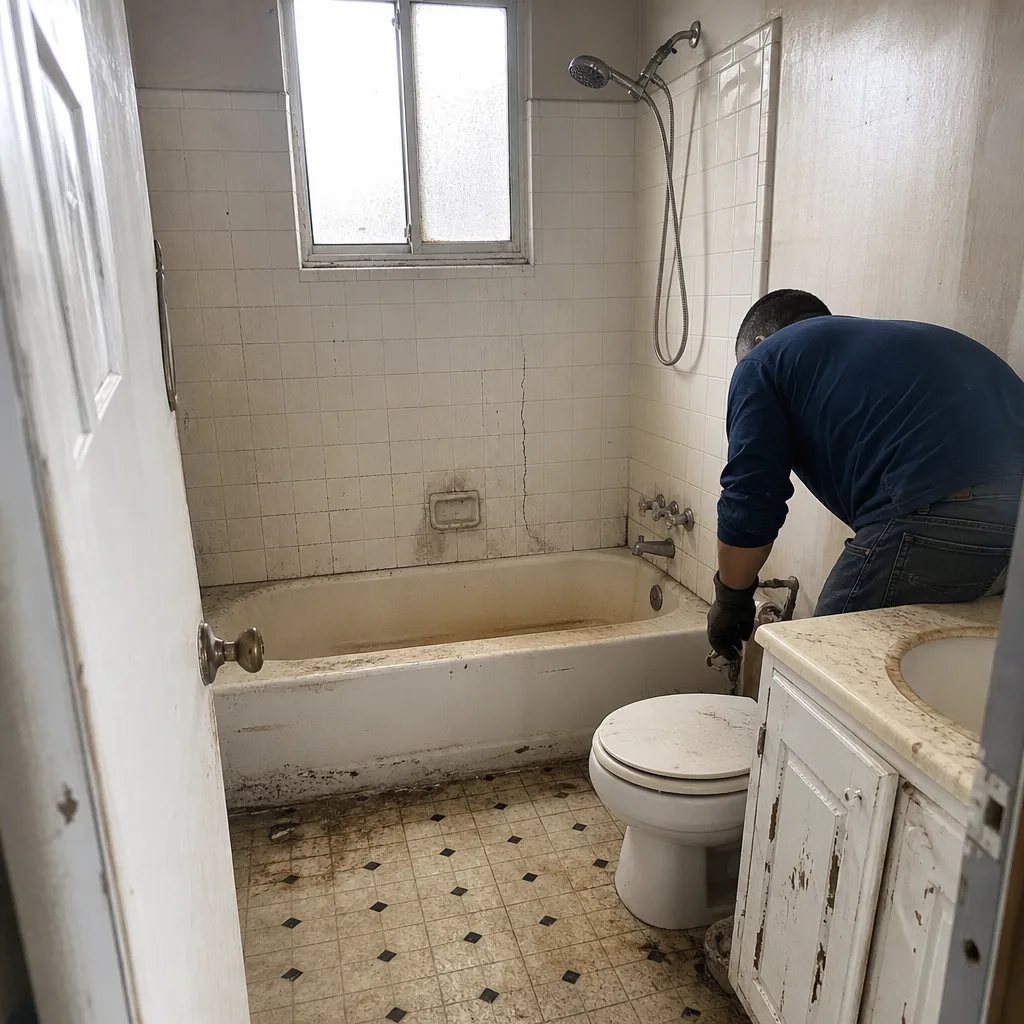 Before
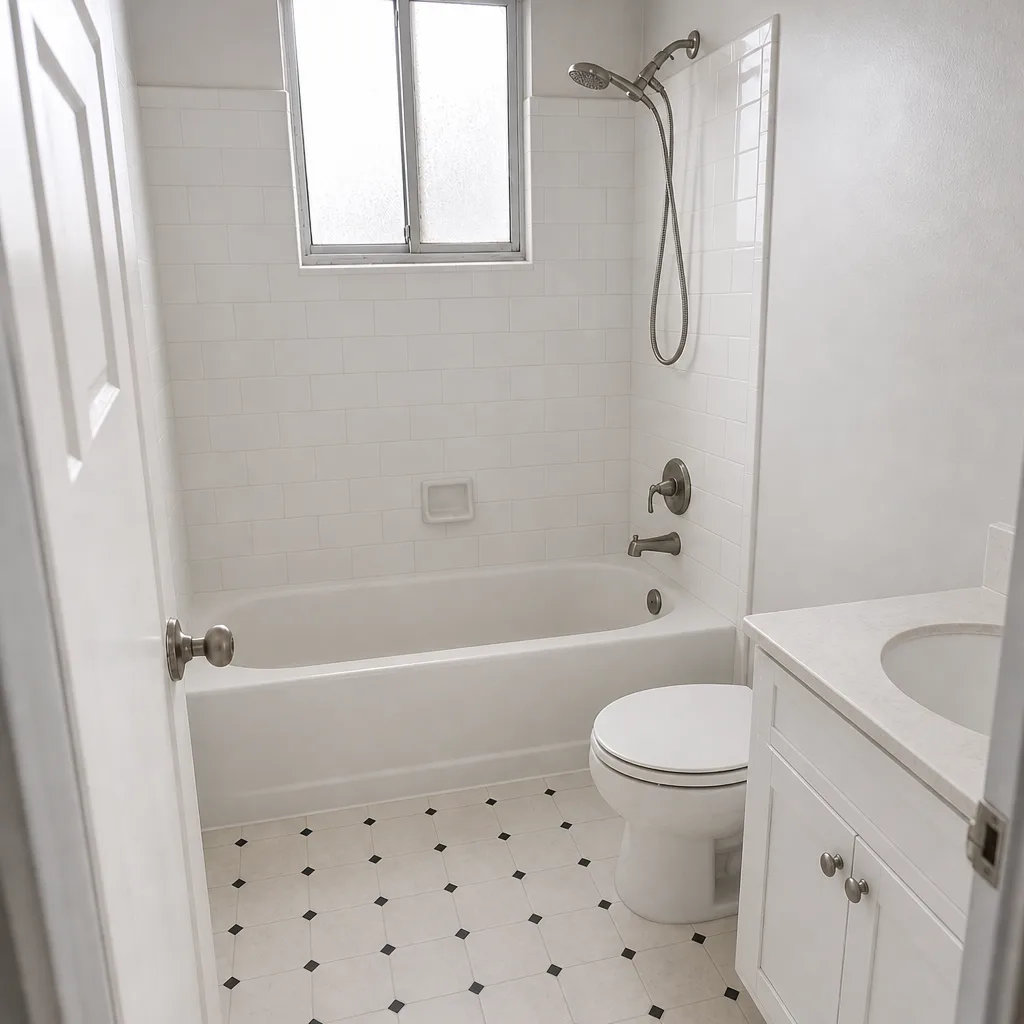 After
Frequently Asked Questions
Ask for the certification letter in writing, then look up the contractor’s legal business name on the manufacturer’s online contractor locator. Every major program (GAF, CertainTeed, James Hardie, Belgard) publishes a searchable directory. If the contractor doesn’t appear for the specific product line, they aren’t certified for it, regardless of what a bid sheet says. Call (833) 522-5059 for a free estimate and we’ll show you our certification documentation before you commit.
A manufacturer warranty covers the material itself and usually requires certified installation. A contractor warranty covers the workmanship and often the labor to correct issues. You want both in writing because they cover different failure modes. Our 730-Day Done Right Promise covers workmanship for two years, which is one of the longest windows in residential construction. Call us for details.
Yes, because brands with performance warranties only back certified installers, which means a contractor’s brand relationships signal their training, insurance, and quality standards. In Buena Park’s climate, the difference shows up most in roofing, exterior finishes, and hardscape, where installation method and material quality both affect lifespan. Call (833) 522-5059 to review brand options in your estimate.
Roofing, exterior finishes, and hardscape pavers benefit most because Buena Park’s UV exposure, coastal moisture, and warm inland swings stress these materials year-round. Premium brands with certified installs hold up significantly longer here than budget products installed loosely. Interior paint and drywall compound show less variance, so don’t overspend there. Call for an estimate that refocuses budget on the categories that matter.
The certified contractor files a warranty claim with the manufacturer under the program’s terms, and the manufacturer typically responds cooperatively because the contractor’s certification is on the line. The contractor warranty covers the labor. This two-warranty system is why you want certification documentation before work starts. Call (833) 522-5059 for an estimate structured this way.
Not necessarily. Certification adds administrative cost, but the manufacturers’ programs also help contractors avoid expensive callbacks and failures, which keeps their operations efficient. Many certified contractors price competitively and offer financing (our 0% for 18 months is a standard offer) plus $1,000 off projects over $10,000. Call us for a no-hassle upfront quote with no hidden change orders.
The Bottom Line
The brands a Buena Park contractor works with are a verifiable quality signal that goes deeper than any review. Certification programs require training, insurance, and method compliance, and they open a warranty escalation path for material failures that uncertified contractors don’t have. Choose a contractor whose brand relationships you can confirm in writing, ask for both the manufacturer warranty and the workmanship warranty documents, and spend your premium dollars on the categories where Buena Park’s climate stresses materials most: roofing, exterior finishes, and hardscape. For the seven core trades we cover, from foundation to finish line, the same standard applies. Built to last, backed in writing.
Ready for a free estimate?
If you’re planning a kitchen, bathroom, roof, windows, fence, driveway, or addition project in Buena Park, call (833) 522-5059 for a free estimate. We answer the phone 24 hours a day, seven days a week with a live person, our technicians are background-checked and arrive in uniform, and every project comes with the 730-Day Done Right Promise. Bring your questions about specific brands and we’ll walk you through the certification requirements, the warranty terms, and the material trade-offs specific to Buena Park’s climate before you commit a dollar.
Written by the team at Groundwork Construction Co. of Buena Park.