Last updated November 18, 2026
Free written scope consultation - allowances, timeline, and change-order rules on paper before a single trade is scheduled
DIY vs Professional Home Additions & ADU: What’s Safe to Do Yourself
In California, a homeowner can pull an owner-builder permit and build an ADU with their own hands. That part is legal. Here’s the part nobody mentions at the permit counter: sell that home within five years, and you’re legally required to disclose the owner-builder permit to the buyer. Many lenders see that disclosure and walk away from the loan. The DIY-vs-pro decision on an addition or ADU isn’t really a cost question, it’s a liability question, and most homeowners don’t learn that until they’re already in escrow. This guide covers where California law draws the line, which tasks genuinely save you money to do yourself, and how a Buena Park homeowner should think about mixing DIY work with licensed work on a permitted project.
Quick Answer
In California, you can legally paint, landscape, install cabinets, and lay finish trim yourself on a permitted addition or ADU. You should not do structural framing, electrical, plumbing, gas, or roofline work yourself on a permitted project. Those trades require licensed professionals, pull their own sub-permits, and carry the inspections that make your final sign-off possible. The middle ground where DIY stays safe is finishes and site work. The moment your project involves the bones of the building, the risk moves from “this might look off” to “this might void my permit or kill my home sale.”
Styles & brands we work with
- Kitchen remodeling
- Bathroom remodeling
- Home additions & ADU
- Roofing
- Windows & doors
- Driveway & pavers
- Fence
Table of Contents
- What California’s Owner-Builder Disclosure Law Actually Means for Resale
- The Legal Line: What You Can and Can’t Do Yourself in Buena Park
- DIY Tasks That Genuinely Save Money Without Legal or Structural Risk
- Structural, Electrical, Plumbing, and Roofline Work You Should Never DIY on a Permitted Addition
- How Mixing DIY and Professional Work Mid-Project Complicates Inspections
- The Real Cost Comparison: Licensed Labor vs. the Risk-Adjusted Cost of DIY
- Buena Park Context: Climate, Code, and Why Additions Here Have Specific Pressures
- Common Mistakes to Avoid
- When to Call a Professional
What California’s Owner-Builder Disclosure Law Actually Means for Resale
California Business and Professions Code Section 7044 governs owner-builder permits. It lets you act as your own contractor on your own residence, provided you don’t sell the property within one year of the work’s completion and you don’t take on more than four units in a year. That’s the permit rule. Then there’s the disclosure rule buried deeper: for certain owner-builder construction, the seller must disclose to a buyer that the work was performed without a licensed contractor, and give them the option to have a licensed contractor inspect the work before close of sale.
Here’s why this matters for an ADU specifically. An ADU is a significant value-add on paper – typically the single biggest line item a homeowner can add to a Buena Park property. But when that ADU shows on title as owner-built, several things happen at once. Conservative lenders may ask for an inspection or an engineer’s letter. Some loan products – certain renovation and construction loan programs, and a meaningful subset of conventional lenders – balk at unpermitted or owner-built structures without extensive documentation. Appraisers adjust downward because they can’t confidently value finished work that wasn’t done under a licensed contract with inspections on record. And buyers discount for the perceived risk, even when the work is actually solid.
We’ve watched Buena Park homeowners build beautiful backyard ADUs over 18 months on weekends, then list the home and field offers $40,000 to $80,000 below comparable properties with licensed builds. The cost gap reverses in the other direction. The math only looks like it favors DIY until you factor in resale.
The Legal Line: What You Can and Can’t Do Yourself in Buena Park
Buena Park issues permits through its Community Development Department, and like most California cities, it enforces the 2022 California Building Standards Code (Title 24) as adopted locally. The city doesn’t care who holds the paintbrush, but it cares intensely about who holds the license for regulated trades. That distinction is the whole game.
What you can legally do yourself on your own primary residence
- Painting (interior and exterior) on a properly permitted structure
- Landscaping, hardscape under a certain height, drip irrigation, and grading less than what triggers a separate permit
- Cabinet installation, including hanging and setting units – as long as no plumbing or electrical relocation is involved
- Finish carpentry, baseboards, door casing, and trim
- Tile work in areas that don’t involve waterproofing membranes under a permit
- Flooring installation, including hardwood and LVP
- Final touches like hardware, fixtures, and appliance connections done after rough-in inspections pass
What requires a licensed professional on a permitted project
- Structural work of any kind – foundation, framing, shear walls, headers, beams, hold-downs
- Electrical, including panel upgrades, new circuits, and any wiring that gets inspected
- Plumbing, including the water heater, drain lines, venting, and new gas runs
- Roofline changes, including framing and roof tie-in on an addition
- HVAC installation and ductwork
- Anything involving gas lines or gas appliances
- Fire-rated assemblies, egress windows in bedrooms, and life-safety components
When Buena Park homeowners ask us where the true line sits, the honest answer is this: if a task requires a permit or a specialty inspection, it requires a licensed professional. Anything a building inspector will look at, do not DIY. If you’re planning an addition or ADU and want the scope worked out before you commit, our team at Home Additions & ADU in Buena Park can walk you through what’s feasible.
DIY Tasks That Genuinely Save Money Without Legal or Structural Risk
DIY still makes sense on additions and ADUs. Just not on the parts the inspectors touch. The categories where homeowners consistently save real money without introducing risk are painting, landscaping, finish work, and the small personalization details that a contractor would otherwise mark up for time-consuming labor.
Here’s the list we hand to clients who want to do part of the work themselves:
- Interior and exterior painting. A 600-square-foot ADU typically takes a crew four to six days and runs $3,500 to $6,000 in labor. A homeowner willing to spend a long weekend per room can pocket most of that. Use a quality paint line, prime raw drywall properly, and let it cure.
- Landscaping and drip irrigation. Everything outside the footprint of the ADU is fair game. Grading the yard for drainage away from the structure, planting drought-tolerant species, and setting pavers for a small patio all stay outside permit territory. If your Buena Park property needs full hardscape, that’s a separate scope, and we handle it through Driveway & Pavers in Buena Park.
- Cabinet installation in the ADU kitchenette. Hanging cabinets is genuinely feasible for a patient homeowner. Cambria, Silestone, and Caesarstone countertops go on top of those cabinets, but you never touch the slab yourself – the fabricator templates it after your cabinets are hung and level.
- Finish carpentry and trim. Baseboards, door casing, crown detail, and closet build-outs don’t get inspected and rarely fail. They also tie rooms together visually, which is where DIY labor has the biggest aesthetic payoff.
- Hardware, lighting (plug-in only), and appliance connections after rough-in. Wait until electrical and plumbing inspections pass, then hang your own fixtures and connect your own appliances.
- Fencing around the ADU and yard. A fence around the yard improves privacy and separates the ADU from the main house, and simple board fencing is a reasonable weekend project. For anything taller or more complex, plan for Fence Installation in Buena Park.
One rule of thumb: if a licensed pro would attach it with a nail gun, an impact driver, a paint roller, or a shovel, it’s probably safe to do yourself. If they’d show up with a permit and an inspector, don’t.
Structural, Electrical, Plumbing, and Roofline Work You Should Never DIY on a Permitted Addition
This is where we get blunt, because people get hurt and homes get condemned. The four categories below are the ones that turn a “small project” into a life-safety problem a decade later. If you take only one section of this guide seriously, take this one.
Structural work
Foundations, framing, shear walls, and roof-to-wall connections on a Buena Park addition are governed by Title 24 load calculations and seismic design criteria specific to Southern California. Getting a header size wrong on an opening between the main house and the ADU doesn’t show up as a sag for five to ten years. When it does show, it’s been cracking the finishes above it for years and the fix is a temporary shoring job plus structural repairs. A licensed framer with a stamped plan from an engineer costs you a fixed number. Retrofitting a bad framing decision costs a multiple of it.
Electrical
Electrical panels and wiring cause house fires, and Buena Park’s older housing stock is full of panels that need evaluation before an ADU’s load is added. We won’t give you step-by-step instructions for pulling a new circuit or upgrading a panel, because the failure mode is electrocution and fire. The work is straightforward for a licensed electrician with a permit, and the inspection pass is what protects you at resale. EV chargers, ADU subpanels, and dedicated circuits for the unit all belong to the same licensed professional.
Plumbing and gas
Gas lines kill people when they leak. Water lines behind a wall that weren’t pressure-tested destroy the entire ADU’s interior finishes on the first week of use. The plumbing underneath a permitted Buena Park ADU has to be inspected before the slab is poured and before the drywall goes up, and a licensed plumber pulling the permit is what gets you there. There’s no version of a permitted plumbing rough-in that a homeowner should do without that license.
Roofline changes
Any time you tie a new roof into an existing one – which every ADU does – you’re working at height, you’re managing flashing that has to be perfect, and you’re creating a permanent weak point if you get it wrong. Roof leaks from a bad tie-in rarely show up until the next rainy season, and by then the interior drywall and insulation in the ADU are compromised. Buena Park’s wet-season pattern concentrates roof problems between December and March. A licensed roofer tying in your ADU roof is not a DIY task, and the same goes for the roof material itself – GAF and CertainTeed systems come with manufacturer warranties that require certified installation.
How Mixing DIY and Professional Work Mid-Project Complicates Inspections
This is the failure mode that catches most homeowners who try to save money on part of the work. They bring in a licensed contractor for the framing and plumbing, then take over the finishes themselves, then realize the final inspection requires something they didn’t expect – and suddenly the schedule stalls while everyone figures out who’s responsible for what.
Here’s how a Buena Park addition typically sequences its inspections:
- Plan check and permit issuance. The GC or owner applies with full plans, including structural, energy, plumbing, electrical, and fire-safety scope.
- Foundation and under-slab inspection. Plumbing and electrical conduit go in before the pour.
- Framing inspection. Everything structural is checked, including shear nailing, hold-downs, and headers.
- Rough-in inspections. Electrical, plumbing, and mechanical must all pass before insulation and drywall go up.
- Insulation and Title 24 energy inspection. This is where the owner needs to have selected energy-compliant windows and insulation values from the start.
- Final inspection and sign-off. Everything visible gets verified – smoke and CO detectors, egress windows in sleeping rooms, GFCI locations, plumbing fixture count, ventilation.
The DIY risk is at steps four and six. If the licensed rough-in electrician signs off but you installed fixtures and receptacles that fail final inspection, the electrician’s sign-off is what gets reopened, and they may or may not want to come back to fix your work. If a final inspection fails because of homeowner-installed items, the permit stays open. An open permit on a Buena Park property blocks resale and complicates mortgage approval the same way an owner-builder disclosure does.
We’ve seen this go sideways more than once – a homeowner takes over the drywall, then realizes Title 24 requires particular energy details they skipped, and a $2,000 problem becomes a re-inspection cycle that costs them six weeks and two trades worth of re-mobilization fees. The clean split is simple: the licensed trades finish everything up to the point of paint and flooring, and DIY starts there.
The Real Cost Comparison: Licensed Labor vs. the Risk-Adjusted Cost of DIY
Everyone compares the licensed bid against the DIY material cost and stops there. The comparison that matters is licensed labor against DIY material cost plus permits plus inspection risk plus resale impact. Run the full column and the picture changes fast.
Here’s a directional cost picture for a Buena Park ADU, roughly 600 square feet, mid-grade finishes:
- Licensed design and permits: $12,000 to $22,000 (engineer-stamped plans, city fees, Title 24 energy calcs)
- Site work and foundation: $28,000 to $45,000
- Framing and roofing: $35,000 to $55,000
- Electrical, plumbing, and mechanical rough-in plus finish: $22,000 to $38,000
- Insulation, drywall, and energy detailing: $10,000 to $18,000
- Interior finishes (tile, flooring, paint, trim): $15,000 to $30,000
- Kitchenette and bathroom fixtures: $8,000 to $16,000
- Site fencing and landscaping: $6,000 to $15,000
Total: roughly $136,000 to $239,000. The DIY slice of that, realistically, is the $15,000 to $30,000 interior finishes budget, and maybe half the $6,000 to $15,000 landscape budget. Call it $20,000 to $38,000 in labor savings if you do all of it yourself and don’t create rework. Now subtract: permits with owner-builder disclosure ($0 to the city, but the resale disclosure cost is real), inspection rework (typically $3,000 to $10,000 when a DIY finish fails final), and the resale discount (we’ve seen it run $40,000 to $80,000 on Buena Park comps). The math only favors DIY on the finish slice you can actually own end-to-end. That’s the correct reading of the numbers, and it’s what our clients land on once they see it written down – upfront pricing, no surprises, is the only way to run that math honestly.
If you’re weighing whether an ADU pencils for your property at all, start with Groundwork Construction Co. of Buena Park home for a sense of what we do. The honest answer sometimes is “an ADU doesn’t pencil here, here’s what does.”
Buena Park Context: Climate, Code, and Why Additions Here Have Specific Pressures
Buena Park sits inland enough from the coast that the climate behaves more like a warm inland zone than a beach zone. Summers reach the high 80s and low 90s, and the wet season concentrates between December and March with occasional heavier rainfall in January and February. That matters for ADU design in specific ways a coastal contractor might not flag by default.
Energy code compliance under Title 24 requires calculated window performance (U-factor and SHGC) and insulation values that account for cooling load, not heating load. A Buena Park ADU with west-facing glazing needs higher-rated windows than a comparable build a few miles closer to the coast, which is why our window partnerships with Andersen, Pella, and Marvin matter – the performance numbers get specified, not guessed. Roofing systems need to handle both summer heat cycling and the concentrated wet season without micro-cracking; that’s what drives our GAF and CertainTeed specification.
Buena Park’s housing stock spans mid-century single-story homes near the Buena Park Downtown area, older bungalows close to Beach Boulevard, and newer builds toward the Los Coyotes area. ADU placement and setbacks interact differently depending on which neighborhood we’re working in, and setbacks that worked on one lot can trigger a planning variance on the next. The neighbors in this area are typically no more than 10 to 15 feet away from your side setback, so window placement, privacy, and fire separation come up on almost every ADU project we scope. None of that belongs to the DIY column.
Common Mistakes to Avoid
- Assuming owner-builder permits expire quietly. They don’t. An open permit follows the property through resale, and Buena Park buyers’ agents look for it during due diligence. Close every permit with a final inspection, or expect a discount on the offer.
- Taking over mid-rough-in to “save money.” If the licensed electrician pulls the permit, they’re on the hook for your work – and most won’t sign off on fixtures they didn’t install. Draw the line at paint and flooring, not earlier.
- Buying materials before the plans are stamped. We’ve seen Buena Park homeowners buy windows on a sale, then discover the Title 24 energy calculation requires a different U-factor. The windows can’t be returned once they’re installed, and they fail inspection.
- Skipping the engineer to save $3,000 on trusses or shear detailing. On a Southern California ADU, seismic design is a plan-check item, not a “figure it out in the field” item. Under-engineered shear walls fail inspection and the fix is worse than the original engineering fee.
- Tying the ADU roof into the main roof without managing flashing at the intersection. This is the single most common source of “the ADU leaks every winter” calls we get. The tie-in is where the warranty of the roofing system either holds or doesn’t.
- Fencing the ADU yard before the inspector’s final walk. The final inspection needs access to utility clean-outs and vent terminations. A freshly built fence can require partial removal to pass.
- Forgetting that gas water heaters, dryers, and ranges in the ADU need their own permit scope. Buena Park’s inspection sequence checks gas line pressure-testing, and a homeowner who ran the line themselves without a permit has to redo it.
When to Call a Professional
Call us before you start the project – not after the foundation is poured and the framing has gone in crooked. If your project involves structural work, electrical, plumbing, gas, any roofline change, or a permit of any kind, the professional conversation has to happen at the planning stage. If you’ve already committed to an owner-builder permit running concurrently with licensed trades, call before the natural mid-point of construction, because that’s when sequencing conflicts cost the most to fix.
A licensed contractor running the whole project removes the sequencing problem entirely, which is why our scope is designed to be a single contract from foundation to finish line. Groundwork Construction Co. of Buena Park offers free estimates in Buena Park – call (833) 522-5059. Every estimate is upfront pricing, no surprises, and the work is backed by our 730-Day Done Right Promise. If it’s not done right, we make it right. Calls are answered by a live person, 24/7, and every technician on the job is background-checked and arrives in uniform.
See the difference
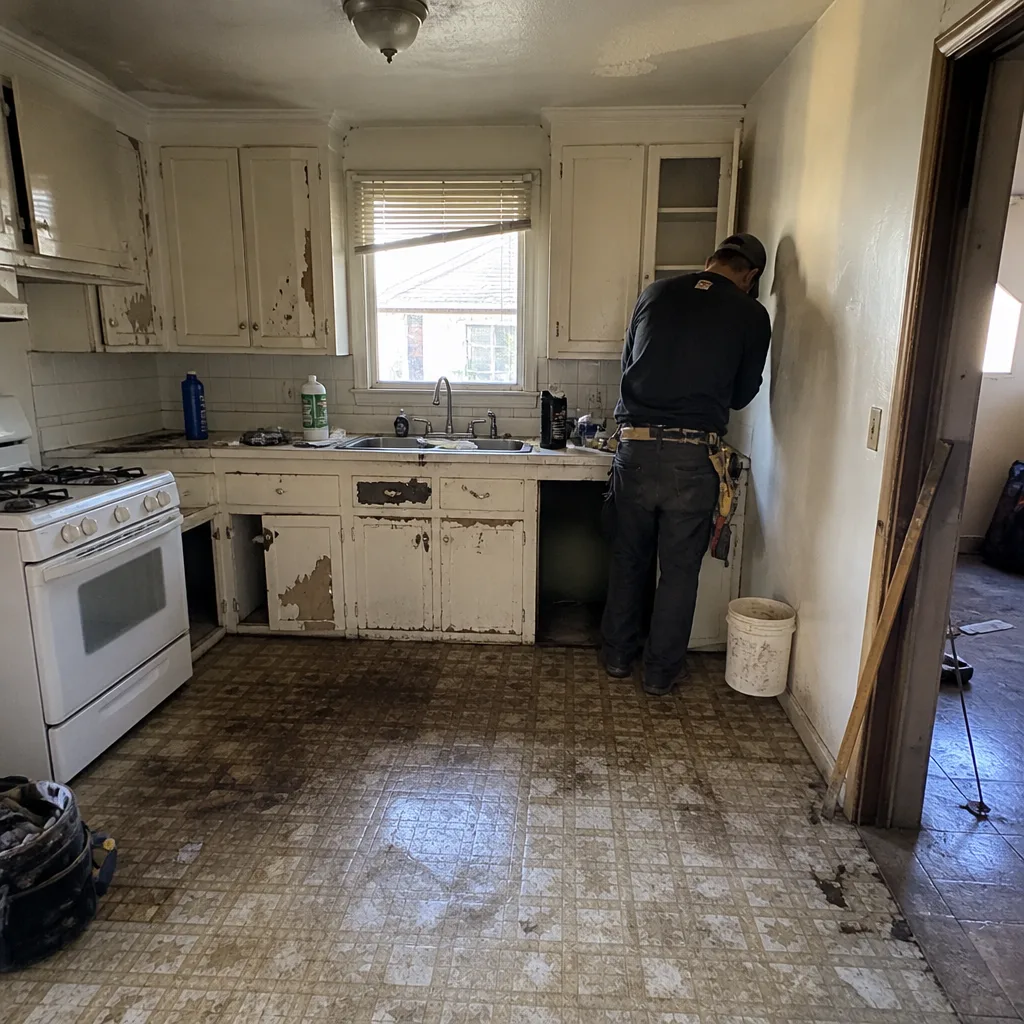 Before
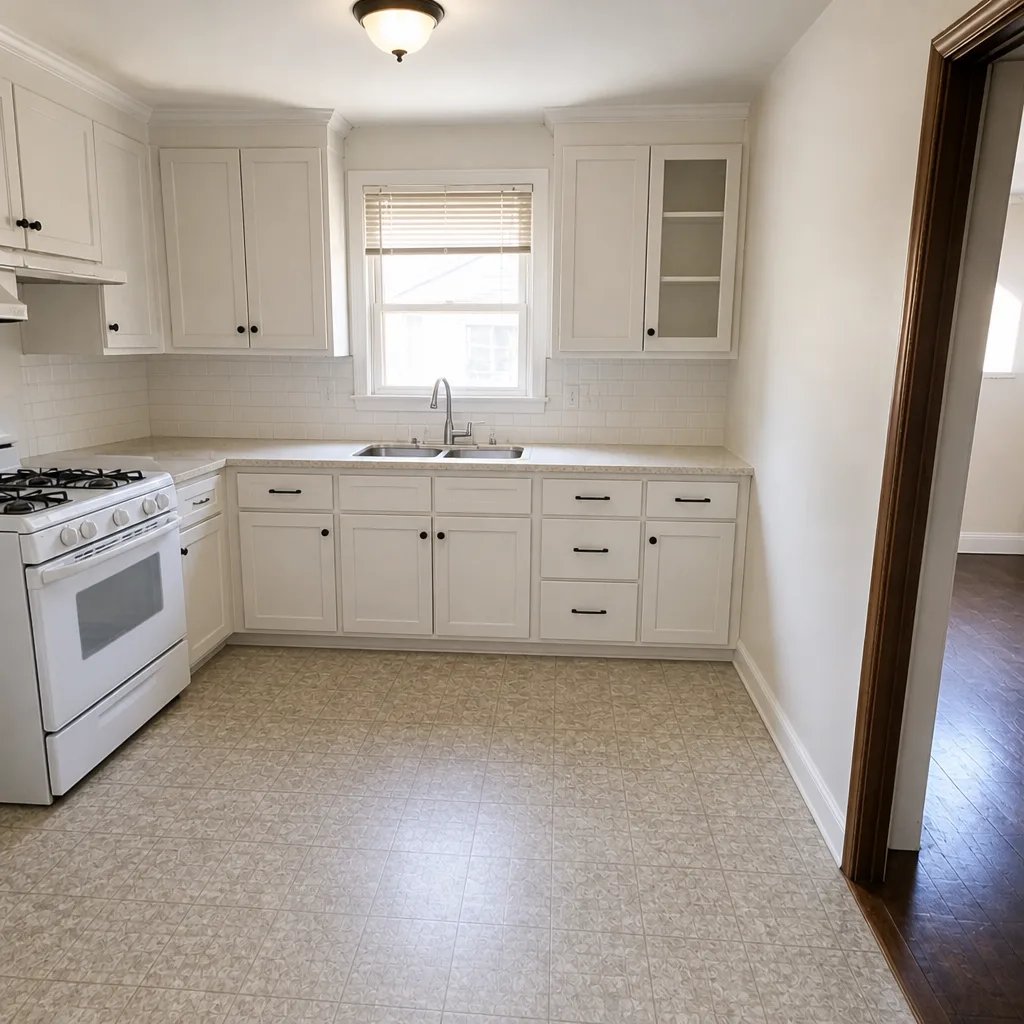 After
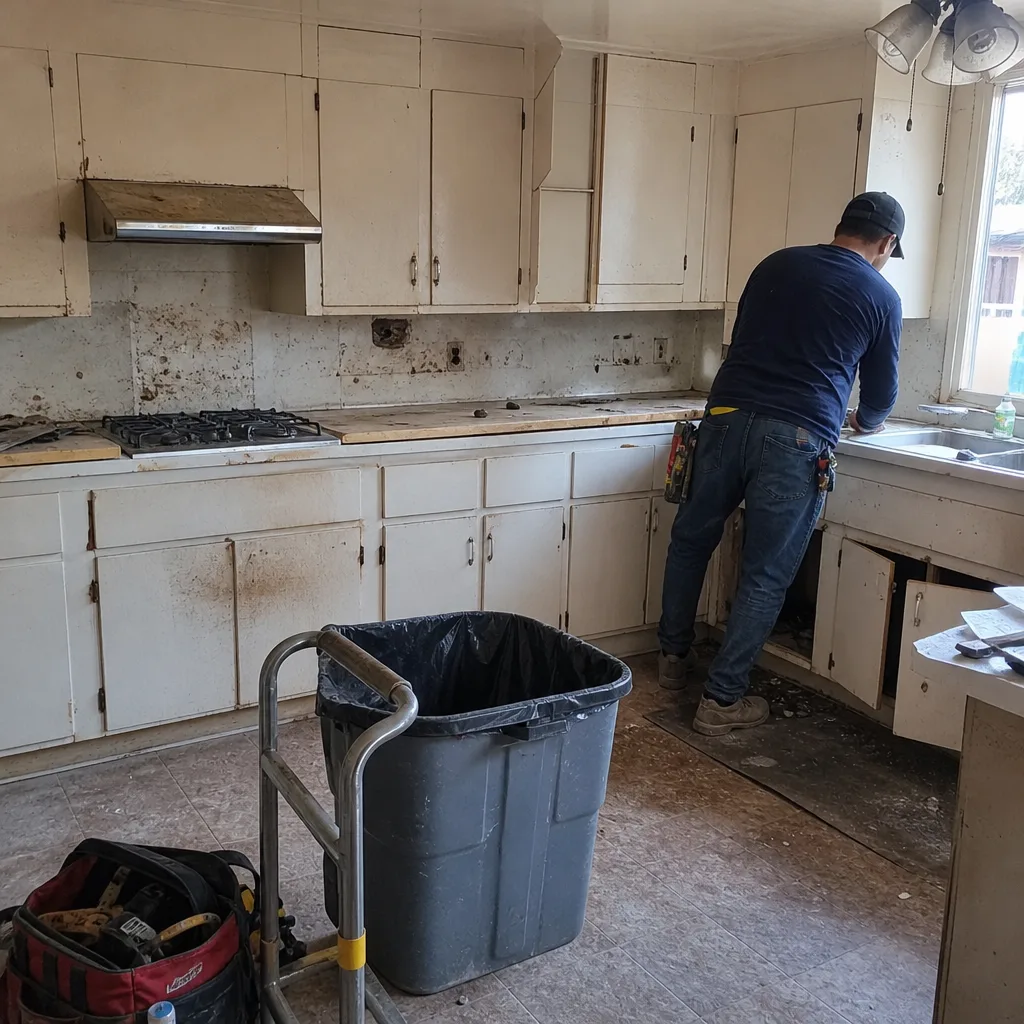 Before
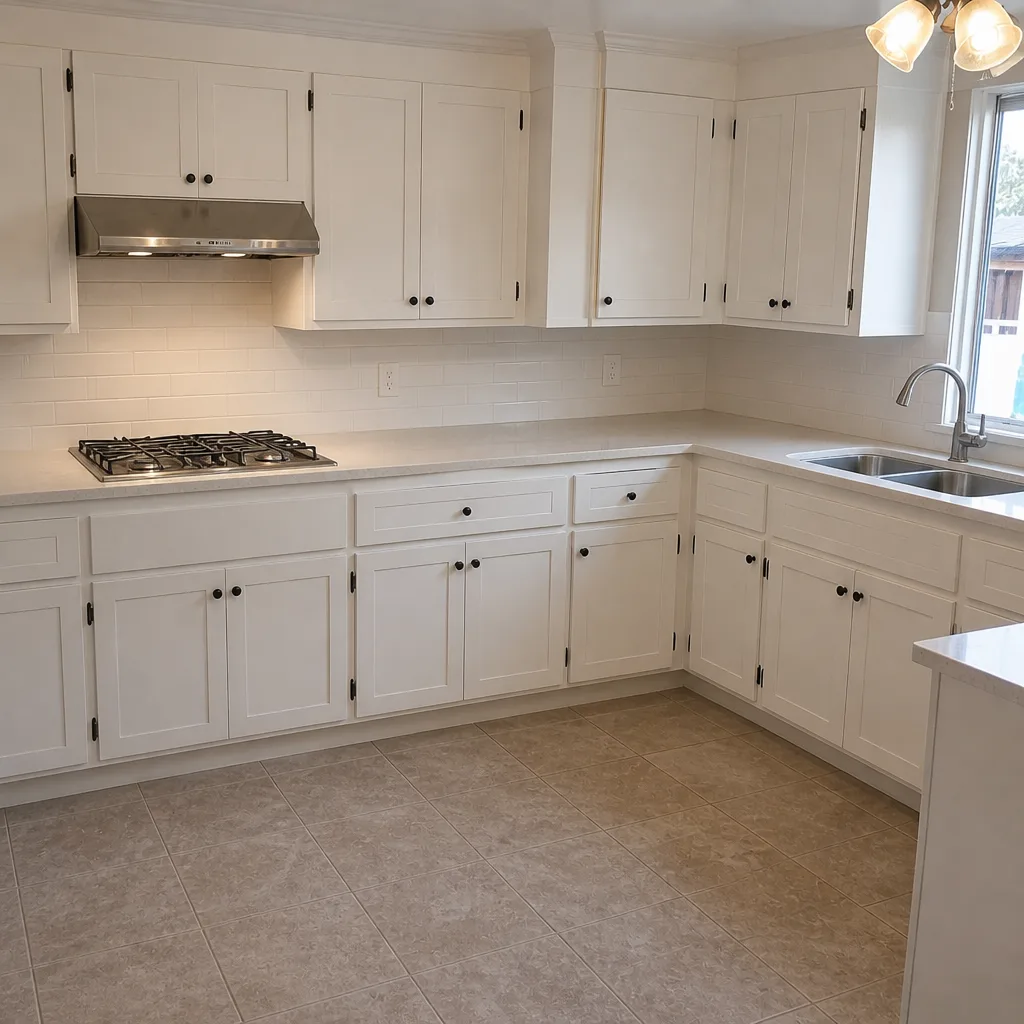 After
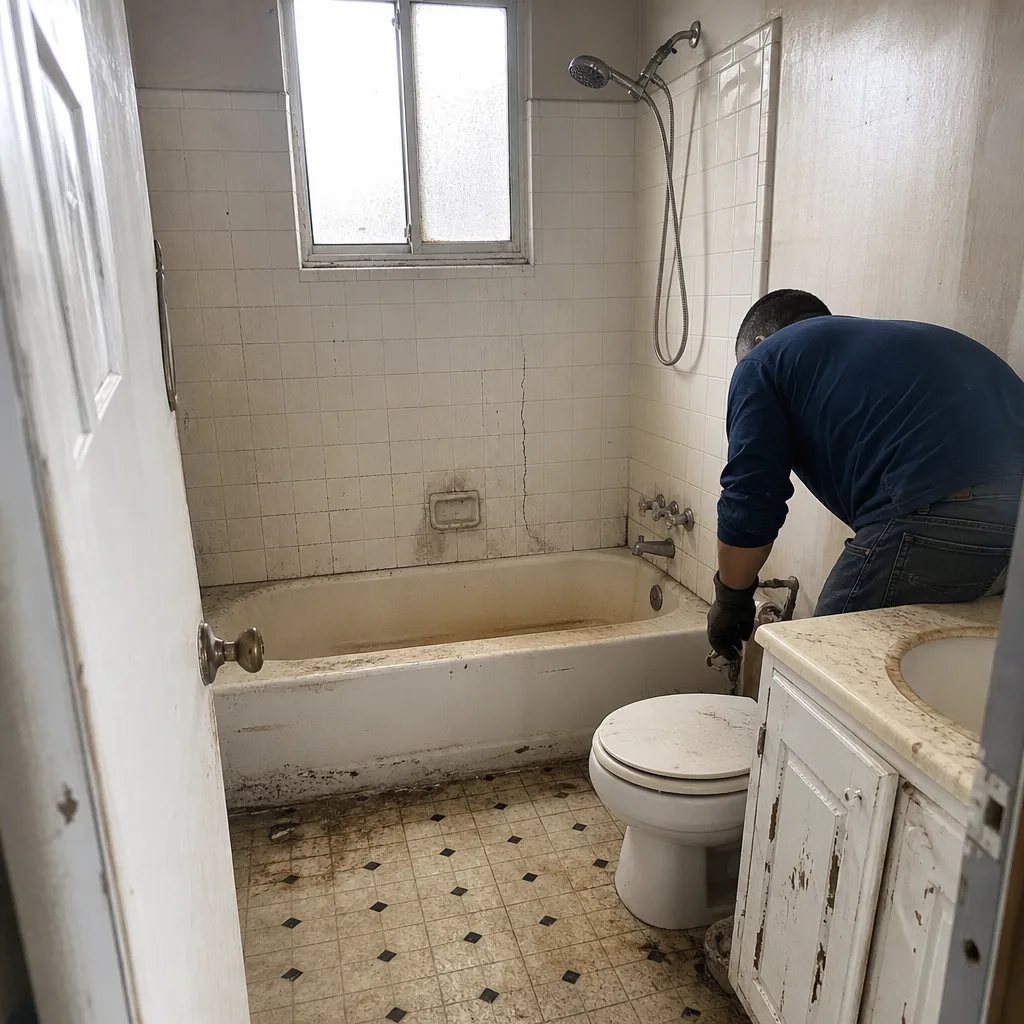 Before
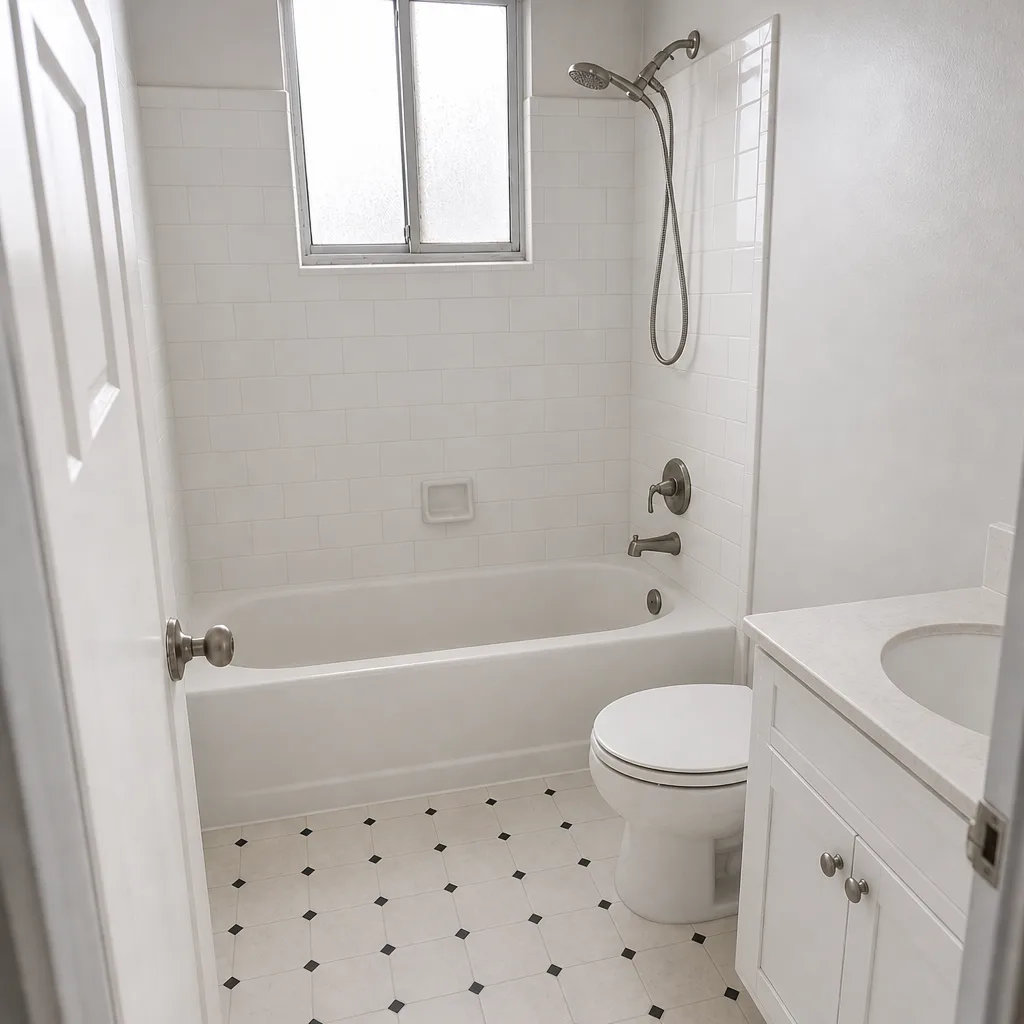 After
Frequently Asked Questions
Yes, if it’s your primary residence, you occupy it, and you pull an owner-builder permit under California Business and Professions Code Section 7044. You’ll still need licensed subcontractors for electrical, plumbing, gas, and any structural engineering, because those trades require their own licenses and permits. The owner-builder permit lets you act as general contractor – it doesn’t let you do the licensed trades yourself. Call (833) 522-5059 for a free estimate if you’d rather hand the whole scope to one licensed contractor.
It can, and often does. If you sell within five years of completion, California law requires you to disclose the owner-builder permit and offer the buyer the option to have a licensed contractor inspect the work before close. Lenders may scrutinize the property, appraisers may discount, and some buyers walk away entirely. An established team handling the project from foundation to finish line avoids the disclosure question altogether. Call (833) 522-5059 to schedule a free estimate.
Painting, landscaping, cabinet installation, finish carpentry, trim, and flooring are all safe to do yourself without legal or structural risk. Anything the building inspector will look at – framing, electrical, plumbing, gas, roofline changes – belongs to a licensed professional. The realistic DIY savings on a 600-square-foot Buena Park ADU run $20,000 to $38,000 across finishes and landscape. Call (833) 522-5059 if you want the scope split laid out in writing before you commit.
Cabinet installation is safe to DIY as long as you’re not relocating plumbing or electrical. Countertops are not a DIY task – stone surfaces like Cambria, Silestone, and Caesarstone come from a fabricator who templates and installs the slab after your cabinets are hung and level. The install itself is not something most homeowners should attempt, and the fabricator’s warranty depends on their own installation. Fixtures can be installed by the homeowner after rough-in inspection passes. Call (833) 522-5059 for an exact quote – estimates are free.
It can. In Buena Park, final inspection verifies smoke and CO detectors, GFCI locations, energy details, and plumbing fixture count. If a homeowner’s finish work fails, the whole permit stays open, and any licensed trades who signed off on the scope may need to return to close it. The cleanest split is DIY starting at paint and flooring and ending at landscaping. Call (833) 522-5059 to get a written scope that keeps your final inspection intact.
A licensed-contractor-led ADU in Buena Park typically runs six to twelve months from signed contract to final inspection, depending on plan-check turnaround and materials lead times. A homeowner-led project with mixed DIY and licensed work commonly runs 14 to 22 months, because inspections re-open on rework and trade scheduling fragments across owners. Call (833) 522-5059 for a realistic schedule on your property – the free estimate includes the timeline in writing.
The Bottom Line
DIY on an addition or ADU in California is not a cost question – it’s a liability one. The owner-builder permit lets you act as general contractor on your own primary residence, but it requires disclosure at resale within five years, and that disclosure has real financial teeth in Buena Park’s resale market. DIY safely where finishes and site work allow, and hand the structural, electrical, plumbing, gas, and roofline trades to licensed professionals with their own permits. The savings on the DIY slice are real ($20,000 to $38,000 on a mid-size ADU), and the risk on the licensed slice is not worth taking. If you want the scope, cost, and timeline in writing before you commit, that’s the free estimate. Call (833) 522-5059 and we’ll walk through it with you.
Written by the team at Groundwork Construction Co. of Buena Park.