Last updated November 18, 2026



Free written scope consultation - allowances, timeline, and change-order rules on paper before a single trade is scheduled
Fence Installation Warning Signs Every Homeowner Should Know
The most expensive fence mistake homeowners make isn’t choosing the wrong material. It’s signing a contract with a contractor who sets posts too shallow and disappears before the first rainy season. A bad installation looks fine on day one. It shows itself six months later when posts lean, gates drag, and the phone number on the invoice goes to voicemail. In Buena Park, where clay-heavy soil and Santa Ana winds do real work on a fence line, those failures arrive fast. This guide walks you through the warning signs to spot before the concrete is poured, so you’re not paying twice for the same fence.
Quick Answer
The biggest fence installation warning signs are posts set too shallow for local soil, a vague or missing warranty, a gate that binds on install day, no call to 811 before digging, and a contract that hides substitutions in loose line items. Any one of these is a reason to slow down. Two or more together mean you should walk away. In Buena Park, post depth and utility locates are the two flags we see skipped most often, and both cause failures within the first year.
Styles & brands we work with
- Kitchen remodeling
- Bathroom remodeling
- Home additions & ADU
- Roofing
- Windows & doors
- Driveway & pavers
- Fence
Table of Contents
- Post Depth: The Warning Sign You Can Measure
- What a Weak Warranty Really Tells You
- The Gate-Hang Test: A Structural Tell
- No Call to 811: A Liability You Inherit
- Reading the Contract Line by Line
- Material Substitutions and Brand Games
- Buena Park Soil, Wind, and Fence Movement
- The Pre-Signing Red Flag Checklist
Post Depth: The Warning Sign You Can Measure
Post depth is the single most important number in a fence installation, and it’s the one most homeowners never check. A fence post is only as strong as the soil and concrete holding it. Set it too shallow and the first round of winter rain or a strong Santa Ana wind will start working it loose. In Buena Park, the soil runs from sandy loam near the Los Coyotes area to heavier clay pockets toward the hills, and clay holds water. A shallow post in clay is a post that heaves and tilts.
Industry guidance is straightforward: bury roughly one-third of the post’s total length, with a minimum of 24 inches below grade for a standard 6-foot fence. Many reputable installers go deeper, 30 to 36 inches, depending on soil and wind exposure. Here’s how to verify before backfill, while you can still see the hole:
- Ask what depth the crew is boring, and watch them measure. A crew that won’t tell you, or eyeballs it, is a red flag.
- Check the hole diameter. A post in a hole barely wider than the post has no room for a proper concrete collar.
- Look for concrete. Posts set in dirt alone, with no concrete, will move. In Buena Park’s clay, that’s a matter of months.
- Confirm drainage rock or gravel at the bottom of the hole so water doesn’t pool against the post base.
- Ask for the footing spec in writing before signing. If it’s not in the contract, it’s not guaranteed.
A post set at 18 inches with a thin concrete collar may look planted and solid the day it goes in. It’s the first dry-then-wet cycle that starts the lean. By the time you notice, the installation crew is long gone.
What a Weak Warranty Really Tells You
A contractor’s warranty is a confession. It tells you how much confidence they have in their own work. A vague warranty, an unwritten one, or one that only covers materials but not labor, is a contractor telling you exactly where they expect problems to land: on you. The materials manufacturer will stand behind their boards. Nobody’s standing behind the footing, the gate alignment, or the post setting except the installer.
Read the warranty language and look for these specific issues:
- Labor excluded: Materials-only coverage sounds generous until you price out replacing a leaning fence. Labor is the expensive half.
- Short terms: A one-year workmanship warranty expires right around the time fence failures start showing. Reputable workmanship coverage runs multiple years.
- Vague exclusions: “Acts of God,” “soil movement,” and “normal settling” are catch-all phrases that let a contractor decline almost any failure.
- No written documentation: If the warranty isn’t in the contract, it doesn’t exist. A verbal promise at the kitchen table is worth nothing at month eight.
- No process: Ask exactly how to file a claim. If the answer is “just call us,” and the phone doesn’t get answered, you’ve learned the truth early.
When we back work with the 730-Day Done Right Promise, the point isn’t the number alone. It’s that a contractor willing to put a multi-year workmanship commitment in writing has already done the footing math and the gate alignment and the post setting the right way. If a contractor won’t commit in writing, they’re telling you they expect to be gone before the failures show.
The Gate-Hang Test: A Structural Tell
A gate that drags on day one isn’t a cosmetic problem. It’s a structural warning that the posts or the hang are wrong, and it will get worse. A gate is the heaviest, most active moving part of a fence. It swings, it gets slammed, it bears torque every time it opens. If the gate binds, sags, or scrapes on the day the crew hands you the fence, the installation has a flaw that will compound.
Here’s how to run the gate-hang test yourself on install day, before you write the final check:
- Open and close the gate slowly. It should swing smoothly through the full arc with no scrape, no rub, and no lift required.
- Release the gate halfway open. A properly hung gate moves on its own, smoothly, without a push or a groan.
- Check the gap. The vertical clearance at the latch side should be even from top to bottom. Uneven gap means a racked post or twisted gate.
- Look at the hinge posts. A gate post takes the load. It should be a heavier post, set deeper in the ground than the rest, often with a metal reinforcing core.
- Test the latch. It should engage smoothly without forcing the gate. A latch that needs a lift means the gate has already started to sag.
A gate that binds on install day usually means one of two things: the hinge post was set too shallow for the load, or the gate was hung before the concrete fully cured and the post shifted as it set. Either way, you’ll be paying to fix it. Buena Park winters deliver enough moisture to accelerate any post movement, so a gate that binds in dry weather will only worsen after the first storms.
No Call to 811: A Liability You Inherit
Every fence installation in Buena Park starts with a call to 811. It’s free, it’s required before any excavation, and it’s the single clearest sign of whether a contractor is professional or cutting corners. 811 dispatches utility crews to mark gas, electric, water, sewer, and communications lines. If the contractor skips it, three things are true at once: they’re breaking the law, they’re putting their crew and your property at risk, and they’re passing the liability to you.
Why homeowners sometimes get skipped calls: the wait for a locate appointment takes a few days, and a contractor with a packed schedule may not want to wait. That’s a schedule problem, not a reason to skip. A contractor who sacrifices your safety to save three days on the calendar is showing you exactly how the rest of the job will run.
Watch for these specific 811 red flags before work starts:
- No locate request filed, or no confirmation number provided when you ask.
- No painted or flagged utility marks visible on the property before digging.
- A crew that starts before the locate window has closed.
- An excuse like “we always find the lines” or “the markings from last time are still there.”
Pulling the permit and calling 811 are the two most basic signals that a contractor expects inspections, no, actually, that a contractor expects to do work that would pass inspection. A contractor who skips either one is telling you they don’t expect scrutiny. In Buena Park, where the building department reviews fence permits by zone, a contractor who avoids the permit process may be avoiding the standard, not just the paperwork.
Reading the Contract Line by Line
The most important document in a fence installation is the contract, and it’s where cost-cutting substitutions hide in plain sight. A vague bid, “6-foot dog-ear privacy fence, installed: $X,” leaves the contractor free to substitute materials, skip the footing spec, or shorten the post depth to save cost. What you’re actually buying is the line items. Here’s what to check before you sign:
- Material brand and model: Confirm the exact product line. A brand name alone, like Boral or CGI, isn’t enough. Get the specific product, the gauge or thickness, the color, and the warranty term.
- Post specification: Diameter, material, and bury depth. Ask for the depth in inches. This is the single most consequential line.
- Gate specification: Hinge post diameter, hardware brand, and whether it’s reinforced. The gate is where labor shortcuts show first.
- Footing spec: Concrete mix, hole diameter, and depth per post. “Set in concrete” is not a spec. “24-inch post depth, 8-inch concrete collar” is.
- Disposal and cleanup: Old fence removal, haul-away, and site clean-up should be line items. A bid that omits them will add them later.
- Permit and inspection: Who pulls the permit, who pays for it, and who handles the inspection. Make it explicit.
- Payment schedule: No more than a modest deposit, with the balance due on completion and inspection. Upfront-pay-in-full is a sign.
A proper proposal reads like a materials list, not a marketing pitch. If you can’t tell from the bid what gauge the fence boards are or how deep the posts are going, the bid isn’t ready. Request a written line-item quote. If the contractor pushes back, that’s the warning sign.
Material Substitutions and Brand Games
Material substitution is the quiet cost cut. The substitution usually happens between the bid and the delivery. You agreed to a specific product line, and something close arrives on the truck. The gauge is thinner. The color is slightly off. The board weighs less in the hand. By the time you notice, the fence is up, and the difference is a warranty claim nobody wants to honor.
Watch for these material red flags:
- “Equivalent” language in the bid. A bid that says “or equivalent” gives the contractor license to downgrade.
- Thin-gauge metal or hollow-feel vinyl. Fence boards are sold by gauge and by weight. A weaker product won’t feel like the sample.
- Brand-switching at delivery. Verify the delivery against the contract before unloading. Boral, PGT, and CWS all provide branded packaging or documentation. A box with no branding is a question mark.
- Sample mismatch. Compare the delivered board to the sample you approved. Color drift, texture differences, and thinner profile are all signals.
- Missing paperwork. Request the manufacturer’s warranty documentation at delivery. A brand with no warranty materials in the box isn’t the product you paid for.
A contractor who sources from a curated set of verified brands and has the paperwork to show it is a contractor who expects to be checked. That’s the standard. Buena Park’s coastal air and inland heat cycles are harder on fence materials than most of Southern California, so thinner-gauge product shows its wear years earlier here. What can pass inspection in a milder climate ages rapidly on a Buena Park fence line.
Buena Park Soil, Wind, and Fence Movement
Buena Park’s climate and soil do specific things to fences that homeowners moving in from other cities don’t anticipate. The coastal influence keeps humidity up through the spring, which keeps clay soils wet later into the year. The inland location means Santa Ana wind events hit with real force in the fall. Together, those two forces work a fence post from both directions: water softens the soil around the footing, and wind loads the top of the post. A shallow or poorly footed post loses that fight.
What we see locally, job after job:
- Clay pockets around the Los Coyotes area hold water and swell. Posts with a thin or missing concrete collar are the first to lean after a wet spring.
- Santa Ana wind corridors through the Buena Park flats push on privacy fences, and the hinge posts on gates bear the worst of it.
- Older lots in established Buena Park neighborhoods sometimes hide irrigation lines, older utility runs, or shallow septic remnants that only an 811 call and a careful pre-dig survey will catch.
- Coastal air humidity accelerates metal corrosion on chain-link and aluminum systems. Stainless and coated hardware are worth the small extra cost here.
None of this is exotic. It’s normal for Buena Park. The point is that a contractor who installs in this soil and this wind cycle should know it and spec their footings accordingly. If a bid doesn’t reference any of it, the bid was written for a different city.
The Pre-Signing Red Flag Checklist
Before you sign a fence contract in Buena Park, run this checklist. If more than one item is true, you’re looking at a contractor who will take your money and give you a fence that fails. The list is short on purpose, because the important warning signs are consistent.
- No written post depth spec. If the depth isn’t in the contract in inches, it’s not guaranteed.
- Warranty is verbal, short, or materials-only. Ask for written workmanship coverage and the claim process.
- Gate binds on the sample or the site visit. Test it. A binding gate today is a sagging gate in six months.
- No 811 confirmation. Request the locate confirmation number before work starts.
- No permit. Ask who pulls it. In Buena Park, a fence over 6 feet or near a property line generally needs one.
- Vague line items or “or equivalent” language. Request a materials list by brand and model, with gauge and warranty.
- Cash-upfront demand or no written payment schedule. Reputable contractors take a modest deposit and bill the balance at completion.
- No phone number, or a phone number that doesn’t get answered. A live person, 24/7, is a real service commitment. Test it before you sign.
Common Mistakes to Avoid
- Comparing bids on price alone. The lowest bid in a Buena Park fence project usually means a shorter post depth or a thinner board. Compare the line items first, then the total.
- Skipping the sample and the spec sheet. Two “6-foot cedar” fences can differ by a gauge and a warranty. Ask for a sample board and the manufacturer documentation before signing.
- Not testing the gate on install day. Open, close, and release it. If it binds, don’t write the final check.
- Ignoring the warranty’s exclusions. “Normal settling” and “soil movement” clauses can swallow almost any Buena Park fence failure. Read the exclusions before you sign.
- Assuming the contractor will call 811. Ask for the locate confirmation number. If they can’t produce one, that’s the answer.
- Letting the crew backfill without seeing the post depth. Ask to inspect one hole before the concrete goes in. A reputable crew will walk you to it.
- Paying the full contract upfront. A payment schedule that ties the balance to completion and inspection protects you. Upfront-in-full transfers all the risk to you.
If you’re planning other exterior work alongside the fence, our guide to Driveway & Pavers in Buena Park covers how the same 811 and permit rules apply. And if the fence is the first step of a larger yard-to-ADU project, the team that writes our Home Additions & ADU in Buena Park guide handles those site surveys with the same footing-first approach.
See the difference
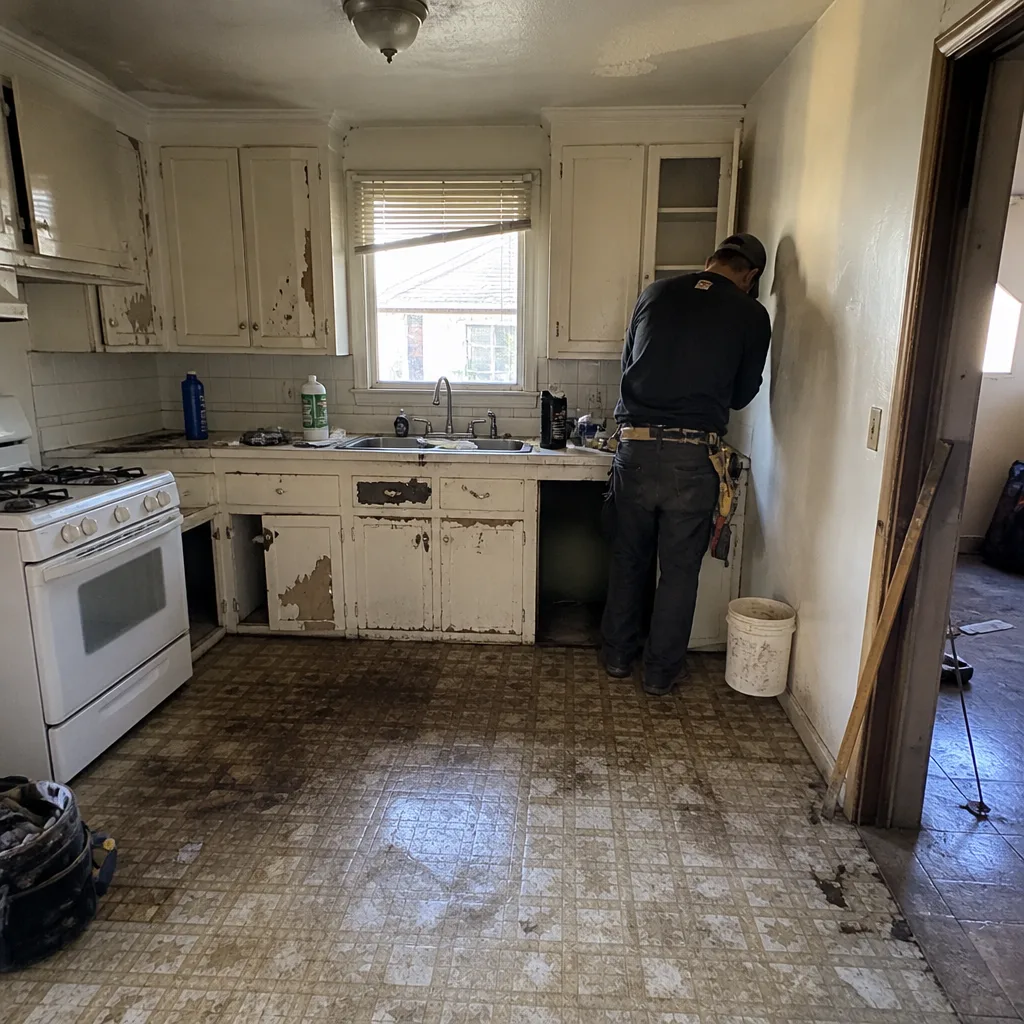 Before
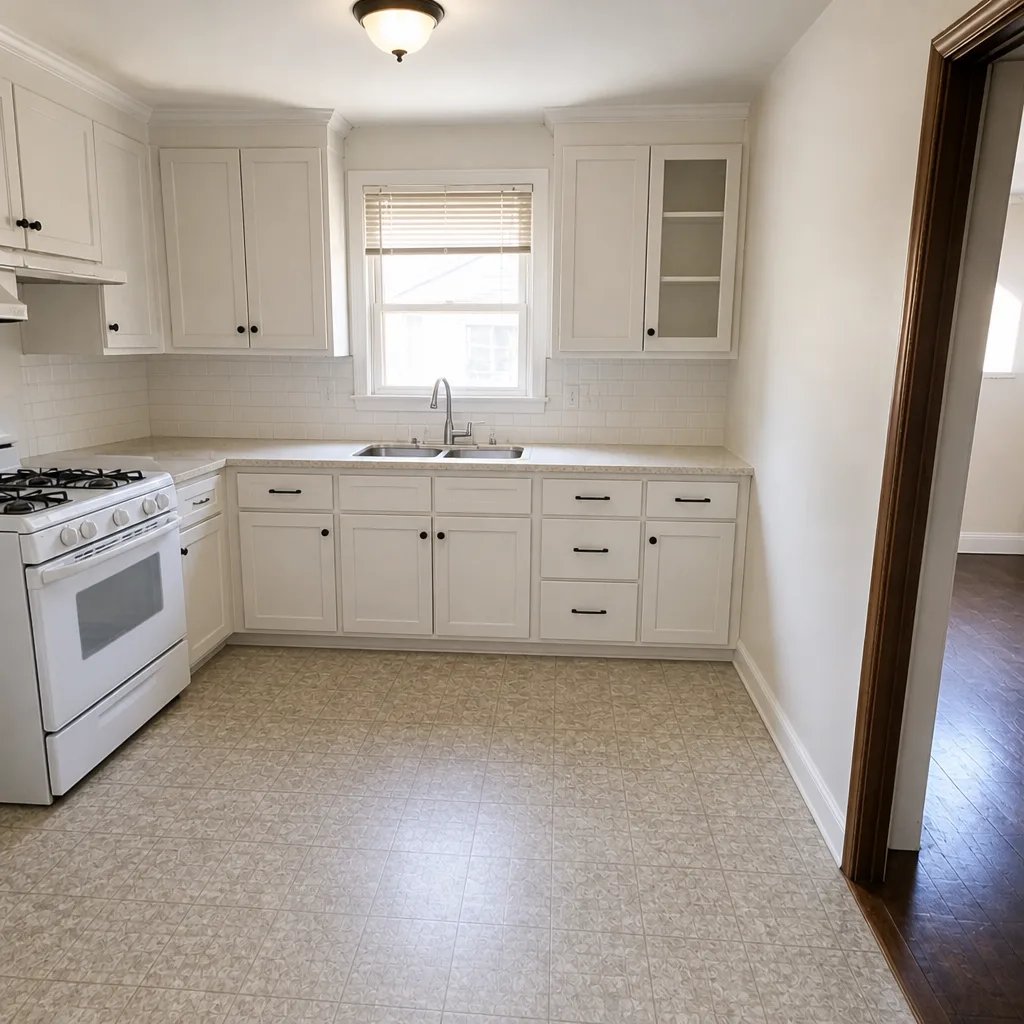 After
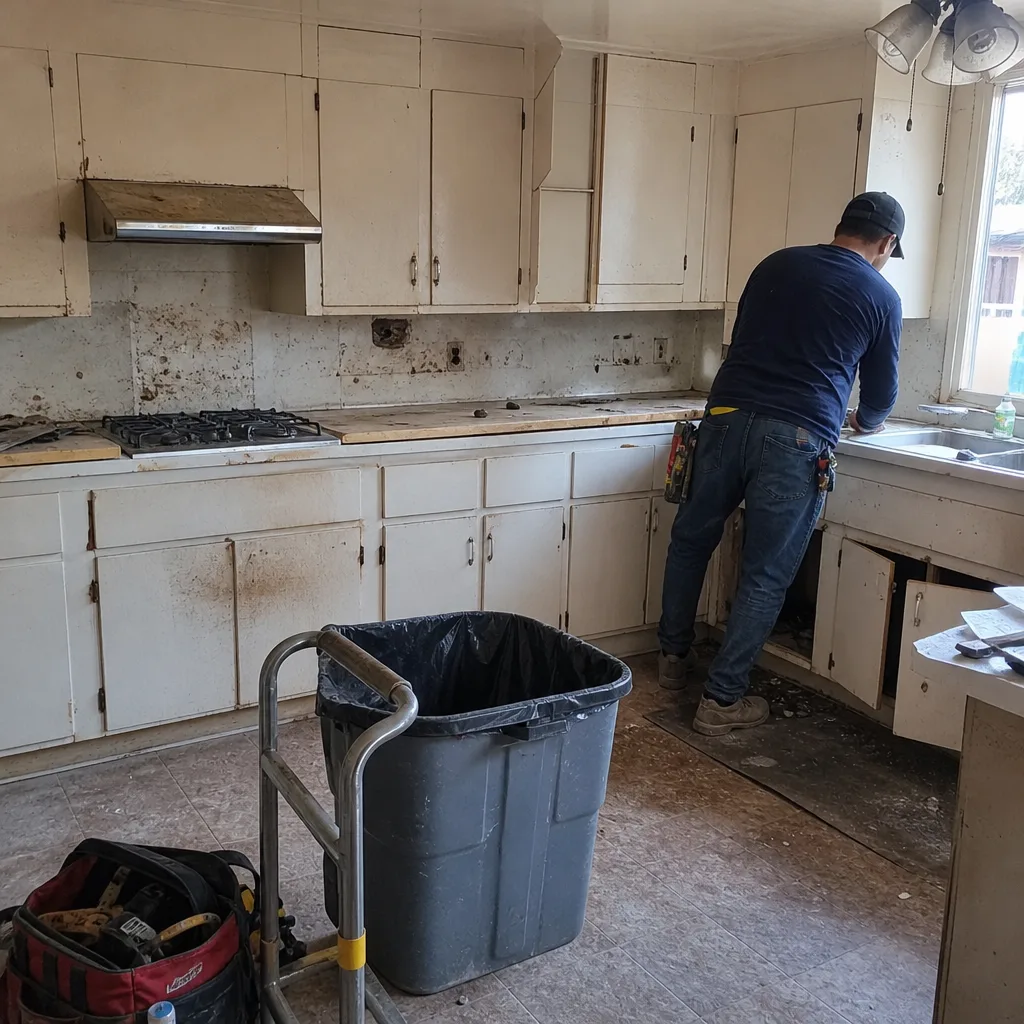 Before
 After
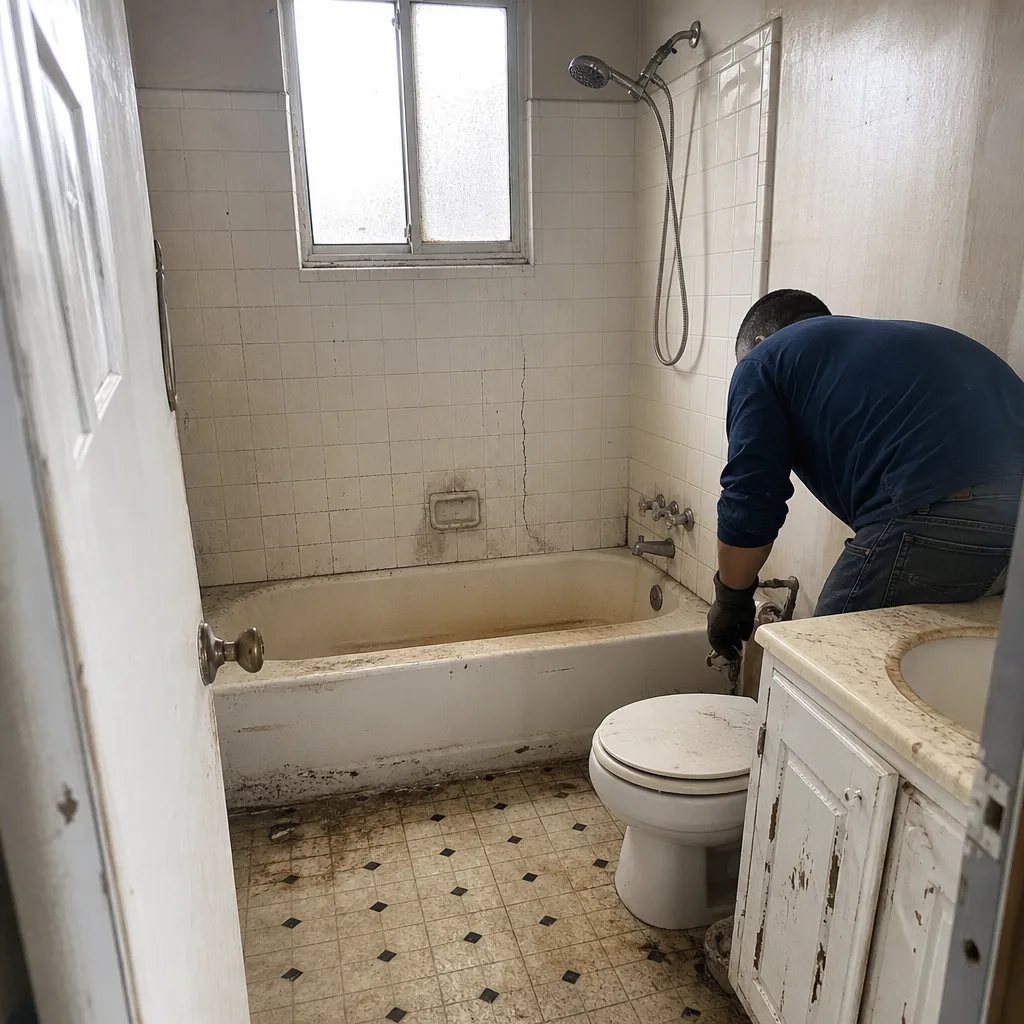 Before
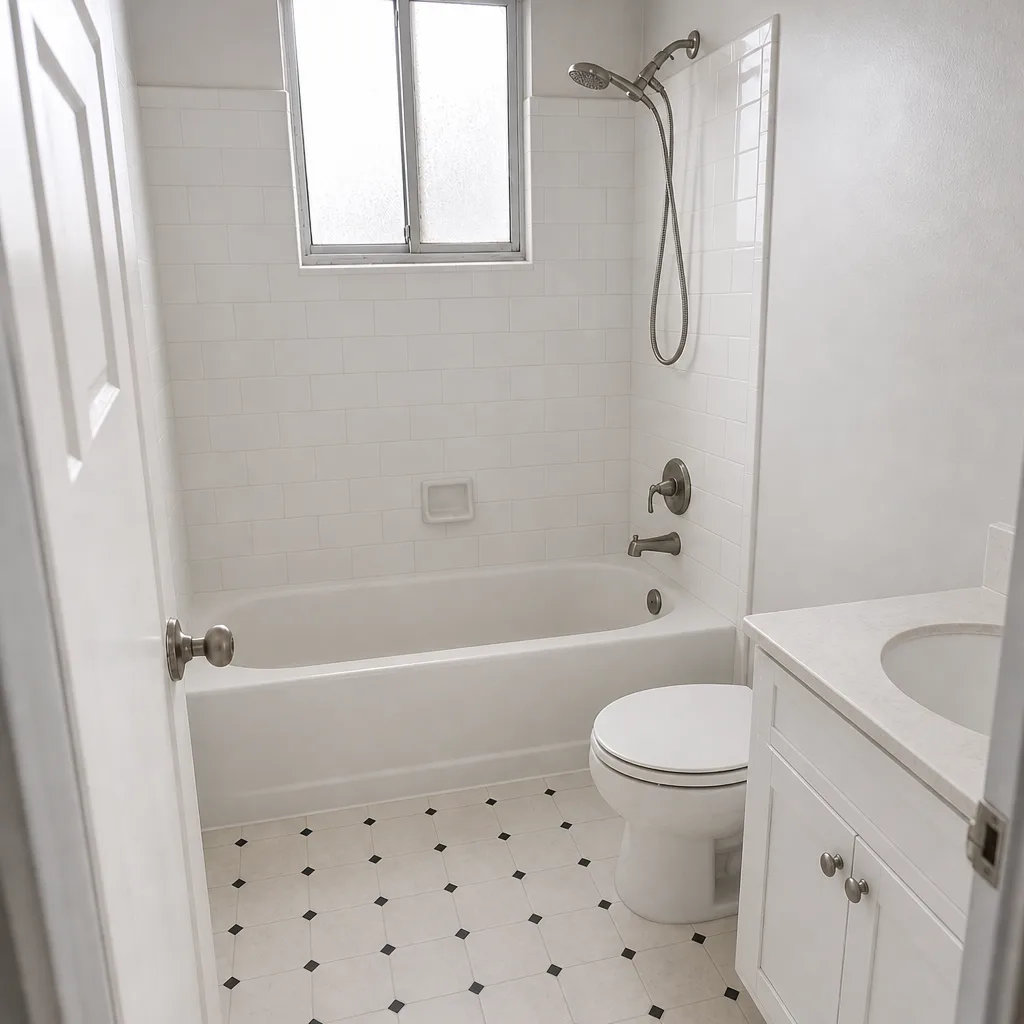 After
When to Call a Professional
Some fence work is straightforward enough for a confident homeowner with a free weekend. Most isn’t. Call a professional when the fence has to hold under wind load, when the gate bears weight, when the fence is on or near a property line, or when the soil is Buena Park’s heavy clay. Call when you’re dealing with an existing fence failure, a leaning post, a binding gate, or a contractor who’s disappeared. And call when you need it done right the first time, because a fence done wrong costs more to fix than to install. Groundwork Construction Co. of Buena Park offers free estimates in Buena Park. Call (833) 522-5059 to schedule yours. The team brings background-checked, uniformed technicians, written line-item quotes, permits pulled and inspections passed, and every fence installation backed by the 730-Day Done Right Promise.
Frequently Asked Questions
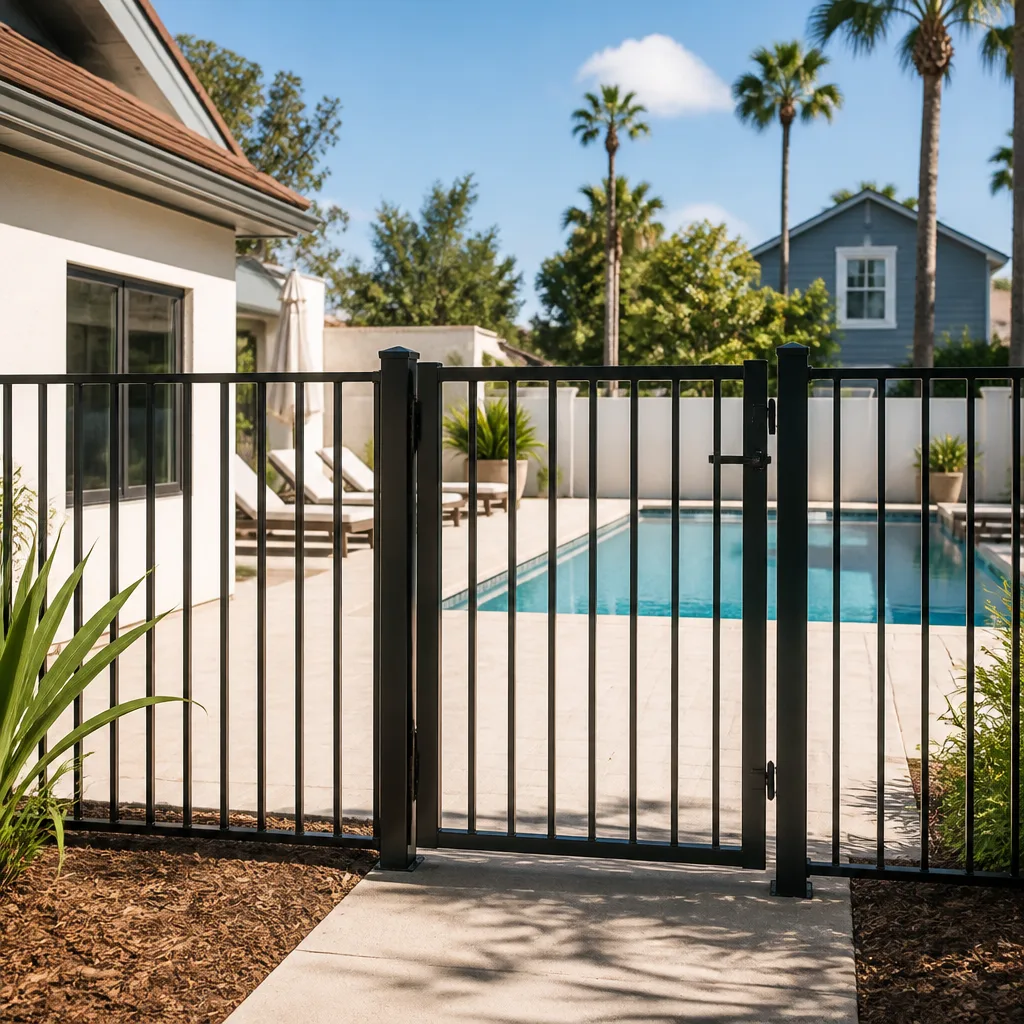
Plan on a minimum of 24 inches below grade for a standard 6-foot privacy fence, with many reputable installers going 30 to 36 inches in Buena Park’s heavier clay soils. The general rule is to bury about one-third of the post’s total length. Shallow posts are the single most common cause of fence failure here. Call (833) 522-5059 for a free estimate, and we’ll put the post depth in writing before we start.
Yes. A short, verbal, or materials-only warranty signals that the contractor expects to be gone before failures show up. Look for written workmanship coverage of multiple years, a clear claim process, and specific exclusions rather than “acts of God” catch-alls. If the warranty isn’t in the contract, it doesn’t exist. Call (833) 522-5059 to see what a 730-Day Done Right Promise looks like in writing.
A binding gate on install day usually means the hinge post was set too shallow or hung before the concrete cured. A gate is the heaviest part of the fence and takes the most torque. Open and close it slowly, release it halfway, and check the gap for consistency. If it drags or needs a lift, don’t sign off. Call (833) 522-5059 for a free estimate and a gate-hang walkthrough.
Yes, every fence installation in Buena Park requires a call to 811 before any digging. It’s free, it’s required, and it’s how utility lines get marked. A contractor who skips it is breaking the law and passing the liability to you. Ask for the locate confirmation number before work starts. Call (833) 522-5059 to schedule a free estimate from a team that pulls the locate every time.
It shouldn’t. A front-loaded bid with vague line items is where change orders come from. Ask for a line-item quote that specifies material brand, gauge, post depth, footing spec, gate hardware, permit, and disposal. The number you see should be the number you pay. Call (833) 522-5059 for a written line-item quote on your Buena Park fence project.
Most residential fence installs in Buena Park run one to three days of on-site work, depending on linear footage, gate count, and soil conditions. Factor in the 811 locate window, which usually takes several business days, and the permit timeline if your fence requires one. Ask the contractor for the sequence in writing before you sign. Call (833) 522-5059 to schedule a free estimate.
The Bottom Line
Bad fence jobs look fine on day one. The warning signs are in the details you can check before the concrete is poured: post depth, gate hang, utility locates, and the contract line items. In Buena Park, where clay soil and Santa Ana winds work a fence post from two directions, those details matter more than anywhere. Test the gate on install day. Ask for the post depth in inches. Request the 811 confirmation. Read the warranty exclusions. If the contractor can’t answer, that’s your answer. Start with our Fence Installation in Buena Park service page, or see the full scope of what we do at our Groundwork Construction Co. of Buena Park home. Call (833) 522-5059 for a free estimate and a written, line-item quote before anyone digs.
Written by the team at Groundwork Construction Co. of Buena Park.