Last updated November 18, 2026
Free written scope consultation - allowances, timeline, and change-order rules on paper before a single trade is scheduled
How Long Does Home Additions & ADU Take? Timelines and What to Expect
Here’s the number that catches most Buena Park homeowners off guard: an ADU in Southern California usually takes 6 to 12 months from signed contract to certificate of occupancy, and only 3 to 4 of those months are actual hammer-and-nails construction. The rest is design, plan check, permit issuance, material lead times, and the inspection schedule nobody warns you about. Contractors love to quote “construction days” because that’s the part they control. You live through calendar time. This guide maps the whole calendar so you can plan around the waiting, not just the building. We build additions across Buena Park and Orange County, and we’ve watched a stalled plan check eat more of a homeowner’s summer than any framing delay ever did.
Quick Answer
A home addition or ADU in Buena Park typically takes 6 to 12 months in total calendar time, with roughly 3 to 5 months of that being active construction and the remainder split between design, plan check, permitting, and inspections. A straightforward attached addition with pre-approved plans can wrap in as little as 5 to 6 months, while a custom detached ADU with structural complications or utility upgrades can run 14 to 18 months.
Styles & brands we work with
- Kitchen remodeling
- Bathroom remodeling
- Home additions & ADU
- Roofing
- Windows & doors
- Driveway & pavers
- Fence
Table of Contents
- The Full Calendar: Where the Time Actually Goes
- Phase-by-Phase Breakdown of an ADU Build
- How Buena Park Plan Check Compares to Neighboring Cities
- The Inspection Scheduling Bottleneck
- How Early Design Decisions Shave Weeks Off the Timeline
- Best-Case, Typical-Case, and Worst-Case Timelines
- Attached Addition vs. Detached ADU: Which Takes Longer?
- How Budget and Timeline Interact
The Full Calendar: Where the Time Actually Goes
When a contractor quotes you “16 weeks to build,” they mean 16 weeks of construction labor. That’s an honest number for a mid-size addition. But the calendar on your wall from the day you sign to the day you get your certificate of occupancy is a different animal. Here’s the realistic split for a detached ADU in Buena Park.
- Design and drafting: 3 to 8 weeks. Depends on whether you go pre-approved or fully custom, and how many rounds of revisions you need.
- Plan check and permit issuance: 4 to 10 weeks. This is the wild card, and it varies block to block depending on the city’s review queue.
- Construction: 3 to 5 months. Foundation, framing, rough trades, insulation, finishes.
- Inspections interspersed: add 1 to 3 weeks of slack for the inspection schedule alone.
- Final inspection and CO: 1 to 3 weeks after punch list.
The part that stuns people: design plus plan check plus permitting often adds up to more calendar time than the construction itself. A homeowner signing in March might not break ground until June or July. That’s not a delay. That’s the process working at normal speed. In Buena Park, where lots are tight and many properties sit in older subdivisions with utility quirks, getting ahead of that paperwork window is where a project is won or lost.
Phase-by-Phase Breakdown of an ADU Build
Here’s the sequence we walk every homeowner through before we sign anything. Five numbered phases, and each one has a defined start and a defined end. When you understand the phases, you can hold a contractor accountable to them.
- Feasibility and site assessment (1 to 3 weeks). We check setbacks, lot coverage, height limits, and whether your existing electrical panel and sewer lateral can handle the added load. A panel upgrade or a sewer re-route can add weeks during construction if it’s not caught now. On older Buena Park lots, this step catches problems that would otherwise surface mid-build.
- Design and drafting (3 to 8 weeks). Pre-approved plans from the city or state can cut this significantly, since the design review has already been done. Custom plans take longer but give you a building that fits your lot and your life rather than a template.
- Plan check and permitting (4 to 10 weeks). The city reviews structural, architectural, energy compliance, and zoning. Each round of comments that comes back means revisions and another review cycle.
- Construction (3 to 5 months). Site prep, foundation, framing, roofing, rough electrical and plumbing, insulation, drywall, finishes, and landscaping or hardscape restoration. This is where the home additions & ADU work in Buena Park we do most often lives, and it’s also where finish material lead times (windows, cabinetry, custom doors) can stall the schedule if they weren’t ordered early.
- Inspections and CO (1 to 3 weeks of buffer). Each required inspection needs to be scheduled and passed before the next work can close up. The final inspection and certificate of occupancy come last.
Notice how little of that list is “building.” Two of the five phases are paperwork. Most of the frustration we hear from homeowners who’ve worked with other contractors traces back to a company that never explained the paperwork phases at all.
How Buena Park Plan Check Compares to Neighboring Cities
Plan check wait times differ by city, and they’re a big reason ADU timelines vary so much across Orange County. Buena Park’s community development and building division has to review every ADU and addition for zoning, structural, and energy compliance. The queue moves at a pace shaped by staffing levels and how many submittals sit in line ahead of yours. We won’t quote you a Buena Park plan check window from memory, because those numbers shift; we track them project by project so you get a real estimate, not a guess.
What we can tell you is the pattern. Some neighboring Orange County cities have run plan check backlogs that push total ADU timelines well past a year, and cities that push pre-approved ADU plans tend to move faster because the design has already cleared a review. Buena Park, like most Orange County cities, has felt the statewide push to streamline ADU approvals, and that has made a real difference. But “streamlined” doesn’t mean “instant.”
The practical takeaway: before you commit to a build schedule, ask your contractor exactly how long Buena Park plan check has taken on their recent projects here. If the answer is a vague shrug, call us instead. We do this in Buena Park specifically, and answering that question is part of the job.
The Inspection Scheduling Bottleneck
Here’s a scenario that drives homeowners crazy, and it’s not anyone’s fault: your framing is done, the framing inspection is scheduled, and the inspector’s calendar is booked out two weeks. In the meantime, your framing crew is either idle or moved to another job. A one-hour inspection can sit for weeks waiting to happen, and that stall shows up on your calendar, not on any estimate.
This is one of the most commons sources of “why is nothing happening on my build?” panic. And here’s what makes it worse: the sequence forces it. You can’t insulate until framing passes inspection. You can’t drywall until the rough electrical and plumbing pass. Each pass is a gate, and each gate has to clear before the crew can close up the walls.
- Schedule inspections the moment the prior work is ready, not after the crew finishes the next task.
- Batch inspections where the code allows it, so framing and rough trades can be reviewed together when the sequencing permits.
- Build inspection lag into the schedule as real time, not as “extra days if we need them.”
Our technicians have up to 12 years of experience with these projects, and the biggest thing that experience buys you is scheduling intuition. We know when an inspection window is likely to be tight and can sequence work so the stall happens between tasks, not in the middle of them.
How Early Design Decisions Shave Weeks Off the Timeline
The single biggest lever on your total timeline gets pulled in the first few weeks: whether you go with a pre-approved plan or a custom design. It’s not glamorous, but it’s the difference between starting construction in the spring and starting in late summer.
Pre-approved plans are the fastest path. The city has already reviewed and approved the design, so plan check often reduces to confirming site-specific items: setbacks, grading, utility connections. The trade-off is less flexibility. You’re building a proven design, sometimes with modest adjustments, rather than a bespoke one.
Custom plans take longer but get you exactly what you want. Rounds of revisions during plan check can add weeks. The lesson isn’t “always go pre-approved.” It’s “make the pre-approved-versus-custom call early, and understand what each costs you in calendar time, not just dollars.”
Two more design calls that quietly add or save weeks:
- Where you place the ADU on the lot. Making sure the setback math and utility routing are clean from day one avoids a plan check comment cycle that costs a month.
- Which finish materials you choose. Custom windows, custom cabinetry, and specialty tile carry lead times of 6 to 12 weeks that need to run in parallel with construction, not after it. We lock finish selections early and coordinate brand partners so materials land on time.
Best-Case, Typical-Case, and Worst-Case Timelines
Every ADU timeline falls somewhere on a range. Here’s how we group them, and what pushes a project into each bucket.
- Best case: 5 to 6 months. Pre-approved plan, clean lot, standard utility connections, no plan check comment cycles, finish materials ordered early, inspection windows ready when needed.
- Typical case: 8 to 12 months. Custom or semi-custom design, one round of plan check comments, some material lead time, one or two inspection-schedule stalls, minor site surprises.
- Worst case: 14 to 18+ months. Structural or utility complications discovered mid-design, multiple plan check comment cycles, delays in major material delivery, changes made during construction, or an inspection issue that requires rework.
There’s a consistent pattern in what pushes a project from typical into worst case: changes after construction starts, and ordering materials late. Both of those are coachable decisions. A homeowner who finalizes decisions early and orders finishes before the framing inspection is a homeowner whose project finishes on the shorter end of the range. In Buena Park, where lots are often narrow and existing homes sit on mature landscaping, we also see grading and drainage issues push projects if they’re not identified in the design phase.
Attached Addition vs. Detached ADU: Which Takes Longer?
They take different amounts of time for different reasons, and this trips people up.
An attached addition is usually faster on the construction side because it shares a foundation, a roofline, and existing utility connections. You’re extending what’s already there. The catch: cutting into an existing exterior wall, matching rooflines, and integrating HVAC into the existing system all have to be done carefully, and any surprises in the existing wall (old wiring, water damage) surface mid-build. Attached additions and kitchen and bathroom expansions often overlap, which is why we handle those trades together.
A detached ADU is a standalone build, so it needs its own foundation, roof, electrical service, and often a panel upgrade or a new sewer connection. Construction takes longer, but the design and plan check phases are more predictable because it’s a self-contained project without the unknowns of the existing house. In our experience servicing the Buena Park market, detached ADUs are where the calendar is most controllable, provided the utility work is sorted in the design phase.
If your project touches driveways, hardscape, or fencing as part of the addition, those get folded into the same schedule. We handle driveway & pavers in Buena Park and fence installation in Buena Park as part of a whole-project scope so you’re not coordinating three contractors and three schedules.
How Budget and Timeline Interact
The budget conversation and the timeline conversation are the same conversation. When you scope a project with a fixed price and a fixed schedule, you remove the biggest source of delay: the mid-project change order. The number you see is the number you pay, and the schedule you agree to is the schedule that runs. We pair that with 0% financing for 18 months and $1,000 off projects over $10,000, which keeps a nine-month project from being a cash-flow crisis on top of a timeline worry.
Want the full picture on an addition or ADU before you commit? Start with a free project estimate and design consult, and bring your questions about plan check and inspection timelines with you. We answer them before you sign.
Common Mistakes to Avoid
- Assuming the construction schedule is the project schedule. A contractor who quotes “16 weeks” is quoting labor weeks, not the calendar from sign to CO. Ask for the plan check and permitting timeline in writing, separately.
- Choosing custom plans without knowing the trade-off. Custom designs are worth it for the right project, but the extra plan check rounds can add a month or more. Make that call consciously.
- Ordering finish materials after construction starts. Custom windows run 6 to 12 weeks and cabinetry can take a month or more. Order early, confirm lead times, and get them scheduled into the build sequence.
- Not asking about Buena Park plan check history. A contractor who’s built here recently can tell you how long plan check has actually run on their projects. One who can’t is guessing with your calendar.
- Making changes after construction starts. This is the top cause of worst-case timelines. Finalize every decision before the first inspection.
- Ignoring existing-home conditions in an attached addition. Old wiring, undersized panels, and hidden water damage in the wall you’re cutting through are common in older Buena Park homes. A proper feasibility walk catches them using home construction in Buena Park expertise, not wishful thinking.
See the difference
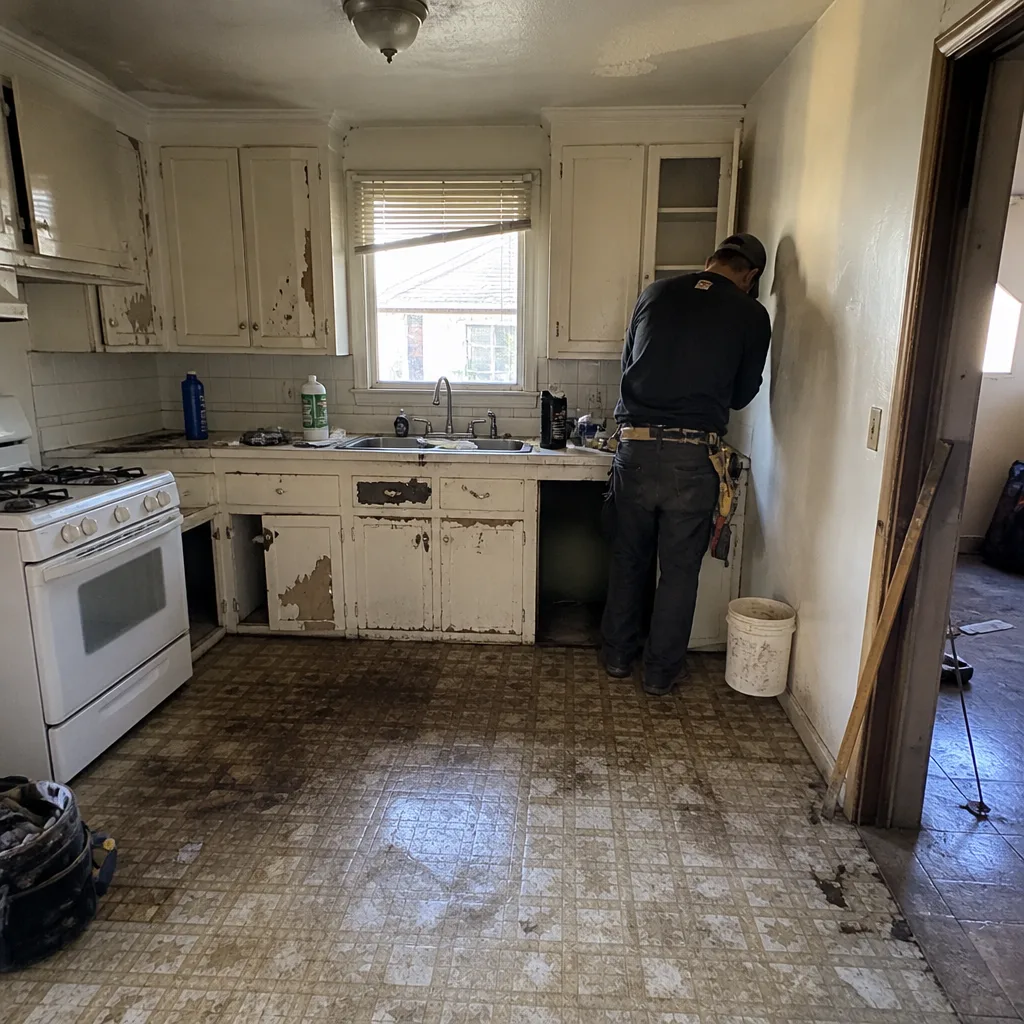 Before
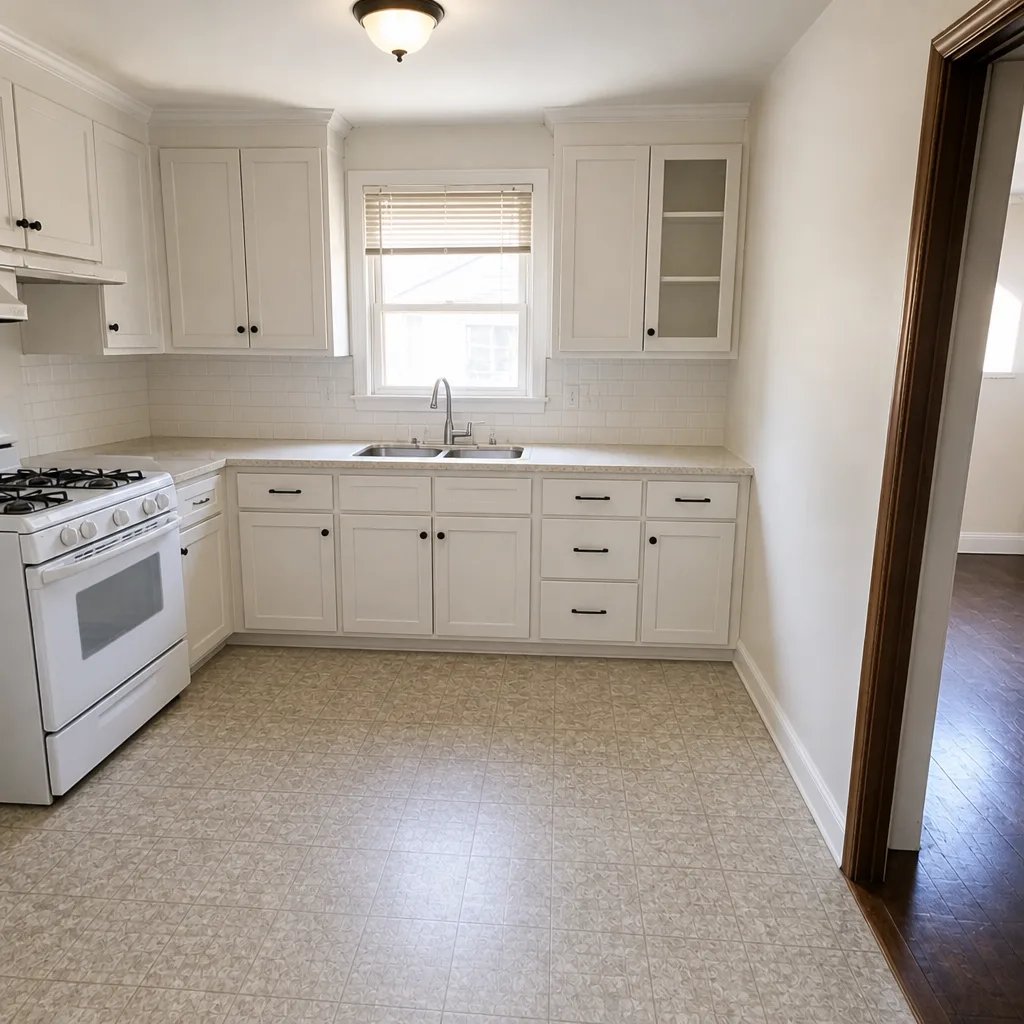 After
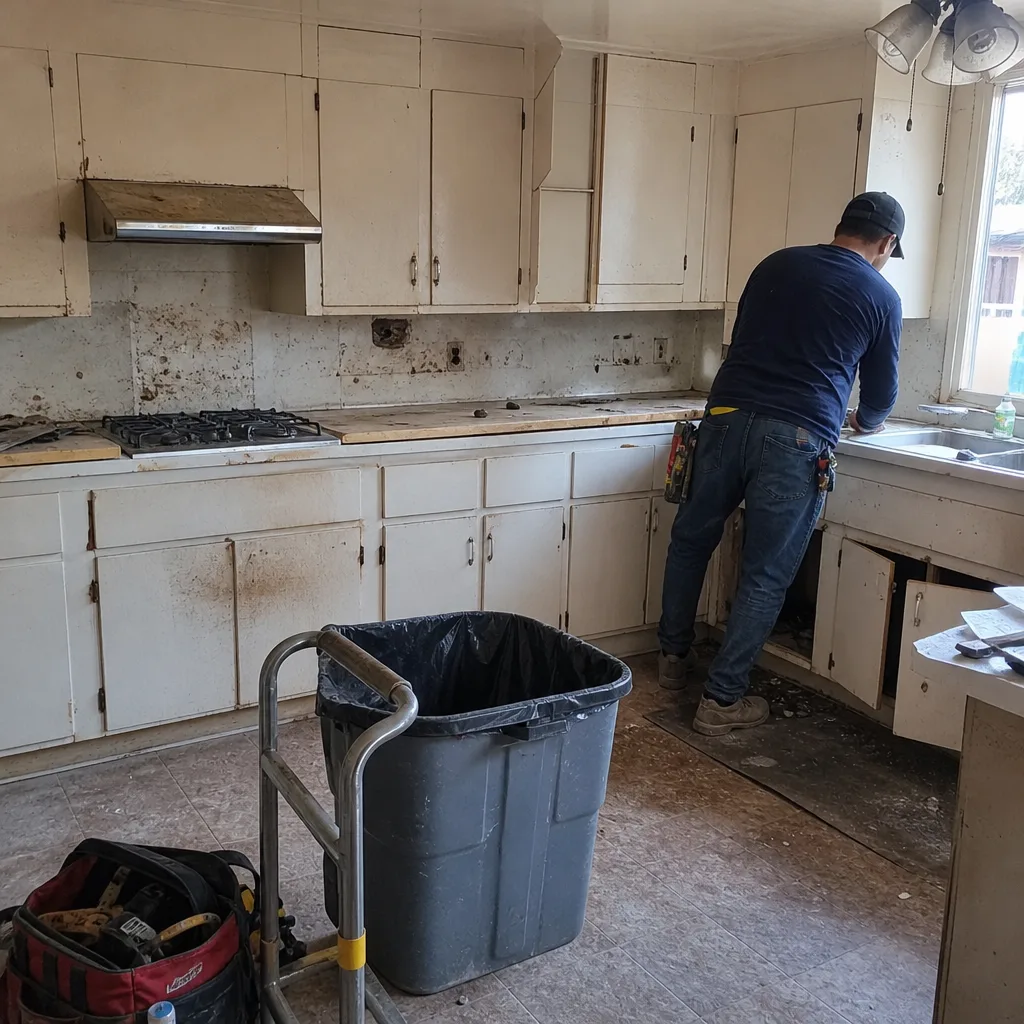 Before
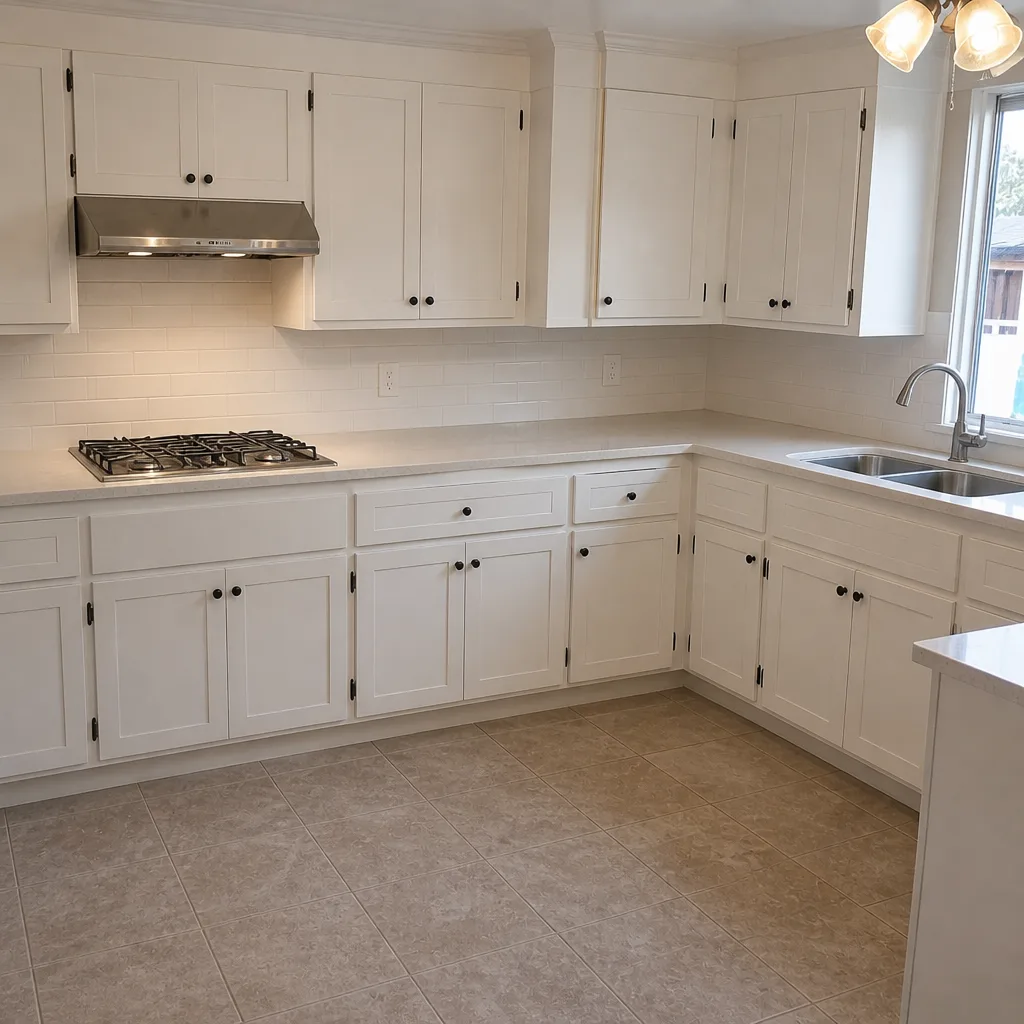 After
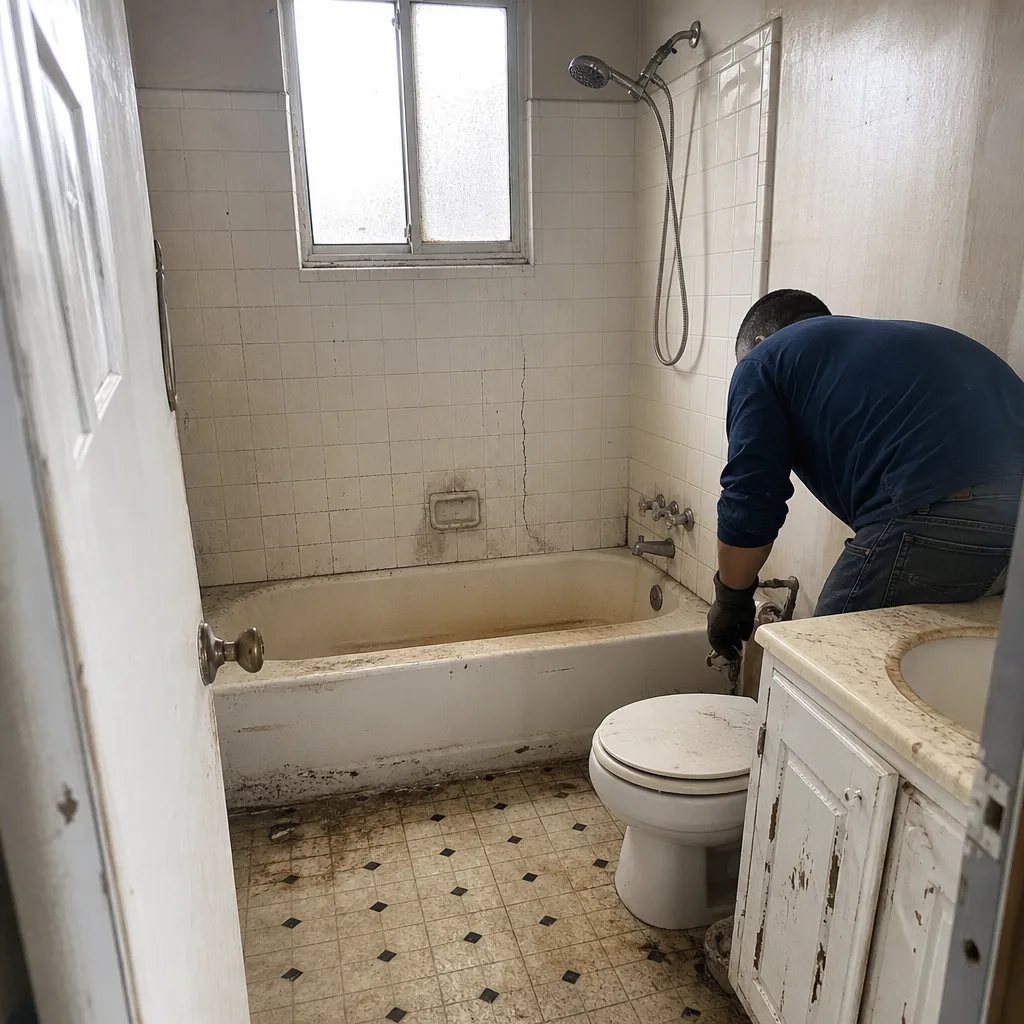 Before
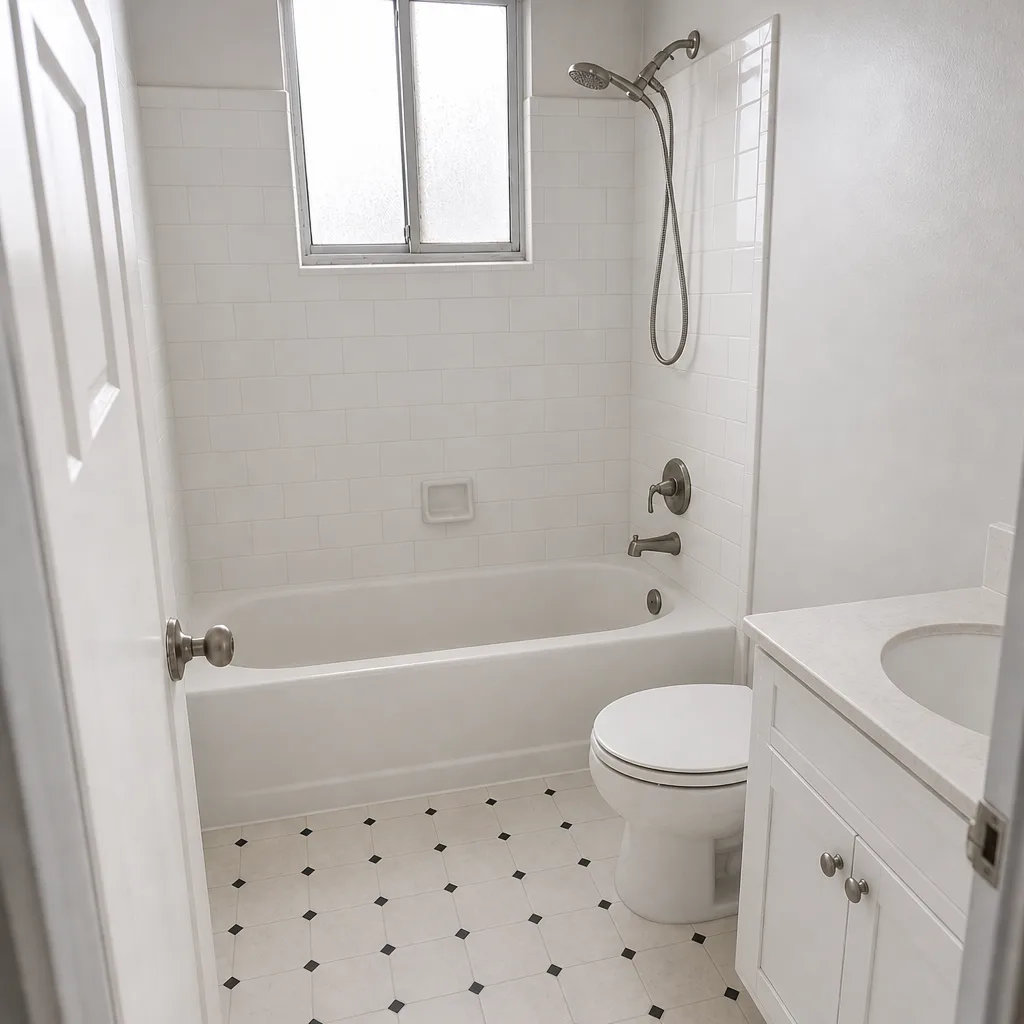 After
When to Call a Professional
Call a professional the moment your plan involves structural work, electrical service changes, plumbing re-routes, or a foundation. These aren’t homeowner-DIY territory, and an error here can fail an inspection and set your whole calendar back by weeks. The same applies if you’re inheriting a project that’s already mid-plan-check with a contractor who’s gone unresponsive, or if you’re buying a property with an unpermitted structure you need brought into compliance. Groundwork Construction Co. of Buena Park offers free estimates in Buena Park, and every project is covered by our 730-Day Done Right Promise. Call (833) 522-5059 to schedule your free estimate, and bring your timeline questions with you.
Frequently Asked Questions
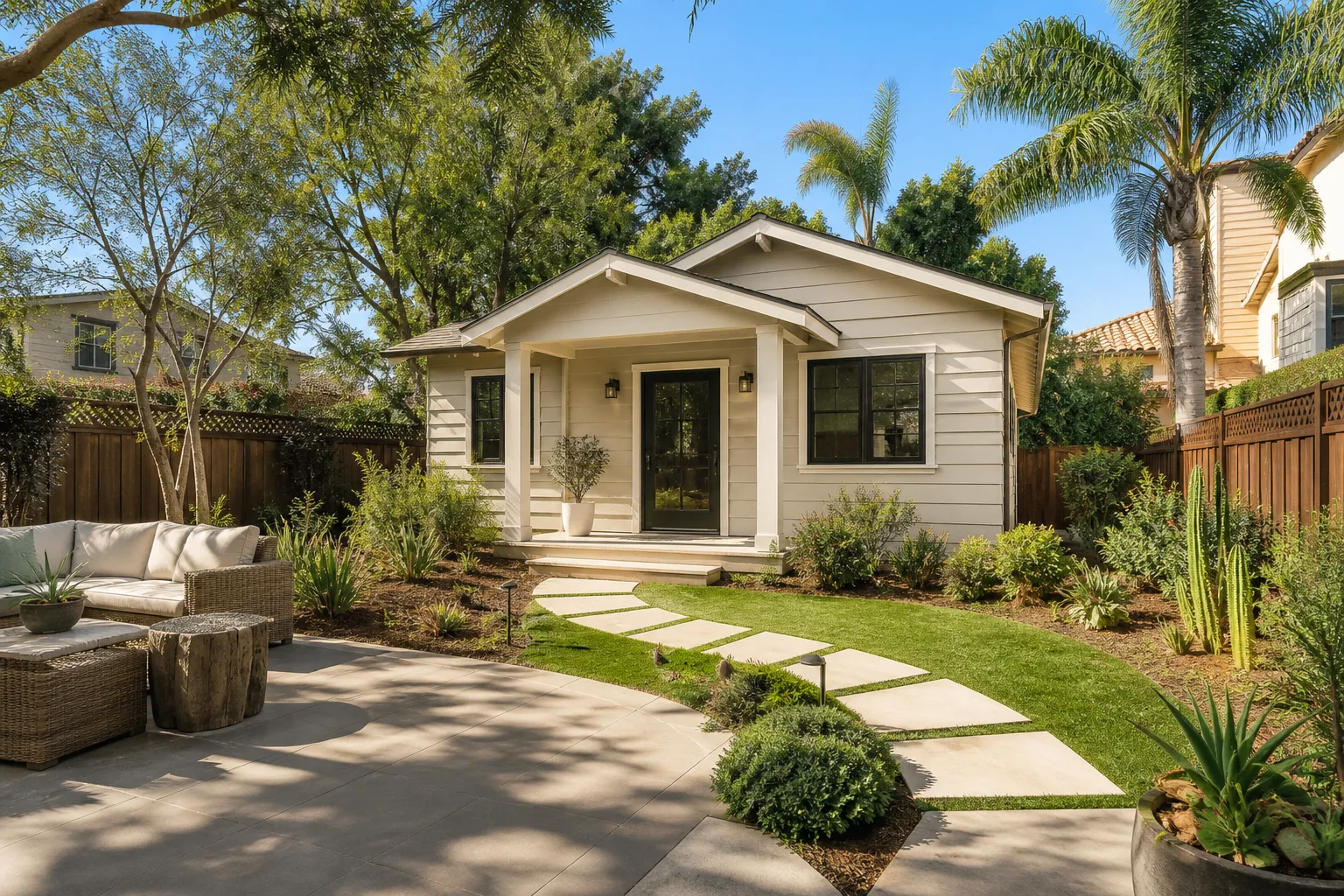
A typical ADU in Buena Park takes 8 to 12 months from signed contract to certificate of occupancy, with 3 to 5 months of that being active construction. A pre-approved plan with a clean lot can finish in 5 to 6 months, and a custom design with structural or utility complications can run 14 to 18 months. Call (833) 522-5059 for an exact quote on your project, because every lot is different.
Buena Park plan check typically runs 4 to 10 weeks depending on the design’s complexity and how many review rounds the city requires. Pre-approved plans move faster because the design review is already done. We track plan check timelines across our Buena Park projects so we can give you a real estimate, not a generic number. Call (833) 522-5059 to talk through your specific plan.
Yes. A pre-approved plan can cut weeks off the design and plan check phases because the city has already reviewed the design. The trade-off is less design flexibility. The fastest projects we see combine a pre-approved plan with early material ordering and early inspection scheduling. Call (833) 522-5059 to compare pre-approved and custom options for your lot.
Framing sits because the inspector’s calendar fills up, and it’s a scheduling bottleneck, not a work-quality issue. You can’t insulate until framing passes, so a two-week wait for a one-hour inspection shows up on your calendar as idle time. The fix is scheduling inspections the moment the prior work is ready, and building inspection lag into the schedule as real time. Call (833) 522-5059 to walk through how we sequence inspections.
Detached ADUs typically take longer on the construction side because they need their own foundation, roof, electrical service, and often a panel upgrade or new sewer connection. Attached additions share existing systems but carry more unknowns when cutting into an existing wall. In our Buena Park projects, detached ADUs tend to have more predictable calendars when utility work is sorted during design. Call (833) 522-5059 for an estimate on either.
No. We quote upfront pricing with no surprises, and the number you see is the number you pay. Mid-project change orders are the top cause of worst-case timelines as well as budget overruns, which is exactly why we lock scope and price before the first inspection. Call (833) 522-5059 for a written, fixed quote on your addition or ADU.
The Bottom Line
The honest answer to “how long does an ADU take?” is 8 to 12 months for a typical Buena Park project, with construction accounting for only 3 to 5 of those months. The rest is design, plan check, permitting, and inspection scheduling, and that’s the part most contractors never put in writing. You can shorten the calendar with pre-approved plans, early material ordering, and inspection scheduling that’s built into the plan from day one. Groundwork Construction Co. of Buena Park writes the whole schedule into the estimate, backs every project with our 730-Day Done Right Promise, and answers the phone 24/7 with a live person. Call (833) 522-5059 to schedule your free estimate.
Written by the team at Groundwork Construction Co. of Buena Park.