Last updated November 18, 2026


Free written scope consultation - allowances, timeline, and change-order rules on paper before a single trade is scheduled
Driveway & Pavers Maintenance Checklist for Buena Park Homeowners
Most paver maintenance guides are written for the Mid-Atlantic or the Pacific Northwest, where soil stays damp and freeze-thaw cycles do the damage. Buena Park doesn’t work that way. Here in Orange County, our clay-heavy soil swells when it’s wet and shrinks when it dries, and that constant movement is what actually pushes pavers out of line, cracks joints, and hollows out the base underneath. Foot traffic and age are secondary. If you follow a manufacturer’s East Coast schedule here, you’ll over-water your joints in summer and skip the dry-season sand replenishment that keeps everything locked together. This checklist is built around how soil and weather actually behave in Buena Park, and it’ll walk you through what to inspect, how often, and when a job is a weekend fix versus a call to a contractor.
Quick Answer
In Buena Park, driveway pavers should be inspected four times a year, with joint sand topped off before summer’s dry heat and again after the winter rains. Because expansive clay soil moves with every wet-dry cycle, the two things that matter most are replenishing polymeric sand in the dry season and checking for lateral shift along the driveway edges after heavy rain. Seal coat should be re-evaluated every 2-3 years in Orange County’s high-UV climate, not the 5-plus years many generic guides suggest.
Styles & brands we work with
- Kitchen remodeling
- Bathroom remodeling
- Home additions & ADU
- Roofing
- Windows & doors
- Driveway & pavers
- Fence
Table of Contents
- Why Buena Park’s Soil Breaks Pavers Faster Than Foot Traffic
- Your Four-Season Maintenance Rhythm
- Joint Sand: Dry Summers vs. Wet El Niño Winters
- Spotting Seal Coat Failure in High-UV Buena Park
- Catching Lateral Shift Before It Becomes a Re-Install
- The DIY Steps That Actually Wreck Pavers Here
- The Walk-Around Inspection Checklist
- Maintenance Fix or Contractor Call? How to Decide
Why Buena Park’s Soil Breaks Pavers Faster Than Foot Traffic
Buena Park sits on some of the most expansive clay soil in Orange County. Walk a few blocks in the older neighborhoods near Dale Street or around the Buena Park Downtown area and you’ll find the same story: soil that takes on water like a sponge during the wet months, then shrinks and cracks through the long dry summer. That movement happens below your pavers, in the base layer and subgrade, and it’s relentless. A paver can be ten years old and perfectly sound while the ground beneath it has shifted an inch to the side.
The failure shows up in predictable ways. Joint sand washes out from below, leaving the pavers loose. Edges start creeping outward or inward. You get a low spot where water pools after a rain, or a slight rise where the clay has heaved. None of that is about how much you drive on the driveway. It’s about the ground doing what clay does when moisture changes.
The practical takeaway is that your inspection should focus on the edges and the base, not just the surface. When we assess a driveway in Buena Park, we’re looking at three things:
- Edge restraint integrity – the border that holds the field pavers in place. Once it fails, lateral creep begins.
- Low spots and ponding – anywhere water collects after a storm tells you the base has moved.
- Joint width changes – joints that have opened or closed unevenly are a sign the pavers are shifting, not settling normally.
If you’re seeing any of these, it’s a base problem, not a cleaning problem. That’s when you want a proper look from an experienced crew rather than another round of sweeping sand. Our Driveway & Pavers in Buena Park page walks through how we build a base that accounts for clay movement from the start.
Your Four-Season Maintenance Rhythm
Buena Park doesn’t have four true seasons, but it does have four distinct moisture and UV phases, and pavers respond to each differently. Here’s the cadence we recommend to homeowners who want a plumber-and-painter-free maintenance schedule that matches local conditions.
Spring (March to May): This is your post-rain damage check. After the last heavy rain, walk the driveway and look for sand loss in the joints, edge movement, and any hollow sound when you tap a paver. Refill joints before the heat arrives.
Summer (June to September): Dry, high-UV, and the season most guides ignore. Joint sand dries, shrinks, and blows away. This is when lateral shift is most likely because the clay is shrinking and the pavers have lost their interlock. Top off sand, sweep it in, and recheck by August.
Fall (October to November): Your pre-winter window. Clear debris from drainage paths, check the seal coat, and make sure no downspouts or irrigation are dumping water onto the driveway. Water concentration is a paver-killer on clay.
Winter (December to February): El Niño years bring concentrated rain. Check for ponding after each storm, refill joints that wash out, and keep the driveway clear of standing water. Don’t pressure wash aggressively during this stretch.
- Inspect the full perimeter and field in early spring.
- Replenish joint sand before summer and again mid-summer.
- Clear drainage paths in autumn.
- Spot-check after every significant rain in winter.
- Evaluate seal coat every 2-3 years, not annually.
- Log any new low spots or edge movement for follow-up.
Joint Sand: Dry Summers vs. Wet El Niño Winters
The single most important maintenance task on Buena Park pavers is keeping joint sand topped off, but the timing depends entirely on the season, and most people get it backwards. In a truly dry Southern California summer, the sun pulls moisture out of polymeric sand and the joints shrink and open up. When they open, the sand underneath blows out and the interlock between pavers weakens. That’s when lateral shift starts. So in Buena Park, you need to replenish sand in June and again in August, not wait until fall.
Contrast that with winter, especially an El Niño year. Rain saturates the joints, and in a healthy, properly-sanded joint the polymeric binder holds. If the sand has been missing since summer, the November rain washes the rest out entirely, and you’re left with bare joints going into the wet months. That’s when the water gets into the base and clay movement does the most damage.
Here’s the seasonal contrast we work to:
- Dry summer: Replenish polymeric sand twice (mid-June and late August). Sweep into joints, mist lightly, let cure. This is your interlock protection.
- Wet winter: Do a post-storm visual check. Refill only washed-out sections, and never sweep sand into standing water – it won’t set properly.
- Either season: Keep sand 1/8 inch below the paver surface, not flush or above. Flush sand gets tracked away and won’t bind.
One neighborhood pattern worth knowing: drives in the older Buena Park areas near the 5 freeway tend to dry faster on the west side and stay damper on the east due to afternoon shade and prevailing wind. That means the sand on one side of the driveway may need a second top-off before the other. Don’t assume a single pass over the whole field.
Spotting Seal Coat Failure in High-UV Buena Park
Concrete pavers in Orange County get hammered by UV. A typical seal coat that a manufacturer advertises for five years in a milder climate may last 2-3 years here, and that difference matters because seal failure is what lets water penetrate the surface and begin to break down the paver itself. Once water gets in, you’re into pitting, efflorescence (the white chalky bloom), and staining that’s much harder to remove.
Look for seal failure in these specific ways:
- Color fading in patches – not uniform, but patchy. That means the film has worn unevenly on the sun-facing side.
- Water no longer beads – pour a small amount of water on an inconspicuous spot; if it soaks in rather than beading, the seal has failed.
- Dull or chalky appearance – common on high-traffic entry paths where UV and traffic combine.
- Hairline cracking – tiny fissures in the seal film let water in. If you see them, reseal before the next rain.
In Buena Park we see the fastest seal breakdown on south- and west-facing driveways and on any surface that gets full afternoon sun around the Buena Park Mall and Beach Boulevard corridor. North-facing drives under tree cover hold seal longer. Plan resealing every 2-3 years for sun-baked drives and every 3-4 years for shaded ones, and always reseal before the rainy season, not after.
Catching Lateral Shift Before It Becomes a Re-Install
Lateral shift is the slow creep of pavers sideways, and on clay soil it’s the biggest threat to a Buena Park driveway. It’s not a cosmetic issue. It means the edge restraint or base has started to fail, and once pavers move beyond roughly 1/2 inch out of their original position, the interlock between them is gone, and the fix is no longer a maintenance matter. That’s when a re-set or re-install becomes necessary.
The good news is you can catch shift early, and you should look at it after every heavy rain, not just at the dry-season check.
- Walk the full perimeter and look down the line of pavers from one end to the other – you’ll see the line wander before you notice individual pavers.
- Check the edge restraint: is the border paver still tight against the restraint, or has it started to pull away?
- Tap along the edges with a screwdriver handle – a hollow sound means the base is failing under that paver.
- Look for joints that have narrowed in one area and widened in another. That’s the direction of movement.
- Measure from a fixed point (like a wall or the garage door threshold) to the first row of pavers and note the distance. Check it again next year – if it’s changed, shift is happening.
If you catch shift at 1/4 inch, you can often save the driveway with a proper edge restraint repair and re-sanding. If it’s hit 1/2 inch or more, the pavers need to be lifted and re-laid, because the base has moved and just pushing them back won’t hold. That’s the threshold we use in Buena Park.
The DIY Steps That Actually Wreck Pavers Here
Some DIY maintenance is fine. Some actively accelerates degradation in this climate, and homeowners don’t always realize which is which. Here are the ones we see do the most damage in Buena Park.
Pressure washing too close. A pressure washer with a wand held close to the surface can blast joint sand out of the joints in seconds, and it can erode the top of the paver if you linger. If you must wash, use a wide fan tip, low pressure, and keep the wand at least 12-18 inches away. Even then, plan to re-sand afterward. Better yet, avoid pressure washing during the wet months when the joints are already stressed.
Vinegar-based and acidic cleaners. These pop up in every “natural cleaning” recommendation, but on concrete pavers in Buena Park they can etch the surface and degrade the seal coat. The sun and the clay are already working against the surface; don’t add acid. A pH-neutral cleaner and a soft brush is what you want.
Skipping sand because the joints look fine. In dry summer weather, the surface can look intact while the sand underneath has already blown away. Look at the joint depth, not just the surface.
Sealing without cleaning. Seal over dirt or efflorescence and you trap it. That means a permanent blotchy finish. Always clean, dry, and re-sand before sealing.
Weed killer near joints. Many of the common products are acidic or leave salt residue that breaks down polymeric sand. Pull by hand, and use a targeted treatment only on a properly-sanded joint, avoiding the sand itself.
For a broader picture of how these maintenance items fit into a full hardscape build, our Groundwork Construction Co. of Buena Park home is a good place to start.
The Walk-Around Inspection Checklist
This is the list to actually use. Print it, walk it once a season, and keep a small notebook of any changes so you can tell whether a problem is progressing. Fifteen minutes per pass is plenty for most driveway sizes.
- Perimeter check – walk the full edge; note any bordered paver that’s pulled away from its restraint.
- Stone line check – look down the long lines of pavers; note any wander in the line.
- Joint depth check – look at the joints from a low angle; if the sand is more than 1/8 inch below the surface, top it off.
- Low spot check – pour a small cup of water in various spots after a rain, note where it pools. Any spot that still holds water 30 minutes after rain stops needs attention.
- Hollow tap check – tap along edges and near the garage door with a screwdriver handle, listen for hollow sounds.
- Seal bead check – on a small spot, pour water and watch for beading versus soaking in.
- Efflorescence check – scan for white chalky bloom, usually worst after wet weather.
- Drainage check – clear leaf debris from gutters, downspouts, and any yard drains that dump near the driveway.
Take a photo of the same spots each season. Comparing across seasons is how you tell a maintenance issue from a developing base problem.
Maintenance Fix or Contractor Call? How to Decide
For most Buena Park homeowners, the hardest question is whether a paver problem is a weekend chore or a professional repair. The dividing line is base movement. Cosmetic and joint issues are maintenance. Anything that indicates the pavers or the base beneath them have moved is a contractor call, because a repair that only addresses the surface won’t hold on clay soil.
Maintenance fixes you can do yourself:
- Joint sand washed out – top off with polymeric sand, sweep in, mist lightly, cure.
- Weeds in joints – pull by hand, re-sand the joint afterward.
- Mild surface staining – pH-neutral cleaner and soft brush.
- Small chips on the surface of a single paver – epoxy or stone repair for an isolated cosmetic issue.
Contractor calls:
- Lateral shift of 1/2 inch or more, or visible line wander along any edge.
- A door of edge restraint broken or pulled away.
- Visible ponding that hasn’t resolved after 30 minutes post-rain.
- A whole section of pavers rocking or hollow-sounding.
- Repeated joint sand loss in the same spot after each refill.
If you’re seeing more than one of the contractor-call items, it’s worth having an experienced eye look before the next wet season. This is also the stage where homeowners planning broader yard and access work often pair the paver fix with a Fence Installation in Buena Park or an ADU plan that changes drainage across the driveway, since water paths shift once you add a structure. Our Home Additions & ADU in Buena Park page walks through how we plan drainage before we build.
Common Mistakes to Avoid
- Following Mid-Atlantic maintenance schedules. Books and manufacturer guides written for wetter climates tell you to sand once a year and seal every five. That over-waters the joint in July and leaves bare joints going into a wet Buena Park winter.
- Pressure washing the whole driveway every spring. It’s the most common self-inflicted damage we see. Blasting sand out of the joints at the start of the dry season is exactly the wrong timing – you’ve just removed your interlock right before the sun shrinks the joints further.
- Sealing over a dirty or damp surface. In high UV, the trapped dirt or moisture shows up within a single season. Seal only a clean, fully-dry driveway, and re-sand before you seal.
- Assuming a hollow sound is just settling. Settling is uniform and doesn’t get worse. A hollow sound in one spot, worsening over seasons, is base failure under the clay. That’s a benchmark problem, not a paver problem.
- Skipping the post-rain check in winter. The 24 to 48 hours after a real rainstorm in Buena Park tells you more about the driveway than a whole dry month does. That’s when the sand losses, edge movement, and ponding show up all at once.
- Using acid-based cleaners for efflorescence. It’s tempting because acid does remove the white bloom, but on concrete pavers it can etch the surface and break down the seal. Efflorescence itself often resolves after a few dry cycles; clean it gently and reseal at the right time.
- Ignoring a wandering paver line because the pavers look fine individually. Lateral shift is a whole-line problem, and the line tells you first. A single wobbly paver is usually cosmetic; a whole row of them wandering is a base problem.
See the difference
 Before
 After
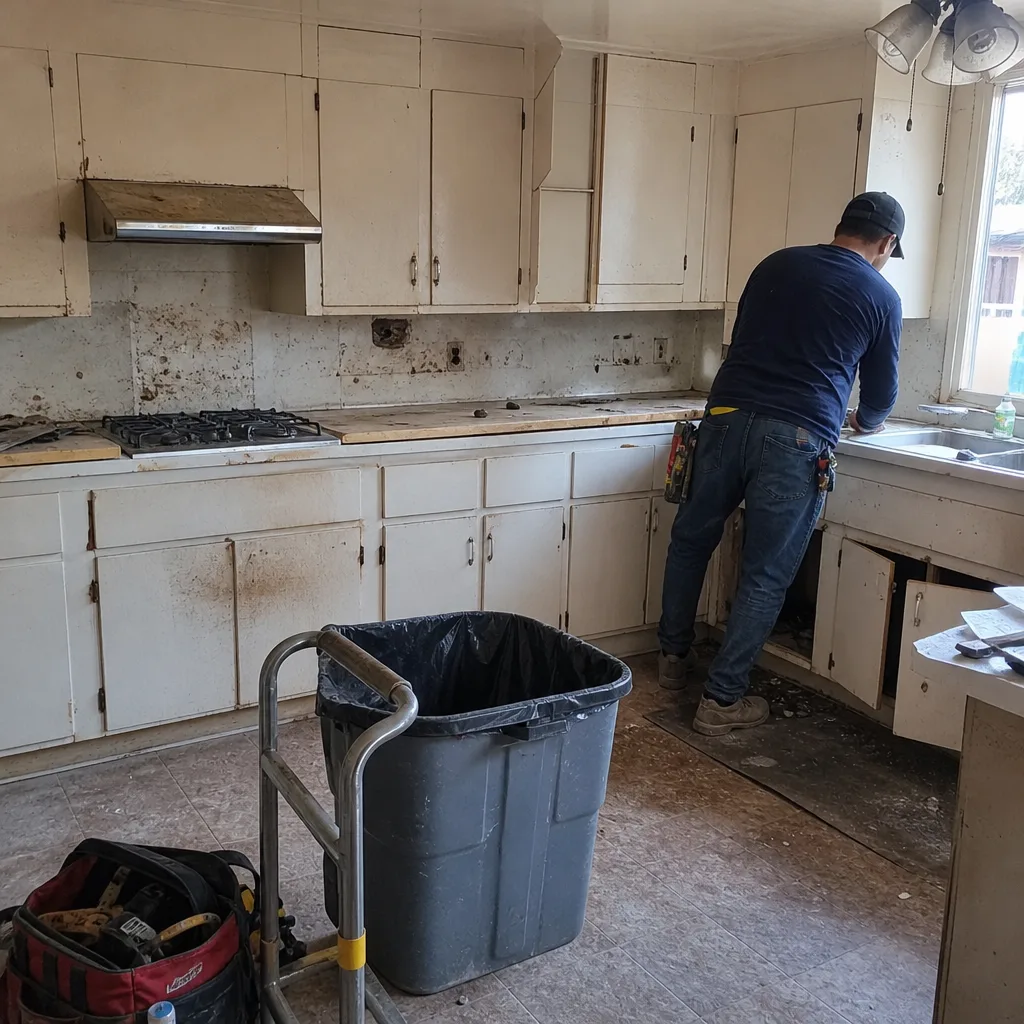 Before
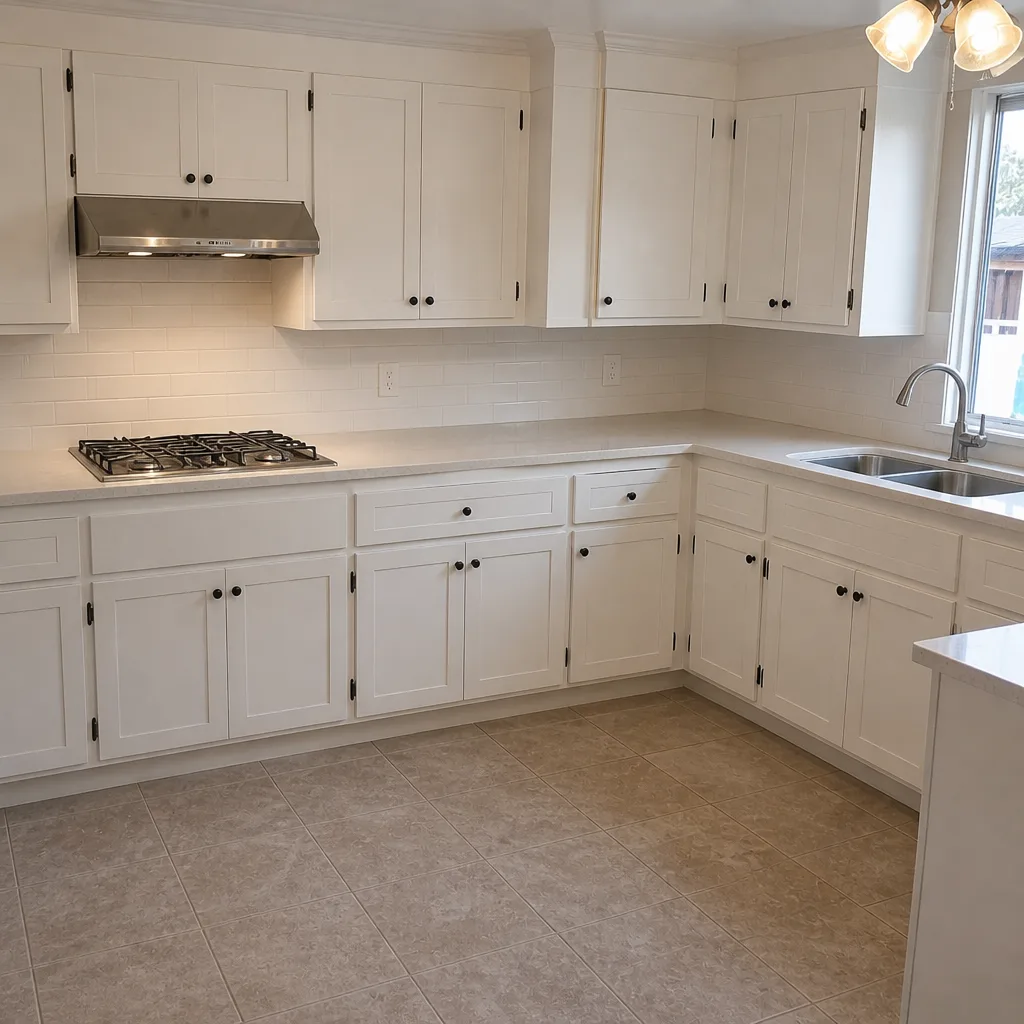 After
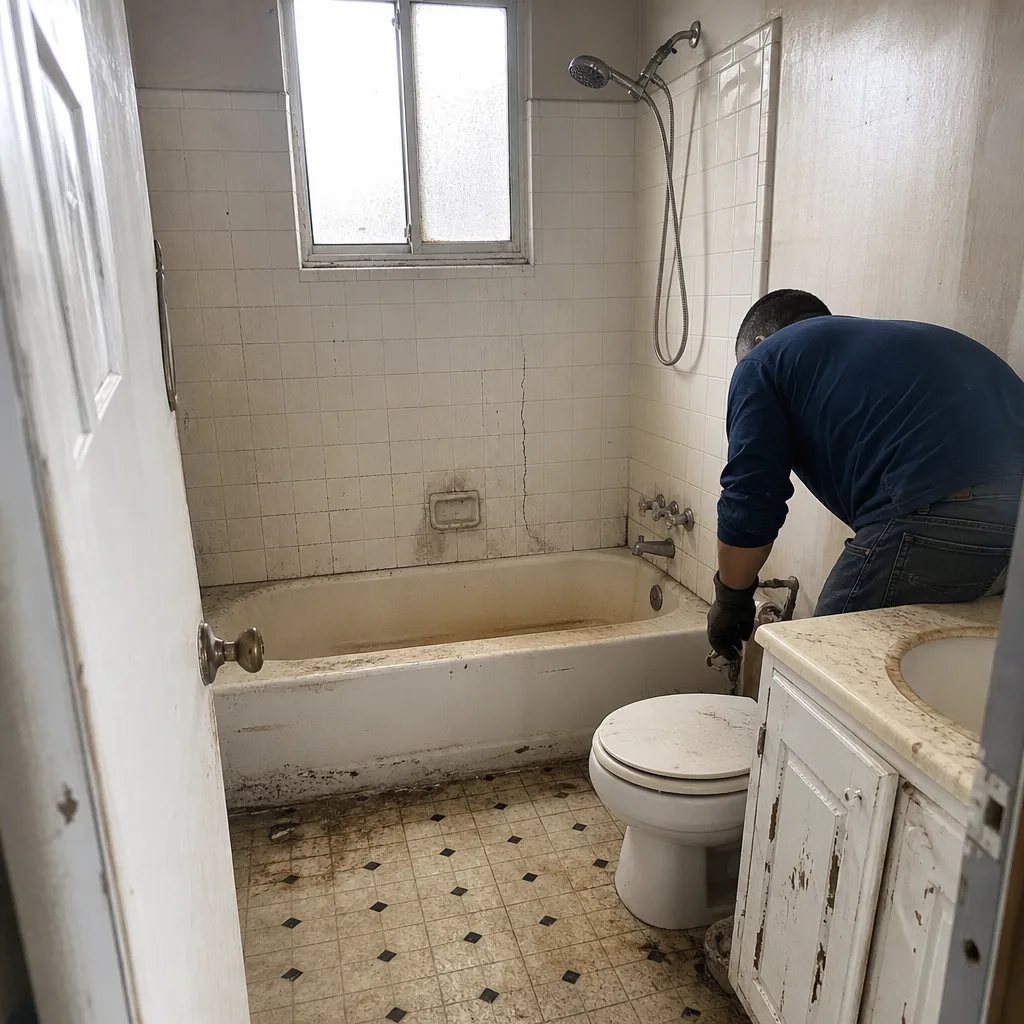 Before
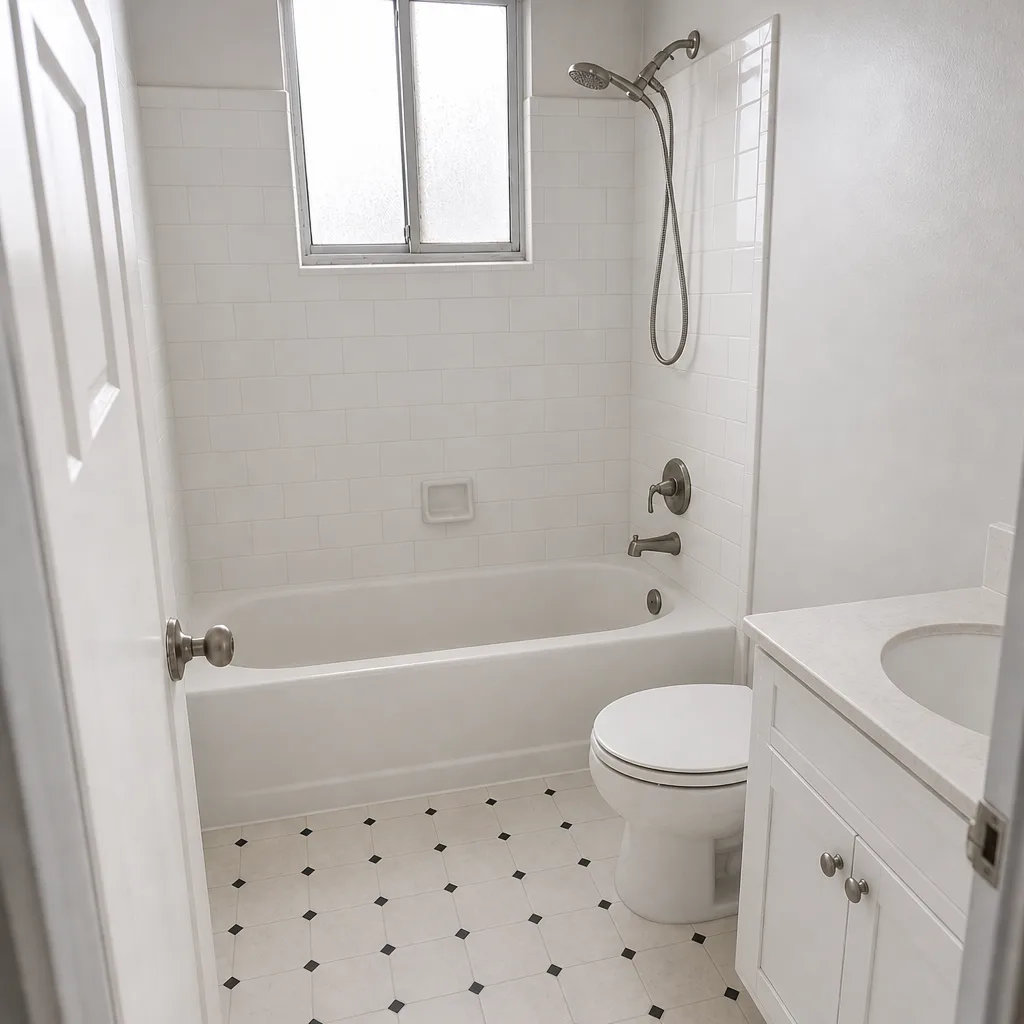 After
When to Call a Professional
Call us when you see lateral shift of 1/2 inch or more, a broken edge restraint, or ponding that doesn’t resolve after a rain. Call us if joint sand keeps washing out of the same spot after each refill, if a section of pavers rocks when you walk on it, or if an existing seal has cracked or failed ahead of the rainy season. We also get the call when a homeowner is planning a fence, an ADU, or a new driveway and needs to coordinate drainage, base, and hardscape with the rest of the project, so the pavers aren’t fighting a path of water. Groundwork Construction Co. of Buena Park offers free estimates in Buena Park – call (833) 522-5059. Our technicians have up to 12 years of experience, and every project is covered by the 730-Day Done Right Promise.
Frequently Asked Questions
Twice during the dry season (mid-June and late August), plus spot-fill any washed-out joints after heavy winter rain. Buena Park’s expansive clay soil shrinks in summer and swells in winter, so the joint needs fresh sand before the dry heat opens it up and again after the wet months if any has washed out. Skipping the mid-summer top-off is what leads to lateral shift on Buena Park driveways. Call (833) 522-5059 for a free estimate if the joints are beyond a simple top-off.
A typical residential paver driveway reseal in Buena Park runs in a range that depends on square footage, seal type, and prep work like re-sanding. The prep is often the larger variable – a clean, well-sanded surface reseals for a modest amount, while one that needs re-sanding and efflorescence removal adds to the total. We write line-item quotes so you see exactly what’s labor and what’s material. Call (833) 522-5059 and we’ll come look at the driveway and give you an exact number – estimates are free.
The dividing line is base movement. If the pavers themselves are sound and the joints just need sand, that’s maintenance. If the pavers have shifted laterally by 1/2 inch or more, if the edge restraint is broken, or if you have ponding that doesn’t resolve after a rain, the base has moved and re-setting the pavers won’t hold on Buena Park clay without building a proper base underneath. Lateral shift is never just a cosmetic issue even when it looks minor.
You can, but only with a wide fan tip, low pressure, and the wand held at least 12-18 inches away – then plan to re-sand afterward. Pressure washing close to the joint is one of the fastest ways to remove your polymeric sand and start lateral shift. In Buena Park, we’d avoid pressure washing during the wet winter months when the joints are already stressed, and never as a substitute for re-sanding.
Cosmetic repairs (re-sanding, resealing, single paver replacement) generally don’t require a permit. Full driveway replacement, or any work that changes the property line or crosses the public right-of-way, typically does require a permit and inspection from the City of Buena Park. If you’re adding a hardscape element that changes drainage patterns, it’s worth checking before you start. We pull the permits and pass the inspections on full-scope work, and the technician who shows up is background-checked and uniformed.
A properly built paver driveway on a sound base in Buena Park should last decades, but “properly built” is the whole point. On clay soil, a driveway installed without accounting for the swell-shrink cycle can show failure within a few years. Well-built installs can last much longer with regular seasonal maintenance – mainly joint sand and re-sealing – and a 730-Day Done Right Promise on workmanship backs every job we do. If you’re unsure how your current driveway is holding up, our paver experts in Buena Park can give you an honest read.
The Bottom Line
Buena Park pavers don’t fail from foot traffic. They fail from clay soil movement, and the maintenance schedule that prevents that failure is different from the generic guidance you’ll find online. Inspect four times a year, top off joint sand twice in the dry season, reseal every 2-3 years in Orange County’s UV, and always catch lateral shift while it’s measured in quarters of an inch rather than inches. If you see the signs of base movement – wandered lines, a broken edge, ponding that won’t drain – an experienced contractor should look before the next wet season. Straight answers, upfront pricing, and the 730-Day Done Right Promise back every job we do in Buena Park. Call (833) 522-5059 for a free estimate, 0% financing for 18 months on qualifying projects, and $1,000 off projects over $10,000.
Written by the team at Groundwork Construction Co. of Buena Park.