Last updated November 18, 2026




Free written scope consultation - allowances, timeline, and change-order rules on paper before a single trade is scheduled
Construction Permits, Codes & Inspections in CA: What You Need to Know
Here’s the part nobody tells you at the kitchen table: the scariest thing about unpermitted work in California isn’t a fine. It’s what happens years later. Your insurer can deny a claim tied to work that was never inspected. Your buyer’s agent can demand the work be torn out during escrow. And because California requires sellers to disclose known unpermitted improvements, you may have to hand the buyer a document that says, in effect, “we don’t know if this is safe.” In our experience around Buena Park, the permit file is the single most powerful protection a homeowner has over a contractor – and it costs far less than a failed foundation. This guide walks through what needs a permit in California, how Title 24 energy rules get triggered, what inspections actually look like for an addition, how to check permit history on any home, and why it matters whose name the permit is pulled under.
Quick Answer
In California, most structural, electrical, plumbing, and mechanical work requires a permit – including additions, ADUs, kitchen and bathroom remodels that move walls or fixtures, roof replacements, window replacement, and panel upgrades. Minor cosmetic work like repainting, refacing cabinets without changing plumbing or wiring, and replacing a like-for-like fixture generally doesn’t. Permits are issued by your city or county building department, and the work must be inspected at code-defined stages before you can close the permit out. The permit isn’t paperwork for the contractor’s convenience; it’s the record that makes the work insurable, sellable, and enforceable.
Styles & brands we work with
- Kitchen remodeling
- Bathroom remodeling
- Home additions & ADU
- Roofing
- Windows & doors
- Driveway & pavers
- Fence
Table of Contents
- Why California Permits Actually Protect the Homeowner
- What Needs a Permit in California – and What Doesn’t
- How to Verify Permit Requirements in Buena Park and Any California City
- Title 24 Energy Compliance: The Hidden Trigger in Remodels
- The Inspection Sequence for a Typical Addition or ADU
- What a Failed Inspection Really Means for Time and Money
- How to Pull Permit Records on Any California Home
- Whose Name Should the Permit Be In?
Why California Permits Actually Protect the Homeowner
A building permit is a legally binding record that a specific contractor was responsible for a specific scope of work on your property on a specific date. That chain matters when something fails. Without it, you’re left with a handshake, a receipt, and a phone number that may no longer work.
For anyone planning meaningful work in Buena Park – a real kitchen overhaul, a new ADU over the garage, a roof replacement on an older ranch home – the permit is the difference between “protected” and “on your own.” Three concrete ways California’s permit system backs the homeowner:
- Insurance leverage. Most homeowner policies exclude damage arising from unpermitted structural or mechanical work. If a water heater installed without a permit floods your subfloor, the claim gets complicated fast. If a kitchen electrical circuit wasn’t permitted and an outlet starts a fire, your insurer’s adjuster will ask for the permit record before they write a check.
- Sale leverage. California’s Transfer Disclosure Statement requires a seller to disclose known unpermitted work. Buyers’ agents in Buena Park regularly walk away from homes with unpermitted additions, and lenders may refuse to fund a loan if the appraiser flags a finished room not in the county records.
- Enforcement against the contractor. The Contractors State License Board (CSLB) can discipline a licensed contractor for abandoning a permitted job or performing work outside their license class. Without a permit, the CSLB’s leverage against a bad contractor shrinks dramatically.
We’ve seen this play out in Buena Park neighborhoods more than once: a homeowner inherits an unpermitted converted garage, tries to sell in a hot market, and discovers the “bonus room” is legally worth zero square footage. The permit record is the thing that would have fixed it – and it can’t be created retroactively without going through the same inspection process a real project would have gone through the first time.
What Needs a Permit in California – and What Doesn’t
California’s permitting rules aren’t one uniform code; each city adopts and amends the model codes. But the broad patterns are consistent across most of Southern California. Here’s what to expect in Buena Park and anywhere similar.
Always permit-required in California
- New construction, additions, and any structural change (removing a wall, adding a beam, new foundation work)
- Accessory Dwelling Units (ADUs) and Junior ADUs – and note that SB 9 / SB 897 have streamlined the state rules, but you still need local permits and inspections
- Roof replacements (not just re-shingling – any full tear-off and replacement)
- Window and door replacement where the opening size or framing changes; many California cities also require a permit for like-for-like window replacement due to Title 24
- Electrical panel upgrades, new circuits, EV charger installs, and subpanel work
- Water heater replacement (including tankless conversions), repipe, and gas line changes
- HVAC system replacement and ductwork changes (Title 24 again)
- Bathroom and kitchen remodels where plumbing, electrical, or mechanical is moved or added
- Pools, spas, patios over 200 sq ft, retaining walls over 4 ft, and most hardscape that changes grading or drainage
- Demolition of any structure over a set square footage
Generally exempt in California
- Interior and exterior paint, siding repair that doesn’t change framing
- Cabinet refacing, new countertops over existing cabinets with no plumbing or electrical moves
- Flooring replacement (including tile over existing slab)
- Like-for-like fixture swaps (faucet, toilet, light fixtures) with no new rough-in
- Fence installation under 6 ft for side and rear (front-yard fences and taller fences vary by city)
- Minor repairs to existing permitted structures that don’t change the structure
That fence line is worth flagging – if you’re planning a new fence in Buena Park, height, setback, and materials all get checked against city code, and our team can walk you through what applies to your lot before you order material. You can see how we approach that scope on our Fence Installation in Buena Park page.
The key rule of thumb: if the work involves structure, water, gas, or electricity, assume it needs a permit until a licensed professional and your city’s building department say otherwise. A contractor who shrugs and says “we’ll just do it” when you ask about a permit is telling you something about how the rest of the job will go.
How to Verify Permit Requirements in Buena Park and Any California City
You don’t need to trust a contractor’s word about what needs a permit. Every California city has a building department with a public-facing portal or walk-in counter, and a five-minute lookup will tell you what’s required for your scope. Here’s what we tell homeowners to do before they sign anything.
- Search “[your city] building permit requirements” and land on the official .gov or city domain. In Buena Park, that’s the city’s Community Development / Building & Safety page. Avoid the third-party sites that look official – they’re ad-driven and often out of date.
- Find the permit application or checklist for your specific scope. Cities publish submittal checklists for ADUs, kitchen remodels, re-roofs, and solar separately. If your scope has a checklist, it has a permit.
- Call the building department’s permit counter and ask. You’ll usually get someone in five minutes who can confirm your address’s zoning and whether your project triggers a specific plan check.
- Ask whether your property is in a specific overlay (historic, coastal, hillside) that adds additional review. Buena Park homes near the historic core or in specific parcels can face extra review that ranks projects weeks slower than a standard submittal.
- Check the permit portal’s fee schedule. Cities publish per-square-foot and valuation-based fee tables. Knowing the permit fee up front tells you what your contractor’s bid should include.
For a project like a driveway replacement or new pavers, whether a permit is required depends on grade change and drainage impact – which is one reason a reputable paver contractor will check your lot’s grading plan before digging. Our Driveway & Pavers in Buena Park team handles that with the city directly when a permit is needed.
Title 24 Energy Compliance: The Hidden Trigger in Remodels
Title 24 is California’s energy code, and it’s the reason a “simple” remodel can suddenly get more expensive. Whenever your project touches the building envelope – windows, doors, insulation, HVAC, water heating, lighting – Title 24 requirements kick in and the inspections get more specific. This catches people by surprise.
What remodels typically trigger
- Window replacement. All replacement windows in California must meet Title 24’s U-factor and Solar Heat Gain Coefficient (SHGC) requirements for your climate zone. Buena Park sits in Climate Zone 8, which means window specs differ from a home in Pasadena or San Diego. A contractor who orders windows from a national catalog without checking zone-specific specs is setting you up for a failed final inspection.
- HVAC replacement. New HVAC systems usually require duct testing, a refrigerant charge verification, and compliance with minimum efficiency standards. You’ll typically need a HERS (Home Energy Rating System) rater to sign off – that’s a separate inspector, not the city.
- Insulation and air sealing. When you open a wall for a remodel, code may require you to bring the insulation and air sealing up to current Title 24 standards in that cavity.
- Water heating. Tankless and heat pump water heater installs have specific venting and efficiency compliance paperwork.
- Lighting. Kitchen and bathroom remodels trigger high-efficacy lighting requirements – nearly all new fixtures must be LED or equivalent.
The practical consequence: a $30,000 window replacement project in Buena Park can’t be priced accurately unless the contractor is choosing windows for Climate Zone 8 and knows which product lines carry Title 24 compliance certificates. We specify Andersen and Marvin replacements specifically because their compliance documentation is clean and their zone-specific glazing options are well-defined – which means inspections pass on the first walk. If you’re pricing windows, get the spec sheet before you sign.
The Inspection Sequence for a Typical Addition or ADU
One of the most common questions we get in Buena Park is “how long will this take?” The honest answer for a permitted addition or ADU involves the inspection sequence, which city inspectors control the pace of. Here’s the standard sequence a typical 500 sq ft addition or detached ADU will go through.
- Plan check and permit issuance. Submit plans, respond to plan-check comments, pay fees, receive permit. Expect 4 – 10 weeks depending on city queues.
- Pre-construction / site inspection. Some cities require a pre-grade or site verification inspection before you dig.
- Foundation inspection. Rebar, formwork, and under-slab plumbing are inspected before concrete is poured. No pour until the inspector signs off.
- Rough framing. After the frame is up and before insulation and drywall, the structural framing, shear nailing, and any hold-downs are inspected.
- Rough electrical, plumbing, and mechanical. These often happen as a combined “rough trade” inspection – wires in walls, pipes pressurized, ducts connected.
- Insulation and Title 24 compliance. Wall and ceiling insulation are inspected, and HERS testing is scheduled for HVAC and ductwork if applicable.
- Drywall and interior finishes. Drywall is inspected for screw pattern and fire-rated assemblies before finish.
- Final inspection. Everything is verified, the permit is signed off, and the record is closed with the city.
For an ADU, the city will also require a separate utility connection inspection (water, sewer, and electrical meter), and in Buena Park that step is scheduled through the local utility after the building department’s final sign-off. We’ve seen ADU timelines stretch 4 – 6 weeks past schedule simply because the homeowner didn’t realize utility hookup inspections book separately. When we coordinate this scope on a Home Additions & ADU in Buena Park, the schedule includes those external inspections from day one.
What a Failed Inspection Really Means for Time and Money
A failed inspection isn’t a catastrophe – it’s a parking ticket, not a tow. Most of what fails on the first walk is small and fixable in days. But you should know what it costs before it happens.
What typically fails
- Missing or improper shear nailing on framing
- Title 24 duct sealing that isn’t verified by the HERS rater before the framing inspection
- Electrical grounding and panel bonding details
- Incorrect window U-factor or SHGC documentation not on site
- Gas line pressure test not performed or recorded properly
What it costs in time and money
Most cities charge a re-inspection fee for the second trip – typically in the $60 – $150 range. The real cost is schedule: a re-inspection usually books 3 – 10 business days out, so a failed frame inspection pushes a project by roughly a week, and a failed final can push it two to three. If a project has multiple inspections (framing, rough trades, drywall, final) and each fails once, a homeowner can lose three to four weeks of schedule.
The way to prevent this is not to hope the inspector is forgiving. It’s to specify self-inspection and pre-inspection by the general contractor before the city is called. Our team walks every project through an internal pre-inspection checklist two days before the city inspection – if a detail isn’t right, we catch it before the inspector does, and the city’s record stays clean. That’s the practice, and it’s part of why our 730-Day Done Right Promise holds up on inspection-heavy scopes; if we pass the inspection and something fails two years later, we make it right.
How to Pull Permit Records on Any California Home
Whether you’re buying or already own, knowing the permit history of a home is one of the highest-leverage checks you can do for under $50. Here’s the process.
- Log on to your city’s online permit portal. Buena Park, like most California cities, has a searchable permit database by address (some use third-party tools like Accela or CSS). Search the APN (Assessor’s Parcel Number) rather than the street address – it’s more reliable across name variations.
- Pull the assessor’s building record. Your county assessor’s site lists the official square footage, bedroom and bathroom count, and year of the last recorded permit. Compare this against the listing sheet, the tax record, and what the appraiser measured. A discrepancy is worth investigating.
- Request the permit history from the building department. Many cities will email a permit history report for a fee in the $10 – $40 range. It lists every permit ever pulled at that address and its final status (open, expired, finaled, void).
- Look for open permits. An “open” permit that was never finaled is a red flag – it means work was started and never inspected to completion. This happens on remodels where the contractor left and the homeowner never followed up.
- Do a site visit with the building inspector if you’re buying. Some cities will send an inspector for a “record verification” visit at your request – you’ll get a written statement about what’s permitted and what isn’t. It’s one of the cheapest pre-offer checks available.
Unpermitted additions discovered during escrow in Buena Park are common in older homes near the downtown corridor and along the Beach Boulevard spine, where decades of DIY garage conversions and patio enclosures have accumulated. Don’t assume it will “just sell.” Do the lookup.
Whose Name Should the Permit Be In?
Here’s a nuance most homeowners miss. When a contractor pulls a permit under the homeowner’s name (some do this so the permit looks “owner-builder”), the contractor effectively shifts liability. The permit becomes the owner’s responsibility, not the contractor’s, and the CSLB’s ability to discipline the contractor shrinks. When the contractor pulls the permit under their own company name and license, they’re legally on the hook for code compliance for the life of the permit and beyond.
What each looks like
- Contractor pulls the permit under their license: The record shows “Groundwork Construction Co. of Buena Park, Lic. #XXXXXXX” as the contractor of record. This is the standard for hired work. The contractor is responsible for the inspections, the final sign-off, and the code compliance of the work.
- Owner-builder permit: Legally allowed only when the owner is performing the work themselves or acting as their own general contractor with no licensed contractor on the job. In practice, some contractors ask the homeowner to pull an owner-builder permit to avoid their own plan-check burden and to keep their insurance and bond exposure down. That’s a red flag – it shouldn’t be requested on a job with a licensed general contractor involved.
- Subcontractor permits: A licensed electrician or plumber can pull permits in their own name for their trade scope. That’s fine, and it’s how trade-specific work is often filed. But the general contractor should still hold the primary permit for the project.
Before you sign a job that requires permits, ask one question: “Will the permit be in your company’s name and license, or mine?” If the answer is “yours,” walk away. The 730-Day Done Right Promise we offer only makes sense if we’re the permit holder of record, because that’s what gives us both the accountability and the ability to fix anything that goes sideways.
Common Mistakes to Avoid
- Trusting a verbal “we’ll handle the permit.” Ask for the permit number before day one of work. If your contractor can’t produce it, they haven’t pulled it. In Buena Park we’ve seen work started on a handshake and finished under a stop-work order six weeks later.
- Letting the contractor pull the permit in your name. An owner-builder permit strips most of your legal recourse if something goes wrong. This is the single most expensive mistake homeowners make in California.
- Skipping window spec checks for Title 24. A contractor who orders “the same window as the neighbor’s” without verifying zone-specific U-factor and SHGC requirements is setting up your project for a failed final. Buena Park is Climate Zone 8 – that reference matters.
- Assuming a like-for-like replacement is exempt. Some cities, including Buena Park, require permits for roof replacement and window replacement regardless of whether the size changes. Always confirm with the building department, not with a general rule of thumb.
- Not checking permit history during escrow. Open permits, missing permits, and unpermitted additions are all discoverable – and a buyer’s inspector will discover them. Getting ahead of this by checking the assessor record and permit history before you list is far cheaper than finding out during negotiation.
- Paying a permit fee as “extra” after the contract is signed. Permit fees should be a line item in the upfront bid. If your contractor’s number doesn’t include them, that’s not a typo – it’s a change order waiting to happen. Our upfront pricing includes permit costs so nothing surprises you at the counter.
- Letting the final inspection slide. An open permit that never gets finaled will haunt you at sale. The final sign-off is the moment the permit’s real value kicks in – don’t let it get deferred and forgotten.
See the difference
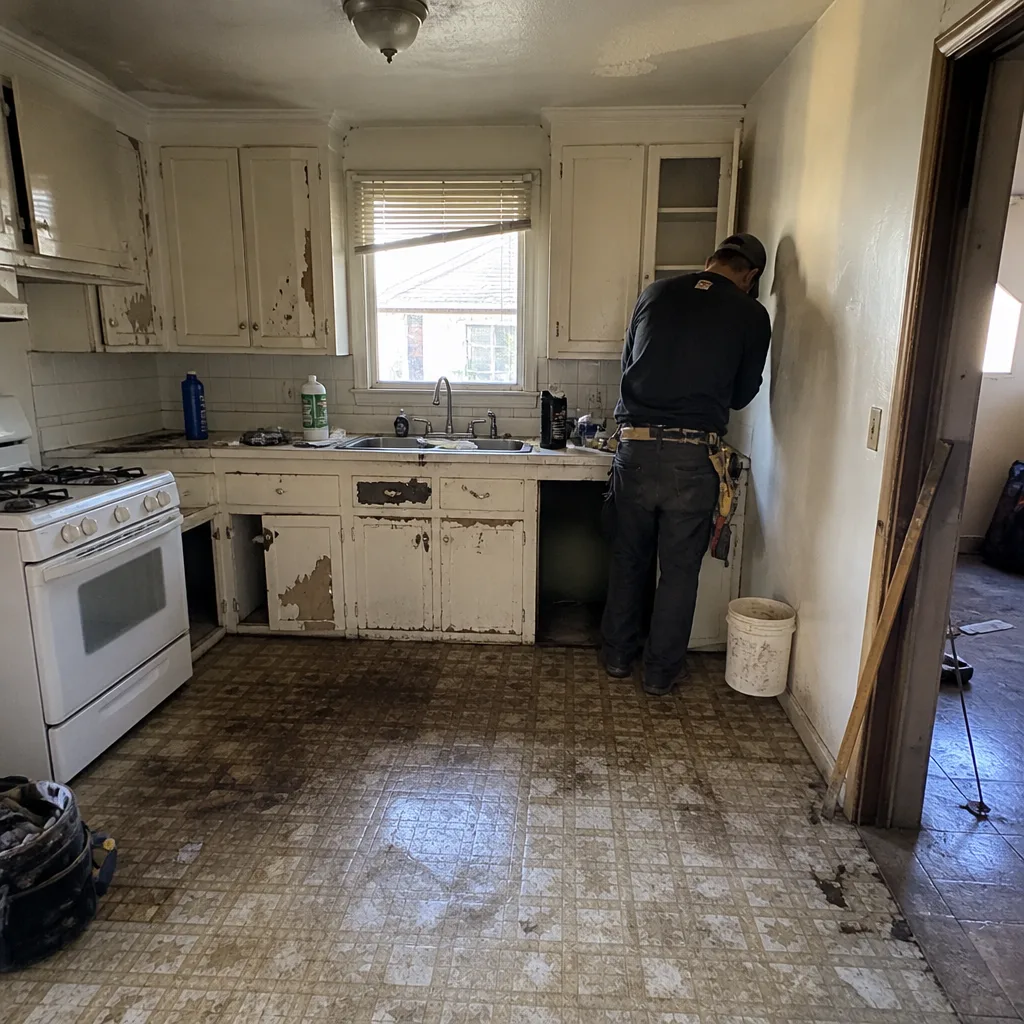 Before
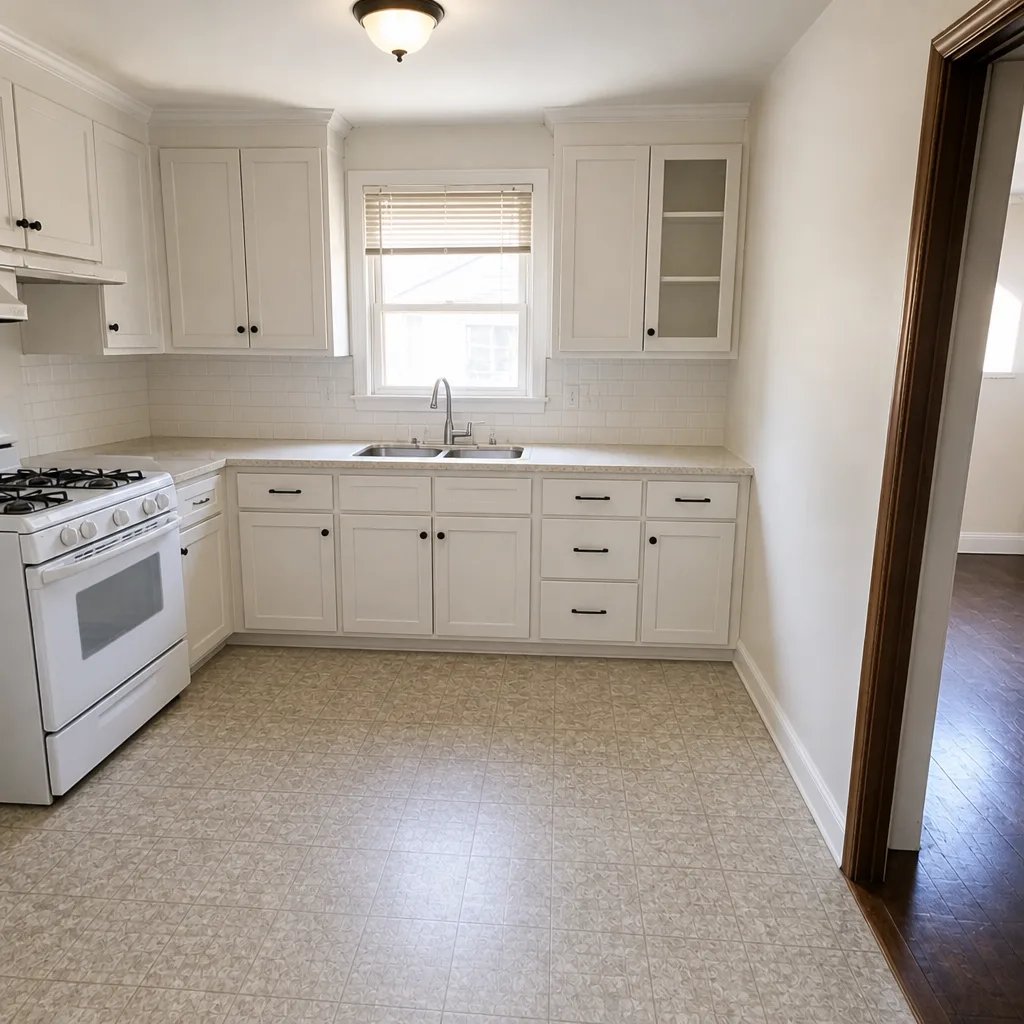 After
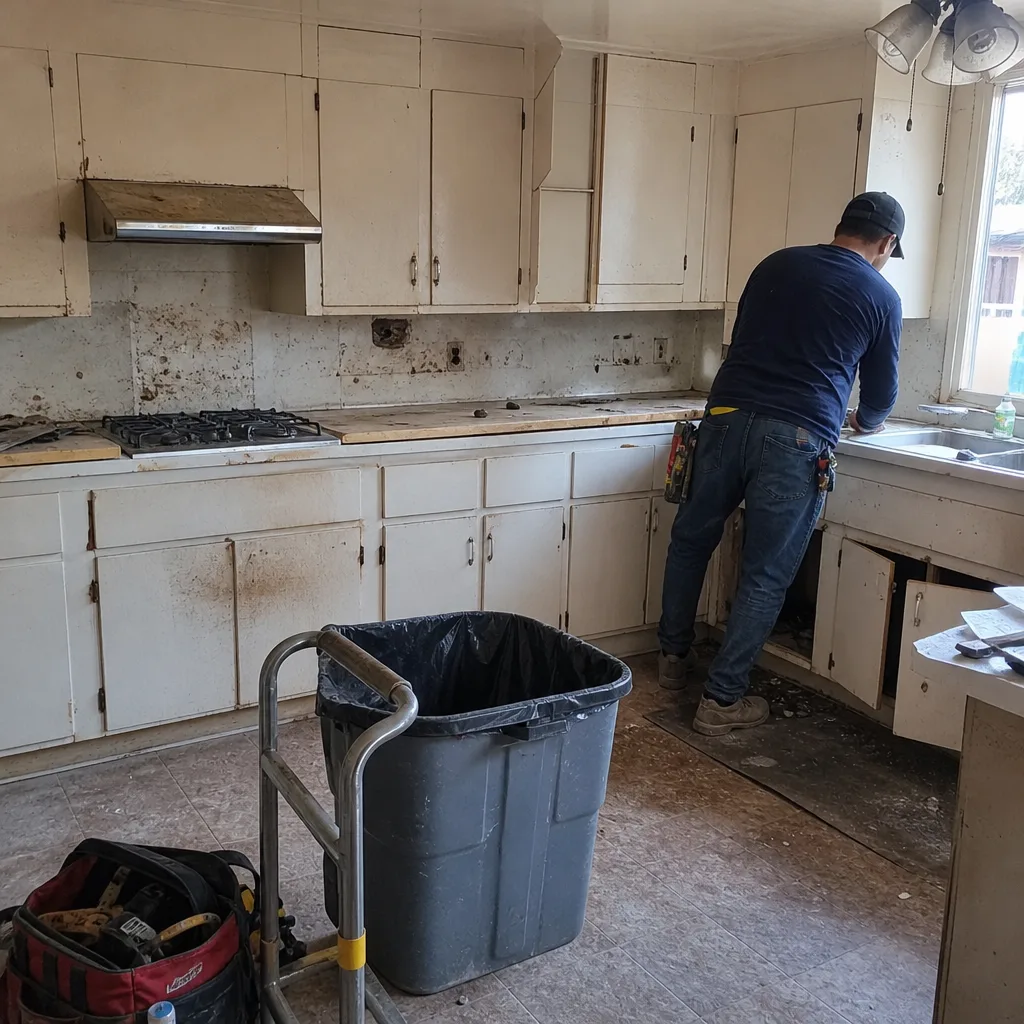 Before
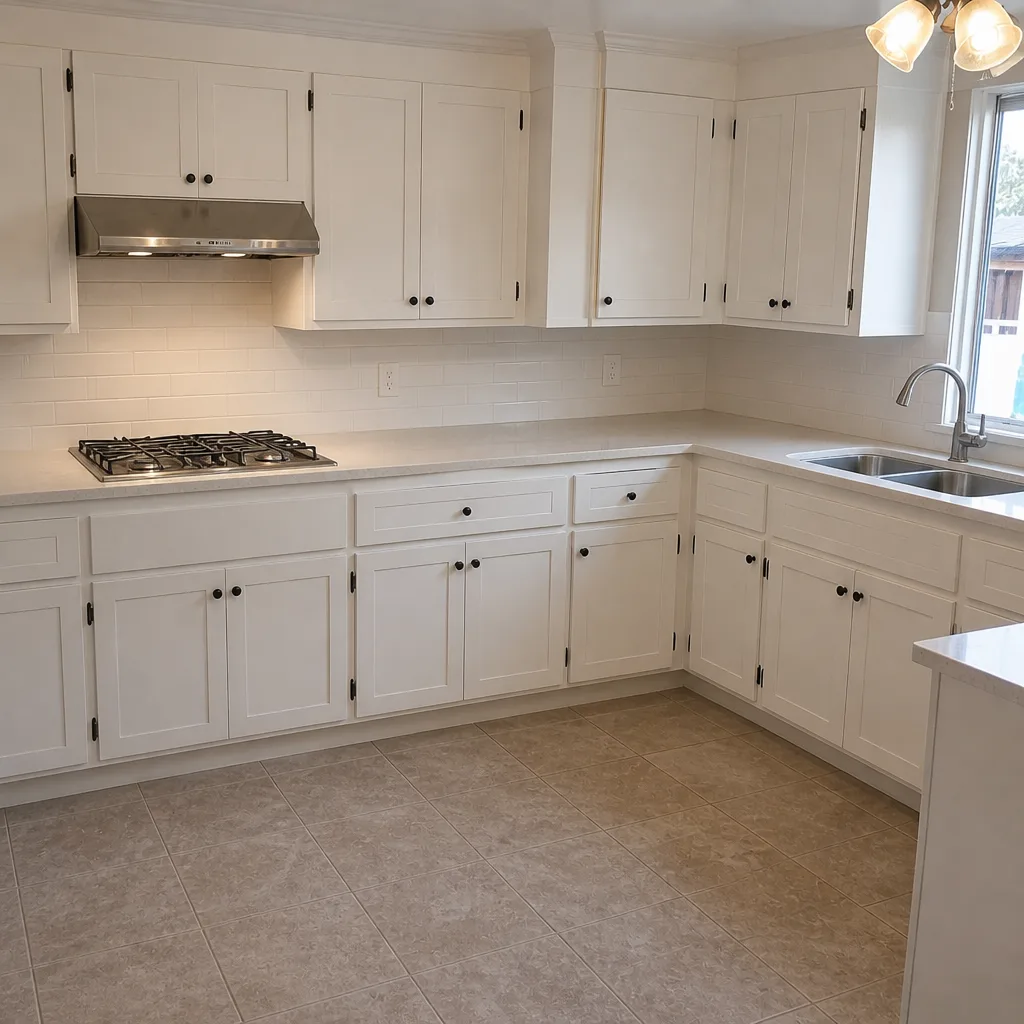 After
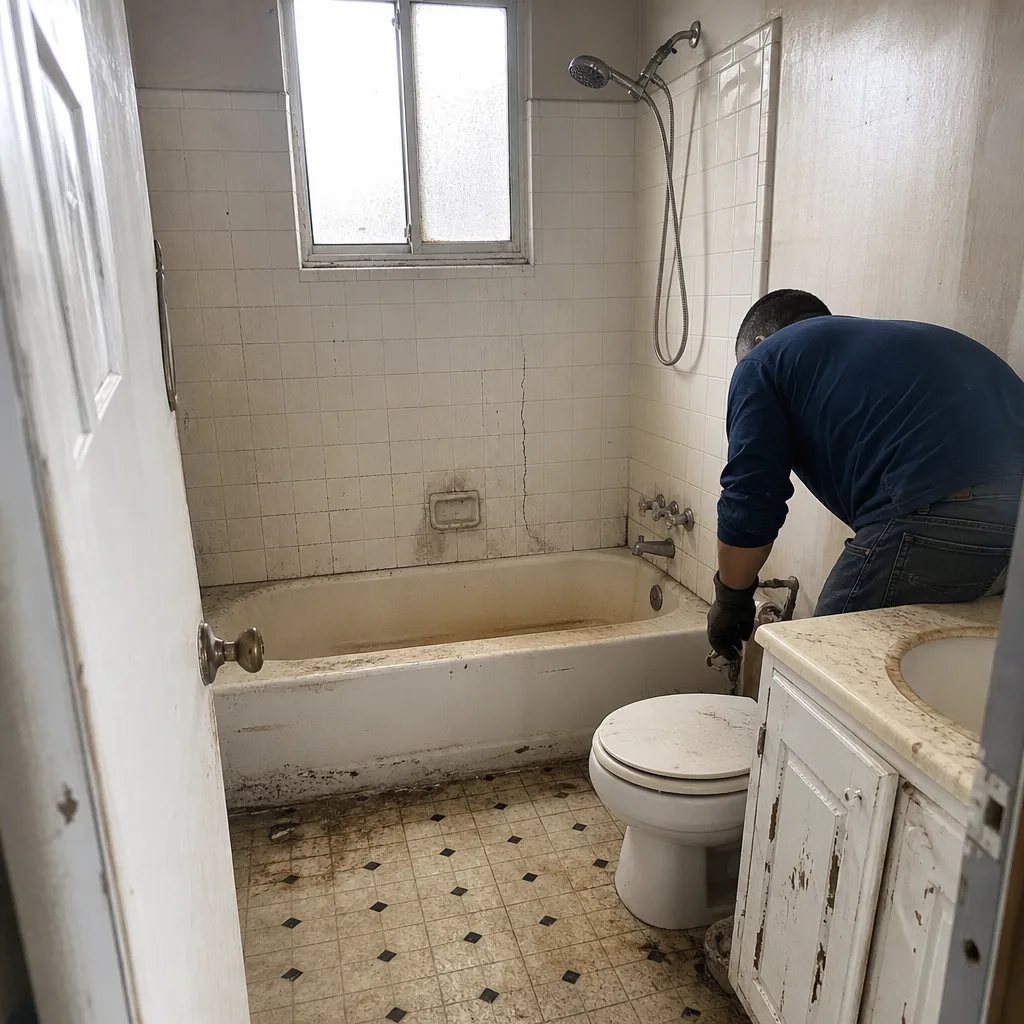 Before
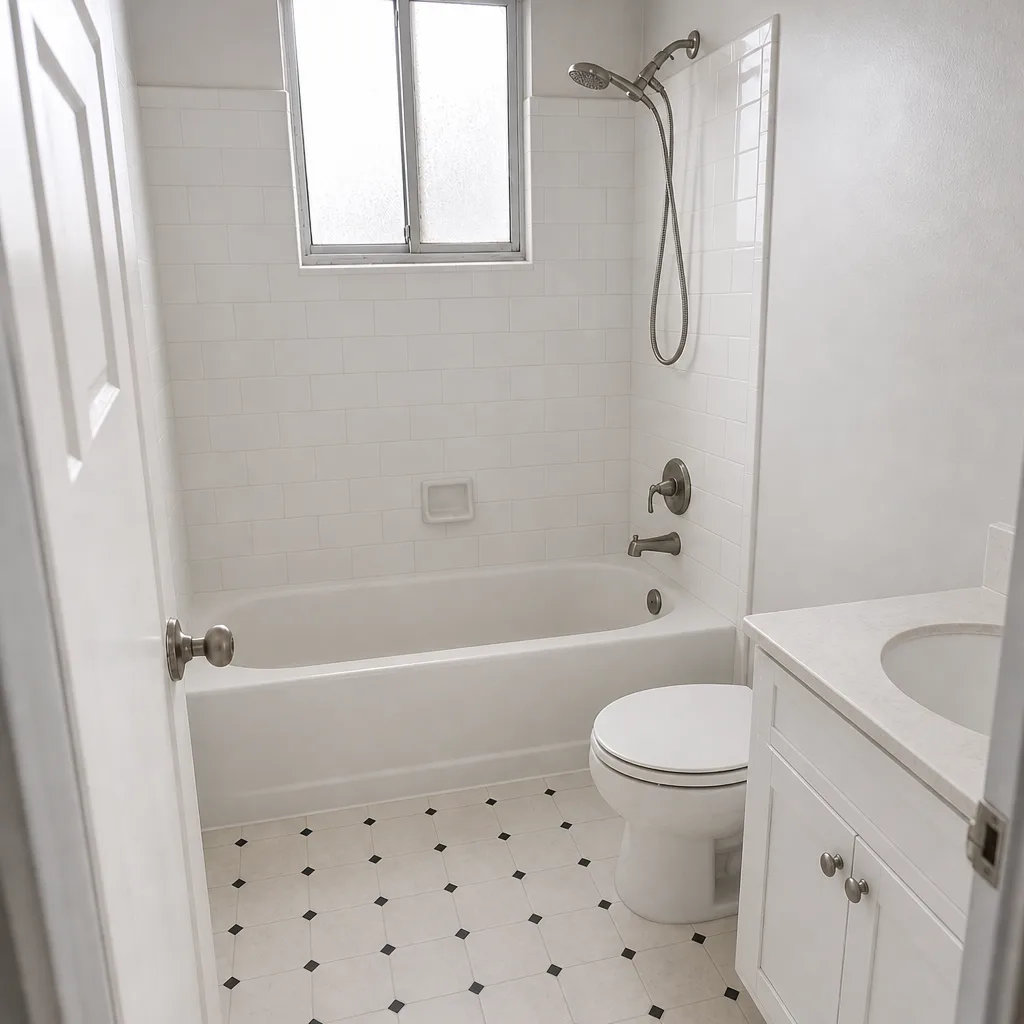 After
When to Call a Professional
Some permit questions can be handled solo – a paint job or a fixture swap rarely needs anyone but you. Others can’t. If your project touches structure, gas, electrical, plumbing, the building envelope, or a Title 24 compliance pathway, the cost of getting a permit wrong is far higher than the cost of getting a licensed team on the job. The same is true for anything that requires a plan set – additions, ADUs, second-story work, and full kitchen or bathroom remodels where walls move and trades get coordinated. And any project on a home with an open or missing permit history should be scoped by someone who’s navigated that in Buena Park before.
Groundwork Construction Co. of Buena Park offers free estimates in Buena Park – call (833) 522-5059. We pull permits in our name, walk the inspection sequence with our team on site, and back every job with our 730-Day Done Right Promise. From foundation to finish line, the permit record is part of what we deliver.
Frequently Asked Questions
Yes, if the work touches plumbing, electrical, mechanical, or walls. Refacing cabinets, new countertops, and paint over existing surfaces generally don’t require a permit. Any electrical circuit changes, plumbing relocation, or wall removal requires a permit and inspections. Call (833) 522-5059 for a free Buena Park estimate – we’ll tell you exactly what your scope requires before you commit to anything.
Permit fees in California usually run 0.5% to 2% of the project valuation, so a $60,000 kitchen remodel typically carries $400 to $1,200 in permit fees. ADU permits usually run higher because the project valuation is higher, often $2,000 to $5,000. Exact fees are set by each city’s published schedule. Groundwork Construction Co. of Buena Park includes the permit fee as a line item in every upfront bid – no surprises at the counter. Call (833) 522-5059 for the exact number on your project.
Work done without a permit can be ordered stopped, forced to be corrected or demolished, and – most painfully – it can complicate or void insurance claims and create a mandatory disclosure at sale. Some cities will allow a retroactive permit if the work can be inspected and brought up to current code, but that’s often more expensive and slower than having permitted it from the start. If you suspect unpermitted work on a home you own or are buying in Buena Park, call (833) 522-5059 – our team can walk through how the city typically handles it.
Usually yes. Buena Park, like most California cities, requires a permit for window replacement because window performance is governed by Title 24 – your replacement has to meet U-factor and SHGC requirements for Climate Zone 8. A contractor who tells you a like-for-like window swap doesn’t need a permit in Buena Park is misinformed or cutting corners. Get it in writing and get a compliance spec sheet before work starts.
Not on a properly bid job. Permit fees, inspections, and Title 24 compliance costs should appear in the initial bid as line items – so if a contractor’s number excludes them and then asks for more later, you’re looking at a change order, not a cost contingency. Groundwork Construction Co.’s upfront pricing model means the number you see is the number you pay, including permit fees. Call (833) 522-5059 for a written line-item estimate.
Plan-check timelines in Buena Park typically run 4 to 8 weeks for a standard kitchen or bath remodel, and 6 to 10 weeks for an addition or ADU, depending on the current queue and how many plan-check comments come back on the first submittal. Utilities and HERS inspections add separate scheduling time on top. Timelines are approximate – the fastest way to shorten yours is to submit a complete plan set the first time. Call (833) 522-5059 for a realistic estimate on your specific scope.
The Bottom Line
California permits aren’t red tape – they’re the paper trail that keeps your contractor honest, your insurer on the hook, and your resale value intact. If you take three things from this guide: know what needs a permit (structure, water, gas, electricity – always assume yes), verify permit history on any home before you sign an offer, and never let a contractor pull a permit in your name. The rest follows. The homeowners who get burned aren’t the ones who asked too many questions – they’re the ones who didn’t ask at all. From a certified, licensed, and background-checked Buena Park team, the questions matter. Call (833) 522-5059 for a free estimate, and let’s make sure your next project has the paper trail to prove it was done right. Visit Groundwork Construction Co. of Buena Park home for the full scope of what we handle.
Written by the team at Groundwork Construction Co. of Buena Park.