Last updated November 18, 2026
Free written scope consultation - allowances, timeline, and change-order rules on paper before a single trade is scheduled
DIY vs Professional Construction: The Buena Park Homeowner’s Decision Guide
In California, a homeowner can legally pull their own permit and perform their own construction work. That single fact convinces a lot of people in Buena Park to skip the contractor. What the permit application doesn’t tell you is the trade: the moment you sign as owner-builder, you become the contractor of record. You’re personally on the hook for code compliance, you absorb the liability a licensed builder would normally carry, and you give up the legal protections California gives homeowners against licensed contractors. This guide walks through the legal exposure, the projects where DIY actually makes sense, how to cost it honestly, and the hybrid path most Buena Park homeowners never hear about.
Quick Answer
DIY is only worth it in Buena Park for cosmetic, finish-level work that needs no permit and won’t void a manufacturer warranty. Anything structural, electrical, gas-related, or tied to a permit you pull yourself shifts legal liability onto you and typically kills the warranty on the materials you install. For most projects that add real value to a Buena Park home, a licensed contractor is cheaper once you count exposure, not just labor.
Styles & brands we work with
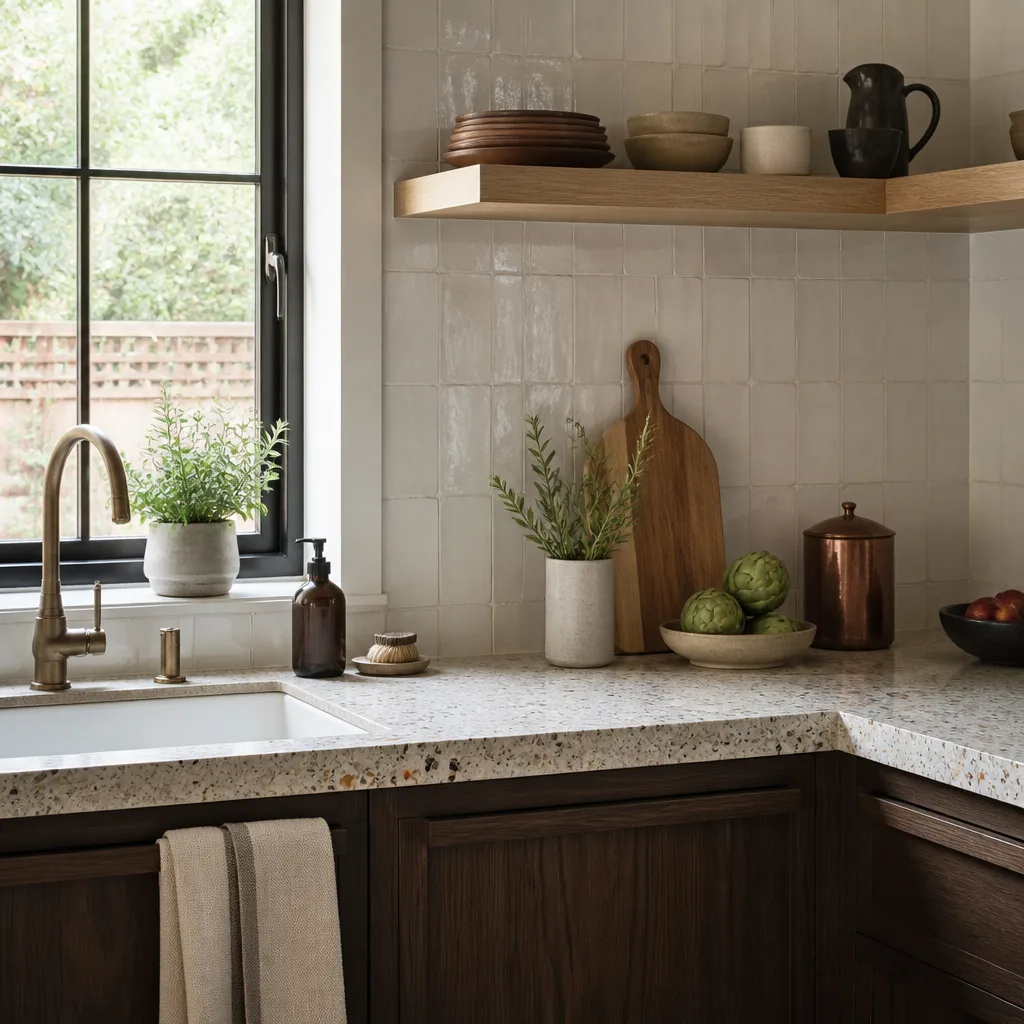
- Kitchen remodeling
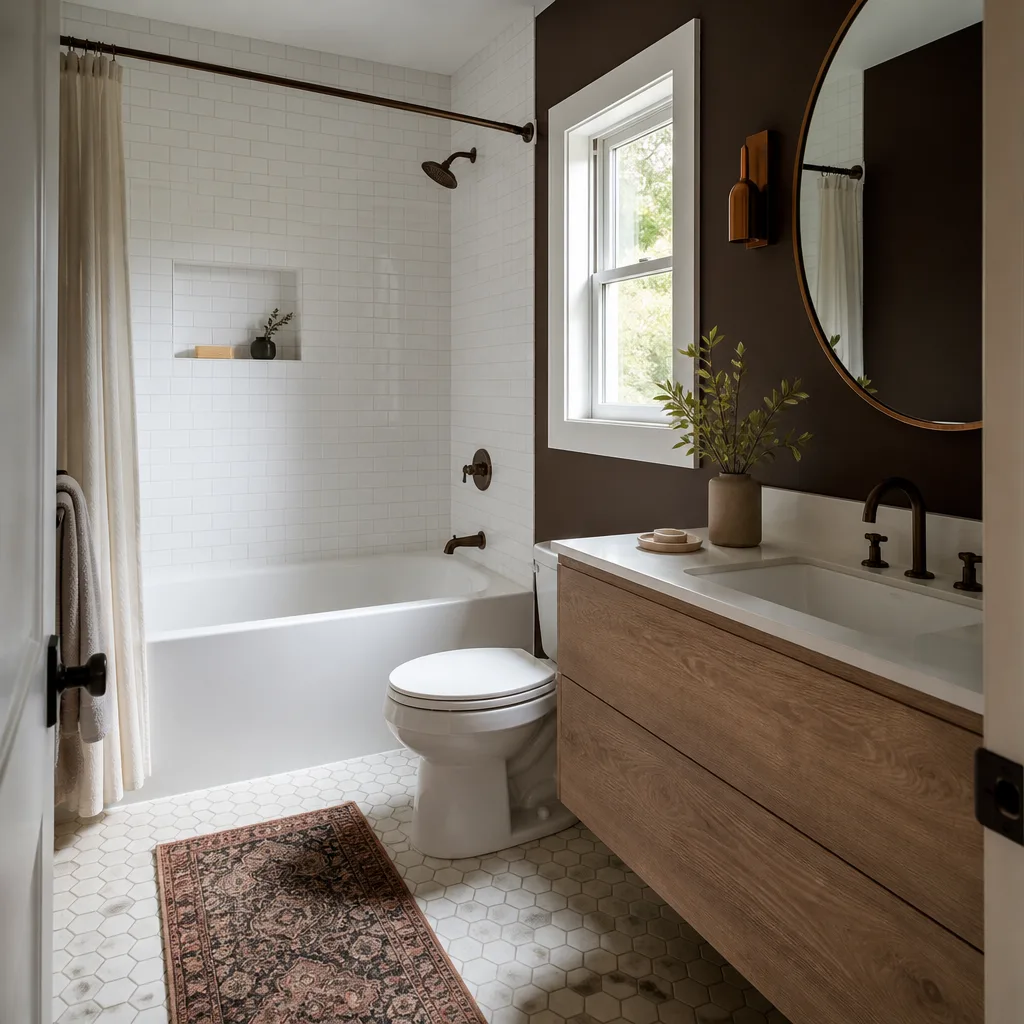
- Bathroom remodeling
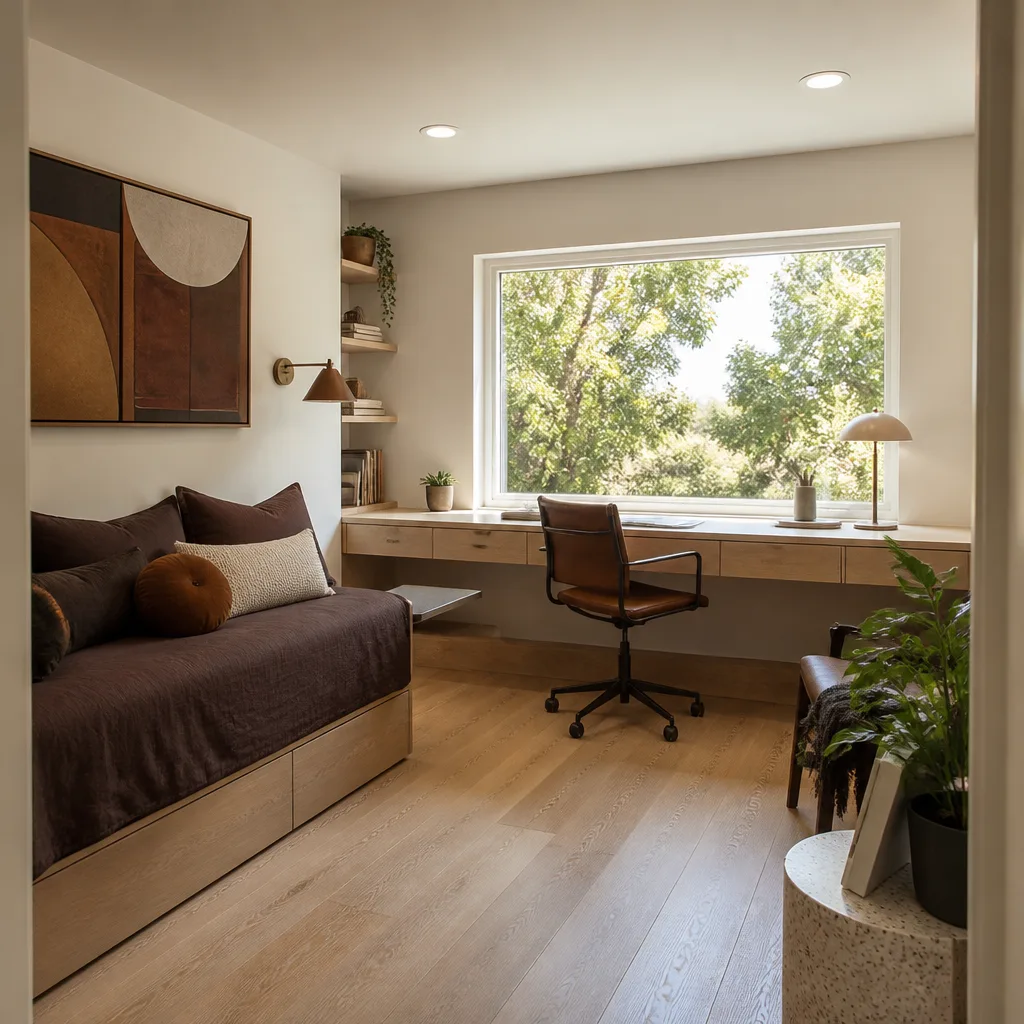
- Home additions & ADU
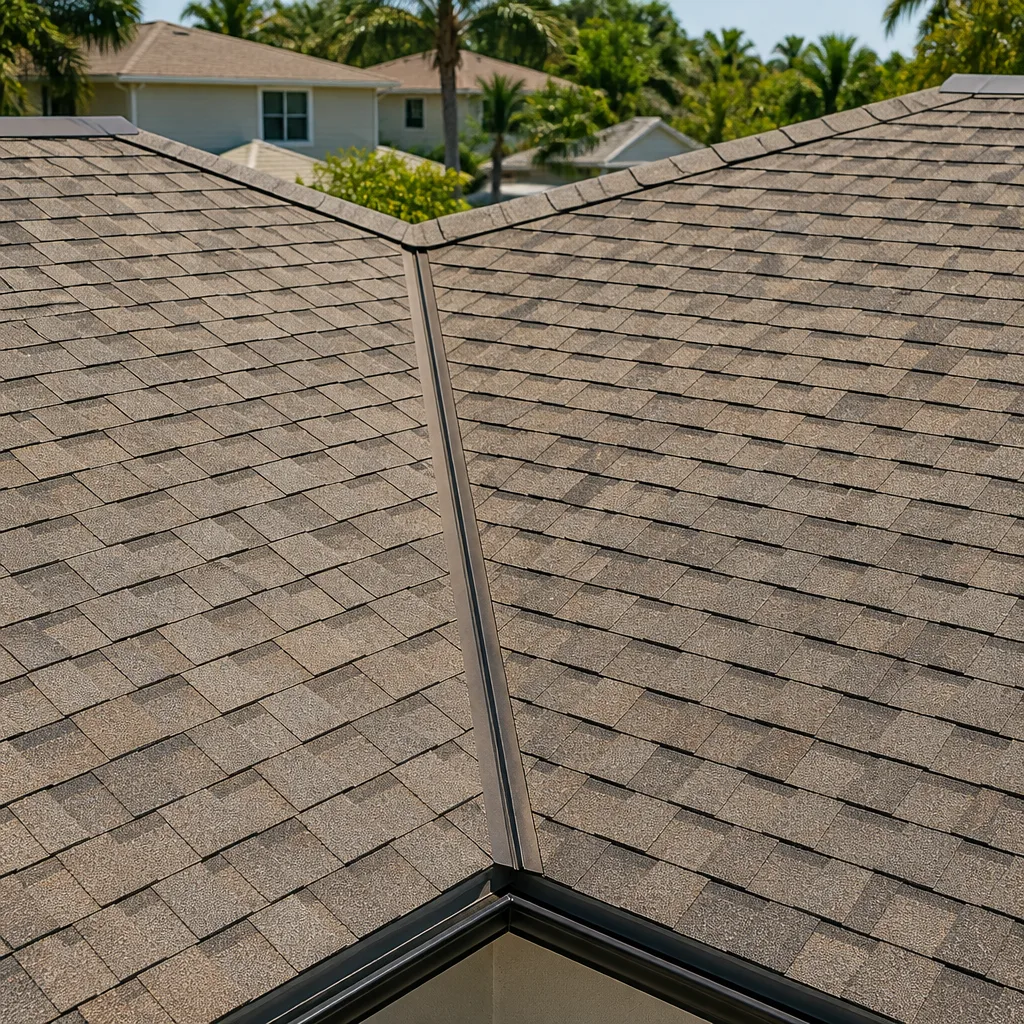
- Roofing
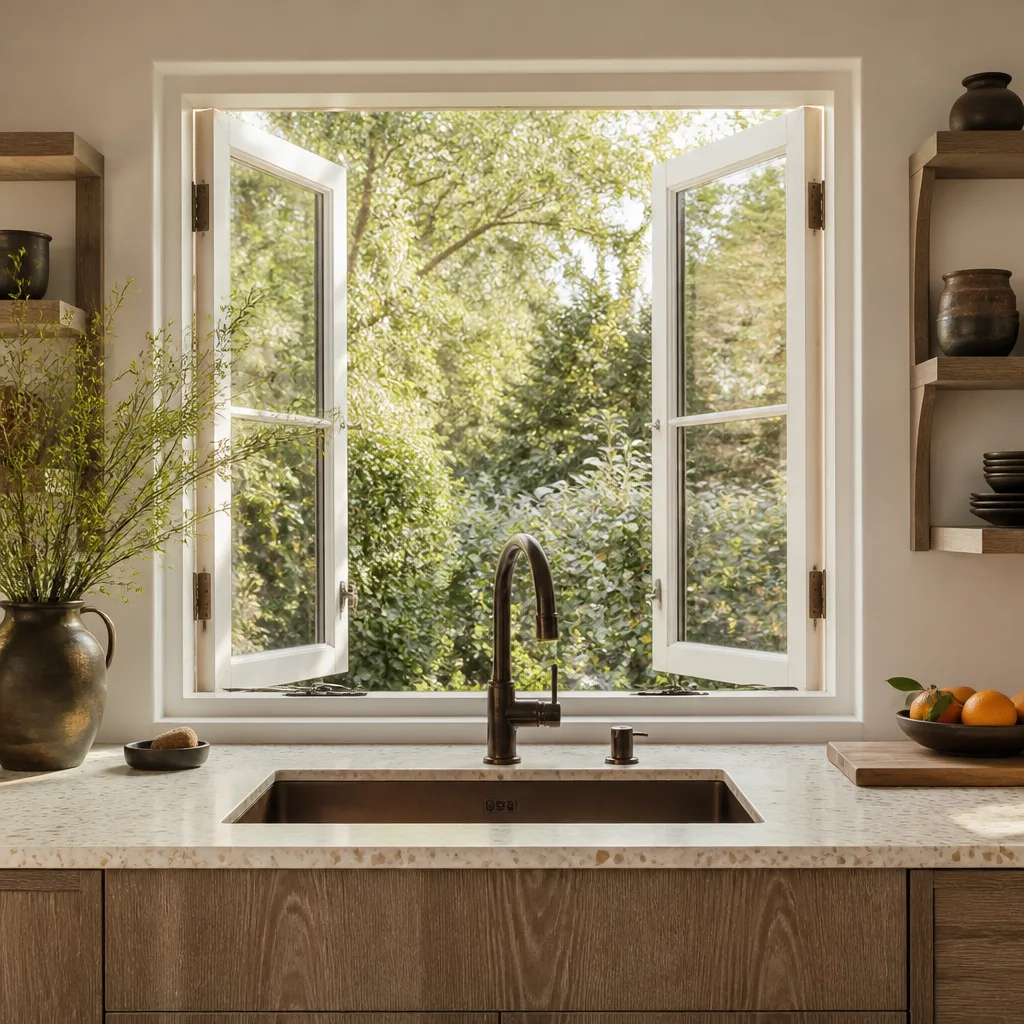
- Windows & doors
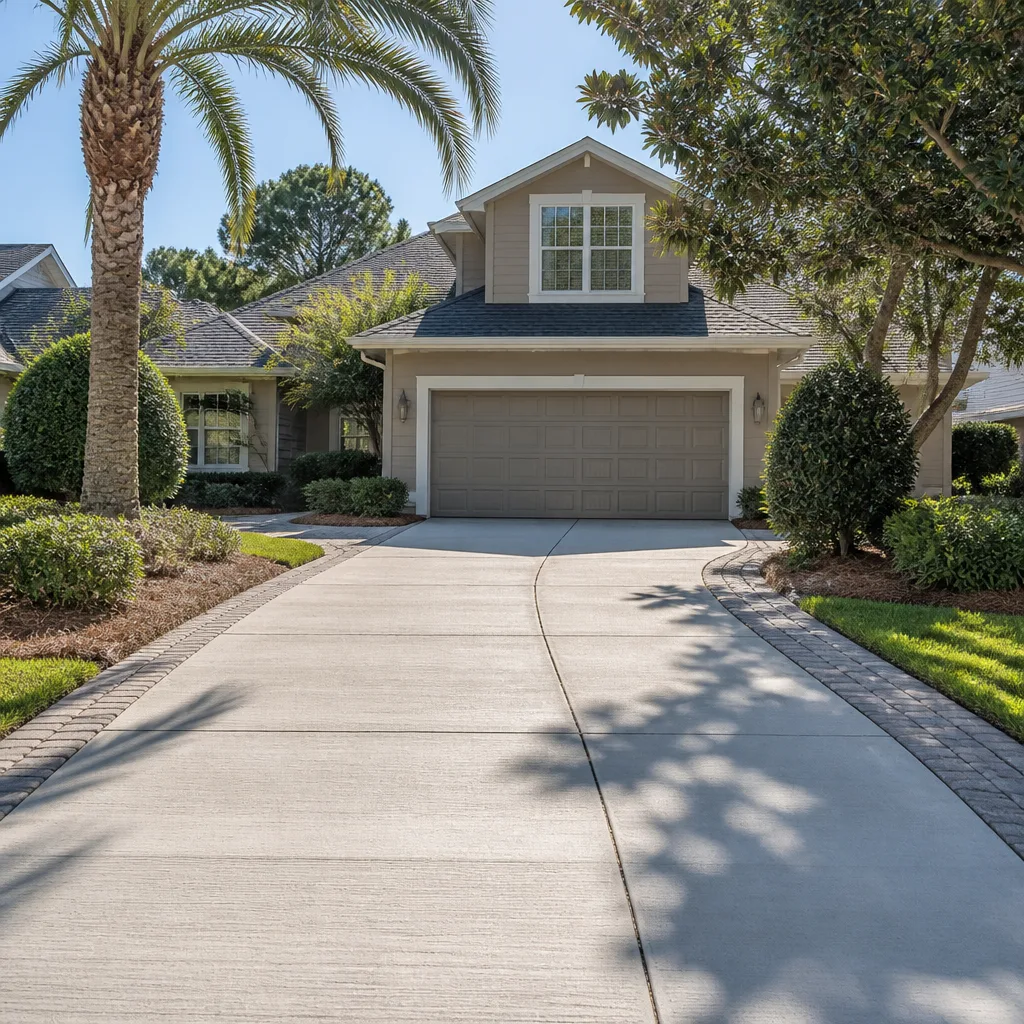
- Driveway & pavers
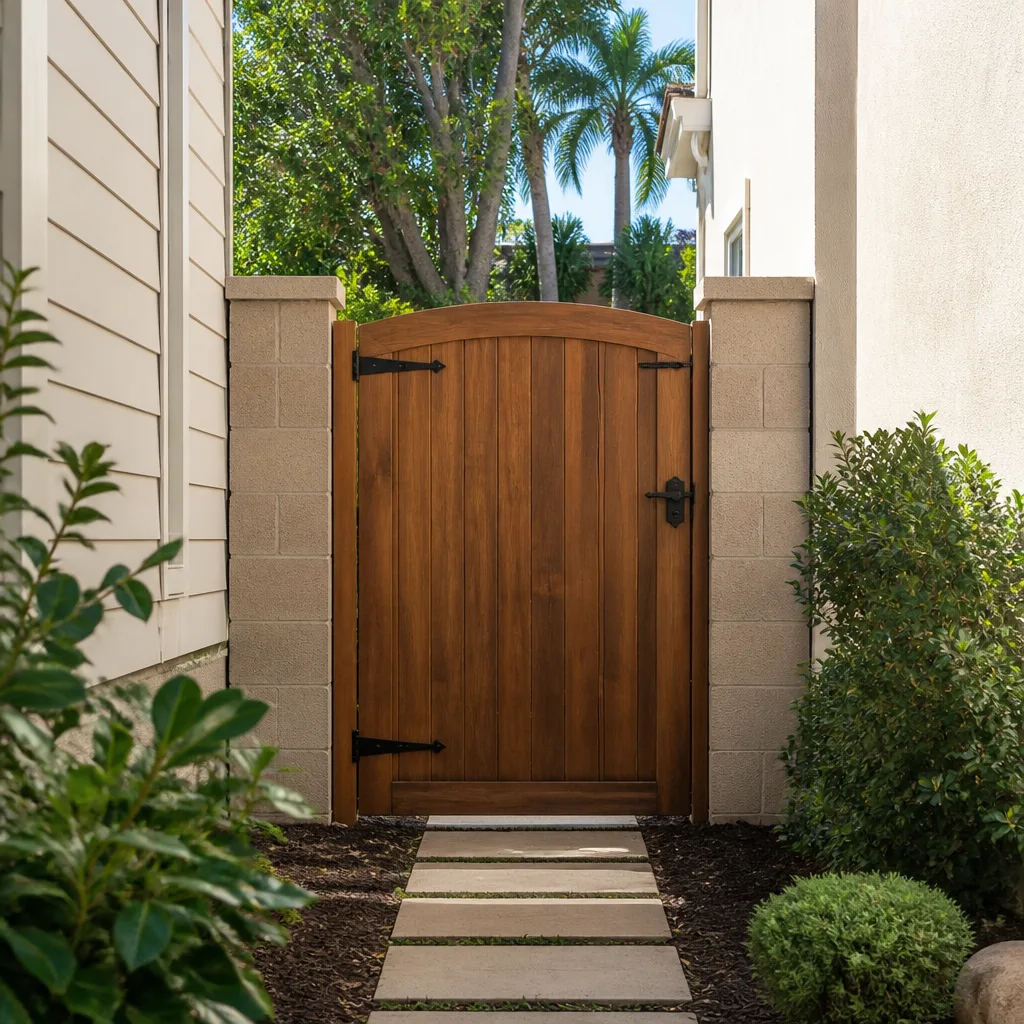
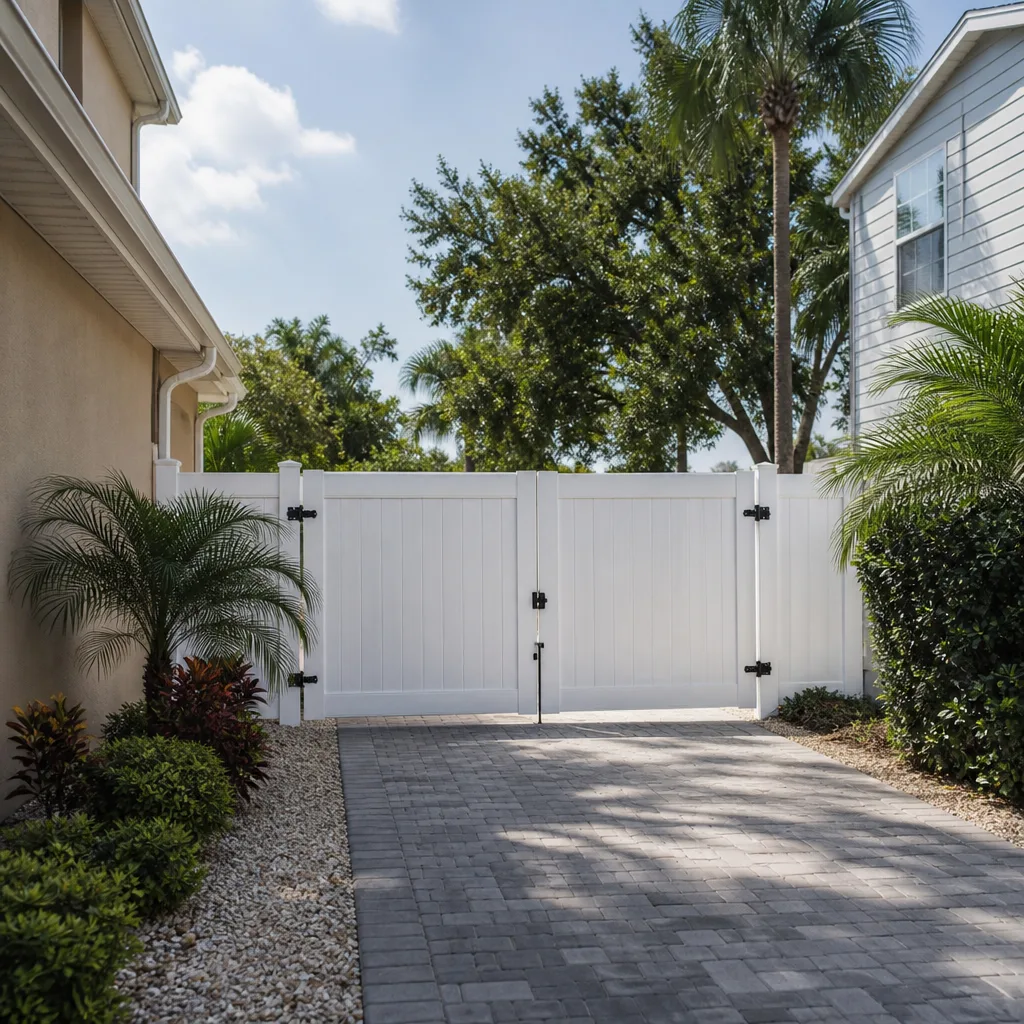
- Fence
Table of Contents
- What the Owner-Builder Permit Really Does in California
- How Insurers Use DIY Work to Deny Claims
- Which Buena Park Projects Are Actually DIY-Appropriate
- How to Calculate Your True DIY Cost vs. a Professional Bid
- What DIY Does to Manufacturer Warranties
- The Hybrid Option: Licensed Structural Work, DIY Finish Work
- Buena Park Permit and Code Basics You Should Know
- Common Mistakes to Avoid
What the Owner-Builder Permit Really Does in California
When a Buena Park homeowner applies for a permit as an owner-builder, the city issues it to you personally. That’s not a loophole – it’s a transfer of responsibility. Under California law, a licensed contractor carries specific duties to the homeowner: proper workmanship, adherence to code, and liability when something fails. An owner-builder carries none of that on paper. You are the builder. If the framing fails inspection, that’s your problem to fix. If a worker you hire gets hurt on your property, that exposure lands on your homeowner’s policy and, potentially, on you.
The legal framework is tighter than most people assume. California’s Business and Professions Code limits owner-builder permits to a property the homeowner intends to live in, and it restricts how many permits you can pull in a given period. The state also requires disclosure language warning you that you assume full responsibility for the work. Those disclosures exist because the state has watched homeowners get crushed by costs they didn’t anticipate.
Here’s the part that stings: even with a valid owner-builder permit, some scopes still require licensed tradespeople. Electrical service upgrades, gas line work, and certain plumbing connections in Buena Park need a licensed contractor regardless of who pulls the permit. If you’re weighing a real remodel against finishing a room yourself, it’s worth understanding Home Additions & ADU in Buena Park before you commit to a path. In our experience, the projects that look simplest on a permit form are the ones that generate the most expensive surprises.
How Insurers Use DIY Work to Deny Claims
This is the piece almost no homeowner hears until it’s too late. Homeowner insurance policies in California expect disclosure of major work, and many contain clauses that treat unpermitted or owner-performed structural work as an exclusion. When a pipe bursts under a floor you installed yourself, or a roof leak traces back to a shingle job you did, the adjuster will ask who did the work and whether it was permitted. If the answer is “the homeowner,” the claim can be reduced or denied outright.
The pattern repeats in Buena Park more than people realize. A homeowner finishes a bathroom themselves, sells the house two years later, and the buyer’s inspector flags the lack of permit history. That turns into a credit at closing, a re-inspection cost, or a scramble to retroactively permit work that was never documented. The buyer’s lender may refuse to fund until it’s resolved.
For a non-emergency remodels, that’s the wrong kind of risk. A free estimate costs you nothing and puts the exposure question in front of someone who deals with it weekly. Call (833) 522-5059 if you want to know what a properly permitted version of your project actually looks like.
Which Buena Park Projects Are Actually DIY-Appropriate
Where you draw the line matters more than how handy you are. The question isn’t “can I do this?” It’s “if this fails in three years, who pays?” Some projects are safe to own. Others put value and safety on the line for a modest labor savings.
Projects that are genuinely appropriate for a capable Buena Park DIYer:
- Interior painting. Real skill, zero permits, no warranty implications on the home’s structure.
- Planting, sod, and garden bed work. Cosmetic and reversible with no structural risk.
- Replacing cabinet hardware, lighting fixtures on existing wiring, and interior trim. If it plugs into an existing circuit without a new connection, it’s a fair DIY project.
- Fence repair on an existing fence within height limits. Straightforward and permit-light, though even this has a warranty nuance worth reading below.
- Patching and painting drywall. Cosmetic and cheap to redo.
Projects that need a licensed contractor in Buena Park regardless of homeowner ability:
- Anything electrical at the panel, gas-related, or involving new circuits. We don’t hand homeowners step-by-step instructions for this and we don’t recommend they attempt it. High-voltage and gas work carries real risk of fire, shock, and carbon monoxide. A trained, insured professional belongs on that job.
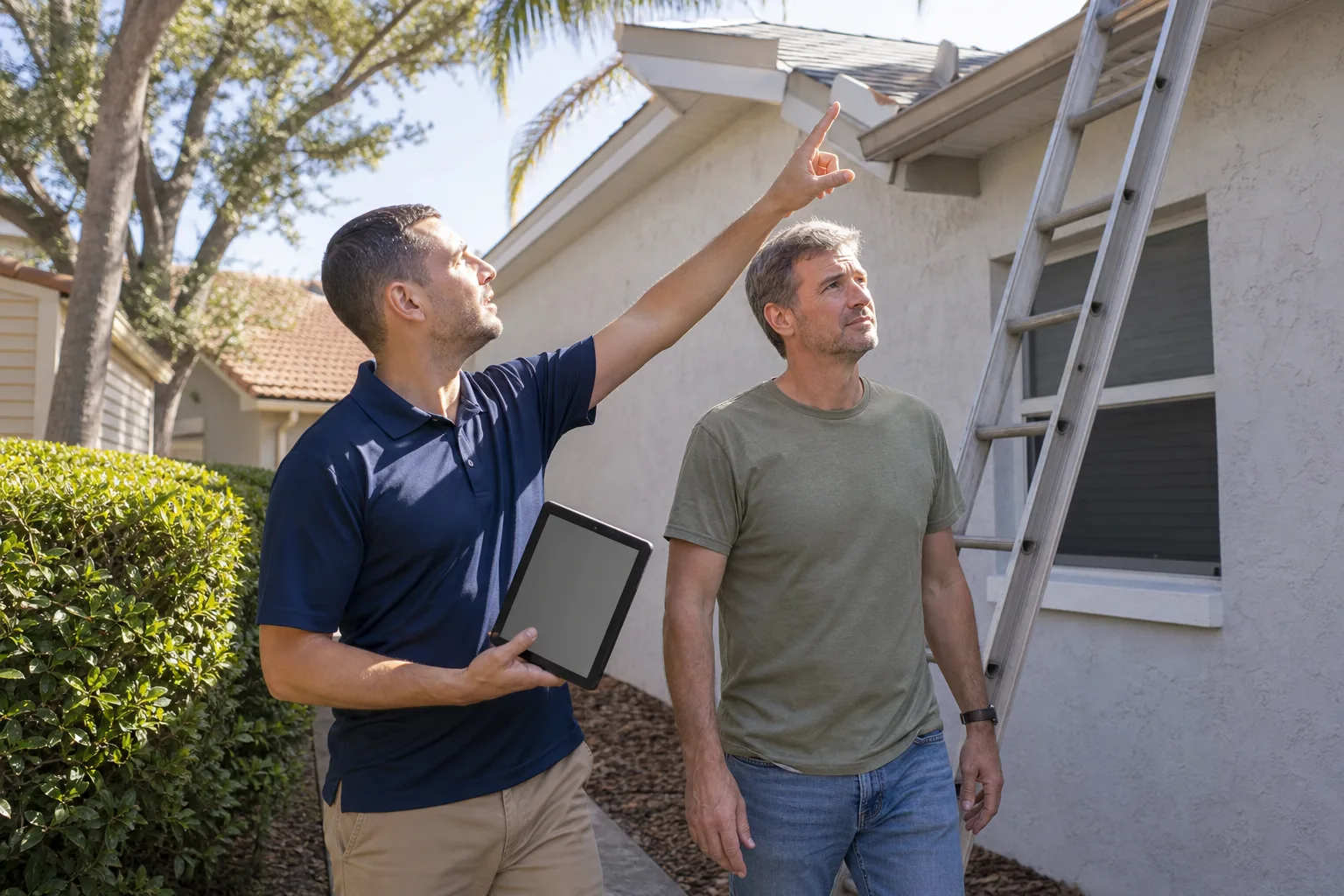
- Roofing. New roof installation, structural sheathing repairs, and anything on a steep pitch. Falls are the leading cause of serious injury on residential projects. Even on a low-slope repair, a licensed roofer protects the warranty and the inspection record.
- Structural work, additions, and anything requiring a permit. Framing, foundation, load-bearing changes, and anything involving a plan check.
- Driveways and hardscape. Base preparation is where DIY driveways fail in Buena Park’s clay-heavy soils. Getting the base wrong means the whole slab moves within a couple of seasons.
For those last two, it’s worth looking at what a professional build actually includes. Our Driveway & Pavers in Buena Park page walks through the base layers and drainage work that separate a driveway lasting 25 years from one that cracks in five.
How to Calculate Your True DIY Cost vs. a Professional Bid
The single biggest mistake homeowners make in deciding DIY vs. hire is comparing a labor bid to a supply receipt. That’s not apples to apples. If you’re going to test DIY against a professional bid honestly, you need to include every dollar the project will actually consume – not just what’s on the Home Depot receipt.
Use this formula to get a true comparison:
- Materials, plus waste. Add 10-15% for tile work and 15-20% for framing and decking. Most DIY first-timers overshoot the low end. Buena Park projects with lots of cuts and corners can run higher.
- Tool rental or purchase. A tile saw, a hammer drill, a plate compactor, a drywall lift. Add up what you don’t own and price a rental day rate. Realistic tools for a mid-size bath can add meaningful cost.
- Permit fees. Even the owner-builder permit costs money in Buena Park. Pull up the current fee schedule before you assume permits are free.
- Time-to-completion. Value your weekends at a real hourly rate – even a modest figure exposes the true cost. A kitchen that takes 12 weekends is 12 weekends you’re not working, resting, or spending with family.
- Redo cost. Budget a redo on at least one part of the project. The first tile job rarely lands right the first time.
- Insurance and resale impact. This is the invisible line. Unpermitted work can turn into a seller’s credit at resale. Assume the worst case and discount for it.
- Compare to the bid total. When you finish adding, put your number next to the contractor’s. If DIY comes in at 60-70% of the bid, you’re doing the math right. If it looks like 40%, you’ve missed a category.
In central Orange County, a mid-range bathroom remodel runs roughly $18,000-$30,000 professionally. A skilled DIY homeowner might spend $9,000-$15,000 in materials and tools, before counting 120+ hours of their own time or a single redo. On paper, DIY wins. Add the redo and the time valuation, and the margin shrinks fast – especially in a city like Buena Park where resale value depends heavily on documented, permitted work.
What DIY Does to Manufacturer Warranties
Most exterior material warranties require licensed installation. Not preferred. Required. Paver manufacturers, concrete coating systems, siding lines like James Hardie, and most roof shingle brands all tie warranty coverage to installation by a licensed, sometimes factory-certified, installer. Install it yourself and the long-term warranty on the materials is void or greatly reduced.
This is where the upside of hiring a contractor goes well beyond labor. When the work is done by a licensed crew using brand-partner materials like GAF or Owens Corning on a roof, or Belgard pavers on a drive, the manufacturer warranty stays intact. Those are 20-, 25-, and 30-year warranties in some cases. That’s not a marketing point – it’s a real line item on your future costs.
At Groundwork Construction Co. of Buena Park, every project is backed by the 730-Day Done Right Promise in addition to the manufacturer’s warranty, so the coverage stack carries past the first year. Finish work like interior door hardware from top brands like Schluter and Sterling can go in yourself safely – but leave anything with a warranty tied to a licensed installation to the licensed installer.
The Hybrid Option: Licensed Structural Work, DIY Finish Work
This is the middle path most homeowners don’t know exists, and it’s often the smartest choice for a Buena Park home. The idea is simple: split the project at the permit line. A licensed contractor takes the structural, permitted, and code-required work from start through final inspection. Once the building department signs off, the homeowner takes over finish work that needs no further permits.
A realistic Buena Park hybrid for a bathroom, for example:
- The contractor handles demolition, plumbing relocation, electrical rough-in, drywall, waterproofing with a system like Schluter’s, tile in the wet zone, and final inspection.
- The homeowner handles painting, trim, mirror and accessory install, and sometimes vanity hardware once electrical is closed out.
- Both parties agree in writing to the split scope, so there’s no dispute over who touched what if something goes wrong later.
A hybrid works best on interior remodeling and certain exterior finish add-ons. It works poorly on projects with tightly sequenced inspections – a roof replacement or a new addition doesn’t split cleanly. If you’re considering a garage conversion or ADU, the structural, gas, and electrical scopes need to stay with the contractor throughout. Our team can lay out which scopes are split-eligible for your specific Buena Park project – a free estimate and design consult costs you nothing. Call (833) 522-5059 and we’ll map it out together.
Buena Park Permit and Code Basics You Should Know
Buena Park enforces the California Building Standards Code as adopted locally, which means any structural, electrical, plumbing, or mechanical change requires a permit. Even a small project like moving a bathroom fixture, adding a new electrical outlet, or replacing a water heater requires a permit in most cases. Cosmetic work – paint, flooring over existing subfloor, cabinet replacement without plumbing or electrical changes – typically doesn’t.
A few Buena Park specifics shape the DIY decision:
- Clay soils. Buena Park’s clay-heavy soil expands and contracts with seasonal moisture. Driveways, patios, and hardscape placed without a properly compacted base and drainage slope fail quickly. We regularly see cracked and heaved slabs from DIY installs here.
- Coastal influence and sun exposure. Even inland, UV and the marine layer combine to age exterior finishes faster than in fully inland areas. Paver sealing, roof underlayment choice, and paint systems matter more than they do a few miles further out.
- Inspection requirements. Roof sheathing, structural framing, waterproofing, and rough-in work require inspections at set milestones. When you self-pull the permit, you own the inspection scheduling and any corrections.
- Fence and wall height limits. Buena Park has specific height and setback rules for fences and retaining walls. Our Fence Installation in Buena Park page covers the current requirements and what a properly permitted install looks like.
If you’re not sure whether your project needs a permit, calling the city’s building department is free and fast. Just know that the answer usually reshapes the DIY decision.
Common Mistakes to Avoid
- Comparing a labor bid to a materials receipt. This is the most common error. The bid includes labor, tools, waste, permits, and warranty – your receipt includes none of that. Add all of it or the comparison is fiction.
- Pulling the permit as owner-builder without checking insurance first. Some Buena Park homeowner policies exclude or reduce coverage for owner-performed structural work. Read the policy – or call your insurer – before you sign the application.
- Assuming the manufacturer warranty survives a DIY install. For pavers, concrete coatings, siding, and roofing, most brands require licensed installation. That 25-year paver warranty isn’t worth the paper it’s printed on if you install it yourself.
- Underestimating Buena Park’s clay soil. Hardscape without proper base prep and drainage is a guaranteed early failure. We’ve seen DIY driveways fail within two seasons.
- Skipping the redo line item. Every first-time tile, drywall, or framing job needs a redo somewhere. Budget for it, and if you don’t need it, you’ve beaten the odds.
- Doing hot work – electrical or gas – without a licensed trade. This one isn’t negotiable in our view. The safety risk to you and your family isn’t worth the savings. A licensed electrician or plumber on the panel or gas line isn’t optional in our book.
- Assuming the resale impact is years away. Buena Park homes turn over more often than people plan for. Unpermitted work surfaces at inspection, and the buyer’s lender will require it be addressed before closing.
See the difference
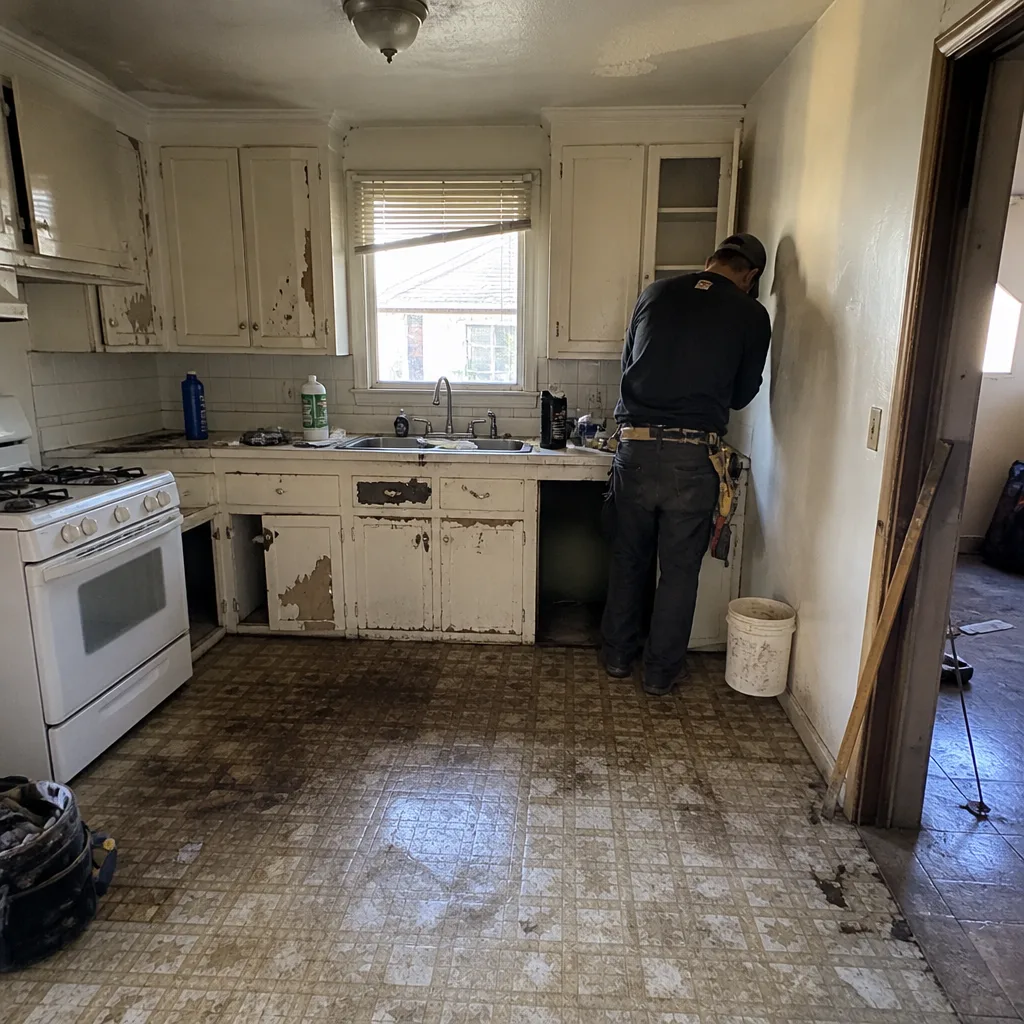 Before
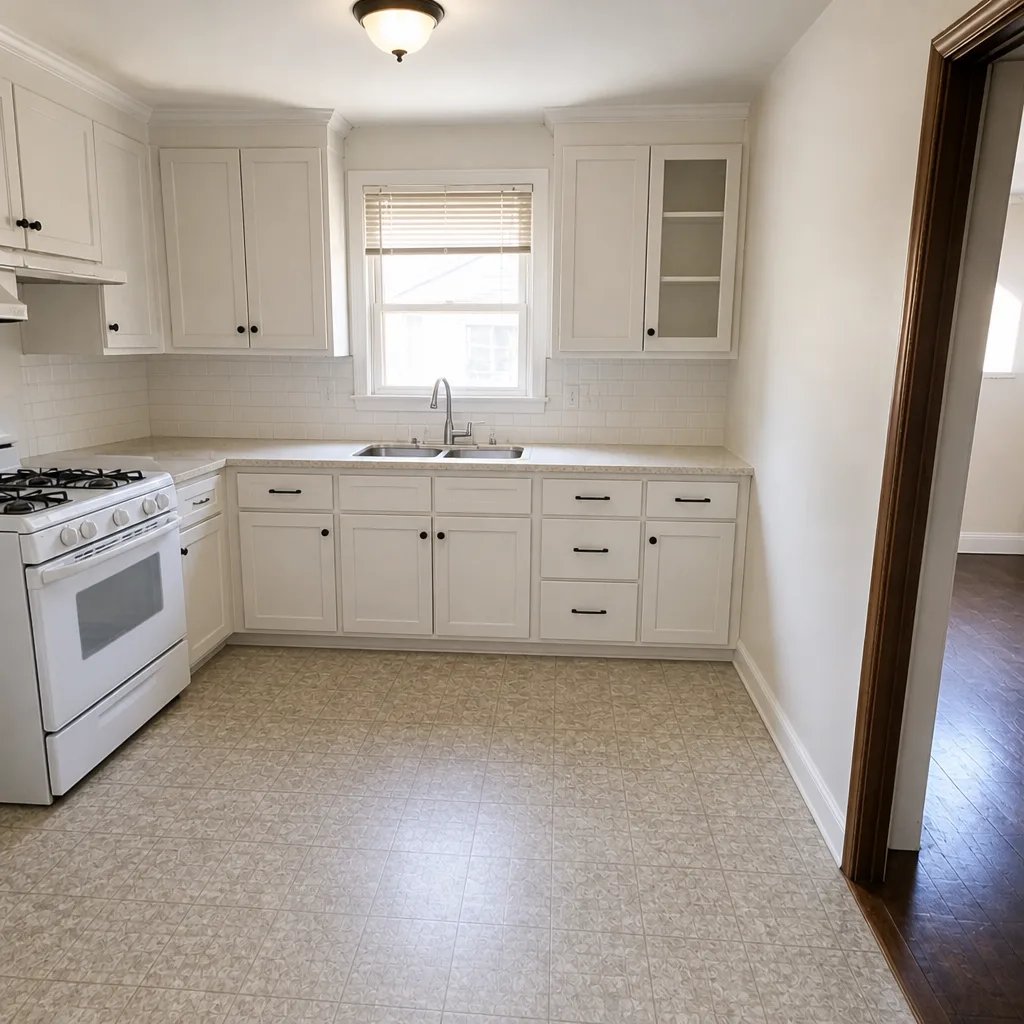 After
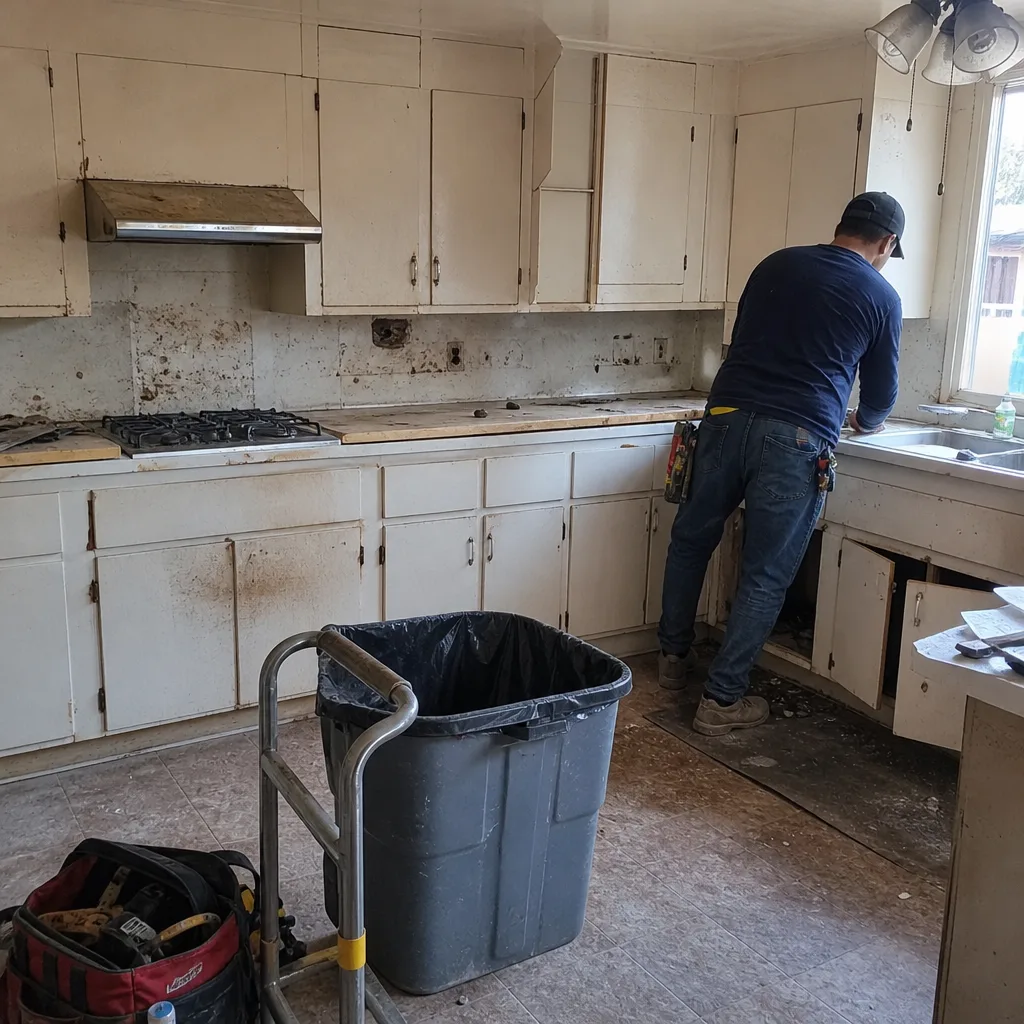 Before
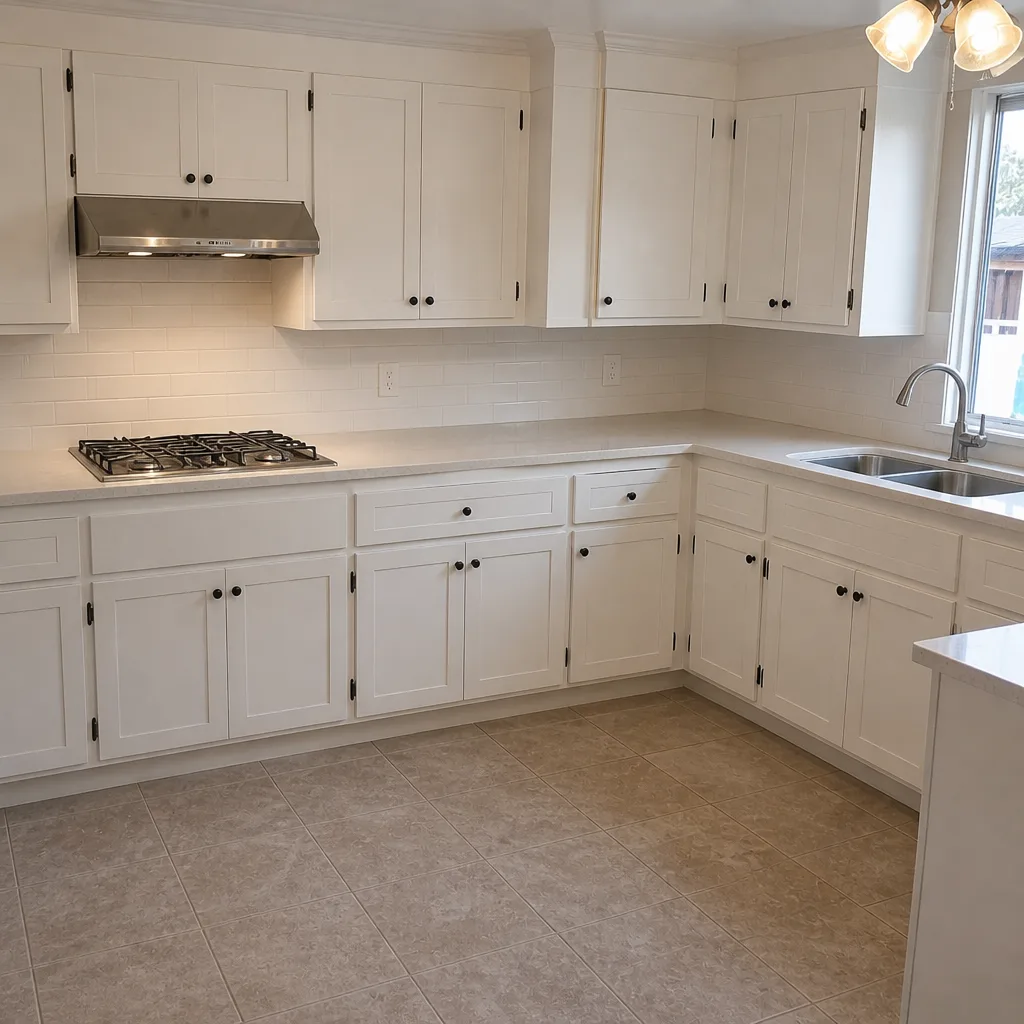 After
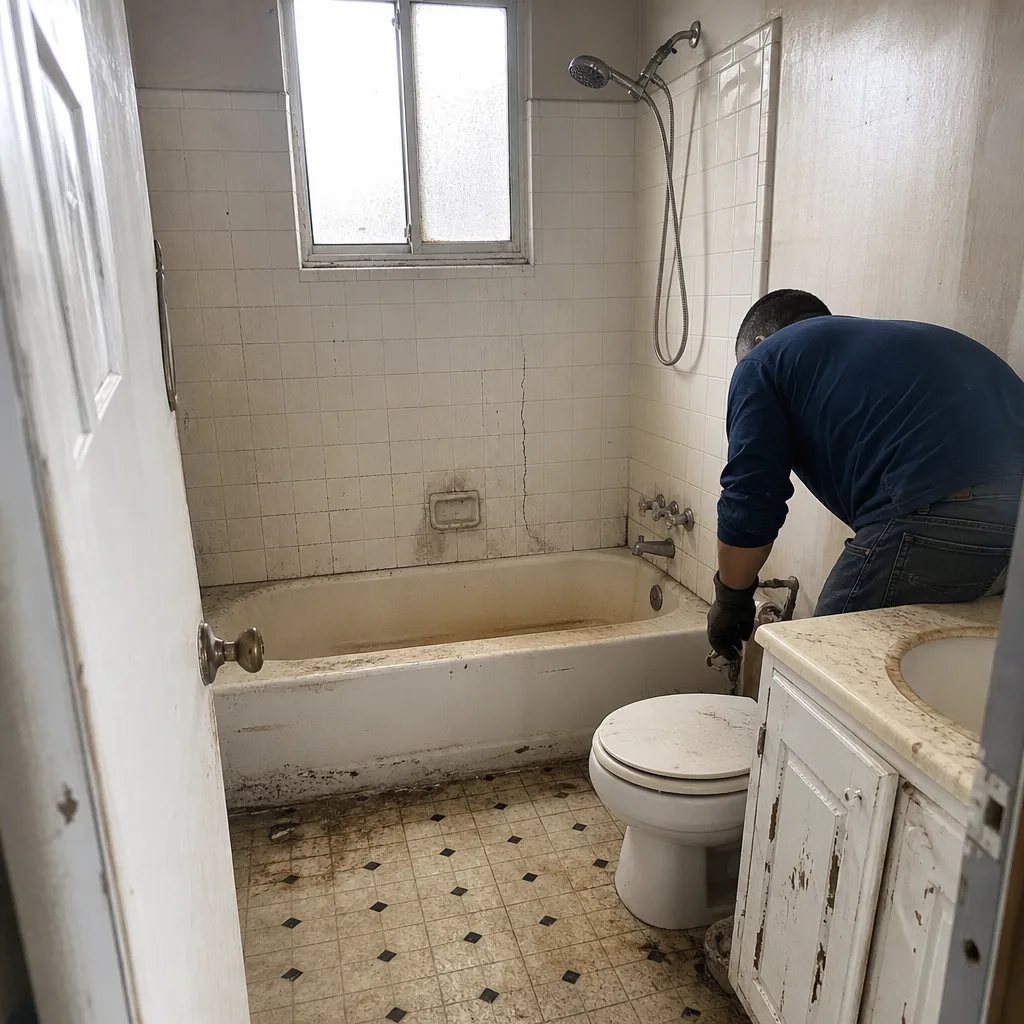 Before
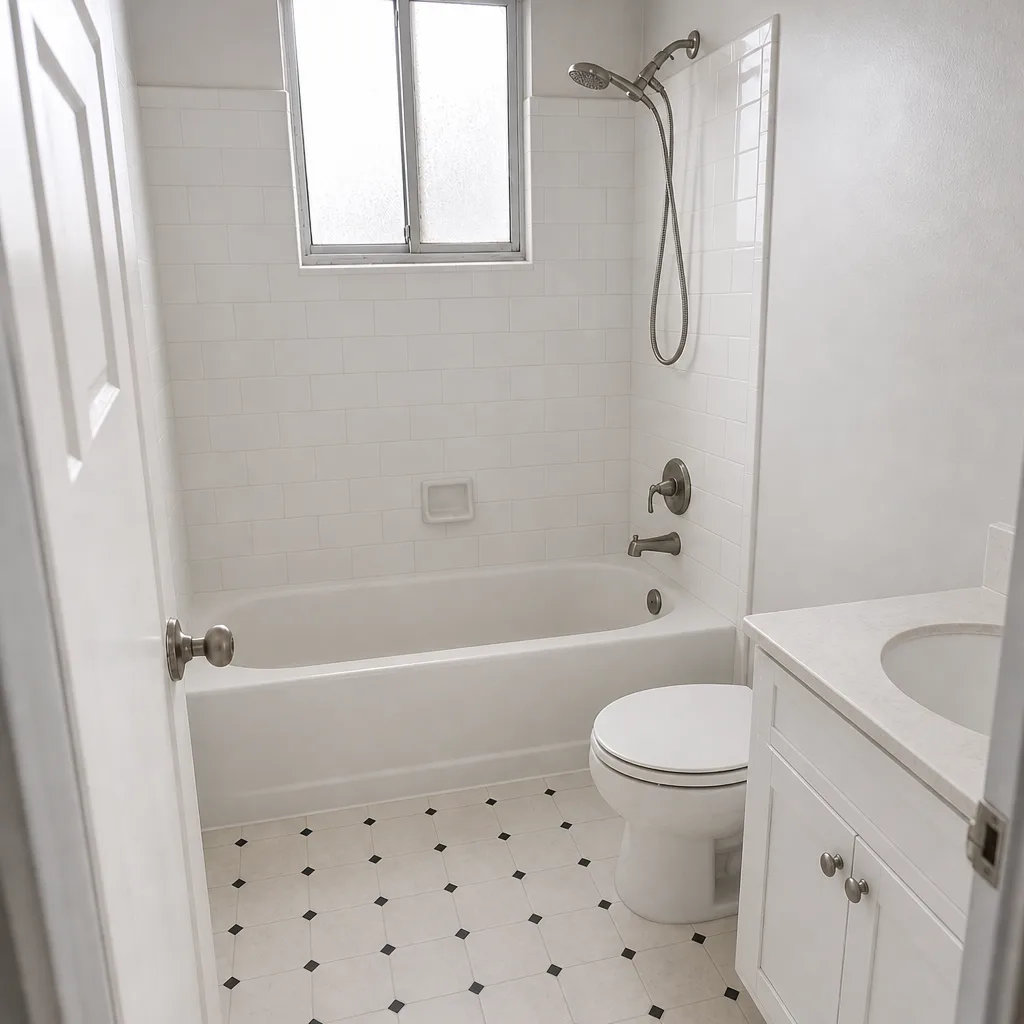 After
When to Call a Professional
Call a professional if the project requires a permit, touches electrical or gas, involves structural work, affects the roof or its waterproofing, or carries a manufacturer warranty tied to licensed installation. Call one if your homeowner insurance won’t cover your own work and you’re relying on coverage. Call one if you’re selling in the next several years and need documented, permitted history. And call one for anything where a failure could hurt someone – steep roof access, panel work, gas lines, or load-bearing changes. Groundwork Construction Co. of Buena Park offers free estimates in Buena Park – call (833) 522-5059 and we’ll tell you straight whether your project is one to keep or one to hand off.
Frequently Asked Questions

Yes – California allows a homeowner to pull an owner-builder permit and perform most construction work on a home they intend to occupy. The catch is legal liability. You become responsible for code compliance, inspections, and any injury on the job, and you give up the legal protections that apply to work done by a licensed contractor. Certain trades – electrical at the panel, gas, and some plumbing – still require a licensed professional regardless.
For pavers, roofing shingles, concrete coating systems, siding, and most exterior finishes, yes – or close to it. Those warranties typically require installation by a licensed (often factory-certified) installer. Interior finishes and small items usually aren’t affected, so it depends on the material. Check the warranty document before you buy, not after.
A mid-range Buena Park bathroom professionally runs roughly $18,000-$30,000. A skilled DIY homeowner might spend $9,000-$15,000 in materials, tools, and permits – before counting 120+ hours of their own time or a redo. When you add time valuation, tools, waste, and resale impact from unpermitted work, the real gap narrows to 20-40%, not the 60% most people assume. Call (833) 522-5059 for a free written line-item estimate so you’re comparing apples to apples.
Often not, or only partially. Many California homeowner policies exclude owner-performed structural work or deny claims tied to unpermitted installations. When water damage traces back to a DIY plumbing job or a fire to DIY electrical work, adjusters treat it very differently than a licensed-contractor install. Read your policy language and call your insurer before starting anything structural.
A hybrid splits the work at the permit line: the licensed contractor handles all permitted and structural work through final inspection, and the homeowner handles finish work afterward. It’s fully allowed and often the smartest option for bathroom and interior remodels. It works poorly on roof replacements and additions, where inspections need to stay tightly sequenced. Call us and we’ll walk through whether your project splits cleanly.
A licensed professional Buena Park bathroom typically runs 4-8 weeks from demo to final inspection, depending on scope and permit review time. A skilled DIY homeowner typically takes 3-4 months on the same project, mostly from weekend scheduling and inspection wait times between phases. Time-to-completion matters when you’re weighing a bid against your own hours.
The Bottom Line
DIY vs. hire in Buena Park isn’t a skill question. It’s a risk question. Cosmetic work with no permit, no warranty implications, and no structural exposure is safe to own. The moment a project needs a permit, touches electrical or gas, shapes the roof or the foundation, or came with a warranty tied to licensed installation, the math flips. You become the contractor of record and absorb liability you didn’t price in. A free estimate costs nothing and gets you the real comparison. Call (833) 522-5059 for a free estimate from Groundwork Construction Co. of Buena Park – we’ll tell you which side of the line your project sits on, backed by our 730-Day Done Right Promise.
Ready to look at the whole picture? Start at Groundwork Construction Co. of Buena Park home to see how a full-scope, single-contractor project fits together from foundation to finish line. Call (833) 522-5059 for a free estimate.
Written by the team at Groundwork Construction Co. of Buena Park.