Last updated November 18, 2026

Free written scope consultation - allowances, timeline, and change-order rules on paper before a single trade is scheduled
Home Additions & ADU Warning Signs Every Homeowner Should Know
If your contractor suggests “going without a permit to save time,” they’re not saving you time. They’re transferring 100% of the legal and financial risk onto you while protecting themselves from accountability. In Buena Park, where a surprising number of second-story additions and detached ADUs go up in older tracts off Beach Boulevard and along the residential blocks near Knott’s Berry Farm, we’ve watched homeowners discover the problem only when an inspector shows up at year’s end or a lender flags an unpermitted structure during a refinance. The warning signs of a project going sideways usually aren’t cracks in the foundation or a leaky roof. They’re process failures long before that. This guide covers the seven red flags that separate a safe addition from a financial trap, and how to verify each one yourself.
Quick Answer
The biggest warning signs that a home addition or ADU project is at risk are: a contractor who avoids pulling permits, a contract with vague allowances and one-sided change-order language, a rotating crew of unfamiliar subcontractors, no lien waivers at payment, and inspection reports that stall at “corrections required.” In Buena Park, a permitted ADU over a garage also requires a local zoning pre-check (setbacks, height, parking) before construction starts. If any of those signs appear, pause payments and get a written scope of work before moving forward.
Styles & brands we work with
- Kitchen remodeling
- Bathroom remodeling
- Home additions & ADU
- Roofing
- Windows & doors
- Driveway & pavers
- Fence
Table of Contents
- Warning Sign #1: Permits That Are “In Process”
- Warning Sign #2: Contract Language That Protects the Contractor, Not You
- Warning Sign #3: A Rotating Cast of Subcontractors
- Warning Sign #4: No Lien Waiver (Or a Refusal to Sign One)
- Warning Sign #5: Inspection Reports You Can’t Read
- Warning Sign #6: Allowances That Quietly Do the Heavy Lifting
- What Buena Park Actually Looks Like for ADUs
Warning Sign #1: Permits That Are “In Process”
“We’re pulling the permit right now” is one of the most overused sentences in construction. In reality, a permit is a public document. You can verify whether it’s been pulled before a single nail is driven, and any contractor who doesn’t want you to do that check is telling you something.
Here’s what Buena Park’s permitting picture actually looks like: the city’s Community Development Department routes residential additions and ADUs through plan check, and most standard submittals take weeks, not days, to clear. If a contractor tells you they’ll have a permit “by the end of the week” on a project that involves a new slab, structural tie-ins, or a second-story addition, you’re being told a story. Plan check is not a one-day transaction.
How to verify a permit has actually been pulled (not just promised)
- Ask for the permit application number. A legitimate contractor will have this within 1 – 3 business days of submitting. If they claim “the city hasn’t issued it yet” for more than three weeks on a small project, push back.
- Search the city’s online permit portal yourself. Buena Park, like most Orange County cities, publishes an address-based permit search. You should be able to see the permit type, status, and application date.
- Look for a permit placard on the job site. A posted permit card is the physical proof. If the crew is digging footings before the card is visible in the front window, call the building department.
- Ask the inspector’s name during the first site visit. If your contractor can’t name the inspector assigned to your inspections, they haven’t been through the loop yet.
- Request a copy of the approved, stamped plan set. Plan check produces a stamped set. If you never see it, the plans were never reviewed.
In Buena Park, we routinely see ADU projects on lots near the Los Coyotes area where the detached unit is within feet of a rear property line. Those setbacks aren’t negotiable, and any contractor willing to “start work and get the permit later” is gambling with your right to keep the structure standing at resale.
Warning Sign #2: Contract Language That Protects the Contractor, Not You
Construction contracts are often longer than a first-time remodeler expects, and most homeowners skim them. That’s where the trouble hides. Two specific clauses do the most damage: allowances and change orders.
An allowance is a placeholder price for a material or fixture you haven’t chosen yet, such as “Tile Allowance: $3,500.” If you pick tile that costs more, you pay the difference. That’s normal. What’s not normal is an allowance set unrealistically low to make the total bid look smaller than every competitor’s, so you sign, only to be hit with a surprise adjustment once selections begin. In Buena Park, we’ve seen kitchen and bath allowance lines set $2,000 – $4,000 below what’s needed to actually finish the room at a builder-grade level.
Change-order language is the second trap. Read the change-order clause carefully, and pay attention to whether it includes:
- A written approval process that requires your signature before work proceeds (not just a verbal “we need to do this”).
- An explicit definition of what triggers a change order (e.g., “hidden rot behind drywall,” not “worker forgot a step”).
- A stated markup percentage on change-order materials (10 – 15% is typical; 30%+ is a warning).
- A pause term that freezes work until the change order is signed, so you’re not billed for work you never approved.
If the change-order clause allows the contractor to proceed with unapproved work “at their discretion” and bill the homeowner later, don’t sign. If a contract is missing a written line-item scope of work – meaning the “scope” is one paragraph long – ask for a detailed breakdown before signing. The Groundwork Construction Co. of Buena Park approach uses fixed, upfront pricing with no change orders on the agreed scope; that structure removes the risk of this entire warning sign before work begins.
Warning Sign #3: A Rotating Cast of Subcontractors
Most additions and ADUs involve several trades: framing, electrical, plumbing, HVAC, drywall, finish carpentry. No single contractor performs all of them, so subcontractors are expected. What you should watch for is churn: a job site where different faces rotate through every week, no one seems to know the previous crew’s work, and the schedule slips by days or weeks with no explanation.
Churn is a leading indicator of two problems you can’t see from the driveway. First, the contractor owes money to their regular subs, and those subs are refusing the job. Second, the contractor is overbooked and shuffling whoever’s available. In our experience with Buena Park projects, a rotating subcontractor pattern is one of the earliest visible signs that a schedule is about to slip by 30% or more.
How to spot subcontractor churn early
- You can’t name the tradespeople on your job by the second week. (A reasonable contractor introduces the lead carpenter, plumber, and electrician.)
- The same two subcontractors who finished the framing disappear permanently after a specific payment milestone.
- Subs start asking you, the homeowner, when they’ll get paid, or whether the general contractor is “good for the check.” That’s a serious signal.
- Crews show up in unmarked, personal vehicles and immediately ask to be pointed at “the job.”
- You’re told “the drywall guy is out of town” for more than ten days on an interior addition.
Buena Park has a lot of very reputable independent trade crews working across Orange County. If your project is on schedule at week six with the same faces, you’re in good shape. If two or three trades have already vanished without finishing their scope, you’re likely watching the schedule unravel.
Warning Sign #4: No Lien Waiver (Or a Refusal to Sign One)
A lien waiver is a one-page document, and it’s the single most important piece of paper in your project file besides the contract itself. A lien waiver states, in writing, that the contractor (or subcontractor) has been paid for work through a specific date and gives up their right to file a mechanic’s lien against your property for that work. You should receive a signed waiver at every payment milestone, tied specifically to the payment amount.
Why this matters: in California, mechanics lien law allows unpaid subcontractors and material suppliers to file a lien on your home if the general contractor fails to pay them – even if you paid the general contractor in full. You can end up paying twice, or with a lien filed against the property that clouds title until resolved.
What to require in writing at every payment
- A conditional waiver on the day of payment (proving the specific amount being paid has been received).
- An unconditional waiver within 24 hours after payment clears, confirming the funds were received and the lien right on that amount is waived.
- Separate waivers from each major subcontractor and supplier on jobs over a certain size (usually anything beyond a single-trade job).
- A “progress” waiver that explicitly covers the payment stage, not the entire project – do not sign a full and final unconditional waiver mid-project.
If a contractor won’t sign a lien waiver at a payment milestone, a reasonable contractor will always sign these – they’re standard. A refusal, or a “we only do that at the end” response, is one of the strongest warning signs on this list. Groundwork Construction Co. of Buena Park treats these waivers as a baseline requirement, not a special request, and the 730-Day Done Right Promise means the paperwork trail is expected to hold up years later, not just at closing.
Warning Sign #5: Inspection Reports You Can’t Read
Inspections on an addition or ADU are one of the few parts of construction where the process is documented publicly. From the moment your project reaches rough framing, you’ll start seeing inspection visits. Each inspection report either stamps Approved, or it issues Corrections Required. The difference is usually 48 hours of work versus 2 – 6 weeks of schedule slip.
What to watch for, especially around Buena Park additions:
- “Corrections Required” that keeps repeating on the same phase (framing, then framing again) means the contractor’s second attempt missed something. Two failed framing inspections on the same job is a meaningful risk signal.
- Missing inspections – if the contractor closes up walls, covers framing, or pours concrete without the inspection having been signed off, you have a serious structural and legal problem, not just a schedule one.
- No final inspection within 30 days of substantial completion – this usually means something was skipped.
- Missing permit sign-off at closing – you cannot legally occupy or rent out an ADU in Buena Park without a final inspection and certificate of occupancy (or equivalent sign-off).
How to read inspection progress yourself
Buena Park’s online permit portal shows the inspection log. Each entry will have a date, a phase label, and a result. Match the phase to the actual physical state of the job. If the portal says “Framing Inspection: Approved” but your framing is still exposed and unfinished, ask for the inspector’s report. Most municipalities post the actual inspector comments, not just a pass/fail. You can read these without a contractor’s help.
Warning Sign #6: Allowances That Quietly Do the Heavy Lifting
Allowances are supposed to be placeholders. When a contract leans on them heavily, they become a hidden bidder’s discount. If you see a bid that includes more than 8 – 10 allowance lines, that’s a signal to look carefully. A typical Buena Park kitchen or bath scope might have 3 – 5 legitimate allowances for materials you haven’t yet selected; anything beyond that is usually a way to keep the headline number low while pushing real costs into change orders.
When choosing finishes, the difference between builder-grade and a step up is real. Anchoring on known brands – Silestone or Caesarstone for quartz surfaces, Kohler or Moen for fixtures – gives you a material reference point you can price independently. That means when the allowance line says “$X,” you can check whether it’s actually realistic in today’s Orange County market before you sign. If the allowance is unrealistic and the contractor shrugs at your brand choice, the “extra” costs will appear as a change order later.
What Buena Park Actually Looks Like for ADUs
Buena Park sits between the 5 and the 91, and its housing stock is a mix of mid-century tract homes (much of it built from the late 1940s through the 1970s) and newer infill. That has three implications for ADU and addition projects in the city that homeowners rarely hear discussed up front:
- Setback and lot coverage on older lots. Many Buena Park lots are smaller than the newer buildable lots in surrounding Orange County cities, meaning a detached ADU can run into lot-coverage or rear-setback limits you’ll need to design around, not discover after starting.
- Utility tie-ins on additions over ~500 sq ft. Adding a full kitchen or laundry room to an ADU often triggers an electrical service upgrade. The cost of a panel upgrade in Buena Park runs more than homeowners expect if the existing panel is from the original build era.
- Warm, dry summers with Santa Ana wind exposure. Buena Park’s climate is mild, but the seasonal Santa Ana winds and summer heat put specific demands on roof tie-in, window selections, and exterior moisture detailing for the new structure. A poorly sealed addition will show the first signs of trouble within two summers, not ten.
That local context is where a full-scope partner like Home Additions & ADU in Buena Park pays for itself: the plan review, the permit strategy, and the schedule sequencing happen before a shovel touches the dirt. If your project scope crosses into landscaping or hardscape alongside the addition, we also handle Driveway & Pavers in Buena Park and Fence Installation in Buena Park as part of the same project plan, which avoids the “half-finished yard” problem that lingers after many additions.
Common Mistakes to Avoid
- Signing the contract without a line-item scope. A one-paragraph scope, however polished, isn’t a scope. You need line items for framing, electrical, plumbing, finish, and debris removal, all broken out. Otherwise, “we’ll handle the details” becomes a change order.
- Paying a large deposit before a permit is even submitted. A deposit is normal, but no more than 10% before plan check. If the contractor is asking for 30% up front before they’ve submitted anything to Buena Park’s building department, stop and get clarity.
- Accepting “trust us, we do this all the time” instead of a written schedule. A real schedule is one page and has milestone dates. If you don’t have one, the schedule will slip without anyone acknowledging it.
- Not getting a final inspection sign-off before releasing the last 10%. Buena Park requires final inspection and certificate of occupancy on an ADU. That last payment is your leverage. Don’t release it until the sign-off is in writing.
- Assuming subcontractors are paid because you paid the general contractor. They’re not. Lien waivers are how you know.
- Letting the contractor “shop” for materials outside the agreed schedule. Buena Park has good local suppliers, but substitutions that skip you are how a Caesarstone quartz becomes a lesser brand without your approval.
- Ignoring the first “corrections required” inspection. One is normal. Two on the same phase is a warning. Three is a conversation about whether to keep the contractor.
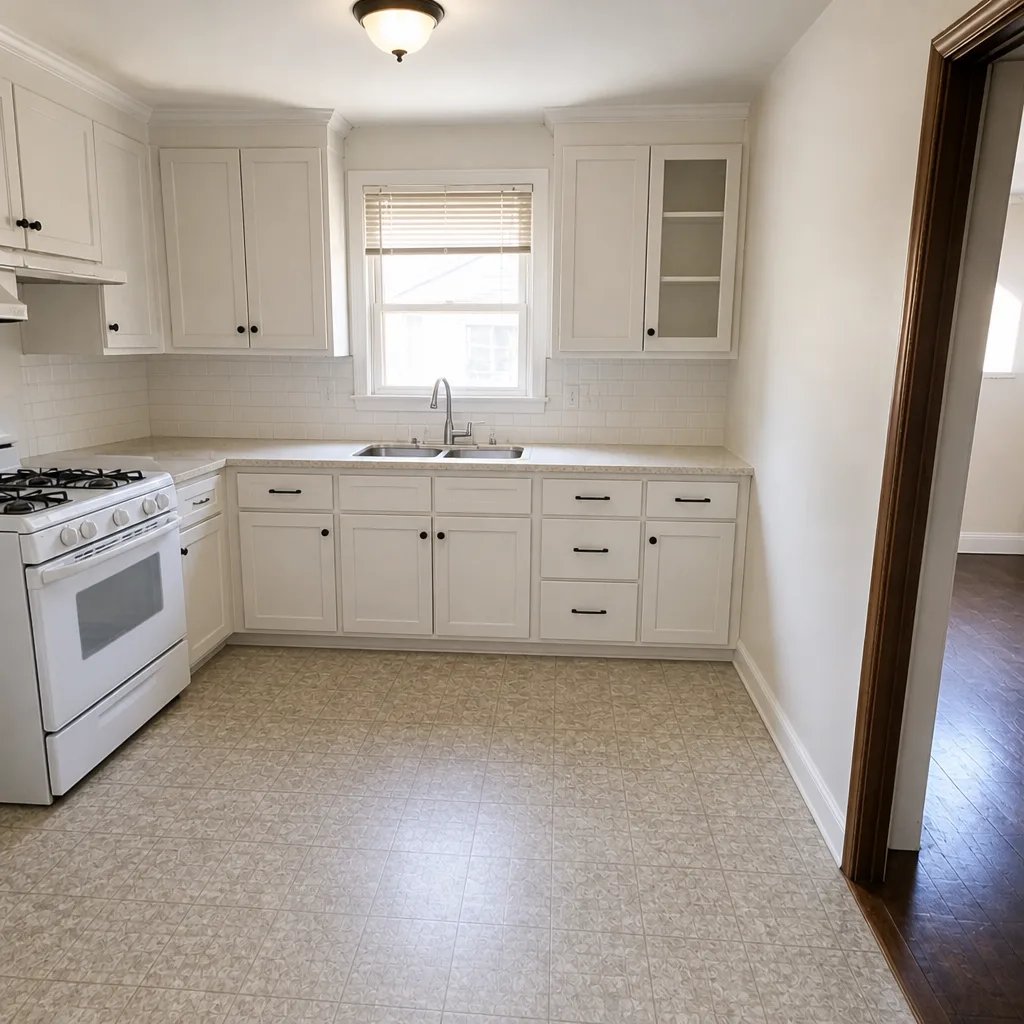
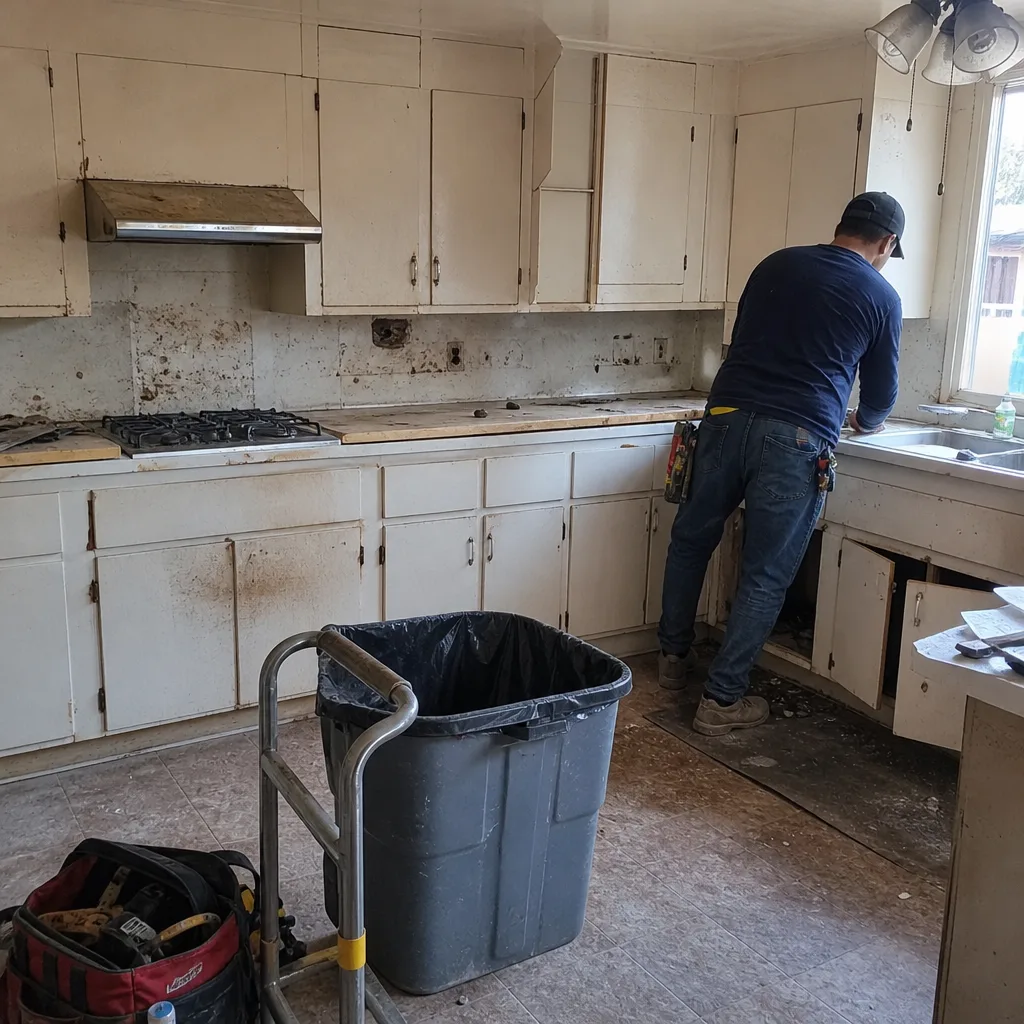
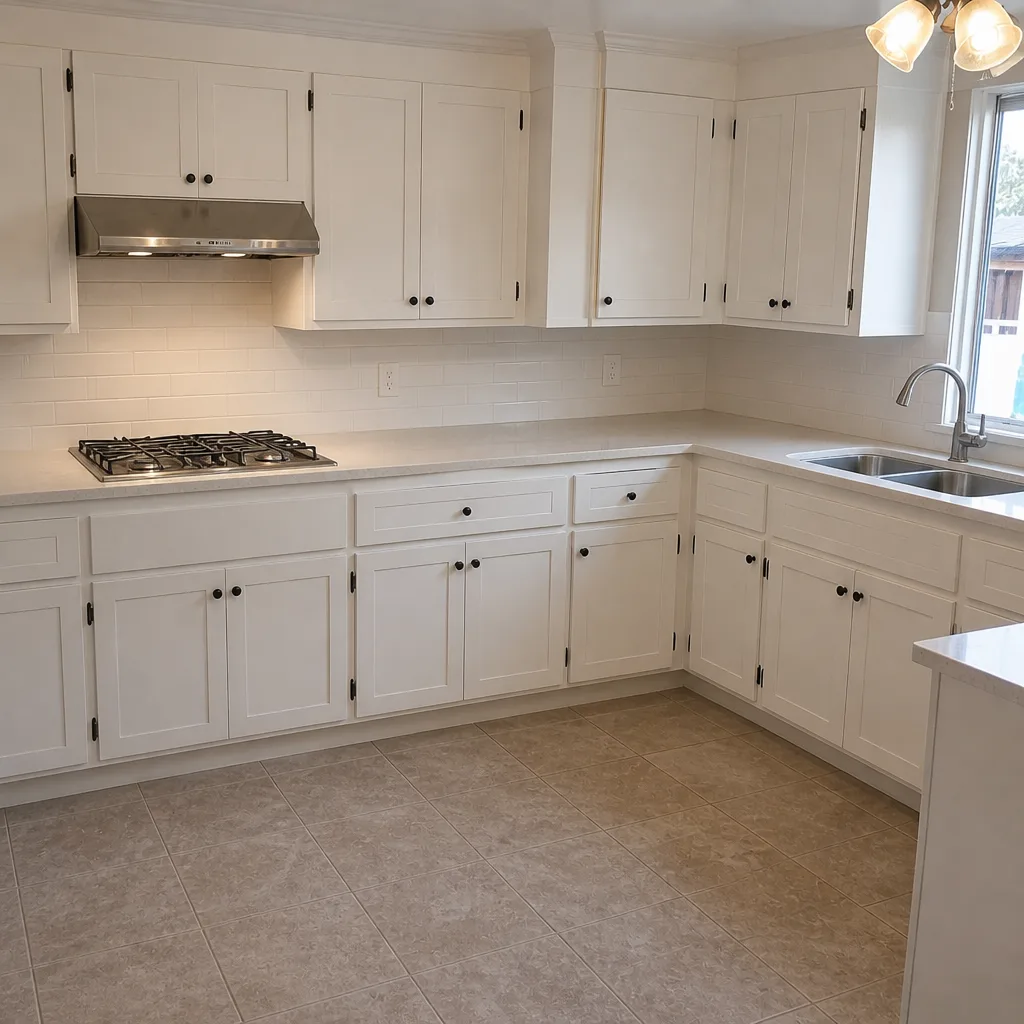
See the difference
 Before
 After
 Before
 After
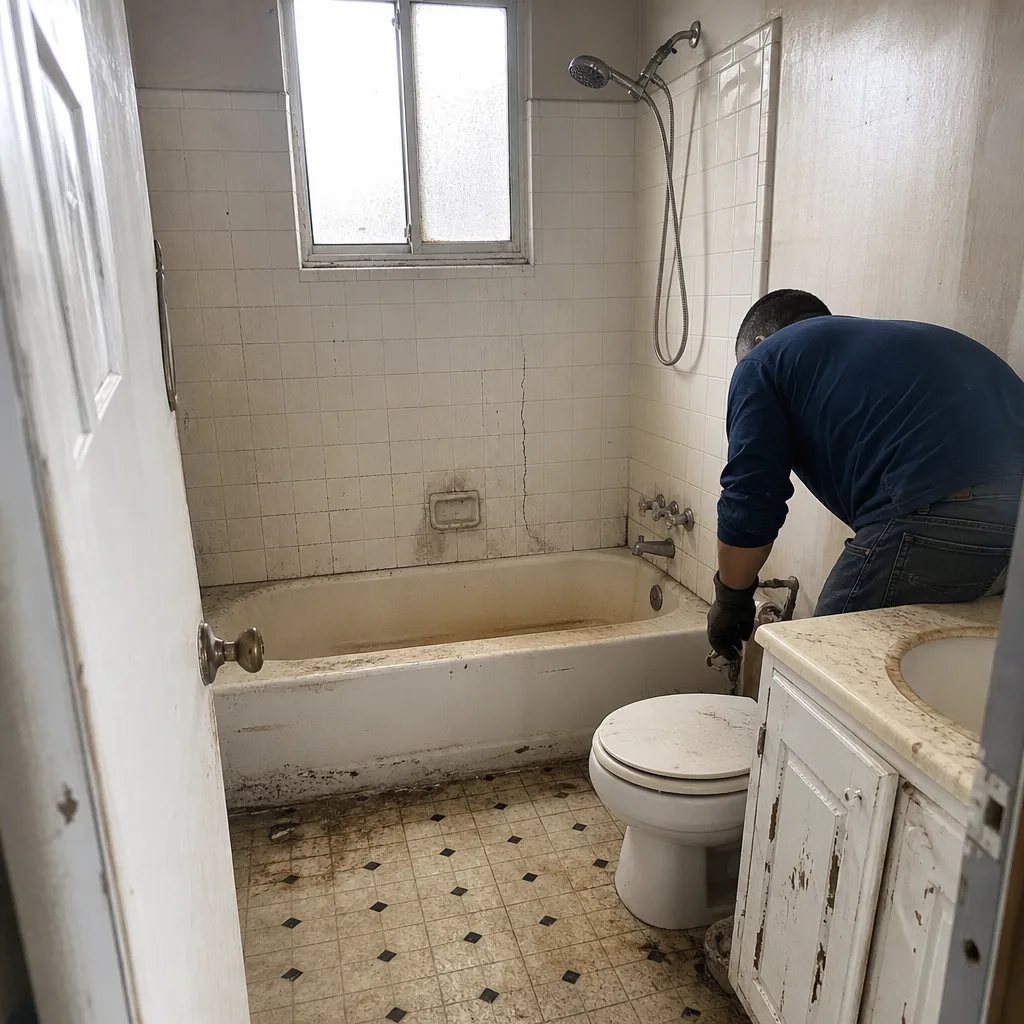 Before
 After
When to Call a Professional
Call a professional, and stop writing checks, when any of the following is true on your Buena Park project: your contractor can’t produce a permit application number after three weeks; a subcontractor has asked you directly about payment; you’ve received a “corrections required” inspection on the same phase twice; or you’re within 60 days of a planned lease start and your ADU doesn’t have a final inspection date. Each of these is a schedule risk, not just an administrative problem, and each can be resolved cleanly if action happens early. Groundwork Construction Co. of Buena Park offers free estimates in Buena Park, with a written line-item scope and a fixed price so you know what you’re signing before you sign it. Our technicians have up to 12 years of experience, all are background-checked, and our calls are answered by a live person 24/7. Reach us at (833) 522-5059 to schedule a free estimate and design consult on your addition or ADU.
Frequently Asked Questions

You verify by checking the city’s online permit portal against your property address and asking for the permit application number. Buena Park publishes a permit log that shows application date, type, and status. If your contractor’s answer is “it’s in process” for more than three weeks on a standard ADU, ask for the submittal receipt. A real submittal produces a real receipt with a timestamp; a “we’ll do it Monday” produces nothing.
“Approved” means the inspector signed off on the phase; you can move forward. “Corrections Required” means something in the work didn’t match the approved plan or applicable code, and the work has to be corrected and re-inspected. One correction on a phase is normal and usually costs 2 – 10 days. Two on the same phase suggests the contractor isn’t reading the plan or the inspector’s comments closely, which is a bigger warning sign. Call (833) 522-5059 if you want a second opinion on your inspection report.
A lien waiver is your proof that the contractor and their subs have been paid for the work completed in that payment stage. Without it, an unpaid subcontractor can file a lien against your property, even after you’ve paid the general contractor. Require a conditional waiver at the time of payment and an unconditional waiver within 24 hours after the funds clear. If the contractor refuses, that’s a signal to walk, not to negotiate.
Watch for allowances set unrealistically low on high-visibility items (tile, cabinets, plumbing fixtures, windows) and for a total count of allowance lines over 8 – 10. In Buena Park, a $2,500 tile allowance on a 200 sq ft kitchen is a red flag; a realistic figure is closer to $4,000 – $6,000 for mid-grade quartz and porcelain. Verify allowances against actual local pricing on brands like Silestone or Kohler before signing. Call (833) 522-5059 for a free line-item estimate you can compare.
Some rotation is normal because trades come and go at different phases. The warning sign is churn: unfamiliar faces every week, missing trades who never come back, subcontractors asking you directly about payment. In our experience, that pattern almost always means either the contractor is overbooked or the subs are worried about being paid. Both are schedule and quality risks for you. It’s worth asking the contractor directly for a written trade schedule (framing, electrical, plumbing, drywall, finish) with dates.
The first step is an honest conversation with the city about what’s called an “as-built” review, where an inspector reviews the existing structure against current code and issues a permit after the fact, if the structure is safe and code-compliant enough to legalize. That can be a lengthy process and isn’t guaranteed. The best move is to get a professional assessment before you contact the city, so you know what issues exist and can plan for them. Call (833) 522-5059 for a free assessment of what legalization would require.
The Bottom Line
The warning signs that an addition or ADU is at risk are almost always visible before any quality problem shows up in the finished work. Permit verification, contract-language review, subcontractor churn, lien waivers, inspection reports, and allowance realism are the six early indicators that separate a safe project from a financial trap. In Buena Park, where older lots and specific ADU setback requirements make local plan review critical, having a partner who handles permit strategy and the schedule up front matters more than saving 5% on the bid. Start with a written scope, a permit in hand, and a lien waiver at every payment. That’s the whole playbook.
If you’re planning an addition or ADU anywhere in Buena Park and want a fixed, line-item price with the permitting and inspection trail handled for you, Groundwork Construction Co. of Buena Park is ready to walk you through the scope. Our work is backed by the 730-Day Done Right Promise – if it’s not done right, we make it right, in writing, for two full years after completion. We answer calls with a live person 24/7, honor a $1,000-off promotion on projects over $10,000, and offer 0% financing for 18 months so a full addition or ADU stays within reach. Get started from the Groundwork Construction Co. of Buena Park home page, or call (833) 522-5059 to schedule your free project estimate and design consult. Our technicians have up to 12 years of experience, our brand partners include KraftMaid, Kohler, GAF, Andersen, and dozens more, and every project is built to last, backed in writing.
Written by the team at Groundwork Construction Co. of Buena Park.