Last updated November 18, 2026



Free written scope consultation - allowances, timeline, and change-order rules on paper before a single trade is scheduled
How Long Does Fence Installation Take? Timelines and What to Expect
A 150-foot wood fence can take one day to install and three weeks to actually finish. The gap has nothing to do with how big the crew is or how fast they swing a hammer. It comes down to a chain of decisions and approvals set in motion weeks before anyone digs a post hole: permits, utility locates, HOA sign-off, material lead times, and concrete that has to cure on its own schedule whether you want it to or not. Most timeline guides skip all of that and hand you a tidy number. We’re going to walk the whole chain, phase by phase, so you can plan a fence project in Buena Park without watching a half-built fence sit in your yard for a month.
Quick Answer
Fence installation itself usually takes 1 to 3 days for a standard residential lot, but the full project from estimate to final walkthrough typically runs 3 to 8 weeks once you count permitting, utility locates, HOA approval, material lead times, and concrete cure time. Removing an old fence and setting posts in hard or rocky soil pushes installation to 2 to 4 days. The single biggest variable isn’t labor; it’s how far in advance the paperwork and materials were lined up.
Styles & brands we work with
- Kitchen remodeling
- Bathroom remodeling
- Home additions & ADU
- Roofing
- Windows & doors
- Driveway & pavers
- Fence
Table of Contents
- The Real Timeline: Why Install Day Is the Short Part
- Permits and Utility Locates: The Phase Most Timelines Ignore
- HOA Approval: The Two-to-Four-Week Step Before Any Shovel
- Material Lead Times by Type and Season
- Install Day: What Actually Happens Hour by Hour
- Concrete Cure Time and Why It Can’t Be Rushed
- Phase-by-Phase Timeline at a Glance
- Buena Park Factors: Soil, Weather, and Property Lines
The Real Timeline: Why Install Day Is the Short Part
People ask how long fence installation takes and expect a single number. The honest answer splits the project into two clocks. The first clock is installation: setting posts, hanging panels or pickets, building gates, and cleaning up. For most Buena Park yards, that’s 1 to 3 days. The second clock is everything that has to happen before a post goes in the ground, and that’s where weeks disappear.
Here’s the chain in order. It’s worth reading as a sequence, because each step depends on the one before it:
- Site measurement and estimate – 1 to 3 days to schedule, longer in spring when everyone calls at once.
- HOA submittal and approval (if applicable) – 2 to 4 weeks.
- Permit application and issuance (if required) – 1 to 3 weeks, sometimes longer with plan corrections.
- Utility locate request – 2 to 10 business days, legally required before digging.
- Material order and delivery – 3 days for standard lumber in stock, 3 to 8 weeks for cedar, aluminum, or custom vinyl.
- Installation – 1 to 3 days.
- Concrete cure and gate hardware adjustment – 24 to 72 hours before heavy loading, with gates finalized after.
Notice what’s short and what’s long. We’ve met homeowners in Buena Park who assumed the job would be done the week they called, then lost three weeks waiting on an HOA architectural committee that meets once a month. Start the top of that chain earlier than feels necessary and the rest moves a lot smoother.
Permits and Utility Locates: The Phase Most Timelines Ignore
Fence permitting in Buena Park and the surrounding Orange County cities follows a rule that surprises people: permit requirements are usually triggered by height, location, and material, not by whether it’s “just a fence.” A fence on a standard interior lot often needs no permit at all. A fence over a certain height, a fence in a front yard, or a fence along a corner property’s sight lines can require a permit and a site plan review.
Utility locates are a separate legal requirement, and they apply whether or not you need a permit. Before anyone drives a digging bar into the ground, the 811 service (in California, that’s Underground Service Alert) has to mark buried lines. That means gas, water, sewer, electrical, and telecom. Here’s the practical sequence:
- Call 811 and submit the locate request – plan on 2 to 10 business days for markings, longer if there’s high call volume.
- Wait for the marks – digging before the marks are down is how sewer laterals and irrigation lines get punctured, and the repair cost lands on the homeowner.
- Verify private lines – 811 marks public utilities only. Private lines to a pool, detached garage, or landscape lighting may need a private locator.
- Re-locate if marks fade – if more than a couple weeks pass between marking and digging, the marks may need a refresh.
In a dense Buena Park neighborhood, lots are narrow and utility easements often run right along the back fence line. We’ve seen more than one project in the Beach Boulevard corridor get held up because the planned post line sat directly over a marked easement and had to be shifted inward a foot. That adjustment costs nothing if you catch it during planning and everything if you find it mid-dig. If you want the full breakdown of the fence types we install and how each affects permitting, the Fence Installation in Buena Park page lays it out.
HOA Approval: The Two-to-Four-Week Step Before Any Shovel
If your home sits in an HOA, the architectural review committee controls your timeline more than the contractor does. Most Buena Park HOAs require a submittal package with a site plan showing the fence location, height, material, color, and sometimes a neighbor acknowledgment or photo of the existing fence. The committee then reviews it at a scheduled meeting, and if it only meets monthly, a missing signature can cost you a full cycle.
What the approval phase realistically adds:
- 2 to 4 weeks for a complete, well-prepared submittal in a responsive HOA.
- 4 to 6 weeks if the package comes back for revisions or the committee meets monthly.
- Same-week approval in an HOA that grants fast-track approval for like-for-like replacements matching the existing design.
The single biggest time-saver here is submitting a clean package the first time. That means original material spec sheets, the exact color code, and a site plan with dimensions to the inch. We’ve watched homeowners resubmit three times because the fence color on the form didn’t match the paint chip on the plan. Prepare it once, correctly, and the review goes through in a single meeting instead of three.
Material Lead Times by Type and Season
This is the wild card that turns a 3-week project into a 2-month project. Installation speed is roughly similar across fence types, but availability is not. Here’s what we see in the current market:
- Pressure-treated pine – typically in stock or a few days out. The workhorse material, easiest to get on a short timeline.
- Cedar – often 1 to 3 weeks out, and 3 to 6 weeks in spring when demand spikes. Cedar’s natural rot resistance makes it a popular pick along the coast, which is exactly why it’s the first thing to go short.
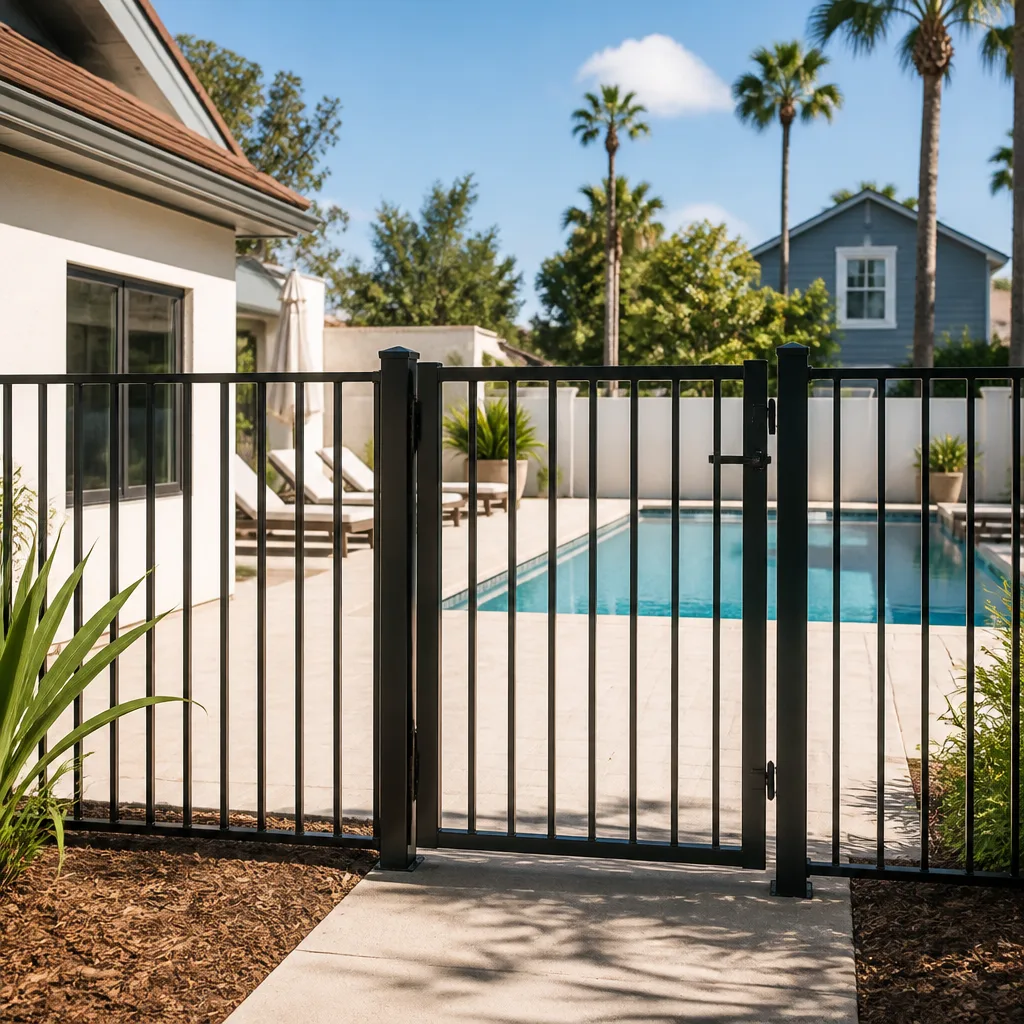
- Aluminum and ornamental steel – 3 to 8 weeks, since these ship from regional fabricators and custom powder-coat colors add time.
- Vinyl (PVC) – 1 to 4 weeks depending on style; premium colors and matched post caps run on the longer side.
- Composite and simulated wood – 2 to 5 weeks, similar to vinyl with fewer stock options.
Seasonality matters as much as material. Fence demand climbs from March through September, when homeowners in Buena Park plan around the dry weather. That’s also when mills and fabricators get backed up. A material that arrives in five days in January can take five weeks in May. The smart move is ordering material the moment the design is locked, before the HOA and permit steps fully clear, so the delivery lands right as approvals come through. We coordinate that sequencing on every job because a fence sitting in the driveway waiting on a permit is no faster than a fence still at the mill.
Install Day: What Actually Happens Hour by Hour
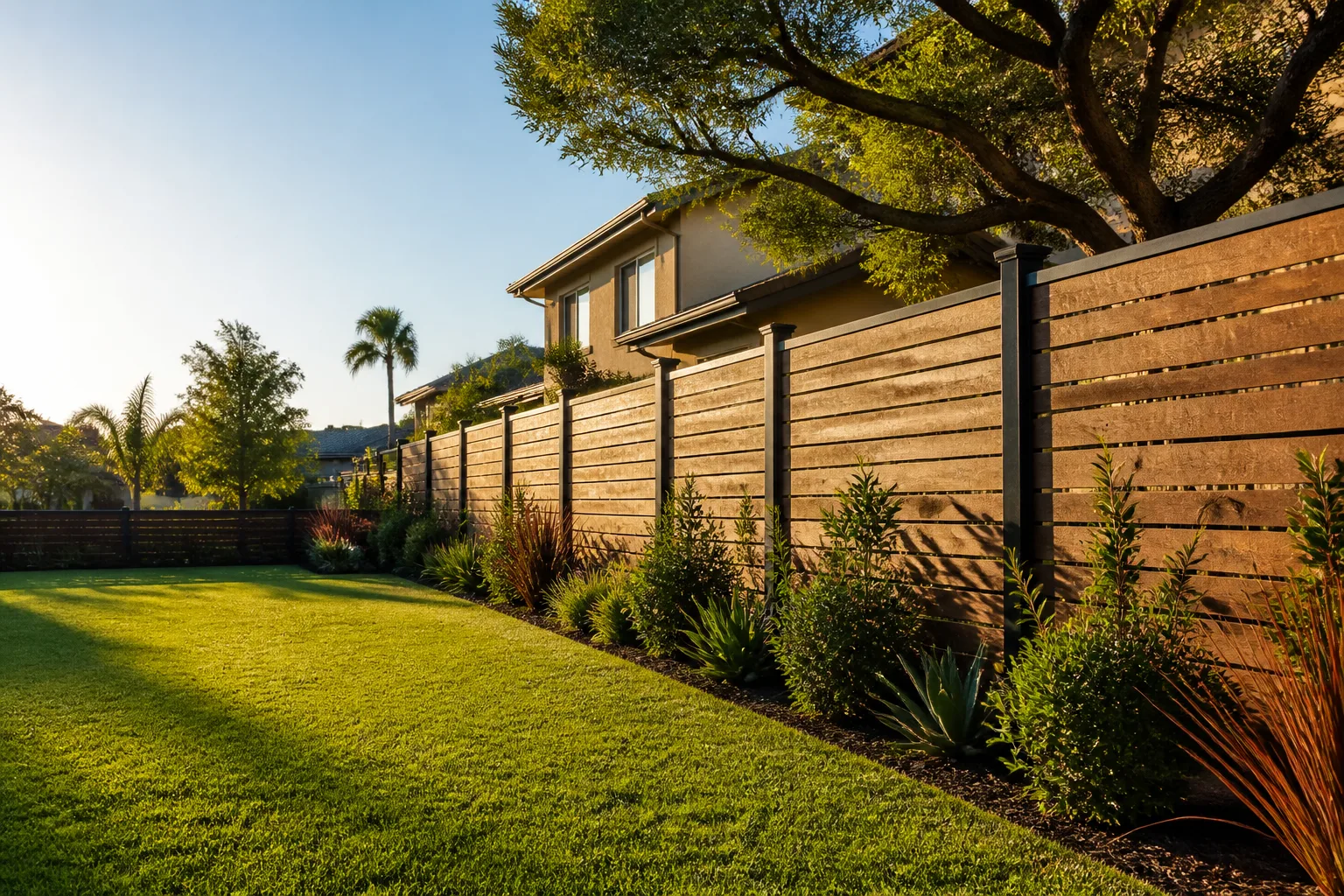
On install day, the pace is set by physics, not manpower. A 150-foot privacy fence with about 25 to 30 posts typically unfolds like this for a standard 6-foot dog-ear cedar or pine fence:
- Morning: layout and old-fence removal. Crews string-line the property corners and mark post centers. If there’s an existing fence, it comes out first – half a day for a typical run of failing wood.
- Mid-morning: post holes. Holes get dug to depth, checked against the utility marks, and set with concrete. On tricky Buena Park soil or where roots and hardpan show up, this step slows down.
- Late morning to early afternoon: posts plumbed and braced. Posts are leveled, braced, and left to cure. This is the critical step; rushing it is how fences lean within a year.
- Afternoon: rails and pickets. Once posts are set and stable, horizontal rails go up, then pickets or panels. Fence boards, most of the visible progress, happen here.
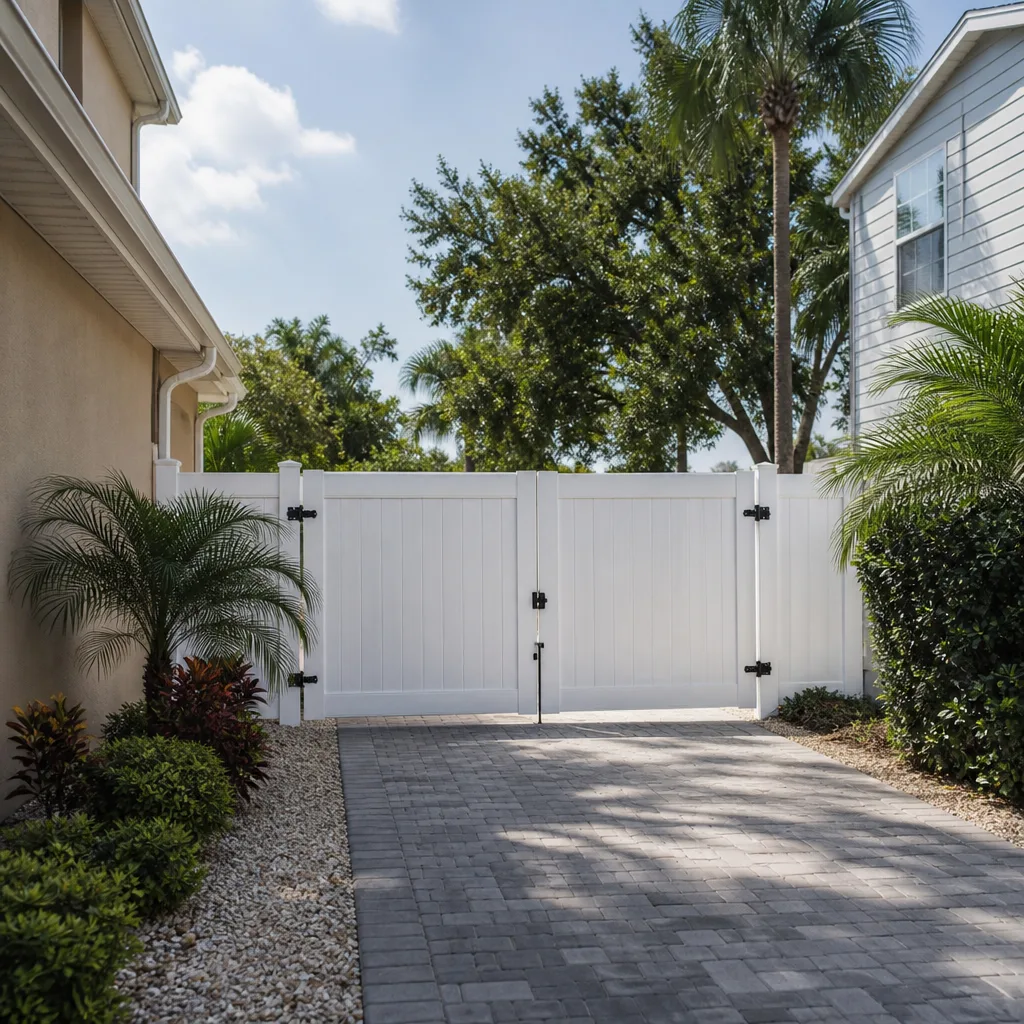
- End of day or next morning: gates and cleanup. Gates get hung and aligned last because they need the surrounding posts fully cured to hang true. Hardware, latches, and any staining or sealing come after.
Two things people don’t expect: first, that installation often stretches into a second day because crews won’t hang pickets on posts set the same morning if the concrete is still soft. Second, that removing an old fence, dealing with concrete footings left in the ground, or working around a slope can each add hours. We tell homeowners to budget 2 to 4 days for the installation window if any of those complications apply.
Concrete Cure Time and Why It Can’t Be Rushed
Concrete doesn’t care about your schedule. Posts set in a fast-drying mix reach initial set within a few hours, but a fence post needs real curing before it resists sideways pressure from wind, boards, or a gate swinging. The short version:
- Initial set – 4 to 8 hours depending on mix and temperature. Posts should stay undisturbed.
- Enough to build on – 24 to 48 hours before hanging rails and pickets on the post.
- Near-full structural strength – 7 days for a fence post mix in warm conditions.
- Fully cured – about 28 days, though fences rarely need to wait that long before normal use.
What happens if posts get set too soon? A post pushed before the mix has cured can shift out of plumb, and once the concrete hardens around a leaning post, that lean is permanent. A gate hung too early on a shifting post knocks out of alignment and drags. A fence that gets loaded with wind force on wet concrete can tip as a whole run. We’ve seen short-term “same-day” fence jobs where pickets were nailed within an hour of the pour. Those fences are the ones leaning toward the neighbor’s yard a season or two later.
Gates are the most demanding element: a gate is a cantilever on two posts, and those posts need the most curing before the gate goes on. Builders who understand this sequence schedule gates last, sometimes the morning after the pickets go up. That small wait is why a well-built fence stays plumb for years. If you’re also planning hardscape around the fence line, the Driveway & Pavers in Buena Park page covers how paver work interacts with fence footings.
Phase-by-Phase Timeline at a Glance
This is the whole project in one table. Treat the ranges as planning windows, not promises; the low end applies when everything is in stock and approvals are clean, and the high end applies in peak season or with HOA and permit delays.
| Phase | Typical Duration | What Causes Delays |
|---|---|---|
| Estimate and site measure | 1-3 days | Peak-season scheduling |
| HOA architectural approval | 2-4 weeks | Incomplete submittals, monthly meeting cycles |
| Permit application and issuance | 1-3 weeks | Height or location triggers, plan corrections |
| Utility locate (811) | 2-10 business days | High call volume, private lines needing a locator |
| Material order and delivery | 3 days-8 weeks | Material type (cedar, aluminum), season |
| Old fence removal | 2-6 hours | Embedded concrete footings, rotten posts |
| Installation | 1-3 days | Hard soil, slope, gate count, property line issues |
| Concrete cure | 24-72 hours before load | Cooler weather, slow-setting mix |
| Finish work (gates, staining, inspection) | Half day-1 day | Final inspection scheduling if permit required |
String the phases together and a straightforward project runs 3 to 4 weeks. A project needing HOA and permit approval with a material on backorder runs 6 to 8 weeks. And a project where nobody started the paperwork until install day? That’s the one that drags into a second month with an open fence line in the yard.
Buena Park Factors: Soil, Weather, and Property Lines
Buena Park sits on a mix of soils that range from loose sandy loam near the older tracts to firmer clay and shallow hardpan closer to the hills. What that means for a fence timeline is simple: post hole depth has to be right for the soil, and the wrong depth is the top cause of fences that lean after the first Santa Ana wind event. In clay, holes get dug deeper to reach stable bearing; in sandy soil, they sometimes need wider concrete footings. If your fence line runs over a slope, install day stretches because posts step down the grade rather than sit level.
Weather is a minor factor in Buena Park compared to most of the country, but it isn’t zero. Coastal moisture along the western neighborhoods encourages rot, which is why we favor naturally rot-resistant cedar or treated pine and metal or vinyl for longer low-maintenance lifespans. The dry months are ideal for concrete cure and for the finishing steps, and the occasional winter rainstorm can push the schedule by a day or two if it hits mid-project. It’s not enough to plan your whole project around, but it’s worth factoring in if you’re aiming for a specific start week.
Property lines are the local headache people don’t plan for. In older Buena Park tracts, fences often sit several inches off the surveyed line from decades of gradual drift, and a fence rebuild is the moment that gets discovered. If a boundary dispute surfaces, the whole install pauses while it’s resolved. We recommend a survey anytime there’s doubt, and we always walk the line with the homeowner before the first hole is dug. For homeowners expanding their effort into larger property improvements, the Home Additions & ADU in Buena Park page covers how fencing integrates with a bigger build.
Common Mistakes to Avoid
- Starting the paperwork on install day. The single biggest delay cause. Order the HOA submittal and the 811 request the week you sign the estimate, not the week after.
- Assuming no permit is required. Height, front-yard placement, and corner-lot sight lines all change the answer. Check with Buena Park’s building department before you buy material.
- Ordering material late in the season. A cedar or aluminum order placed in May can take triple the lead time of one placed in January. Lock the order early and let delivery land as approvals clear.
- Digging before utility marks are down. Puncturing a sewer lateral or an irrigation line in a Buena Park yard is a repair bill that dwarfs the fence cost, and it’s avoidable by waiting for the 811 marks.
- Rushing the concrete. Posts loaded before the mix cures are the source of every leaning fence we’ve been called to fix. A plumb fence needs a day or two of patience.
- Hanging gates before posts cure. Gates are the most stress-loaded part of a fence. Hang them last, and expect the gate to be the final adjustment on install day.
- Skipping a survey where the line is uncertain. A fence built on a drifting property line is a fence that may need to come out. Confirm the line first.
See the difference
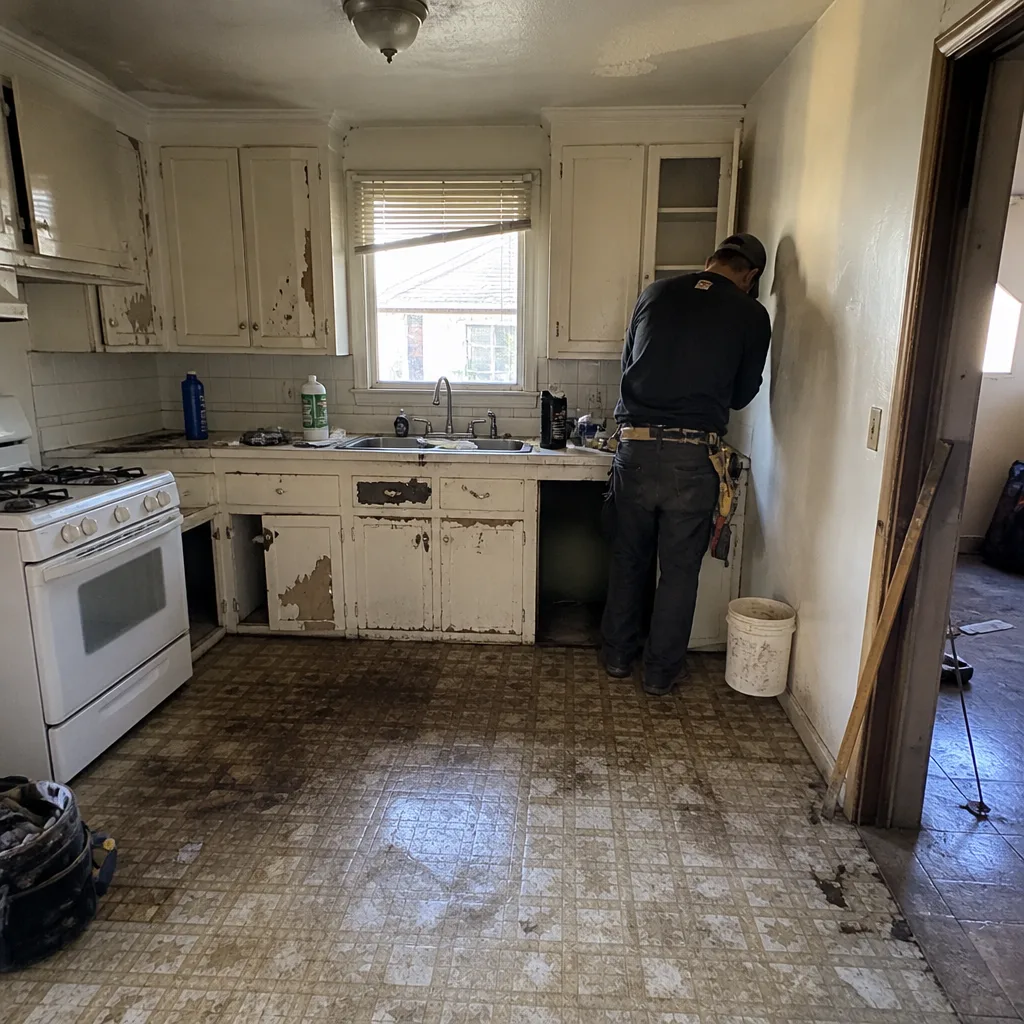 Before
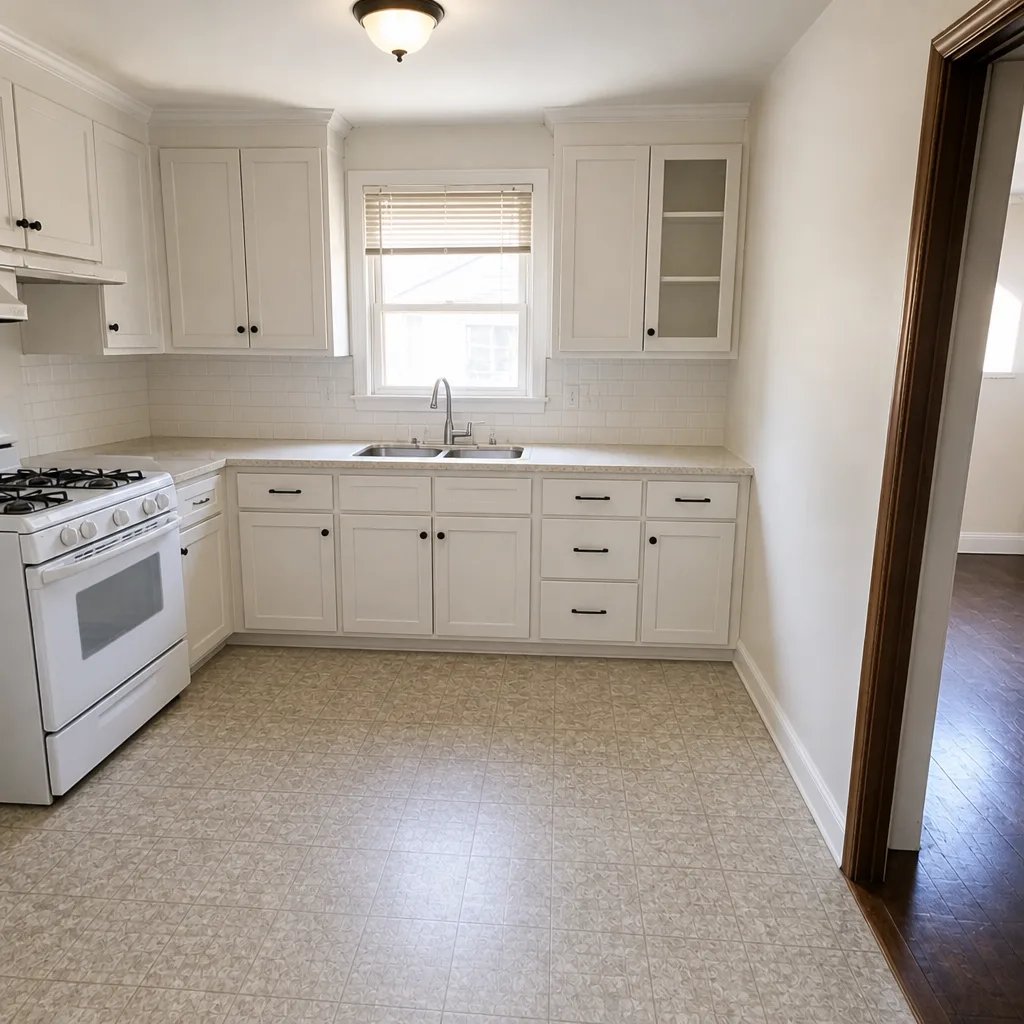 After
 Before
 After
 Before
 After
When to Call a Professional
Some fence projects are a straightforward weekend job, but the ones that go wrong are usually the ones with hidden complexity. Call a professional when your fence needs a permit because of height or placement, when the property line is uncertain, when the planned post line runs near utility easements, when you’re dealing with a slope or hardpan soil, when you need a gate hung plumb, or when an HOA approval and material order need to run in parallel to hit a deadline. Those are the situations where the chain we walked through pays for itself. Groundwork Construction Co. of Buena Park offers free estimates in Buena Park – call (833) 522-5059, and every estimate comes with a written line-item quote so you can see exactly what the phases add to the timeline before you commit.
Frequently Asked Questions
The installation itself takes 1 to 3 days for most residential lots, while the full project from estimate to final walkthrough runs 3 to 8 weeks once you include permitting, utility locates, HOA approval, material lead times, and concrete cure. Call (833) 522-5059 for an exact timeline based on your fence type and lot – estimates are free.
Yes, on the right project: a short run, an existing cleared line, no HOA delay, and material already on site. But even then, gates and finishing are usually finished the next morning because posts need 24 to 48 hours to cure before they carry a gate. Any provider promising a complete one-day fence with gates on cured posts is cutting the cure cycle, and that fence will lean.
It shouldn’t. A written line-item quote locks in the price for the scope you approved, and any change should require a signed change order before the crew continues. We hold our quoted pricing with no change orders on unforeseen issues that fall outside the original scope. Call (833) 522-5059 and we’ll put the numbers in writing.
Yes, we handle permit applications and inspection scheduling for fences that require them, and we submit the utility locate request before any digging. Whether your specific fence needs a permit depends on height, front-yard location, and material, which we confirm up front. Call (833) 522-5059 and we’ll check your project’s requirements before quoting.
If your lot has no HOA, no permit requirement, a clear property line, and the material is in stock, the fastest realistic window is about 1 to 2 weeks from estimate to install because the 811 locate and a short material lead time are unavoidable. Cedar and aluminum add weeks. Spring and summer start times stretch, so the earlier in the season you book, the faster the date.
No. For most single-family lots, we can work from the exterior line without the homeowner present, as long as we’ve confirmed the property line and gate placement beforehand. We’ll schedule a pre-work walkthrough to lock the details, then let you know when the crew arrives and when the project finishes. Call (833) 522-5059 to set up your walkthrough.
The Bottom Line
Fence installation takes 1 to 3 days on the ground, but the project takes 3 to 8 weeks from first call to final gate swing. The days you spend on installation are the easy part; the weeks in front of it are set by permits, HOA approval, utility locates, material lead times, and concrete that has to cure on its own clock. Start that chain early, sequence material delivery to land as approvals clear, and respect the cure time, and you get a fence that stands plumb for years instead of a half-finished one sitting in the yard. Groundwork Construction Co. of Buena Park handles the whole sequence under one roof, from Groundwork Construction Co. of Buena Park home base of operations. Call (833) 522-5059 for a free estimate and a written timeline tailored to your lot.
Written by the team at Groundwork Construction Co. of Buena Park.