Last updated November 18, 2026







Free written scope consultation - allowances, timeline, and change-order rules on paper before a single trade is scheduled
Windows & Doors Troubleshooting: Common Problems and How to Fix Them
A drafty window isn’t always a failed window. That’s the part most homeowners get wrong, and it’s an expensive mistake: replacing a unit before diagnosing the actual cause is exactly how people spend $800 to solve a $15 weatherstripping problem. In our experience across Buena Park, roughly two out of three window and door complaints trace back to hardware, weatherstripping, or settling rather than a dead unit. This guide teaches you to read the symptoms, separate a $40 fix from a replacement conversation, and know when a structural issue needs a trained eye.
Quick Answer
Most window and door problems fall into three buckets: hardware failures (fixable cheaply), seal or weatherstripping failures (fixable with basic parts), and frame or installation failures (usually a replacement conversation). A draft points to weatherstripping or seals. Fog between panes means the sealed glass unit has failed. A sticking door can be humidity, hardware, or a framing shift. Diagnose the symptom before you call anyone.
Styles & brands we work with
- Kitchen remodeling
- Bathroom remodeling
- Home additions & ADU
- Roofing
- Windows & doors
- Driveway & pavers
- Fence
Table of Contents
- The 10-Minute Symptom-to-Cause Diagnostic Tree
- Drafts and Cold Spots: What’s Really Letting Air In
- The Condensation Myth: Interior vs. Inter-Pane
- Hardware Failure vs. Seal Failure vs. Frame Failure
- Why Doors Stick: Humidity, Hardware, or Framing Shift
- Water Intrusion: Reading the Warning Signs
- What You Can Fix Yourself vs. What You Can’t
- Keeping Windows and Doors Healthy Long-Term
The 10-Minute Symptom-to-Cause Diagnostic Tree
You don’t need a toolbox to find the likely cause. Walk the house and match each symptom to the pattern below. This is the same mental checklist we run on first inspections in Buena Park, and it narrows the problem fast.
- Feel for drafts around the frame edges, not the center. Air moving at the perimeter points to weatherstripping or sealant; air at the sash means a hardware or gasket issue.
- Look for fog or haze between the glass panes. If it’s trapped inside the sealed unit, the glass assembly has failed.
- Operate every window and door fully open and closed. Note where it binds, scrapes, or won’t latch.
- Check for water stains, soft wood, or peeling paint at sills, corners, and thresholds.
- Press on the frame corners for movement or gaps that open and close with pressure.
- Note the timing – does the problem track with rain, humidity swings, or seasonal temperature changes?
Buena Park’s coastal-influenced climate matters here. Our marine layer pushes humidity and salt air inland most mornings, which is hard on weatherstripping and exterior sealant far faster than homeowners expect. A window that seals fine in a dry inland city can wear its gaskets noticeably sooner along the Buena Park flats. That single factor explains a lot of “but the windows are only a few years old” complaints we hear near Beach Boulevard and the neighborhoods around Knott’s.
Once you’ve matched symptom to pattern, the next sections break down each category so you can decide whether this is a Saturday morning job or a call to a pro.
Drafts and Cold Spots: What’s Really Letting Air In
A draft is the most common complaint and the most misdiagnosed. Air rarely comes through the glass. It almost always enters at the edges, where a small gap becomes a big leak under pressure. Here’s how to find the real source.
Where drafts actually come from
- Weatherstripping – the compressible strip around the sash wears flat, cracks, or peels. This is the single most common cause and the cheapest to fix.
- Sill and frame sealant – caulk at the exterior perimeter dries, shrinks, and pulls away, opening a path for air and water.
- Latch and lock misalignment – if a sash doesn’t pull tight against its gasket, you get a constant seep even with new weatherstripping.
- Failed gaskets in the glass unit – less common, but a warped or degraded edge seal leaks air around the sash.
Here’s how we tell them apart without tools: hold the back of your hand about an inch from the frame and slide it slowly along the edges on a windy day. If the draft is strongest at the corners and seam lines, it’s weatherstripping or sealant. If it’s uniform around the whole sash, the sash isn’t sealing to the frame – usually a hardware or latch problem.
The cheap fix that people skip
Replacing weatherstripping is a $10 to $30 hardware store job for a single window. Foam tape, V-strip, and adhesive-backed gaskets all cover most of it, and a tube of exterior sealant runs under $10. Before anyone quotes you a replacement, fix the draft at its source and re-test on the next windy morning. If the draft persists after the seal is fresh and the latch pulls tight, then you’re looking at a unit that has genuinely failed – and that’s a different conversation.
The Condensation Myth: Interior vs. Inter-Pane
This is where a lot of money gets wasted. Condensation on a window does not automatically mean the window is broken. It depends entirely on where the moisture shows up.
Interior condensation (on the room-side glass)
Water beading or fogging on the inside surface means the glass is colder than the air in the room, and the moisture in your home’s air is condensing on it. The window is doing its job. The issue is usually indoor humidity – cooking, showers, laundry, and poor ventilation. Running a bath fan, cracking a window briefly, or using a dehumidifier in muggy months solves it. In Buena Park’s humid mornings, interior condensation is extremely common and rarely a window defect.
Inter-pane condensation (between the panes)
Fog, haze, or water droplets trapped between the glass panes are a different story. That’s a failed seal in the insulated glass unit (IGU). The desiccant between the panes has absorbed all the moisture it can, and the sealed cavity is now letting humid air in. The glass assembly needs replacing. On most modern windows the sash can be re-glazed without touching the frame, which costs far less than a whole-unit replacement.
Exterior condensation
Fogging on the outside surface is actually a good sign – it means the glass is insulating well and the outer pane is staying cold. Leave it alone.
So the rule is simple: interior condensation means control the humidity, inter-pane condensation means the sealed glass unit has failed, and exterior condensation means the window is working. Only one of those three is a repair.
Hardware Failure vs. Seal Failure vs. Frame Failure
This distinction decides whether you’re spending $40 or $4,000, so it deserves its own section. Each failure type has a different signature, and mixing them up is how homeowners end up replacing a window that only needed a $25 latch.
Hardware failure
The window or door operates, but poorly. Handles wobble, locks don’t catch, cranks grind, hinges sag, or the sash won’t stay put. The moving parts have worn or come loose. These are almost always fixable with replacement hardware, often in a single visit. A sticking casement that just needs a new operator is a hardware problem, not a window problem.
Seal failure
The unit is intact but air or moisture is getting past it. Symptoms: drafts at the perimeter, fog between panes, water staining at the sill, or gaskets that have gone brittle and cracked. Weatherstripping, gaskets, and glazing are the fix, ranging from a few dollars to a re-glaze. This is the most common category in our Buena Park service calls.
Frame or installation failure
The frame itself is compromised. Look for rot, soft wood, visible gaps at the frame-to-wall joint, cracking in the surrounding drywall or stucco, or a window that no longer sits square in its opening. This is the expensive category because it usually means the unit has to come out or the opening has to be rebuilt. It’s also the one that hides behind the other two – a persistent draft that returns every season, even after fresh weatherstripping, often signals a frame or flashing failure underneath.
Get the category right and the repair budget follows. Get it wrong and you either overspend on a replacement or repeatedly patch a problem that needs the frame addressed.
Why Doors Stick: Humidity, Hardware, or Framing Shift
A door that won’t close is one of the most common calls we get, and the cause varies more than any other symptom. A sticking door can be a $20 hinge adjustment, a seasonal humidity issue, or a sign that the framing has moved. The diagnosis matters because the fixes are nothing alike.
Step 1: Check the season
Does the door stick only in certain months? Wood and some composite doors swell with humidity and shrink when it’s dry. If your door sticks in the muggy stretch and frees up when it dries out, you’re dealing with moisture, not a structural problem. In Buena Park, the marine layer can keep humidity high for weeks, so a wood door near an exterior wall can swell enough to bind against the frame. Sealing the door edges and managing interior humidity usually resolves it.
Step 2: Check the hardware and hinges
Open the door and look at the hinges. A loose top hinge lets the door sag, which drags the bottom corner against the threshold. Tighten the screws; if they spin, the screw holes are stripped and a longer screw or hinge repair plate fixes it. Check the strike plate too – a latch that binds against it makes a door feel stuck when it’s just misaligned. This is a 20-minute fix.
Step 3: Check for a framing or foundation shift
This is the one to take seriously. Signs a door has a structural problem, not a hardware or humidity problem:
- The door sticks year-round, not just in humid months.
- The gap around the door is uneven – wide at one corner, tight at another, and it changes over time.
- Cracks appear in the drywall or stucco near the door frame, or the trim separates from the wall.
- The door binds on the top and bottom at the same time (a sign the opening is out of square).
- Other doors and windows in the same area show similar symptoms.
If you see those, the door isn’t the problem – the opening or the structure behind it is. Planing the door down might make it close for a season, but it will come back. That’s a case for a professional evaluation, and it’s far cheaper than ignoring it while the shift gets worse.
Worth noting: an interior door that sticks is usually humidity or hardware, while an exterior door that suddenly stops latching is more likely a framing or threshold issue. The stakes differ too – a failed exterior door is a security and water-intrusion risk, not just an inconvenience, which is why we treat those as priority evaluations.
Water Intrusion: Reading the Warning Signs
Water is the most destructive window and door problem because the damage happens behind the wall where you can’t see it. Catching the early signs saves thousands in rot and mold remediation.
Early warning signs to check
- Water stains or discoloration on interior sills, trim, or drywall below the window.
- Soft or spongy wood at the sill or frame – press with a screwdriver; if it sinks, the wood is rotting.
- Peeling paint or bubbling on the interior or exterior at the frame edges.
- Musty odor near the window, especially after rain.
- Visible gaps between the frame and the wall, or cracked exterior sealant and flashing.
- Daylight visible around the exterior frame seam – if you can see it, water can too.
Water intrusion almost always starts at the perimeter, where the frame meets the wall. Failed flashing, dried sealant, or missing weeps at the sill let water in during rain, and Buena Park’s winter storms – short but intense – can push water into those gaps fast. The trick is that the leak often shows up on the interior a foot or more from the actual entry point, so tracing it is a job for someone who knows where to look.
Don’t wait on water intrusion. A small flashing repair today beats replacing a rotted sill and the sheathing behind it next season. If you’re already seeing rot, mold, or recurring leaks after your own caulk job, that’s the point to bring in a professional – not the point to try another tube of sealant.
What You Can Fix Yourself vs. What You Can’t
Plenty of window and door problems are genuinely DIY-friendly. Others are not, and knowing the line keeps you safe and saves money.
Go ahead and DIY these
- Replacing weatherstripping and door sweeps.
- Re-caulking exterior frame seams and door thresholds with quality exterior sealant.
- Tightening or replacing hinges, latches, and strike plates.
- Lubricating window tracks, cranks, and locks.
- Managing interior humidity to stop interior condensation.
- Adjusting a door’s hinge to close an uneven gap at the top or bottom.
Call a professional for these
- Inter-pane fogging that needs a sealed glass unit re-glazed.
- Any water intrusion that returns after resealing, or visible rot and mold.
- A door or window that sticks year-round or shows a shifting gap around the frame.
- Windows that no longer open or close safely, especially on upper floors.
- Failed springs, cranks, or operators that require removing the sash.
- Anything that looks like a framing or foundation movement – an inspection is cheaper than a guess.
The rule of thumb: if the fix is at the surface (weatherstripping, sealant, hardware you can reach), DIY it. If the fix is behind the frame or requires removing and reinstalling a unit, that’s structural territory. A casual swap on a second-story window also carries a real fall risk, so leave anything above the first floor to a pro who has the safety gear.
Keeping Windows and Doors Healthy Long-Term
Most of the repair calls we see in Buena Park are avoidable with a small seasonal routine. A few minutes twice a year heads off the majority of hardware and seal failures.
- Inspect the perimeter each spring and fall. Run a finger along exterior caulk and flashing for cracks or gaps; reseal before the rainy season.
- Lubricate hardware yearly. A drop of silicone or a light spray on tracks, cranks, hinges, and locks keeps things moving and prevents corrosion.
- Keep weep holes clear. Those small channels at the sill drain water; if they clog, water pools and finds its way inside.
- Manage indoor humidity. Bath and kitchen fans on, a dehumidifier in muggy months – it protects wood and stops interior condensation.
- Watch the weatherstripping. If it’s flat or cracked, replace it before the draft returns.
- Address small issues first. A draft or a sticking hinge today is a frame failure or a swollen door tomorrow.
For homeowners planning a bigger project – say a new addition or a larger window replacement – it’s worth knowing what good installation looks like up front. Our guide to Groundwork Construction Co. of Buena Park home services covers how we scope window and door work, and if you’re improving the exterior at the same time, see Fence Installation in Buena Park and Driveway & Pavers in Buena Park for the exterior upgrades that pair naturally with window and door replacement.
Common Mistakes to Avoid
- Replacing a window before diagnosing the draft. Replacing a unit to fix a $15 weatherstripping problem is the single most common overspend we see. Find the source first.
- Assuming condensation means a broken window. Interior condensation is a humidity issue, not a glass defect. Only fog between the panes means the seal failed.
- Planing down a sticking door year after year. If the door sticks year-round and the gap shifts, you’re treating a framing symptom and it will come back. Diagnose the cause, don’t shave the door.
- Patching water intrusion with another tube of sealant. If a leak returns after resealing, the flashing or frame is the problem. Sealant over rotted wood traps moisture and makes it worse.
- Ignoring uneven gaps around a door. A gap that grows over time is a structural red flag. In Buena Park’s older neighborhoods, that’s worth a professional look before it becomes a bigger repair.
- Skipping the annual exterior seal check. Buena Park’s marine-layer humidity ages exterior caulk faster than inland climates. A ten-minute fall check prevents most water intrusion.
- Forcing a window that won’t open. If it’s painted shut or the operator has failed, forcing it can crack the glass or damage the sash. Free it or have it serviced instead.
See the difference
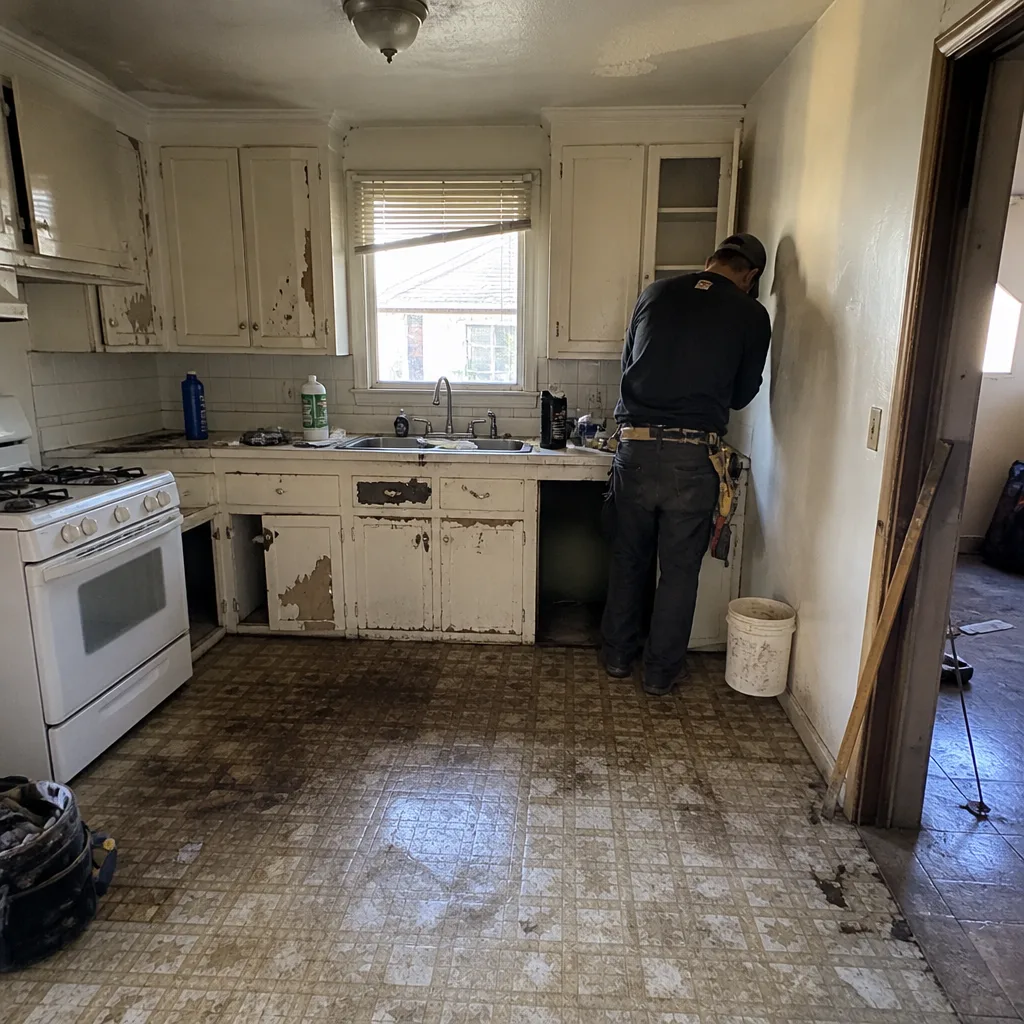 Before
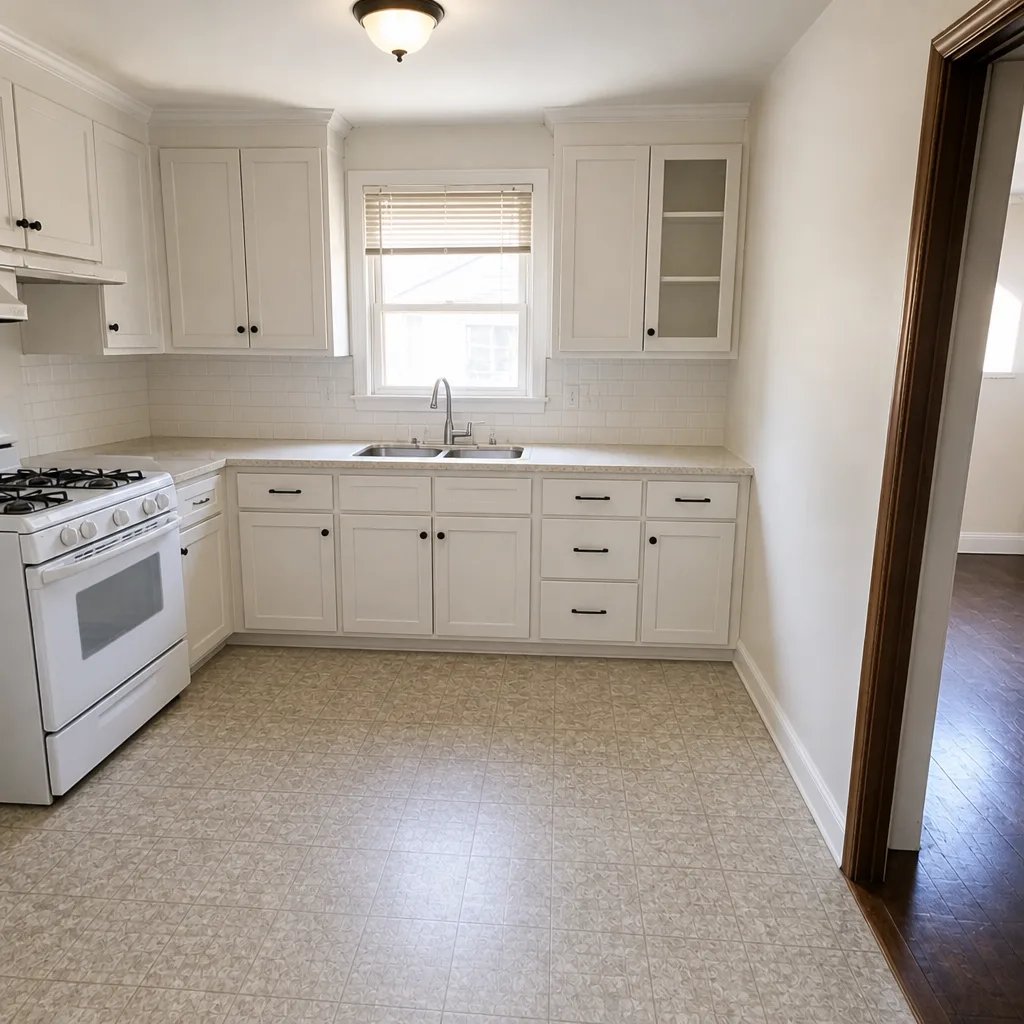 After
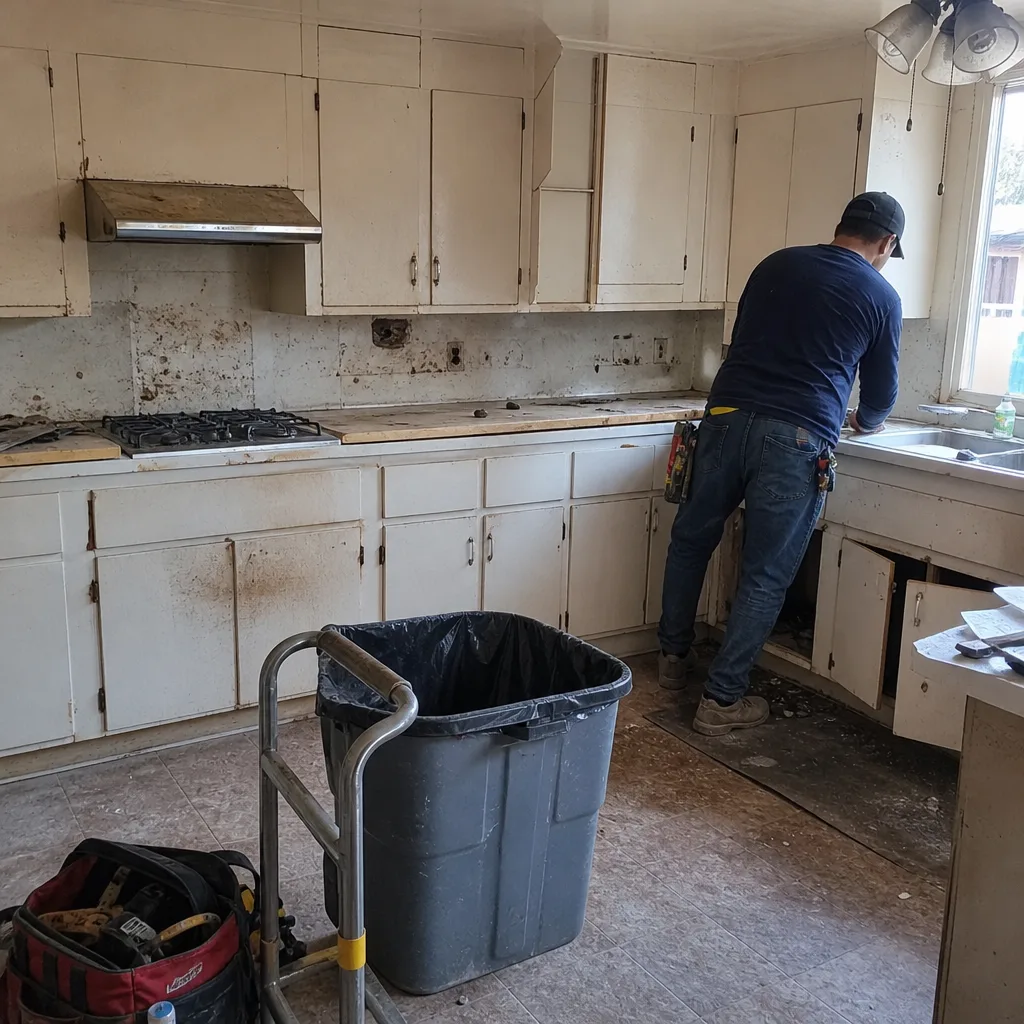 Before
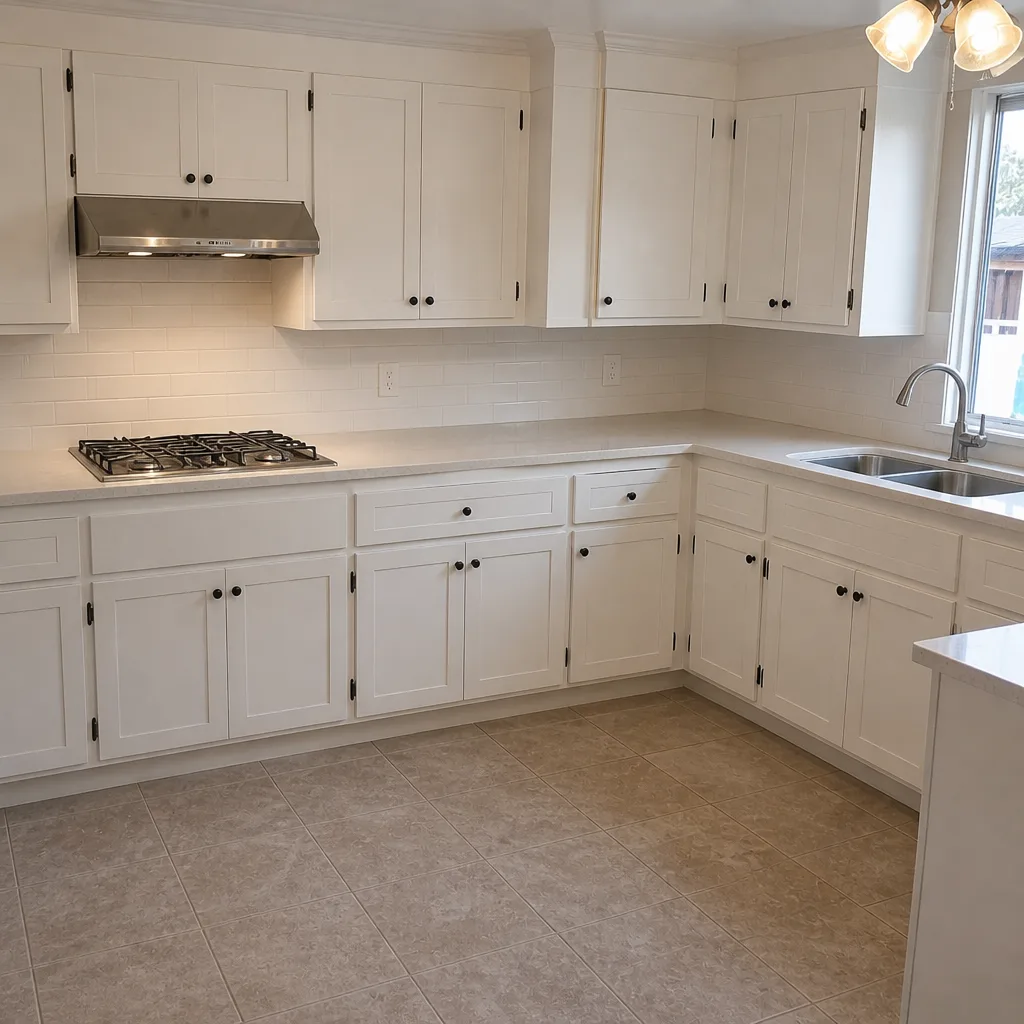 After
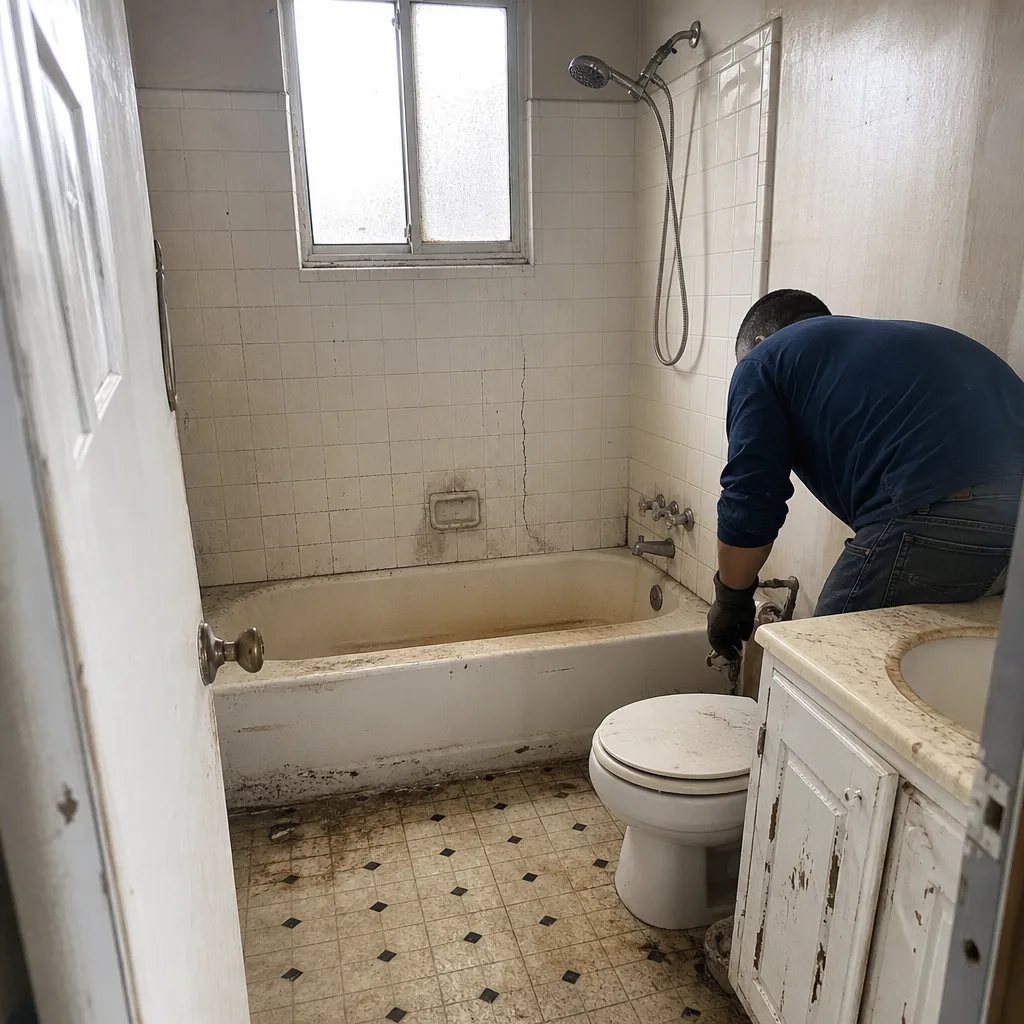 Before
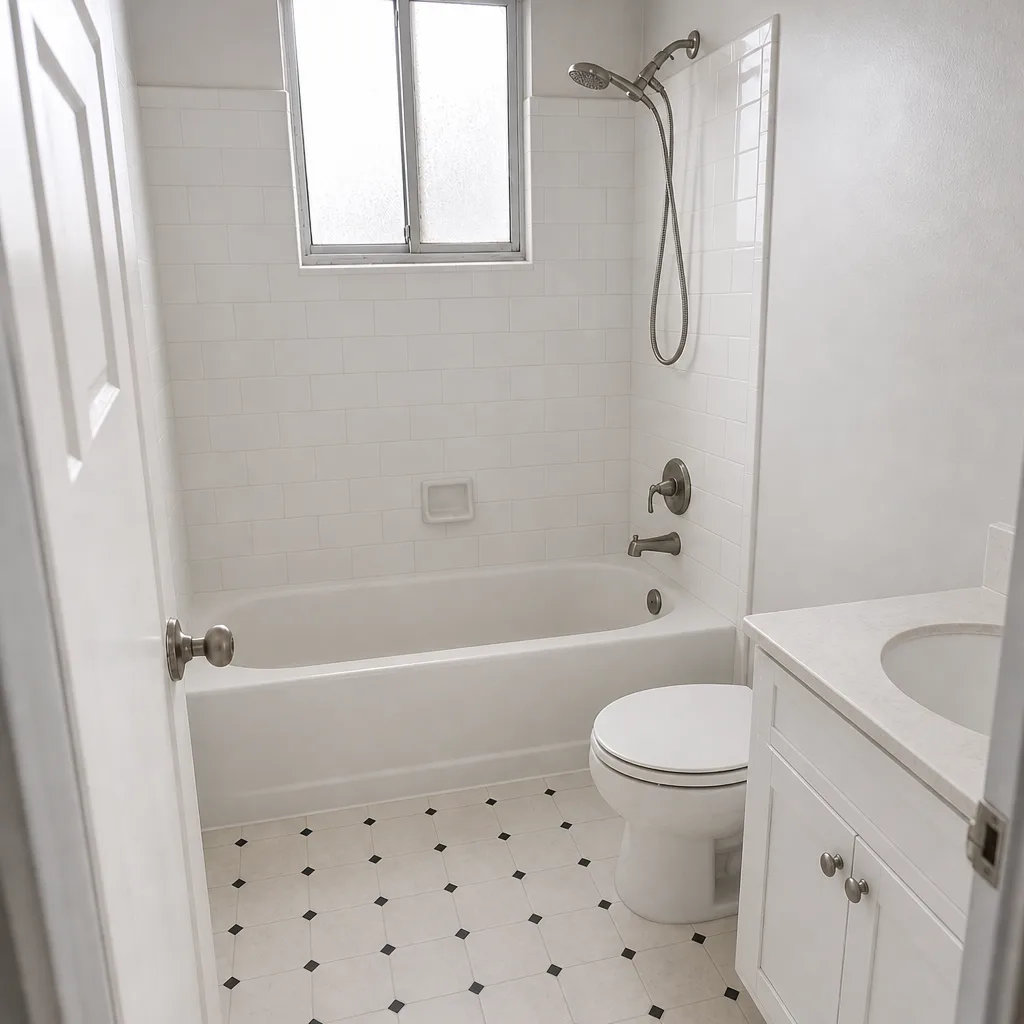 After
When to Call a Professional
Call a professional when the problem is behind the frame – water that keeps returning after resealing, rot or mold, inter-pane fogging that needs re-glazing, or a door or window that sticks year-round with a shifting gap around the opening. Those are the cases where a wrong DIY guess turns a few-hundred-dollar fix into a full replacement. If a window no longer opens or closes safely, especially on an upper floor, don’t force it. Groundwork Construction Co. of Buena Park offers free estimates in Buena Park – call (833) 522-5059 and we’ll diagnose whether you’re looking at a $40 fix or a replacement conversation, with upfront pricing and no surprises on the quote.
Frequently Asked Questions

No. Most drafts come from worn weatherstripping, dried sealant at the frame edge, or a latch that isn’t pulling the sash tight against its gasket. Only a draft that persists after fresh weatherstripping and a properly latched sash points to a failed unit. Call (833) 522-5059 for a free estimate if you’re not sure which one you have.
Fog or moisture trapped between the panes means the seal on the insulated glass unit has failed and the cavity is letting humid air in. The glass assembly needs replacing, which on most modern windows can be done by re-glazing the sash without replacing the whole frame. Interior condensation on the room-side glass is a different issue – that’s a humidity problem, not a broken window.
It depends on when it sticks. If it only binds in humid months, it’s moisture swelling the door or frame, and sealing the edges usually fixes it. If it sticks year-round and the gap around it grows uneven, that points to a framing or foundation shift and needs a professional look. A loose hinge is the simple third cause – tighten the screws before assuming the worst.
Typical costs break down by category: weatherstripping and sealant runs $10 to $40 in materials for a DIY fix; hardware like hinges and latches, $20 to $80 for parts; re-glazing a fogged sealed unit usually runs a few hundred dollars; and frame repair or replacement is a larger project depending on the extent. Call (833) 522-5059 for a free, itemized estimate – that’s the only way to know which category applies to your window.
Often yes, if it’s caught early. Many leaks trace to failed exterior sealant, clogged weep holes, or missing flashing at the frame-to-wall joint, all of which can be repaired without replacing the unit. Once water has rotted the sill or sheathing behind the frame, the scope grows. That’s why we recommend diagnosing any leak that returns after resealing rather than patching it again.
Expect a shorter lifespan than in dry inland areas. Buena Park’s marine-layer humidity and salt air are hard on gaskets and exterior caulk, so most weatherstripping wears out faster here than homeowners anticipate – check it each spring and fall rather than waiting for a draft to appear. Replacing it proactively costs a few dollars and prevents the draft you’d otherwise spend hundreds diagnosing.
The Bottom Line
Most window and door calls come down to one question: is this a hardware problem, a seal problem, or a frame problem? Diagnose the symptom before you spend anything – a draft usually isn’t a dead window, inter-pane fog is the only condensation that means a failed seal, and a door that sticks year-round with a shifting gap needs a professional look. Handle the cheap surface fixes yourself: weatherstripping, sealant, hinges, humidity control. Call a pro for water that keeps returning, rot, fogged glass units, and structural signs. Groundwork Construction Co. of Buena Park is here to sort out which one you’re facing – call (833) 522-5059 for a free estimate, with upfront pricing and the 730-Day Done Right Promise behind every job.
Written by the team at Groundwork Construction Co. of Buena Park.