Last updated November 18, 2026







Free written scope consultation - allowances, timeline, and change-order rules on paper before a single trade is scheduled
Bathroom Remodeling Warning Signs Every Homeowner Should Know
By the time a bad bathroom remodel is obvious, the most expensive damage is already hidden inside your walls. We’re not talking about crooked tile or a faucet that drips - we’re talking about the waterproofing membrane nobody inspected, the shutoff valve that got buried behind cement board, the framing that was never sistered correctly after a slow leak was quietly patched over. The warning signs that matter most show up during construction, months before a Buena Park homeowner notices soft drywall or a musty smell near the shower curb. Knowing what to watch for lets you catch problems before they’re permanent. This guide walks you through the contract red flags, the mid-construction tells, and the first-90-day symptoms that separate a solid installation from one that’s quietly failing.
Quick Answer
The biggest bathroom remodeling warning signs are vague scope language and no line-item pricing before work starts, a contractor who resists pulling permits, skipped or unobserved waterproofing inspection, tile set before adhesive has cured, and any sign of pre-existing water damage that isn’t disclosed and photographed during demo. Any one of these is a signal to slow down and ask harder questions. Two or more together mean you should stop the project and get a second opinion before the walls close up.
Styles & brands we work with
- Kitchen remodeling
- Bathroom remodeling
- Home additions & ADU
- Roofing
- Windows & doors
- Driveway & pavers
- Fence
Table of Contents
- Contract Red Flags Before Work Even Starts
- Why Permit Resistance Is a Deal-Breaker in Buena Park
- Demo Day: The Pre-Existing Damage Test
- The Waterproofing Inspection You Must See
- Rushing Tile and Adhesive Cure Times
- Normal Construction Mess vs. Workmanship Problems
- Post-Install Warning Signs in the First 90 Days
Contract Red Flags Before Work Even Starts
The most reliable warning sign in bathroom remodeling doesn’t happen on the job site. It happens the moment you read the contract. In our experience, a vague scope document is the single best predictor of a bad remodel - not because the contractor is necessarily dishonest, but because ambiguity leaves the door open for every corner to be cut later. If the paperwork doesn’t lock down what’s happening, the workmanship won’t either.
Here’s what a healthy contract looks like when we compare it to the bids Buena Park homeowners bring us for review:
- Line-item pricing, not one lump sum. You should see a separate dollar figure for demo, rough plumbing, rough electrical, cement board, waterproofing, tile setting, fixtures, and finish. A single “bathroom remodel - $28,500” line gives you no way to spot what was dropped to make the number work.
- Brand and model numbers, not just words. “Premium tile” means nothing. “Daltile Marazzi 12×24 matte porcelain, color X” means everything. We specify KraftMaid vanity finishes down to the door style because that’s what a material decision actually is.
- A real start and finish date, with a weather-and-inspection contingency that isn’t blank. Open-ended schedules are the first sign of a contractor who juggles too many jobs.
- Named waterproofing products. The contract should say exactly which membrane system will be used - not “waterproofing included.”
- Written change-order policy. Every change should come with a number before it’s performed, not an invoice surprise at the end.
Rebuttals matter too. A contractor who says “we’ll figure it out as we go” or “the price will be around…” is asking you to fund their learning curve. Upfront pricing with no surprises is a contract behavior, not a slogan. When the number you see is the number you pay, that’s a paper trail you can point to.
Why Permit Resistance Is a Deal-Breaker in Buena Park
In Buena Park, bathroom remodels that relocate plumbing fixtures, move a toilet, add a drain, or alter framing or electrical require permits and inspection from the Orange County authorities who oversee residential construction locally. A contractor who discourages you from pulling a permit is telling you two things at once: they don’t want an inspector looking at their rough-in work, and they’re willing to hand you a liability when you eventually sell. That’s the second-biggest warning sign after vague scope language.
The signs to watch for:
- “You don’t need a permit for that.” If plumbing, electrical, or structural elements are being touched, you probably do. Ask the city directly. It’s a phone call.
- “It’ll slow things down.” Permits add inspection points. Inspections exist so that a seller - and a city inspector - can see whether waterproofing, shower pan pre-slope, and rough-ins meet code before they’re buried.
- “It’ll raise your taxes.” In Buena Park, the Assessor may re-evaluate the value added by a permitted upgrade. The cost of an unpermitted remodel at resale - disclosing it or being forced to retrofit it - is far more than the tax delta.
- A contractor who offers to pull the permit “under their license” but asks you to sign as the owner-builder. That document shifts liability for the work to you.
Permitted, inspected work is the base layer of every trust claim worth anything. Our 730-Day Done Right Promise is enforceable precisely because the work was done to code and inspected. If it’s not done right, we make it right - but that sentence only has teeth when there’s paper behind the rough-in. Ask every contractor you interview whether permits and inspections are included in the bid. Silence is your answer.
Demo Day: The Pre-Existing Damage Test
Demo day is the most honest moment in a bathroom remodel. The walls open, the tile comes down, and whatever the old bathroom was hiding is exposed. What happens next separates a professional crew from a shortcut crew. In our experience, this is where pre-existing water damage gets discovered - and every time, the contractor should be disclosing it, photographing it, and walking you through options before covering it up.
Watch for all four of these on demo day:
- Photographs of every wall cavity after tile removal. If the crew moves straight to new substrate without photos, you’ve lost your record of the condition of the framing and studs. Insist on them.
- Disclosure of soft or discolored framing. A slow leak behind a shower valve can rot a stud over years. If the contractor spots it, they should raise it with you and propose sistering or replacing the member - not spackle over it.
- Mold discussion, not just a spray. Surface mold on Subfloor and wall cavities behind a shower is common in Buena Park homes built before the 1990s. Serious remediation is discussed. Light surface cleanup is noted. Nothing is hidden.
- Subfloor inspection under the toilet and at the shower pan. Soft subfloor is a structural issue, not a cosmetic one. It should be raised before the new pan goes down.
We’ve watched homeowners get promises like “we found a little moisture, it’s fine, we dried it out” with zero documentation. That’s not fine. That’s an undisclosed risk being buried behind cement board. A crew that conceals pre-existing damage is also a crew that cuts corners on the parts of the job they can’t hide - and you pay for it six months later when the new tile over the old rot starts to crack.
The Waterproofing Inspection You Must See
Waterproofing is the single most consequential step in a bathroom remodel, and it’s the step most easily skipped. Behind the tile in a wet area sits a waterproofing membrane - typically a liquid-applied or sheet membrane installed over the substrate, with a pre-slope under the shower pan so water drains into the weep holes and out through the drain rather than soaking into the mortar bed. If that membrane is missing, thin, or improperly applied, the bathroom will leak into the framing and ceiling below - guaranteed, just slowly.
Four waterproofing checks you need to see with your own eyes:
- The pre-slope. Under every shower pan, a sloped mortar bed should route water to the drain before the membrane goes on. A flat pan means standing water in the mortar - classic premature failure.
- Membrane coverage to the correct height. In a shower, waterproofing must extend at least to the height specified by the membrane manufacturer and Buena Park’s adopted codes. Six inches above the shower floor is not optional.
- Flood test documentation. A proper pan flood test means filling the pan with water for a minimum period the manufacturer specifies and photographing the result. Ask for the photo.
- Curb and niche detailing. Shower curbs and niches are the leakiest points in any bathroom. The membrane must wrap and detail them, not stop at the edge.
If a contractor tells you “we always waterproof” without showing you the membrane, the flood test, or the inspector’s sign-off on the rough-in, you have no evidence. Once tile goes down, the membrane is invisible. That window is the last chance to confirm it. Do not skip it, and do not accept “the tile guy handles that” - the waterproofing is the contractor’s responsibility, and it’s the one they’ll hide behind tile to avoid.
Rushing Tile and Adhesive Cure Times
Tile setting is a cure-time discipline. Thin-set mortar, waterproofing membranes, and grout all have minimum cure windows before the next step can begin. Rushing them is one of the quietest ways to wreck a bathroom remodel, because the failure won’t show up for months - long after the final walkthrough. A crew on a compressed schedule will skip the cure, and you won’t see it until grout starts popping and tile starts delaminating.
Here’s what a rushed install looks like in the wild:
- Tile set on green or tacky membrane. Waterproofing membranes need to fully cure before thin-set goes over them. If the crew shoves tile the same day as the membrane, the bond fails internally.
- No coverage check on the back of each tile. A quality setter lifts a tile after setting to verify thin-set coverage. If you never see a lifted tile checked, coverage is a guess.
- Grout the same day as tile. Thin-set needs its specified cure window before grout. Grouting early locks moisture under the tile and can cause efflorescence and failed grout lines.
- No laser or level check before the first row. The first course of wall tile establishes everything above it. If the crew sets the first row without checking plumb and level, every subsequent course compounds the error.
Fast is not the same as efficient. Most single-bathroom remodels of this scope take several weeks because the steps have mandatory gaps. A crew that claims to finish a full gut bathroom remodel in Buena Park in three days is either doing far less work than the bid said - or skipping the cure windows. Neither is good news. A well-run job is efficient because the schedule is planned around the cure times, not over them.
Normal Construction Mess vs. Workmanship Problems
Construction is messy. Dust is normal. Debris in the hallway is normal. What’s not normal is chaos that signals a crew without a plan. Over the years, we’ve watched Buena Park homeowners get anxious about the wrong things - dust on the furniture - while ignoring the signals that actually predict bad work.
Normal signs on an active Buena Park bathroom remodel:
- Plastic sheeting and zip walls at every doorway into the space, taped and taped again.
- Debris bagged daily - not accumulated for a week.
- A daily sweep-down of the path to the bathroom and the immediate work area.
- Material staging contained in one location, with a plan noted on a schedule.
Signs of workmanship problems in progress:
- Debris left against framing cavities or an open wall cavity filled with demo waste.
- Tile boxes and membrane drums opened on top of new tile, cracking edges before install.
- New plumbing stub-outs left unprotected inside the wall cavity while other trades work nearby.
- Subfloor exposed for long stretches of time (moisture intrusion risk, especially in Orange County’s marine-layer humidity mornings).
If your job site is a disaster, the workmanship underneath often mirrors it. The supervisor who doesn’t manage the mess usually isn’t managing the membrane cure schedule either. Walk the job every few days and ask what’s happening next. A good crew welcomes the walkthrough - they want you to see what’s under the tile.
Post-Install Warning Signs in the First 90 Days
Once the new bathroom is finished, you have a narrow window to catch a defective installation before it becomes catastrophic. The first 90 days is when installation defects show their first symptoms - while repairs are still relatively inexpensive and before the failure has soaked the framing or rotted the subfloor. These are the signals every Buena Park homeowner should be watching for:
- Grout cracking along the shower floor and grout lines with no obvious cause. Some hairline cracking is normal from the first cure. Repeated cracking along the same line, within a few weeks, is not. It usually means movement under the tile - often moisture in the pan.
- Loose tile, especially at the shower niche and curb. Tap each tile with a coin or your knuckle. A hollow thud indicates poor thin-set coverage. A single hollow tile is a warning; three or more is a failed install.
- Soft caulk lines that stay wet. Silicone caulk should not stay sticky or wet for days after a shower. That means water is trapped behind it and looking for another exit.
- Water staining on the ceiling below the bathroom. This is the most urgent signal. Any stain or discoloration on the ceiling beneath a bathroom means the shower pan or floor membrane is leaking and needs to be assessed immediately.
- Musty smell in the bathroom that doesn’t clear with ventilation. A faint mildew smell that returns a day after cleaning usually means moisture is trapped inside a wall or under tile.
- Doors and trim that no longer close squarely. Slow water intrusion swells framing. A door that shuts fine on day one and sticks in month two is telling you there’s moisture in the wall assembly.
One symptom is worth a phone call to the installer. Two or more together mean you need to stop using the shower and get an independent assessment - before the damage spreads into the subfloor and the room below. If your contractor doesn’t stand behind the work, you’ll find out now, and this is exactly why a written workmanship promise matters more than a verbal one. Our team backs installations under the 730-Day Done Right Promise - if it’s not done right, we make it right - and the reason that promise exists is that catching a leak in week six costs a fraction of catching it in year two.
Common Mistakes to Avoid
- Hiring on the lowest bid without reading the scope. A low number built on a two-page scope will balloon via change orders the moment framing or plumbing surprises come up. Compare the line items, not the total.
- Waiving permits to “save time.” In Buena Park, unpermitted plumbing and electrical changes become a resale headache and a hidden liability. Inspections are free documentation of quality - use them.
- Choosing tile before choosing a waterproofing system. Tile is the visible layer. The membrane underneath determines whether that tile survives ten years. Specify the membrane in writing, not just the tile.
- Ignoring demo-day findings. If a contractor finds rot or prior water damage during demo and doesn’t photograph and discuss it, push back. Get the photo, get the repair, get the paper.
- Rushing the cure schedule to get your bathroom back. A compact, efficient remodel still has mandatory cure windows. If your schedule requires the crew to skip them, change the schedule.
- Not specifying brand and model. “Premium fixtures” can mean a $300 vanity or a $900 one. Brand-specific language in the contract is how you lock down what you’re actually buying. We specify KraftMaid vanity cabinet finishes because a vanity should still be a vanity in fifteen years, not a wobbly cabinet with a peeling finish.
- Waiting until it leaks to call a pro. Soft ceilings and musty smells are late-stage symptoms. If you see two of the first-90-day signals, call before the damage spreads. It’s almost always cheaper to investigate early.
See the difference
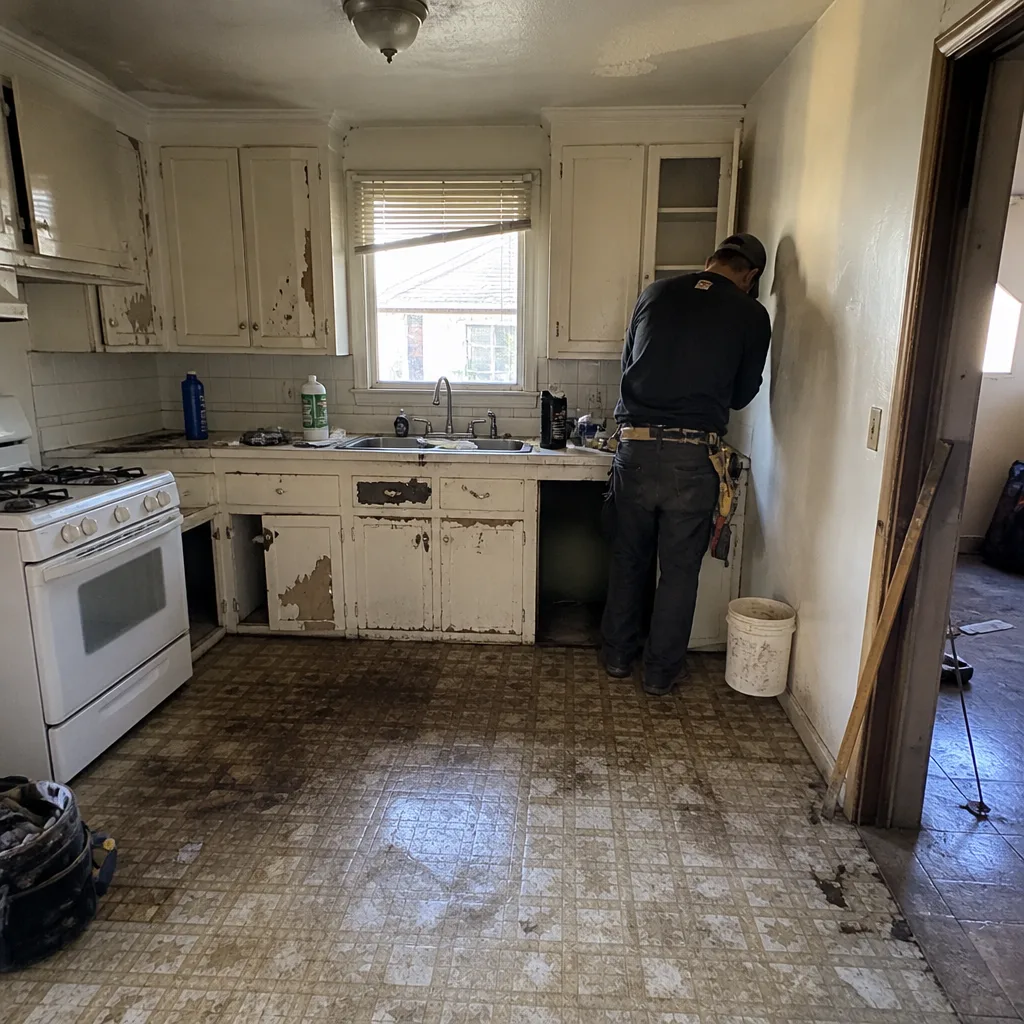 Before
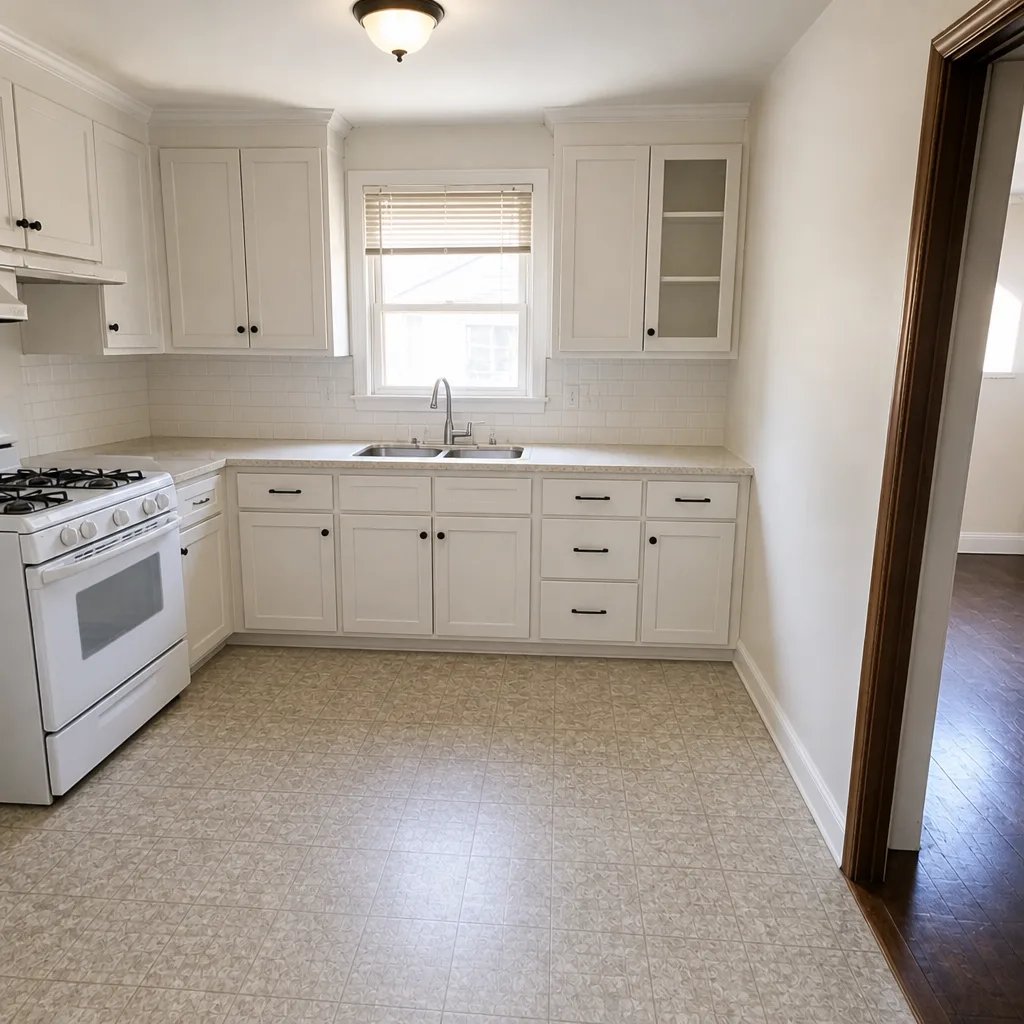 After
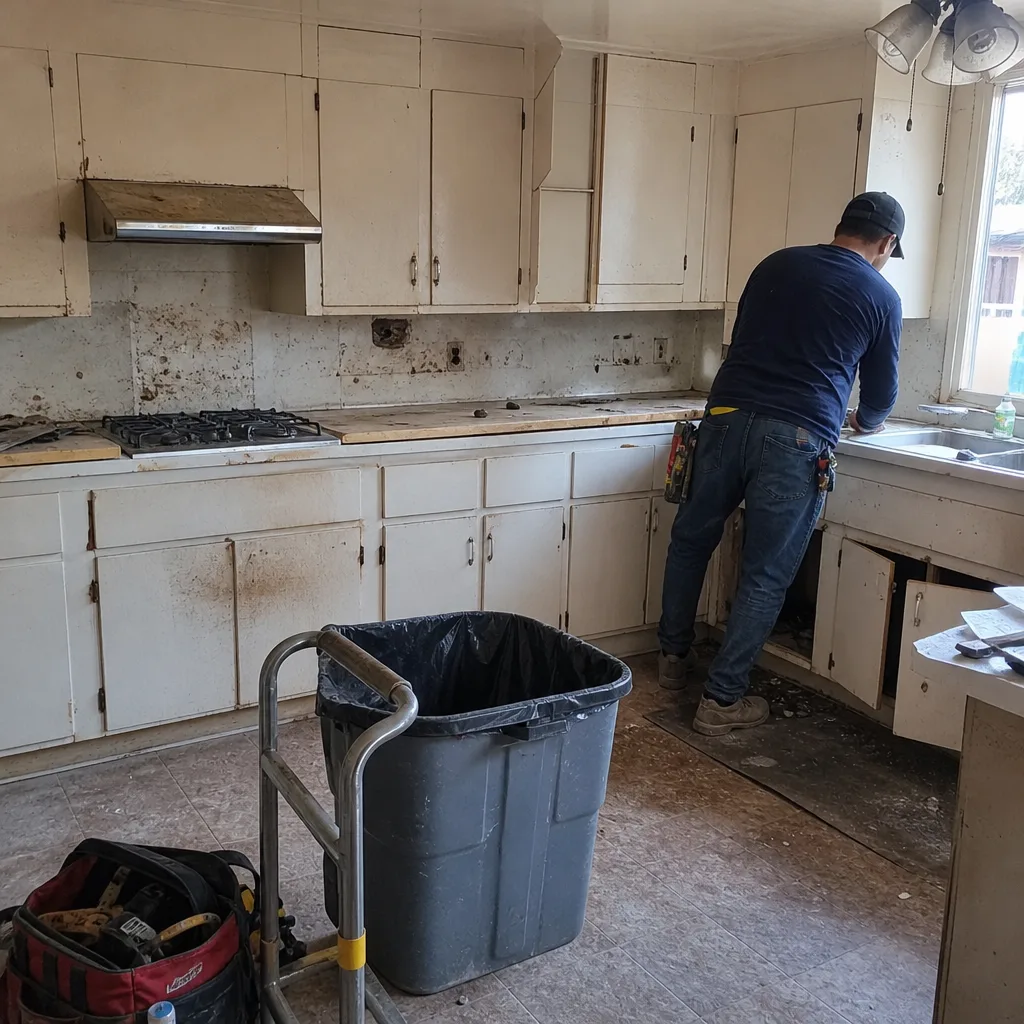 Before
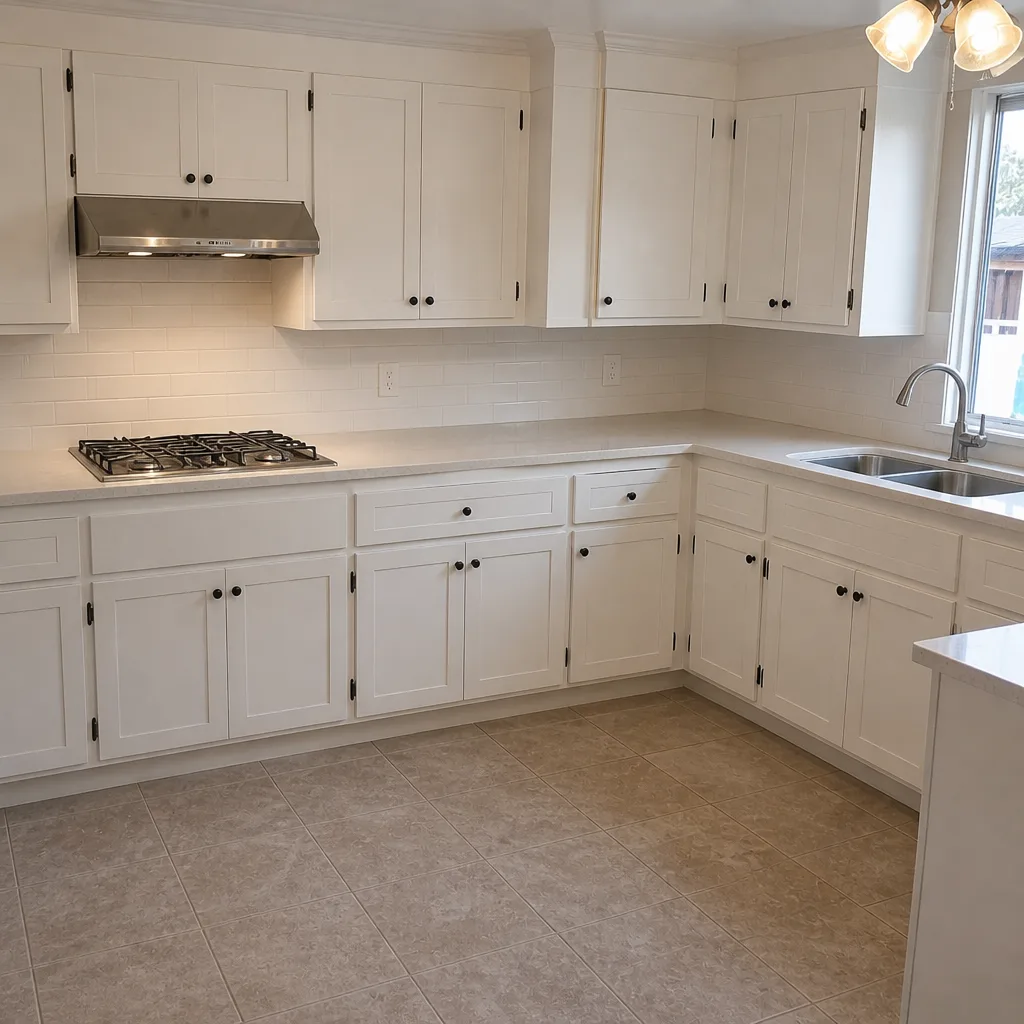 After
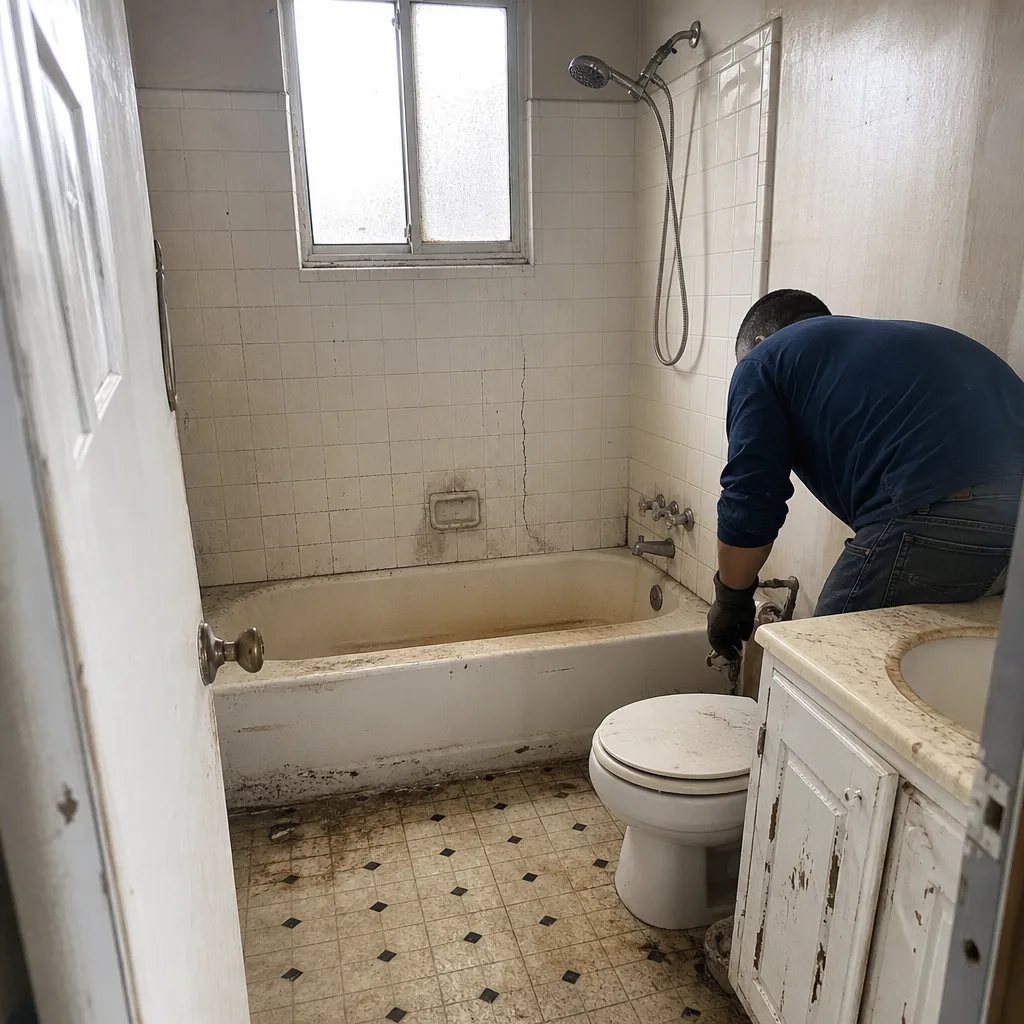 Before
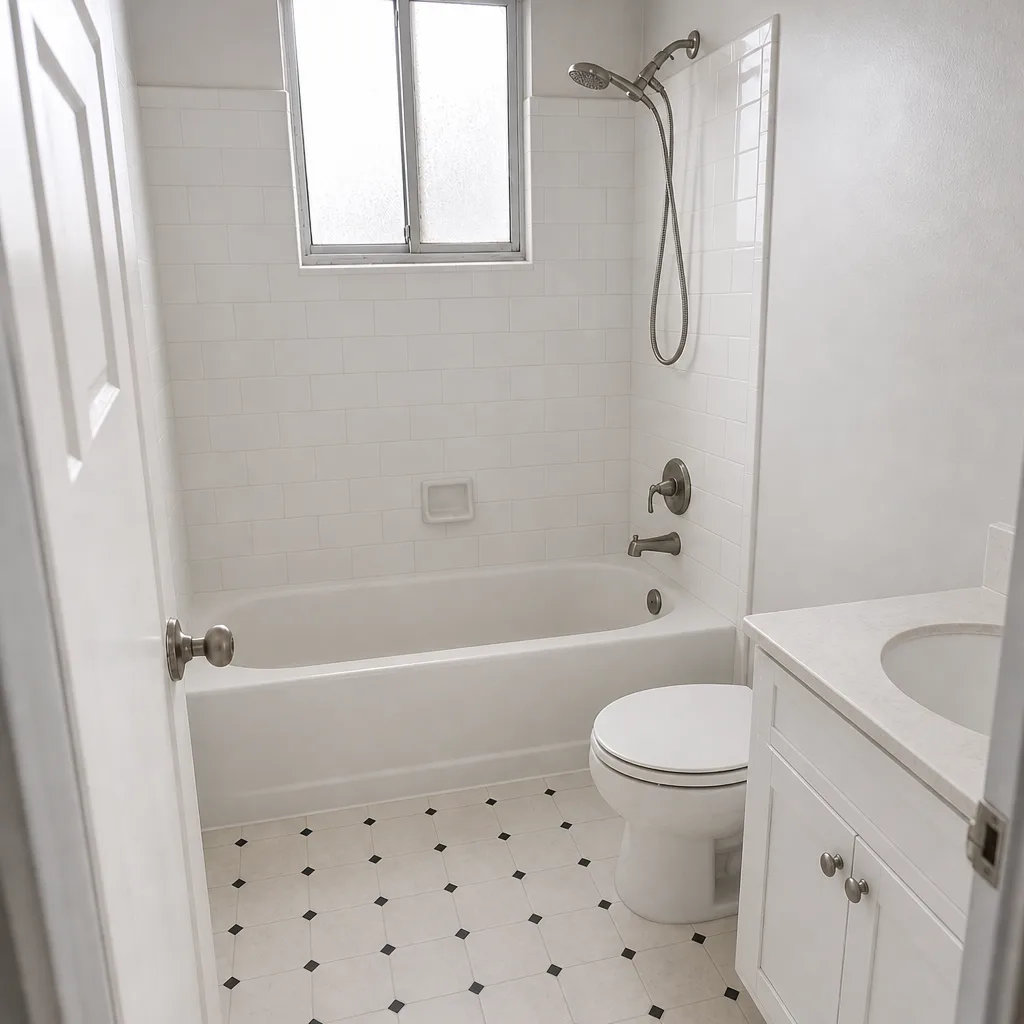 After
When to Call a Professional
You should call a professional the moment you see one of these: water staining on the ceiling below the bathroom, repeated grout cracking with no obvious cause, hollow-sounding tile at three or more points, a musty smell that comes back after cleaning, or a contractor who won’t put their waterproofing spec and cure schedule in writing. You should also call when you’re still in the planning stage and want a second opinion on a bid that’s missing line-item pricing. If your contractor skips the permit on a job that clearly requires one, or if the crew started setting tile the same day as the waterproofing, call for an independent assessment before more work goes in. Groundwork Construction Co. of Buena Park offers free estimates in Buena Park - call (833) 522-5059 to schedule yours and we’ll walk you through what to check on your current project or help you plan one that starts on the right footing.
Frequently Asked Questions
A typical full bathroom remodel in Buena Park lands in a wide range - roughly $18,000–$55,000 depending on scope - with cosmetic updates at the low end and full gut remodels with moved plumbing, new waterproofing, and premium fixtures at the top. The exact number depends on the size of the room, whether the plumbing and electrical layouts are changing, and which fixture brands you choose. Call (833) 522-5059 for an exact line-item quote - estimates are free.
The biggest warning sign is a contractor who resists pulling permits or explains away a waterproofing inspection. Both signal an unwillingness to have their rough-in work checked, and both put the most expensive parts of the job - the parts you can’t see - at risk. If either happens, slow down and ask why.
Yes. Waterproofing is the single most consequential step behind your tile, and once tile is down, you can no longer verify it. A professional crew documents membrane installation, the flood test on the shower pan, and the inspection sign-off. If your contractor can’t produce those photos, you have no evidence the waterproofing exists at all.
Tap each tile with a coin. A hollow thud instead of a solid click indicates poor thin-set coverage under that tile. One hollow tile is a warning sign; three or more is a failed installation. Combine that with grout cracking along the shower floor and any soft caulk lines, and it’s time for an inspection before the leak spreads into the subfloor.
For cosmetic work - replacing a vanity, painting, swapping a light fixture on an existing circuit - sometimes yes. For anything that moves plumbing fixtures, adds electrical outlets, alters framing, or changes the shower pan, Buena Park’s building department typically requires a permit and inspections. A contractor who discourages you from pulling one on a plumbing or structural change is telling you they don’t want their rough-in inspected.
It shouldn’t. A competent bid is based on a real scope with line-item pricing and a written change-order policy. Pre-existing damage discovered during demo - rotted framing, hidden leaks - is the legitimate reason for added cost, and it should come with photos, a description, and a new number in writing before it’s performed. If the total moves around without documentation, you’re funding someone’s estimate error. Call (833) 522-5059 for a fixed, upfront quote from the start.
The Bottom Line
Bathroom remodeling warning signs show up early - in the contract language, in the permit conversation, on demo day when the walls come down, and in the cure schedule you can’t see once the tile is set. A vague scope, a refused permit, a skipped waterproofing inspection, and a rushed tile set are all things you can catch before they’re permanent. Watch the first 90 days after install for hollow tile, repeated grout cracks, and ceiling stains below the bathroom - they’re the cheapest warning you’ll ever get. When something looks wrong, ask. A good contractor will welcome the questions and put their promise in writing.
If you’re planning a bathroom remodel in Buena Park, the crew you hire should be background-checked, uniformed, and reachable by a live person when you call - not a voicemail box. Every call is answered by a real human here, and every estimate comes at no cost. For a single-source partner across your whole home - from a bathroom refresh to a Driveway & Pavers in Buena Park project, a Fence Installation in Buena Park, or a full Home Additions & ADU in Buena Park - start at our Groundwork Construction Co. of Buena Park home page and see what’s possible. Call (833) 522-5059 for your free estimate, and get your bathroom built to last, backed in writing. <%= link_to "Schedule your free bathroom remodel estimate", "/bathroom-remodeling-buena-park/" %> today, and if you’re weighing other trades, our Kitchen Remodeling in Buena Park page shows how the same upfront pricing and 730-Day Done Right Promise carry across every room.
Written by the team at Groundwork Construction Co. of Buena Park.