Last updated November 18, 2026
Free written scope consultation - allowances, timeline, and change-order rules on paper before a single trade is scheduled
DIY vs Professional Bathroom Remodeling: What’s Safe to Do Yourself
The number one source of water damage claims in California homes isn’t a burst pipe. It’s a DIY tile or shower installation that looked fine for six months before silently failing behind the wall. That fact reframes the entire DIY debate. The real question isn’t whether you’re handy enough to swing a hammer. It’s which bathroom tasks carry hidden downstream costs that dwarf whatever you saved on labor. In this guide, we draw a hard line between genuinely DIY-safe work and the jobs where amateur execution creates licensed-contractor problems. We’ll cover permit triggers specific to Buena Park, the waterproofing task homeowners most dangerously underestimate, and an honest cost comparison of DIY versus a one-call fix. Mention Buena Park once more: the climate here matters, and we’ll get to why.
Quick Answer
Painting, swapping hardware, replacing a vanity mirror, and installing a faucet are genuinely safe to do yourself in a bathroom remodel. Anything that touches the waterproofing envelope, the plumbing rough-in behind the wall, or the electrical circuit requires a licensed professional. In Buena Park, moving a drain or adding a circuit also triggers a permit, which converts a “simple” weekend job into a legal liability if you skip it. The dividing line isn’t your skill level. It’s whether the mistake stays visible or hides inside the wall.
Styles & brands we work with
- Kitchen remodeling
- Bathroom remodeling
- Home additions & ADU
- Roofing
- Windows & doors
- Driveway & pavers
- Fence
Table of Contents
- What’s Genuinely Safe to Do Yourself
- The Permit and Code Triggers That Change Everything
- Why Waterproofing Is the Task Homeowners Underestimate Most
- Plumbing Rough-In and Electrical: The Disclosure Problem
- The Honest Cost Comparison: DIY vs. One-Call Fix
- Buena Park Climate, Housing Stock, and Why It Matters
- A Step-by-Step Decision Framework
- Common Mistakes to Avoid
What’s Genuinely Safe to Do Yourself
We’re not anti-DIY. Some bathroom work is a smart use of your weekend, saves real money, and carries zero risk of a five-figure follow-up bill. The key is knowing which tasks those are and sticking to them without drifting into the danger zone.
The following tasks are genuinely DIY-safe, cost-effective, and unlikely to void a warranty or trigger a permit:
- Painting. Bathroom paint needs to be a satin or semi-gloss finish rated for high humidity, and you want a mold-resistant formula on the ceiling. Rolling a bathroom takes a weekend and costs $80 to $150 in materials. No permit, no risk, no hidden cost.
- Hardware swaps. Cabinet pulls, towel bars, robe hooks, toilet paper holders, showerheads, and faucet handles are all straightforward swaps. A showerhead replacement is a five-minute job with a wrench and thread tape.
- Vanity mirror installs. A flat mirror mounted with adhesive clips or a French cleat is well within reach for a careful homeowner. The one caveat: know where the studs are and where any wiring runs before you drill.
- Accessories and decor. Shelving (into studs), a new bath mat, a shower curtain rod upgrade, and storage baskets don’t need a discussion.
- Regrouting and recaulking. Refreshing the caulk line around a tub or replacing failed grout on a floor is labor-intensive but not risky. It’s also the single most impactful DIY task for a bathroom that looks tired but functions fine.
Notice what’s not on that list. Anything that involves opening a wall, changing where water goes, or running new wire stays off-limits. A good rule: if the task requires turning off the water main or the breaker, it’s professional territory. If it requires a screwdriver and a paintbrush, it’s yours.
The Permit and Code Triggers That Change Everything
This is where DIY bathroom remodeling stops being a hobby and starts being a legal exposure. Buena Park follows California Building Code, and California is stricter than most states about what requires a permit. The permits aren’t the problem. The problem is what happens when you skip them and a future buyer’s inspector finds unpermitted work.
In Buena Park, the following bathroom tasks require a permit:
- Moving any plumbing supply or drain line. Relocating a sink, toilet, or shower drain requires a plumbing permit. Even shifting a toilet two inches to fit a new layout is a permitted change.
- Adding or relocating an electrical circuit. A new GFCI outlet, a heated towel rack circuit, or a relocated vanity light is an electrical permit. Bathroom circuits are GFCI-protected by code for a reason, and inspectors verify the protection is present and correct.
- Any wall removal or structural change. Knocking out a wall to expand a bathroom is a building permit, full stop. In Buena Park’s older housing stock, that wall might be load-bearing in ways that aren’t obvious.
- Replacing a water heater or relocating a vent. Applies if the bathroom remodel touches mechanical systems.
- Windows in wet areas. Changing a bathroom window to a different size or type can touch both building and energy code compliance.
Here’s the part most homeowners miss. Unpermitted work doesn’t disappear when you sell. It becomes a disclosure item, and Buena Park buyers and their agents are savvy about it. A $350 permit becomes a negotiation lever worth thousands, or a deal-killer if the buyer’s lender balks. The cost of pulling the permit is trivial compared to the cost of the problem it prevents.
Groundwork Construction Co. of Buena Park pulls permits on every bathroom project that needs one and schedules the inspections. If you’re weighing a larger remodel, our Home Additions & ADU in Buena Park page covers how permitting scales on bigger structural work.
Why Waterproofing Is the Task Homeowners Underestimate Most
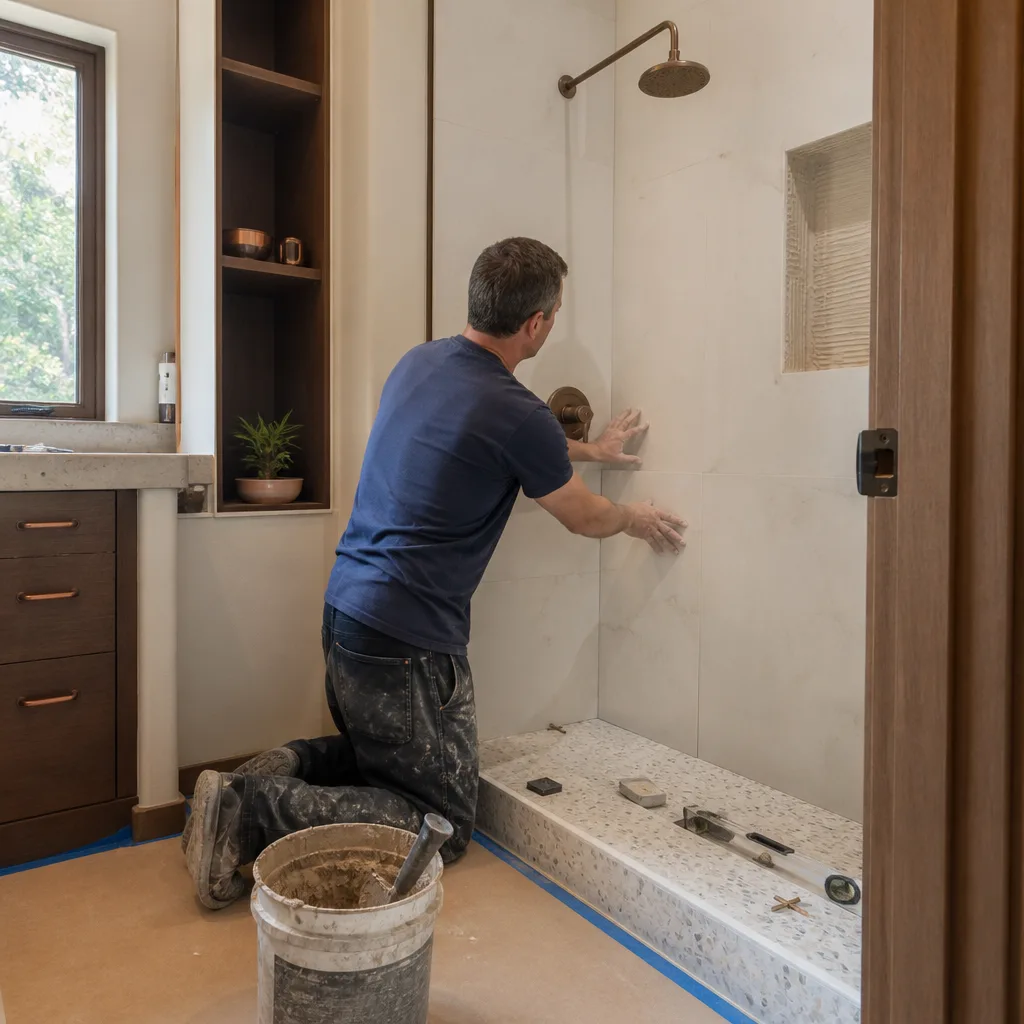
If we had to name the single task where DIY bathroom remodeling fails most expensively, it’s waterproofing. Specifically, the waterproofing membrane behind tile in a shower or wet-area floor. Homeowners treat it as an afterthought, a layer of plastic or paint-on goop that gets buried under tile and never thought about again. That’s exactly backwards. The membrane is the entire system. The tile is decoration.
A proper shower waterproofing system in a Buena Park bathroom involves several layers that all have to work together:
- A sloped substrate. The shower pan must drain. If the slope is off by even a quarter inch across the pan, water pools instead of leaving.
- A waterproofing membrane. Either a sheet membrane or a liquid-applied membrane, installed to manufacturer spec with the correct thickness, correct corner treatment, and correct coverage at every seam.
- Proper flashing at every penetration. The shower valve, the drain, the curb, and the wall-ceiling transition are all failure points if not flashed correctly.
- A flood test. A real installer fills the pan with water and lets it sit for 24 hours to confirm no leaks before tile goes down. This step is skipped constantly in DIY work.
Now here’s why this fails so quietly. Waterproofing failures don’t announce themselves. The tile looks perfect. The grout is clean. Then, six to eighteen months later, the subfloor softens, the framing behind the wall rots, and a slow leak has been wicking into the adjacent room the whole time. By the time you see a stain on the ceiling below or a soft spot in the floor, you’re looking at a full tear-out and rebuild, not a repair.
The good news: the fixing cost is predictable and modest if you catch it early. The bad news: DIY waterproofing is one of the few tasks where doing it “almost right” is functionally the same as doing it wrong. There’s no partial credit behind a wall.
Plumbing Rough-In and Electrical: The Disclosure Problem
Plumbing rough-in and electrical work in a bathroom share a characteristic that makes DIY especially risky: they’re hidden. Once the drywall goes up and the tile is set, a mistake behind the wall is invisible until it fails. And in California, “hidden until it fails” has a legal dimension most homeowners don’t think about until they’re selling.
When you sell a home in Buena Park, you complete a Transfer Disclosure Statement. If you did unpermitted plumbing or electrical work yourself, or hired someone who didn’t pull a permit, you’re legally obligated to disclose it. That disclosure does two things:
- It drops your sale price. Buyers and their agents price unpermitted work as a risk, and they discount accordingly. A bathroom that was “remodeled in 2022” but has no permits is worth less than one with a paper trail.
- It can kill the deal. Lenders are reluctant to finance homes with unpermitted modifications, and some insurers won’t write policies on properties with unpermitted electrical work.
The plumbing and electrical tasks we’d put firmly in professional territory for any Buena Park bathroom:
- Any drain relocation or new drain installation
- Shower valve replacement or repositioning (a failed valve cartridge behind a wall is a common DIY casualty)
- New electrical circuits, including GFCI outlets and dedicated bathroom circuits
- Recessed lighting additions or vanity light relocations
- Exhaust fan installation or replacement when it involves new ducting
A licensed electrician or plumber signs off on the work and pulls the permit. That signature is what protects you at resale. The savings from DIY plumbing are real on paper, but the disclosure liability erases them the moment you list the home.
The Honest Cost Comparison: DIY vs. One-Call Fix
We’re not going to tell you DIY never saves money. It saves real money on the safe tasks. What we will tell you is that the savings math changes completely once you’re past the safe line. Here’s the comparison we walk Buena Park homeowners through.
Where DIY genuinely saves money:
- Painting a bathroom yourself saves $400 – $900 versus hiring a painter.
- Replacing a showerhead or faucet handles saves $75 – $200 in labor.
- Recaulking a tub and shower yourself saves $150 – $350.
- Installing a vanity mirror yourself saves $100 – $250 in labor.
Add those up and a careful homeowner can realistically save $700 to $1,700 on a bathroom refresh simply by handling the finishing work and the swaps. That’s real money and a rational choice.
Where DIY savings turn into a one-call fix:
- Painting: $150 in materials, no risk.
- DIY shower waterproofing that fails: $3,000 – $8,000 for a tear-out and rebuild, plus subfloor or framing repair if the rot has spread.
- DIY drain relocation that leaks: $500 – $1,500 for an emergency plumber, plus the wall and floor repair to access it.
- DIY electrical work flagged at resale: $1,000 – $4,000 to bring unpermitted work up to code, plus a discount to the buyer.
That’s the asymmetry the DIY calculation usually misses. A $2,000 to $4,000 professional reroute of a drain feels expensive. A $500 DIY reroute that leaks behind the wall and takes out the shower pan, the subfloor, and a section of the adjacent room’s drywall costs several times more once you add the repair work and the resale disclosure.
Here’s the number that matters: the cost of a free estimate is zero. Groundwork Construction Co. of Buena Park offers upfront pricing with no surprises, so you know exactly what the professional version costs before you decide. And if it turns out you only need the hard parts handled, we’ll tell you that too. That’s the whole point of a written line-item quote.
Buena Park Climate, Housing Stock, and Why It Matters
Bathroom remodeling advice that ignores local conditions is generic advice, and generic advice tends to miss the thing that actually matters. Buena Park has two local factors that change the DIY calculus: its climate and its housing stock.
Climate. Buena Park sits close enough to the coast that summer humidity runs higher than inland Orange County, and the marine layer keeps mornings damp for a good part of the year. That’s fine for a properly ventilated bathroom. It’s rough on a bathroom with a weak exhaust fan or no fan at all. If you’re DIY-recaulting or repainting, you’re also going to want to confirm the exhaust fan actually evacuates moisture, not just recirculates it. A bathroom fan that’s undersized for the room size is a common cause of recurring ceiling mildew and peeling paint here.
Housing stock. Large swaths of Buena Park were built between the 1950s and 1980s. That matters in the bathroom for a few reasons:
- Older plumbing is often galvanized steel or early galvanized substitutes, and it can be near the end of its service life. A DIY shower valve swap on 50-year-old plumbing often reveals a much bigger issue once the wall is open.
- Wall framing in older homes can be irregular. A vanity or mirror that installs perfectly in new construction may need extra blocking or a stud-sistering in an older Buena Park house.
- Older bathrooms frequently have a code-upgrade trigger. Add a new circuit and you might discover the panel needs work. Replace a plumbing fixture and you might find the venting was never quite right.
None of that means you can’t DIY the safe tasks. It means the wall-opening work is a bigger unknown in Buena Park than it is in a newer community, which is precisely why a professional estimate carries real value here. Our Groundwork Construction Co. of Buena Park home page lays out the full scope we handle across every trade.
A Step-by-Step Decision Framework
Use this process to sort every task in your bathroom remodel into the DIY-safe or professional column. It’s the same framework we walk homeowners through before a project starts.
- Ask whether the task touches water, wire, or structure. If the answer is yes to any of the three, it’s professional. If the answer is no to all three, it’s likely DIY-safe.
- Ask whether a permit is required. Check with Buena Park’s building department before you touch anything. If a permit is required, the professional path generally makes more sense because the licensed contractor handles the inspection and the paper trail.
- Ask whether the mistake stays visible. A crooked mirror is visible and easy to fix. A sloped shower pan that’s off is invisible until it rots the floor below. Hidden mistakes belong to professionals.
- Ask what the failure cost looks like. Compare the failure cost to the cost of hiring it out. If the failure cost is more than 3-4x the professional cost, hire the pro.
- Ask whether resale disclosure applies. If you can’t do the task to code and permit standards, the resale disclosure problem makes DIY a net negative in most cases.
- Ask about ventilation and moisture. A bathroom is a wet room. Any task that affects how well moisture escapes is worth professional attention in Buena Park’s coastal climate.
- Bundle the safe tasks. Once the professional portion is scoped, do the painting, caulking, and hardware swaps yourself to capture the savings.
That last step is the one homeowners skip. The best bathroom remodel value in most Buena Park homes isn’t “DIY the whole thing” or “hire out the whole thing.” It’s running the professional scope for the hard parts and taking the easy savings on the finish work. It also keeps the project moving without piling every weekend task into your calendar.
Common Mistakes to Avoid
- Skipping the flood test on a DIY shower pan. A 24-hour water test is cheap insurance. Homeowners skip it because it slows the project down, then discover the leak six months later. In a Buena Park bathroom, a shower-pan leak that reaches the subfloor is often a full rebuild.
- Treating waterproofing as decoration. Tile is decoration. The membrane is the system. Applying liquid membrane too thin, or skipping the corners, or missing the drain flange detailing is a guaranteed failure. This is the task where doing it “almost right” is the same as doing it wrong.
- Doing plumbing and electrical work without permits. A drain relocation or a new GFCI circuit without a permit turns into a disclosure problem when you sell. In Buena Park, that disclosure can cost more at sale than the permit would have cost to pull.
- Assuming the existing plumbing will cooperate. Older Buena Park homes often have plumbing that’s been patched over the decades. Opening a wall for a “small swap” frequently reveals something bigger. That’s not a reason to avoid the project, but it is a reason to get a professional estimate first.
- Underestimating exhaust ventilation. Buena Park’s marine-layer humidity punishes bathrooms with weak fans. An undersized exhaust fan means recurring mold, peeling paint, and long-term moisture damage, even when the plumbing and waterproofing are perfect.
- Buying materials before scoping the job. Homeowners often buy tile, a vanity, and a showerhead before a contractor scopes the job. Materials bought ahead of the scope get returned, sit unused, or get installed wrong. Scope first, then shop.
- Over-trusting DIY videos. Video tutorials show the ideal case: flat floors, square walls, modern plumbing. They almost never show what older Buena Park housing stock actually looks like once the wall is open. Treat the video as a concept, not a recipe.
See the difference
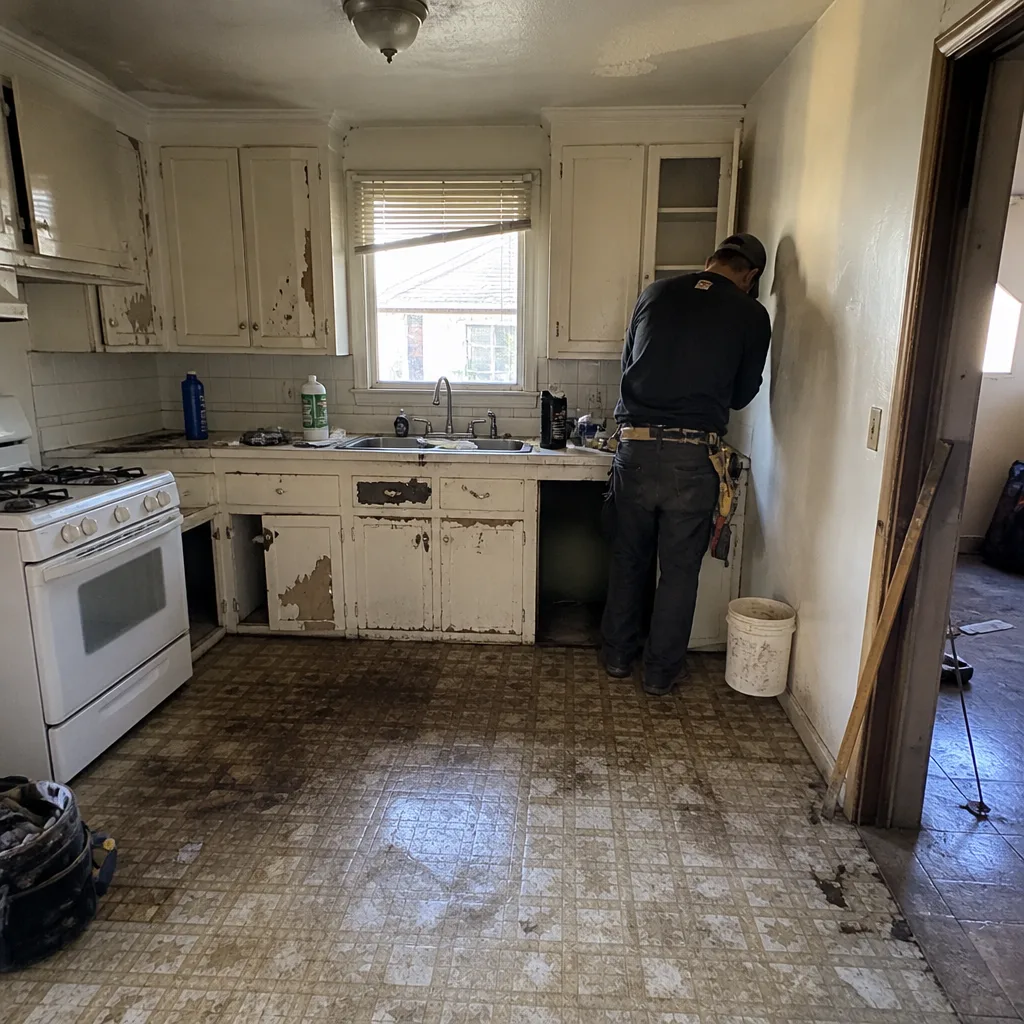 Before
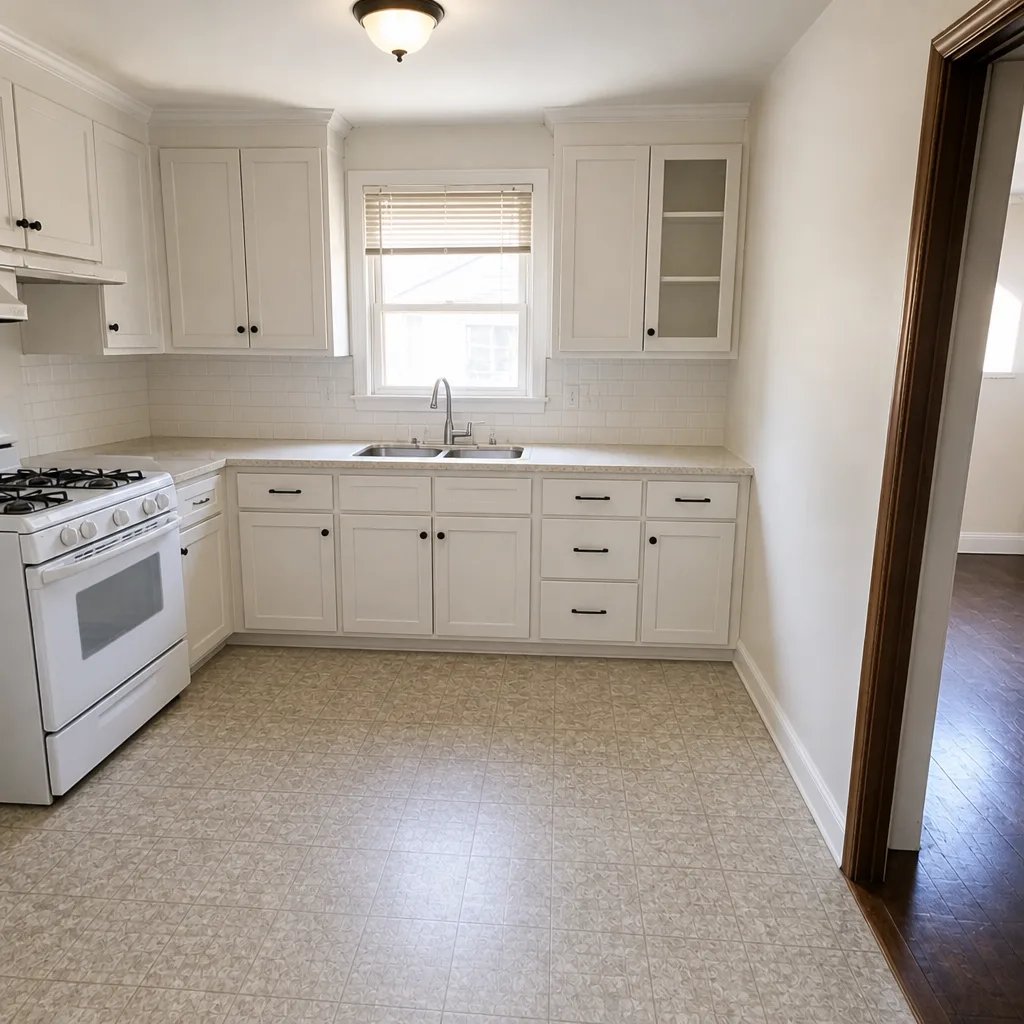 After
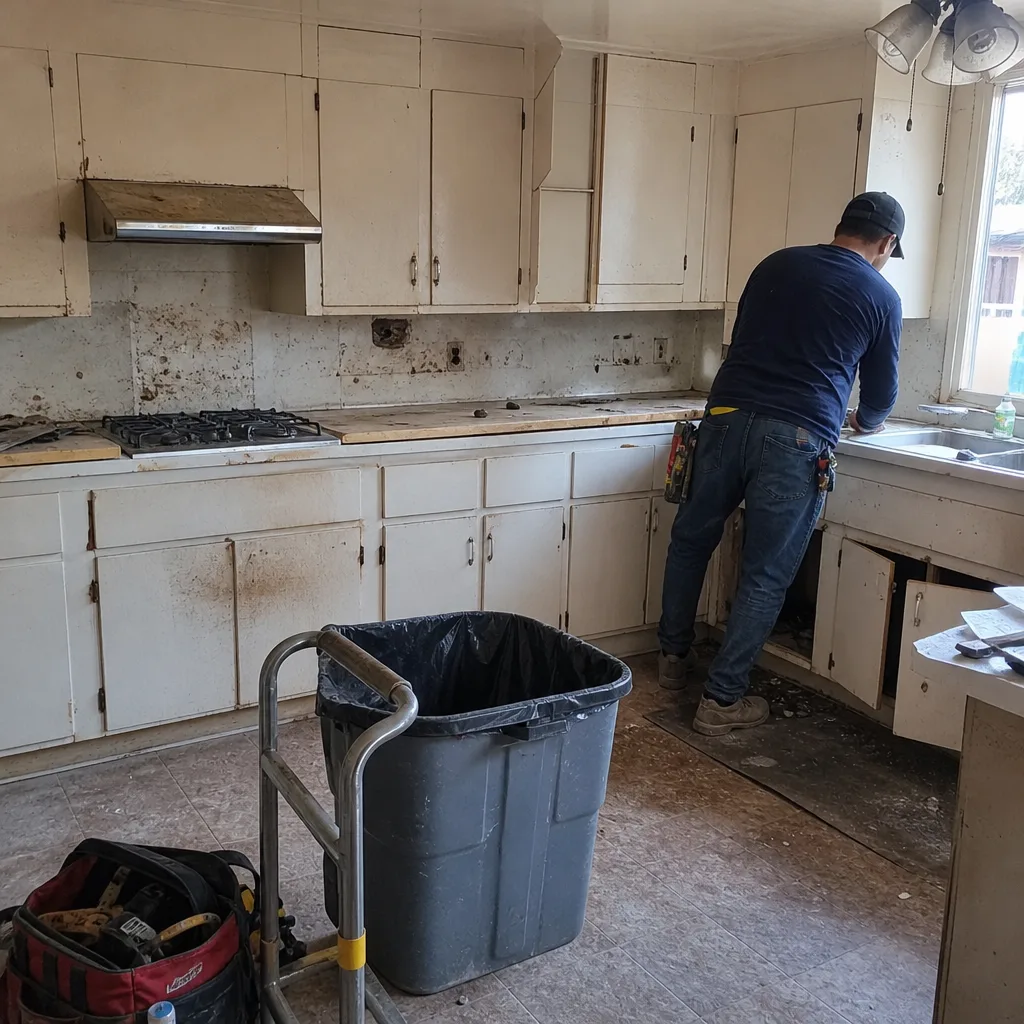 Before
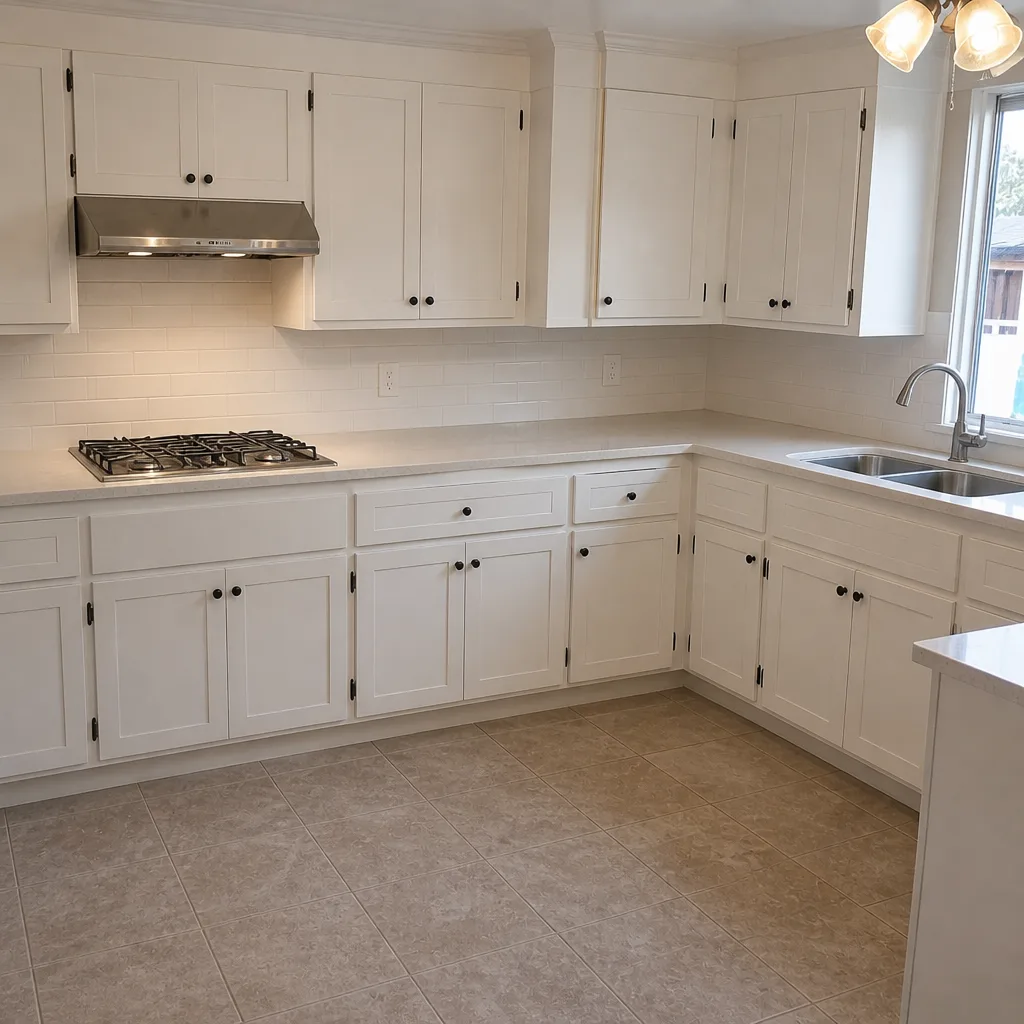 After
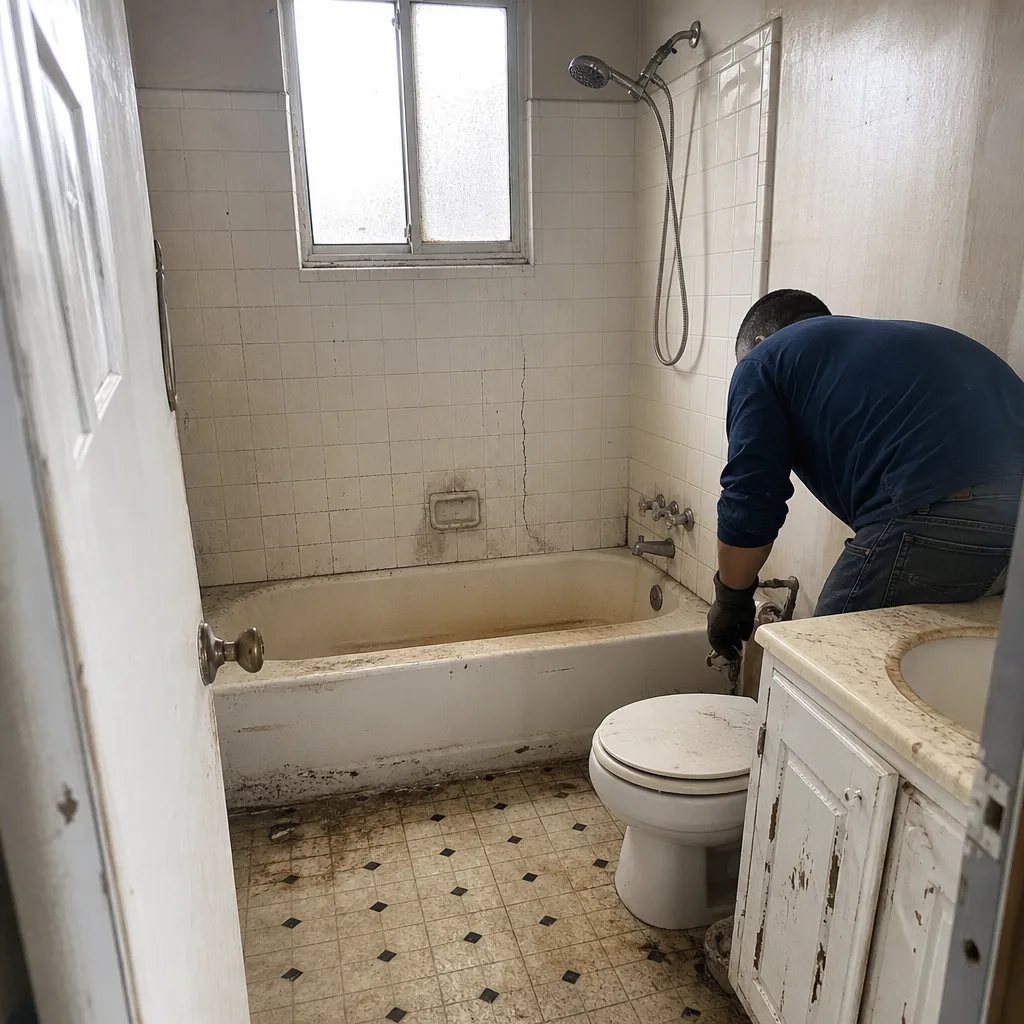 Before
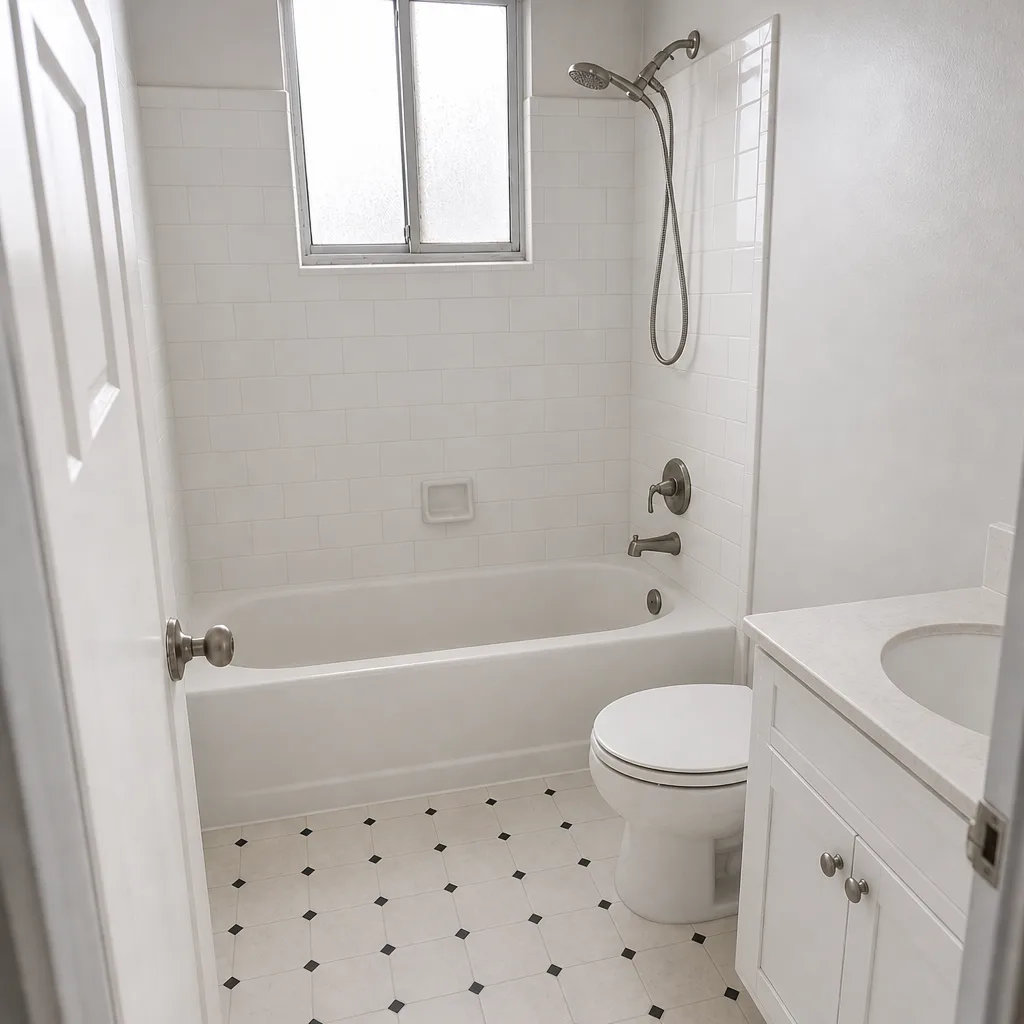 After
When to Call a Professional
Call a professional when any task touches the waterproofing envelope, the plumbing rough-in, the electrical circuit, structural framing, or a permit. That covers shower pan installation and tile waterproofing, all drain and supply line work, any new or relocated electrical, and any wall removal or structural change. Call even if you’ve already started: an early professional stop is cheaper than a late one. A free estimate costs nothing and gives you a written line-item price for the part of the job that matters. Groundwork Construction Co. of Buena Park offers free estimates in Buena Park – call (833) 522-5059. Our technicians have up to 12 years of experience, and every project comes covered by the 730-Day Done Right Promise. If we say we’ll make it right, we will, for well over two years after the last tile is set.
Frequently Asked Questions
Improper waterproofing membrane installation behind a shower or wet-area tile is the most expensive DIY mistake. The failure is invisible for six to eighteen months while water silently wicks into the subfloor and framing. By the time it shows, the repair is a tear-out and rebuild rather than a patch. Call (833) 522-5059 for a free estimate if you’re not sure whether your shower’s waterproofing is sound.
Yes. Moving any plumbing drain or supply line in Buena Park requires a plumbing permit under California Building Code. Even a small toilet relocation to fit a new layout is a permitted change. The permit is inexpensive and the inspection protects you at resale. For a free estimate on permitted plumbing work, call (833) 522-5059.
A failed DIY shower installation typically costs $3,000 to $8,000 to repair, because the fix is a full tear-out and waterproofing rebuild, plus subfloor or framing repair if the rot has spread. Compare that to the cost of a professional installation done correctly the first time. Estimates are free – call (833) 522-5059 for an exact number on your bathroom.
A California homeowner can do some electrical work on their own owner-occupied home, but bathroom circuits are GFCI-protected and inspected, and unpermitted work becomes a legal disclosure item at sale. The safer path for a Buena Park bathroom is a licensed electrician who pulls the permit and handles the inspection. Call (833) 522-5059 if you want the electrical portion quoted separately.
Yes. Unpermitted plumbing or electrical work must be disclosed on a Transfer Disclosure Statement when you sell in Buena Park, and buyers and lenders discount for it. That discount typically runs well beyond the cost of simply pulling the permit and doing the work correctly. For an upfront price on permitted work, call (833) 522-5059.
Painting, recaulking and regrouting, hardware swaps, showerhead and faucet handle replacement, and vanity mirror installation are all realistically DIY-safe and cost-effective. Anything that involves opening a wall, changing plumbing or electrical, or applying waterproofing membrane belongs with a licensed professional. Free estimates are available – call (833) 522-5059 and we’ll scope the professional portion without pressure.
The Bottom Line
DIY bathroom remodeling only saves money when the work stays on the safe side of the line. Painting, hardware swaps, mirror installs, and recaulking are genuinely worth doing yourself and can save you $700 to $1,700. Waterproofing, plumbing rough-in, electrical, and any task that requires a Buena Park permit are where DIY savings evaporate into repair costs three to eight times the original job. The smartest play is a hybrid: run a professional scope for the hard parts, do the finish work yourself, and pull the permits. Confirm your exhaust fan handles Buena Park’s coastal humidity. Then enjoy a bathroom that stays dry behind the tile, not just in front of it. Groundwork Construction Co. of Buena Park offers a free project estimate and design consult to get you started. Call (833) 522-5059. While a bathroom is your focus, some Buena Park homeowners pair exterior work with it, and our Fence Installation in Buena Park and Driveway & Pavers in Buena Park pages cover those scopes if you want to bundle the project. If you’re planning a full-home refresh alongside the bathroom, our Groundwork Construction Co. of Buena Park home page and our Home Additions & ADU in Buena Park guide show the full range.
Written by the team at Groundwork Construction Co. of Buena Park.